

Early 19th Century Seating
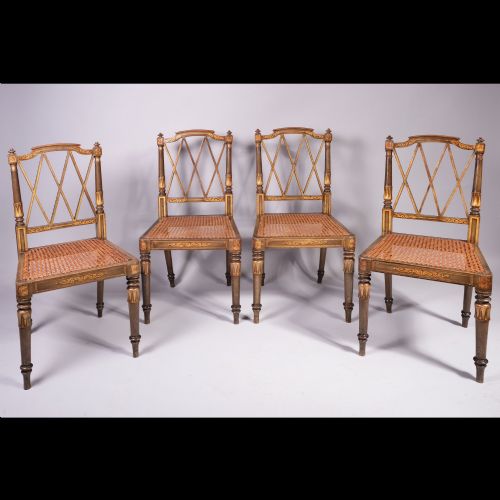
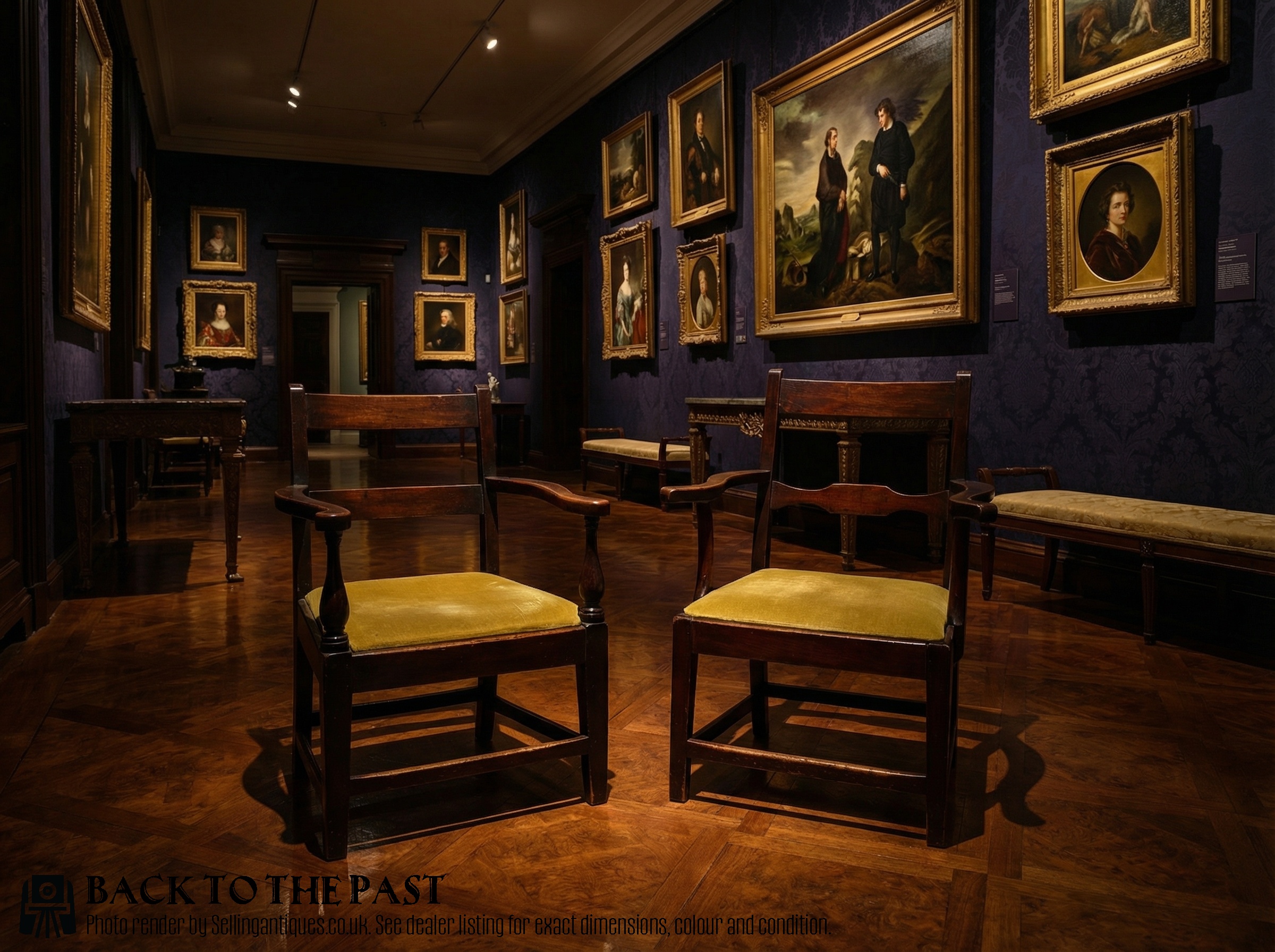
Early 19th century seating brings together formal mahogany dining chairs and robust vernacular country pieces that anchor a room.
Early 19th Century Seating
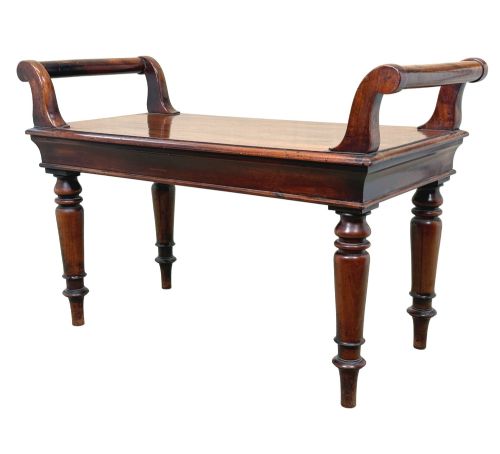
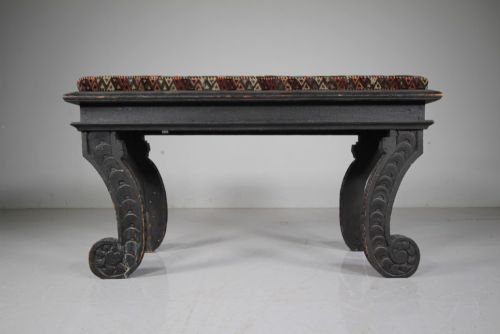
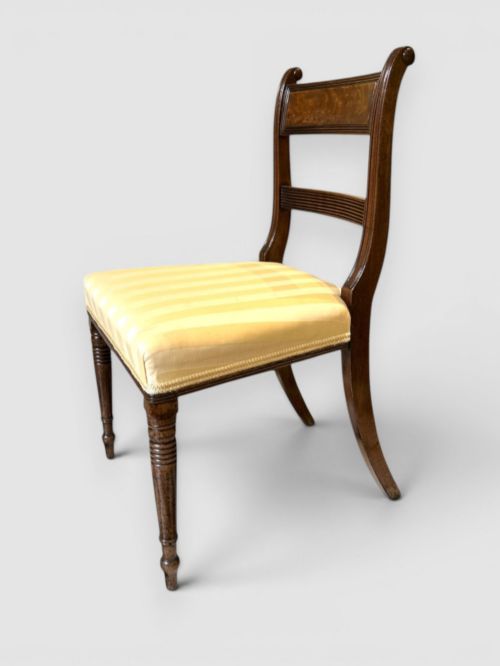
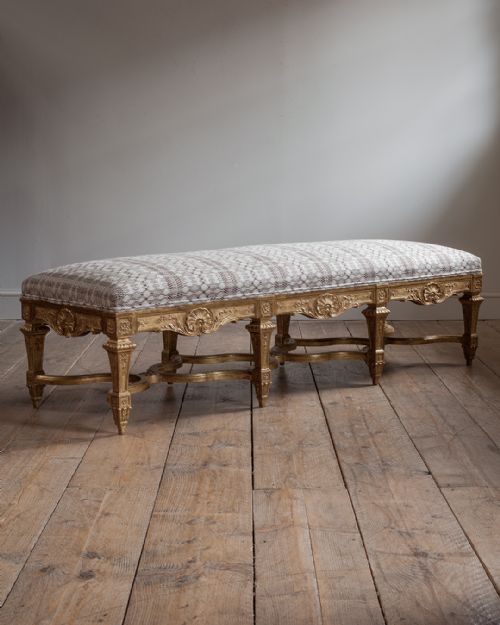
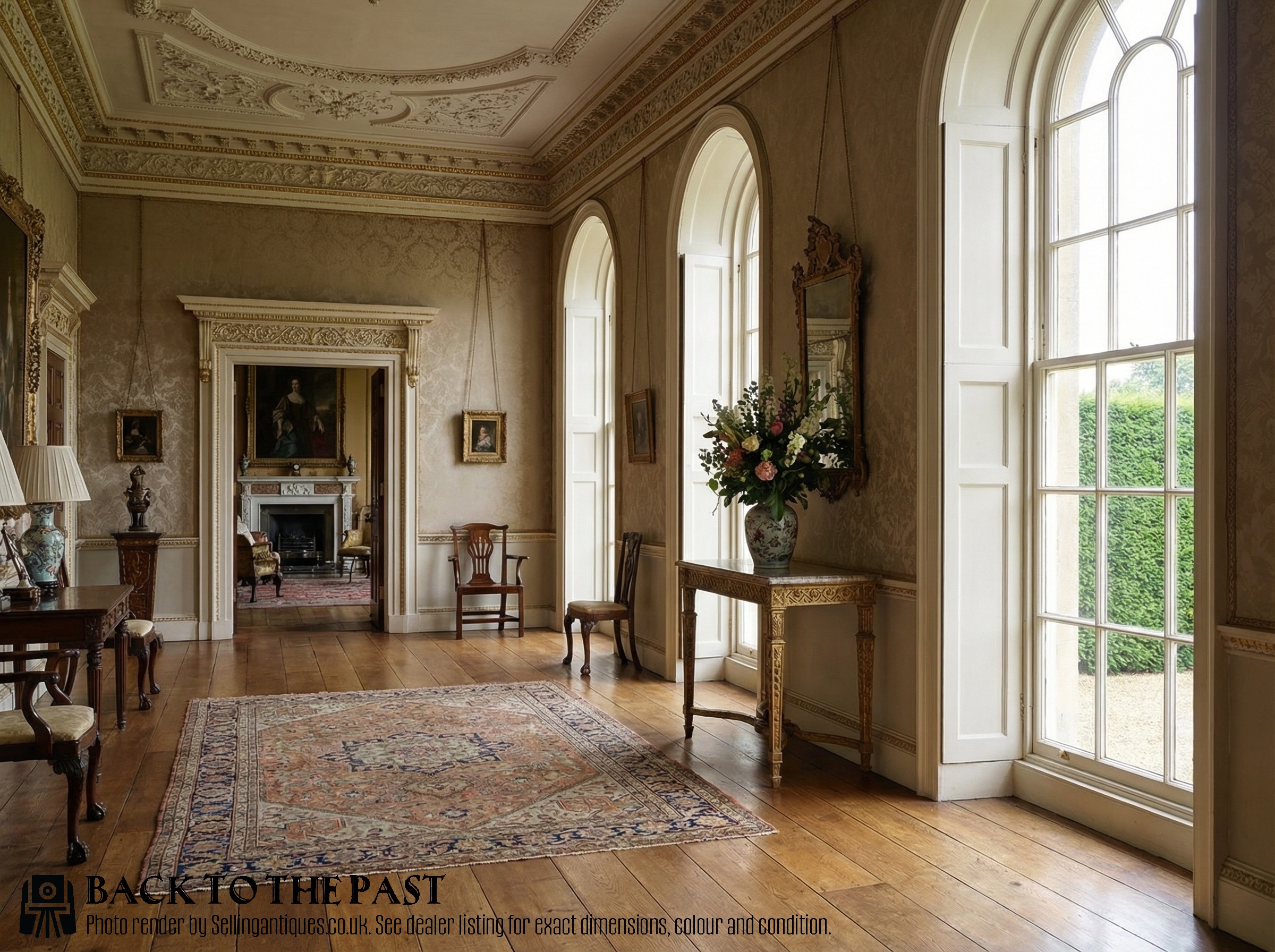
Early 19th century seating encompasses a wide variety of domestic forms, ranging from large dining sets and carvers to individual hall chairs, window seats, stools, and benches. A buyer searching this phrase encounters formal urban furniture alongside sturdy rural seating.
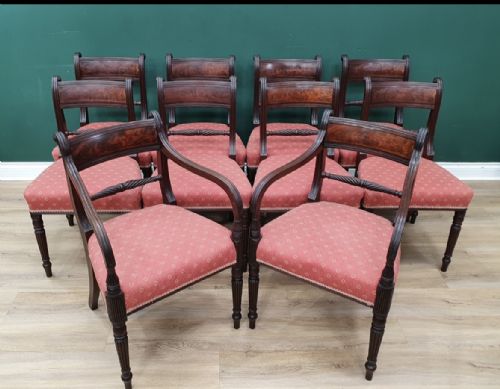
The material origins divide distinctly between polished urban timbers and local country woods. Mahogany and rosewood dominate formal Regency and Georgian dining chairs, while elm, ash, fruitwood, and pine shape the vernacular tradition.
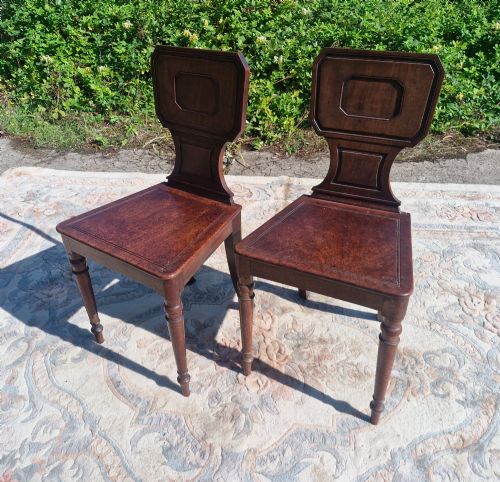
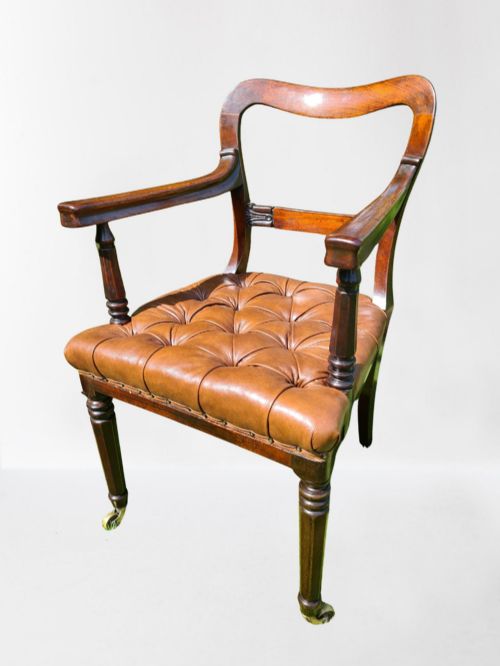
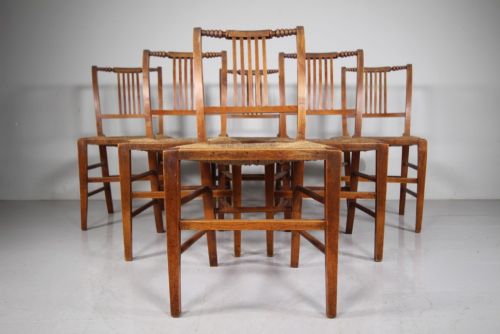
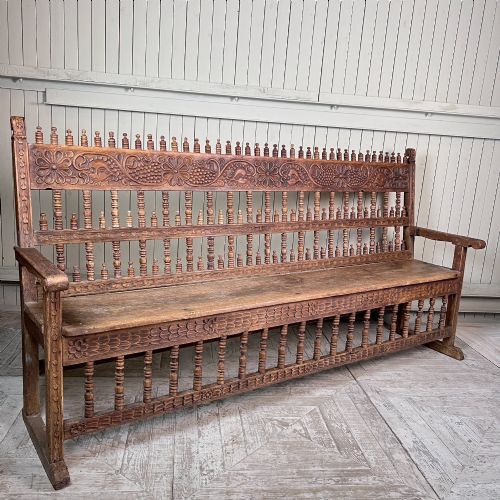
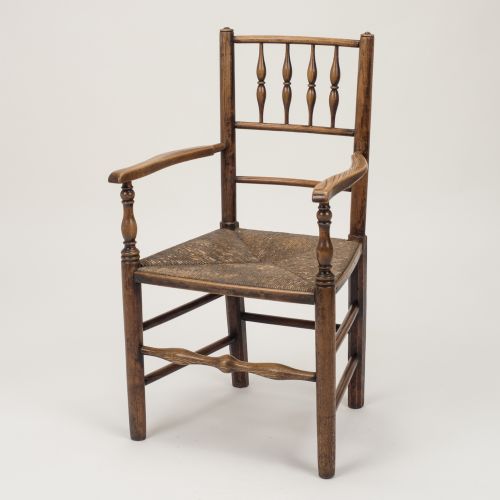
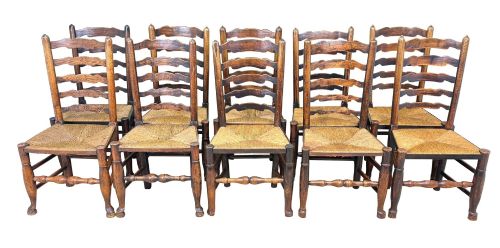
Object types include matching sets of six or ten dining chairs, paired hall chairs with carved seats, and single armchairs like Windsor and stick-back designs. Window seats and benches provide longer seating options executed in both painted pine and heavy hardwoods.
Materials and Technique
Makers utilised dense timbers such as mahogany, rosewood, elm, and ash, selecting each wood for its specific structural capacity. Hardwoods like mahogany took crisp carved detail for formal dining and desk chairs, while pliable ash and elm allowed for steam-bent spindle backs and hoop-back Windsor forms.
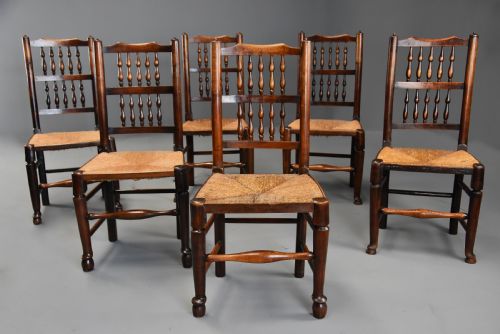
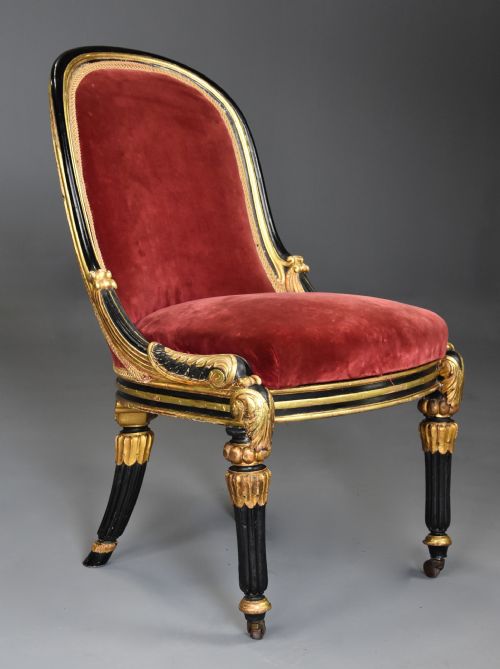
Construction methods relied on traditional joinery, including mortise and tenon joints, turned components, and rush seating woven directly onto wooden frames. Decorative finishes ranged from ebonised and gilt surfaces to painted pine and polished grain.
Listings feature periods spanning the Georgian, Regency, and Victorian eras, executed in mahogany, rosewood, elm, ash, and wrought iron.
Distinctions in Execution
Quality rests upon the crispness of the carving, the integrity of the timber selection, and the survival of original surfaces. Formal dining chairs demonstrate excellence through fine proportions and balanced joinery, while country pieces show mastery in the turning of spindles and the integration of native woods.
The uniformity of large sets and the preservation of original rushes, leather, or fabric linings separate standard examples from superior survivals. Structural stability combined with a deep, untouched patina elevates the standing of individual armchairs and benches.
Howard and Sons
The Early 19th Century Seating Glossary
- Regency
- A style period spanning the early 19th century, characterised by classical restraint and neoclassical motifs. Furniture from this era often incorporates brass inlay, sabre legs, and polished mahogany or rosewood.
- Vernacular
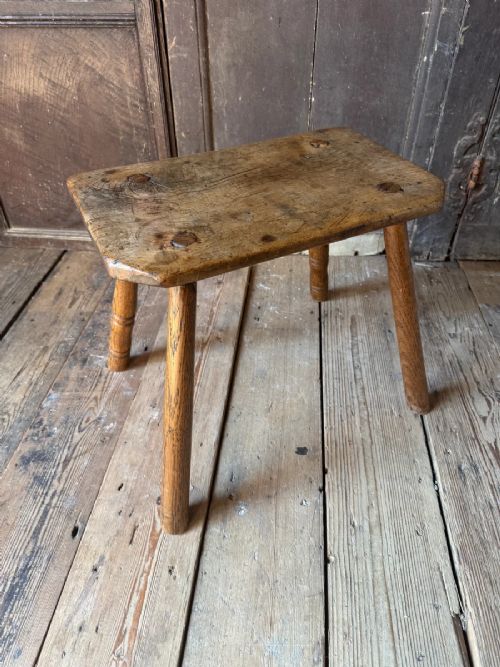
- Unpretentious domestic objects made by local regional craftsmen using native timbers rather than mengikuti urban metropolitan fashions. Elm, ash, and fruitwood commonly define these utilitarian chairs and stools.
- Windsor
- A traditional wooden chair constructed with a solid sculpted seat into which the legs and back spindles are wedged directly. Regional variations include hoop-back and stick-back formats.
- Rush
- Dried marsh grass twisted into cords and hand-woven to form tight, resilient seating platforms. This technique appears frequently on country armchairs and side chairs.
- Stinkwood
- A heavy, durable timber native to South Africa utilised locally for furniture including benches. The wood possesses a distinct aroma when freshly worked.
Early 19th Century Seating: Frequently Asked Questions
How do I care for antique wooden seats?
Keep wooden furniture away from direct heat sources and sudden humidity shifts to prevent timber splitting.
Apply natural beeswax periodically to nourish polished surfaces and maintain a soft sheen without building up heavy residue.
What is a hall chair?
Hall chairs were designed for entrance spaces and typically feature solid wooden seats without upholstery. They often display carved family crests or decorative shields on the backboards.
Guests used them briefly, so comfort was secondary to formal visual impact.
Where were Windsor chairs used?
Windsor chairs served primarily in country houses, farmhouses, and vernacular domestic settings. Their sturdy construction made them ideal for everyday kitchen and dining use.
Over decades of heavy use, their ash and elm frames developed a distinct, tactile surface patina.