



Early 19th Century Engraving
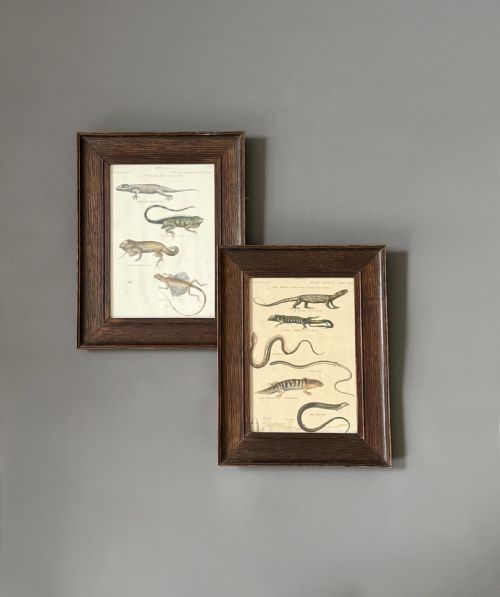
An early 19th century engraving captures detailed natural history, portraiture and classical subjects on paper.
Early 19th Century Engraving
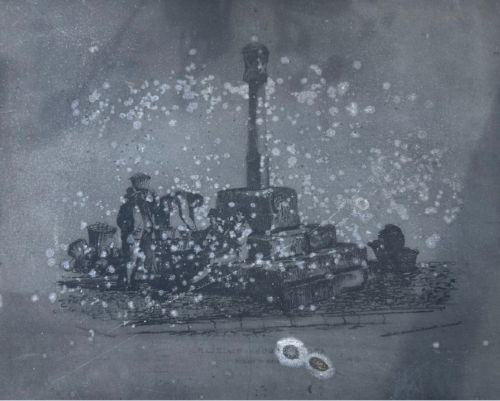
When you search for an early 19th century engraving, you encounter works on paper depicting natural history subjects, portraits, architecture and classical scenes. These items originate from the Georgian, Regency and Victorian periods, often appearing as hand-coloured plates or framed prints.
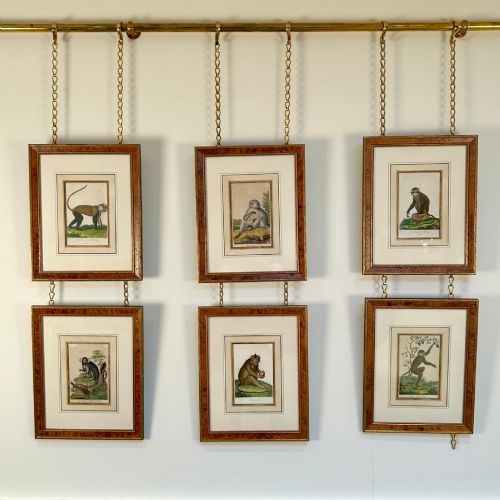
The selection frequently includes paired animal studies, architectural views of abbeys and churches, and historical banquet scenes. Artists and publishers from this era produced both individual plates and series intended for educational or decorative purposes.
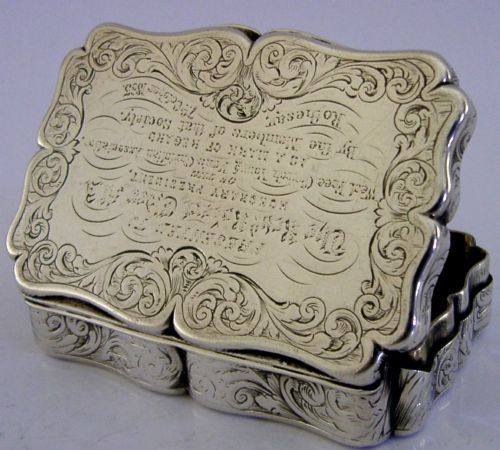
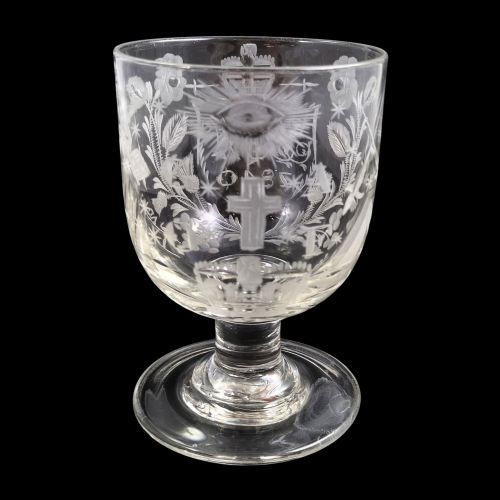
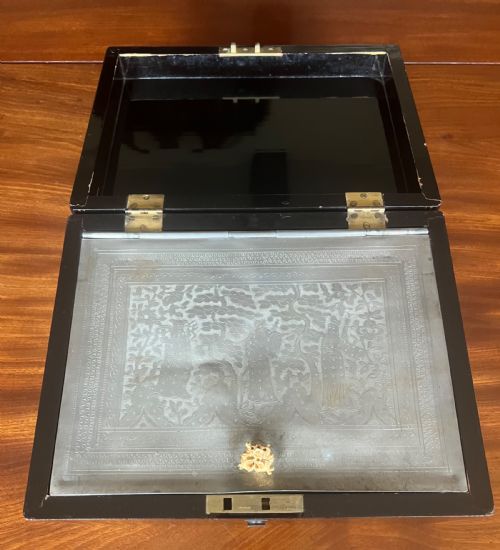
Beyond works on paper, the listings extend to engraved metal printing plates, decorative snuff boxes, silver-plated coolers and glassware bearing surface incision. This variety reflects how extensively engraving techniques were applied across different materials during the period.
Materials and Techniques
Paper serves as the primary ground for printed works, combined with copper or steel plates used in the intaglio printing process. Artisans applied ink into incised lines before pressing the design onto paper, occasionally adding hand-colouring with watercolour pigments.
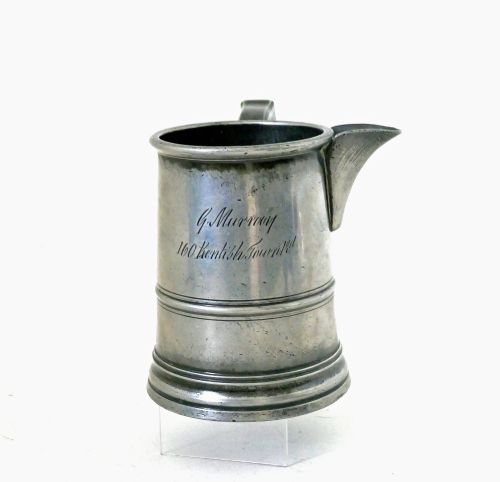
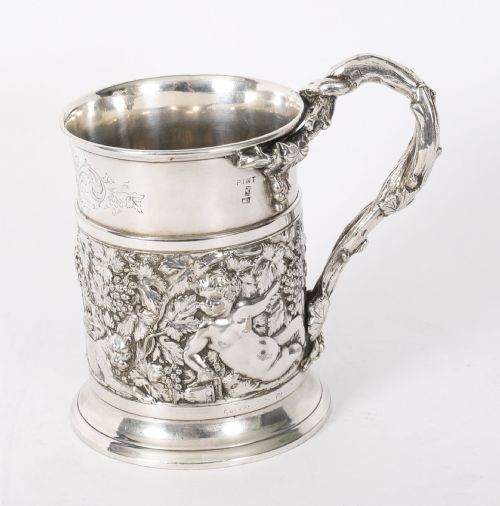
Metal objects utilise copper, brass, pewter, silver plate and solid silver, decorated through manual incision, embossing or chasing. Glassware relies on lead-glass and cut glass, finished with wheel-engraved patterns.
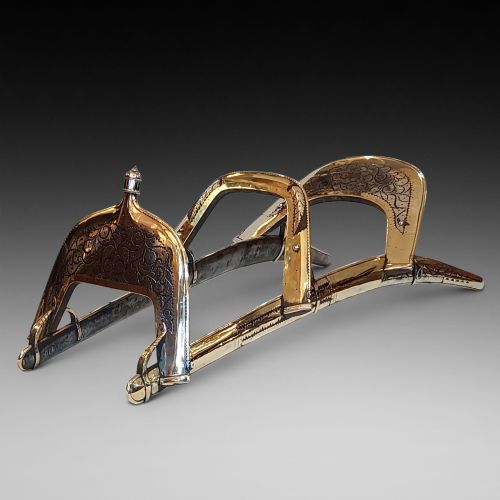
A ceramic-loving camel saddle from the late nineteenth century shares space with delicate glass rummers and military prints.
Standards of Execution
Quality depends upon the crispness of the line work and the precision of the plate impression. Finer examples maintain sharp details without blurring or spreading ink, particularly in complex architectural or natural history subjects.
The delicacy and accuracy of hand-colouring separate superior specimens from simpler prints. Careful application of pigment enhances the underlying engraving without obscuring the printed lines.
William Bird MD FLS·Henri Jacot·G R Collis·E J Dent·Paul Garnier·Henry Alken·Thomas Allom·Boilly·J Vendramini·Ribeira
The Early 19th Century Engraving Glossary
- Engraving
- A printmaking technique where an artist cuts lines directly into a metal plate using a burin. The resulting grooves hold ink to transfer the image onto paper under pressure.
- Hand-coloured
- A print finished with watercolour or other pigments applied by hand after the initial printing process. This technique added realism to natural history subjects and costume plates.
- Aquatint
- A variant of etching that produces tonal areas resembling watercolour washes. It was frequently utilised for sporting prints and topographical views during the period.
- Stipple engraving
- A method using dots of varying density to create tonal gradients and soft flesh tones. It gained popularity for portraits and allegorical scenes.
- Intaglio
- A printing category where the ink sits below the surface of the plate in incised channels. Engraving, etching and drypoint all fall under this classification.
Early 19th Century Engraving: Frequently Asked Questions
How do I care for an early 19th century engraving on paper?
Keep the framed work away from direct sunlight to prevent fading of the paper and any applied watercolour pigments. Maintain stable humidity levels to protect the paper substrate from moisture damage.
Ensure backing materials are acid-free if you re-frame the piece. Professional conservation framing preserves the long-term stability of antique paper goods.
What is the difference between an engraving and a lithograph?
An engraving relies on lines cut into a hard plate, such as copper or steel, which hold ink for printing. This method produces crisp, raised lines that you can often feel on the paper surface.
Lithography uses a flat stone or metal plate treated to repel and attract ink based on greasy drawings. Lithographs display smoother tonal transitions rather than distinct linear incisions.
Why are some engravings hand-coloured?
Publishers added watercolour by hand to enhance the visual appeal and scientific accuracy of botanical and zoological plates. This practice was standard for natural history works before colour printing technologies developed.
Skilled colourists worked from standardised specimens to ensure botanical and ornithological accuracy. The presence of careful pigment application often indicates a higher production tier.
How can I distinguish between Georgian and Victorian engravings?
Georgian engravings, produced up to 1830, typically reflect neoclassical tastes, classical ruins, and restrained portraiture. The typography on captions often uses distinct serif lettering styles characteristic of the era.
Victorian pieces, emerging after 1837, frequently embrace romanticism, genre scenes, and industrial subjects. Printing techniques also evolved, incorporating steel plates that allowed for larger print runs with finer detail.