



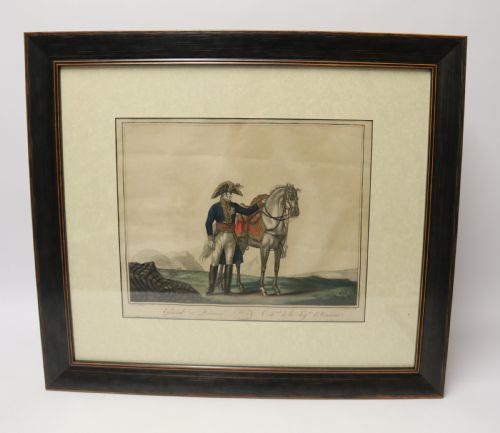


Framed Paper Military Portrait
A framed paper military portrait captures the individual likeness of an officer or soldier through ink, pastel, or watercolour behind glass.
Framed Paper Military Portrait
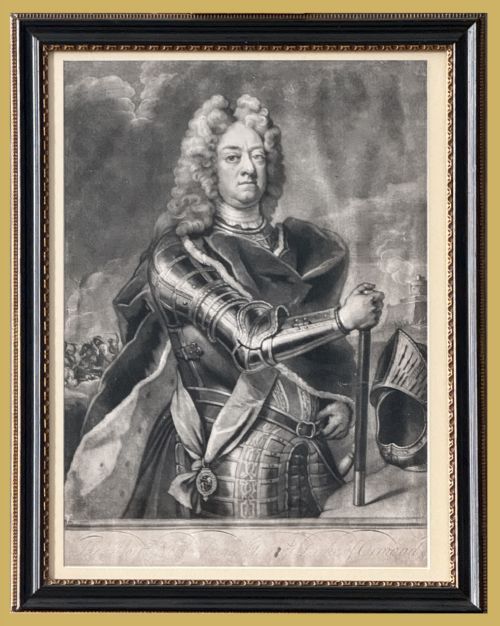
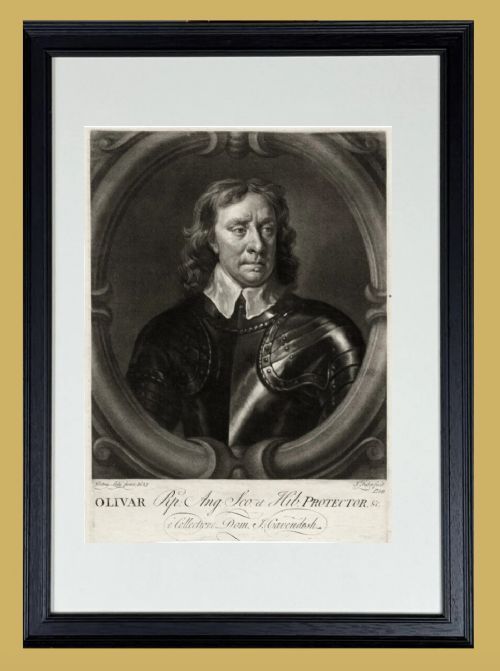
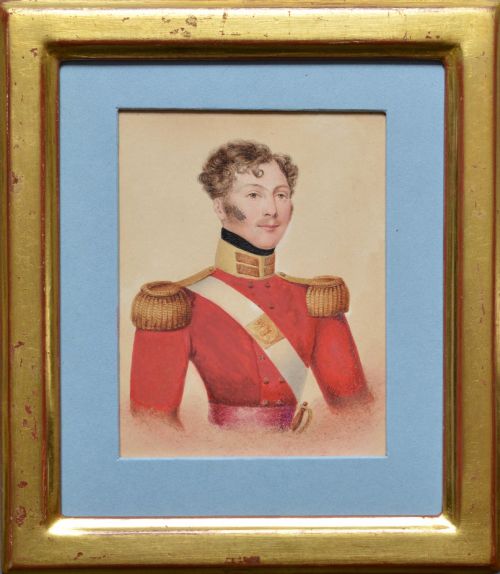
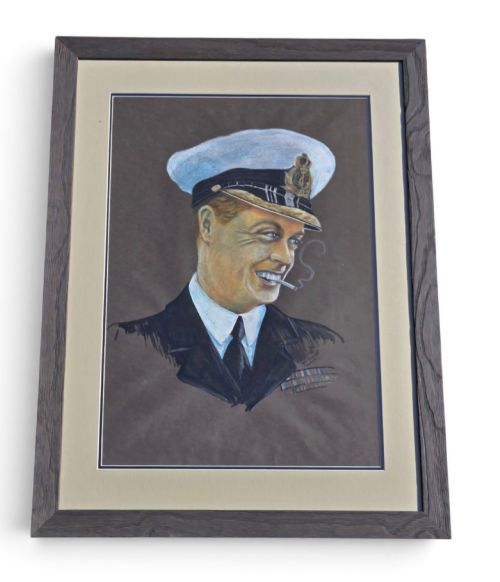
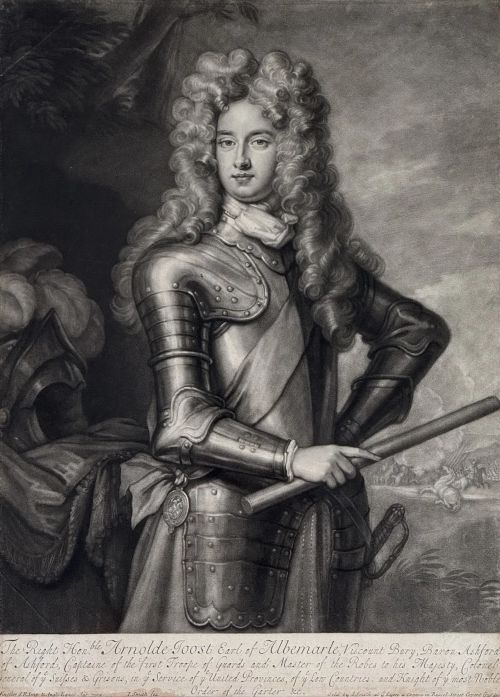
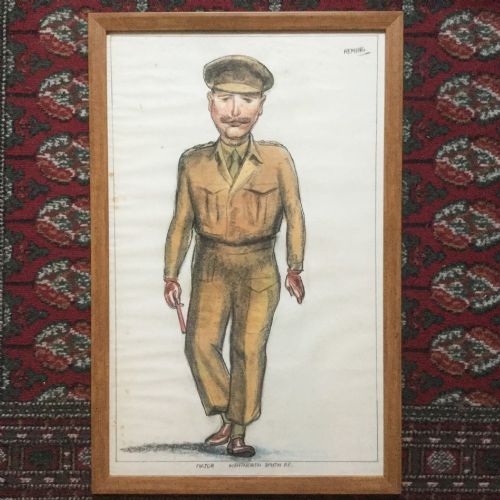
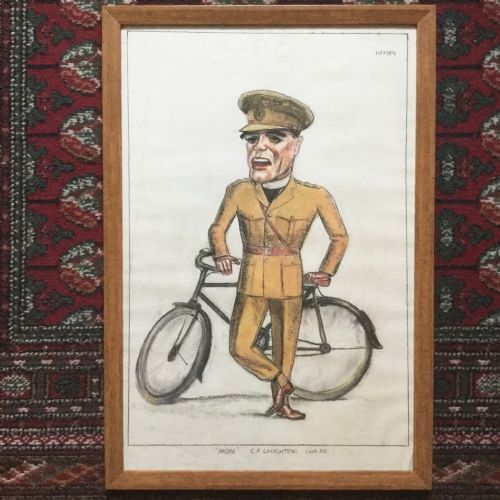
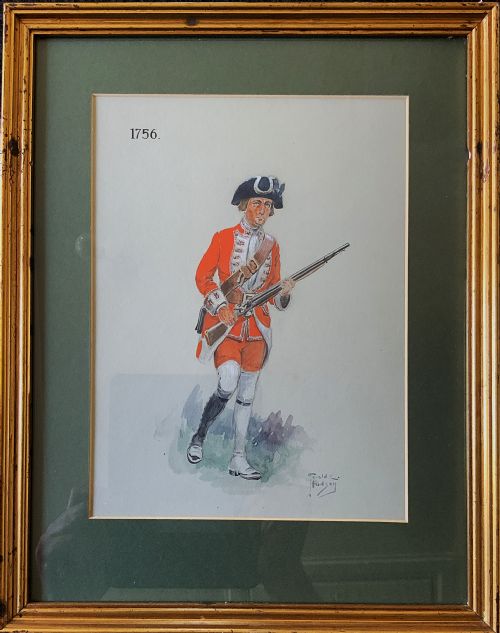
A framed paper military portrait represents officers, commanders, and enlisted soldiers across several centuries, rendered in media ranging from delicate ink engravings to bold wartime pastels. When you explore a framed paper military portrait, you encounter works produced during periods such as the seventeenth, eighteenth, and nineteenth centuries, alongside mid-century and wartime examples. These pieces typically function as wall art, taking the form of framed drawings, antique prints, mezzotints, and watercolour paintings housed behind protective glass.
The subjects range from named historical figures like Oliver Cromwell and the Duke of Ormonde to anonymous officers of specific regiments such as the Staffordshire 80th Regiment of Foot. Many examples preserve the uniform details, insignia, and facial expressions of military personnel from specific campaigns and eras. You are most likely to meet seventeenth and eighteenth century mezzotints alongside nineteenth century watercolours and twentieth century pastel sketches on this page.
How they were made
The physical construction of these works relies upon paper supports marked with ink, watercolour, gouache, or pastel, secured within wooden and sometimes giltwood frames under glass. Mezzotint engravings from the seventeenth and eighteenth centuries required meticulous plate preparation by printmakers working after paintings by artists like Sir Peter Lely or Sir Godfrey Kneller. Later works from the twentieth century often utilise pastel and gouache directly on paper to capture the immediate likeness of officers during wartime.
Framing materials evolved alongside the centuries, matching the prevailing styles of the Baroque, Georgian, Regency, and Art Deco periods. The integration of paper, ink, and pigment required durable mounting to preserve fragile media against light and moisture over generations.
Listings feature paper supports combined with wood, glass, ink, pastel, watercolour, gouache, and giltwood across multiple centuries.
What varies in quality
The distinction between standard works and superior examples rests upon the skill of the draughtsman or printmaker and the preservation of the paper medium. Early mezzotints printed by recognised figures after master painters display deep tonal gradations and sharp contrasts that lesser impressions lack. Similarly, hand-coloured prints and original watercolours vary according to the precision of the line work and the vibrancy of the surviving pigments.
The integrity of the original framing, the clarity of the paper surface, and the historical documentation associated with the subject or artist elevate certain pieces above others. Works that retain their original execution without heavy fading or excessive restoration command greater attention from collectors.
John Simon·John Smith·Joseph Sympson·Aubrey Sykes RA·Snaffles
The Framed Paper Military Portrait Glossary
- Mezzotint
- A printmaking process of the intaglio family where the plate is roughened to produce dark tones and scraped to create light areas. This technique allows for subtle tonal gradations particularly suited to portraiture.
- Gouache
- An opaque water-based paint consisting of pigment, water, and a binding agent such as gum arabic. It provides solid, flat areas of colour in many twentieth-century military sketches.
- Giltwood
- Wood carved and covered with a thin layer of gold leaf. This material frequently appears on the antique frames enclosing seventeenth and eighteenth-century portraits.
- Regency
- A stylistic period spanning the early nineteenth century characterised by neoclassical elegance and specific military uniform designs. Pieces from this era often reflect the aesthetic of the Napoleonic Wars.
Framed Paper Military Portrait: Frequently Asked Questions
What periods do these portraits cover?
The selections span from the seventeenth century through to the mid-twentieth century, encompassing periods like the Georgian, Regency, and Art Deco eras.
Earlier centuries are represented by printed mezzotints, while later decades feature original watercolours and pastel sketches.
How should I hang these framed portraits?
These works require placement away from direct sunlight to protect fragile paper, watercolours, and pastels from fading over time.
Use stable wall fixings suited to the weight of the wooden and giltwood frames that protect the glass fronts.
Are these portraits original artworks?
The listings include both unique hand-drawn works such as watercolours and pastels, and historic printed mediums like mezzotints and engravings.
Each listing specifies whether the piece is an original drawing, a wartime sketch, or a period print after a known master.
How do I identify military ranks in the portraits?
Uniform details, insignia, and accompanying inscriptions often record the specific rank, regiment, and date associated with the subject.
Titles frequently reference historical commands, such as the Royal Engineers or specific foot regiments, to provide context for the sitter.