



Early 19th Century Bronze
Early 19th century bronze works encompass sculptural figures, architectural clock housings, and classical lighting vessels prized for their rich metallic patination and enduring utility.
Early 19th Century Bronze
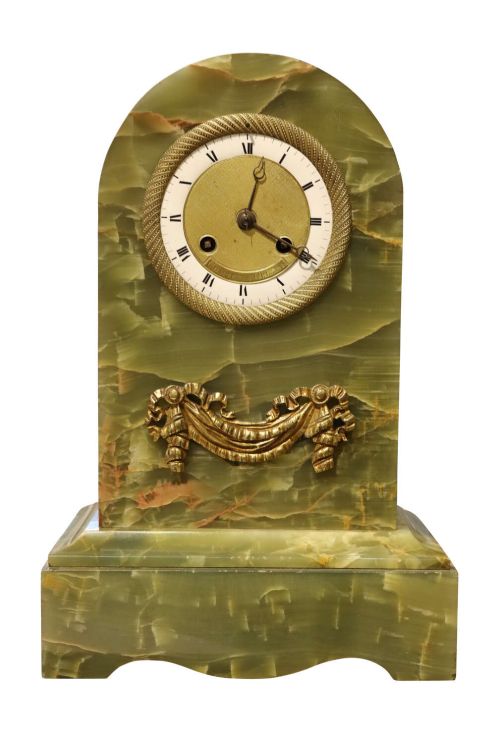
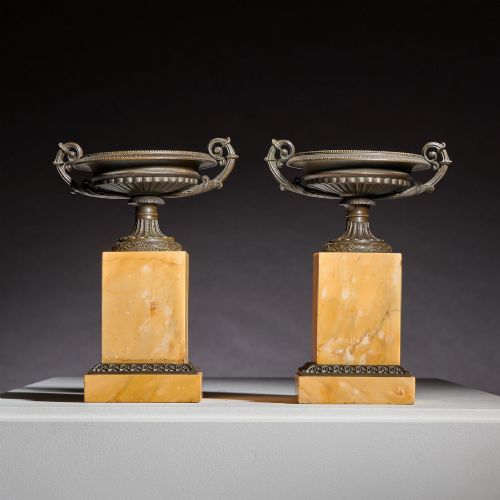
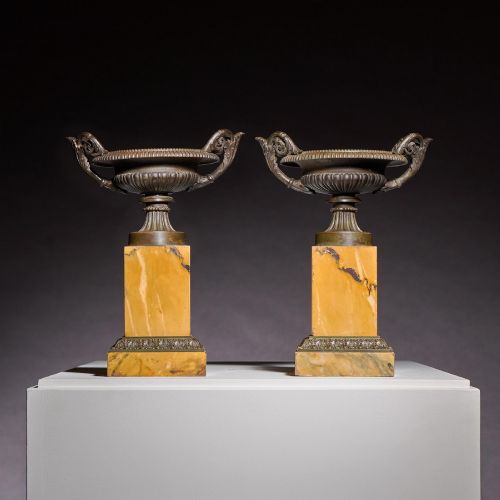
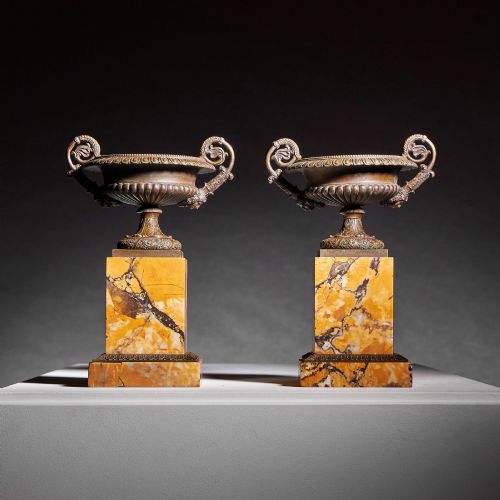
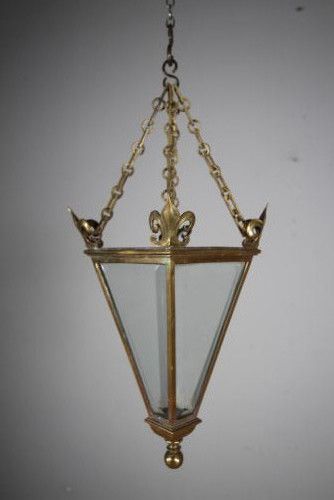
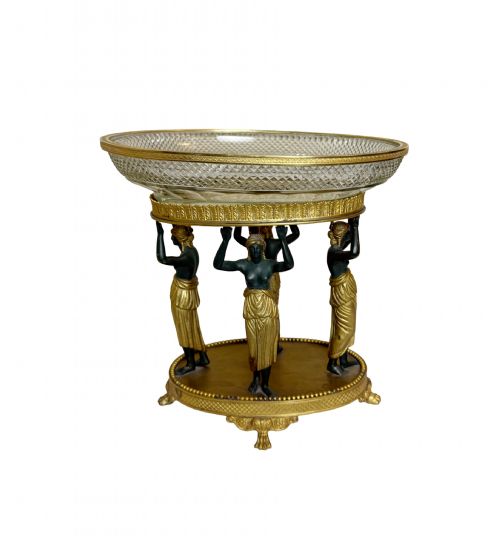
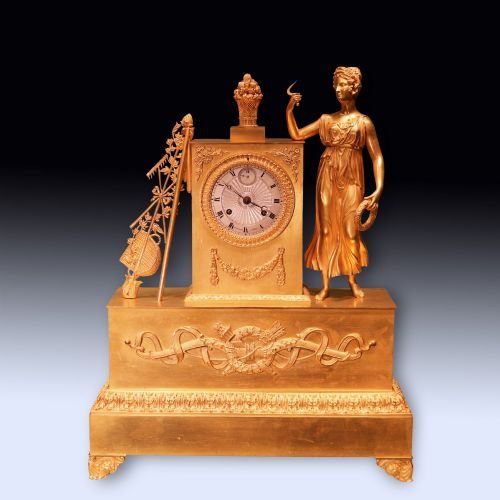
Buyers seeking early 19th century bronze encounter a diverse array of decorative and functional objects, predominantly originating from French workshops and British collections. Mantel clocks, candelabra, and classical tazzas dominate the selection, frequently combining cast metal with contrasting marble bases.
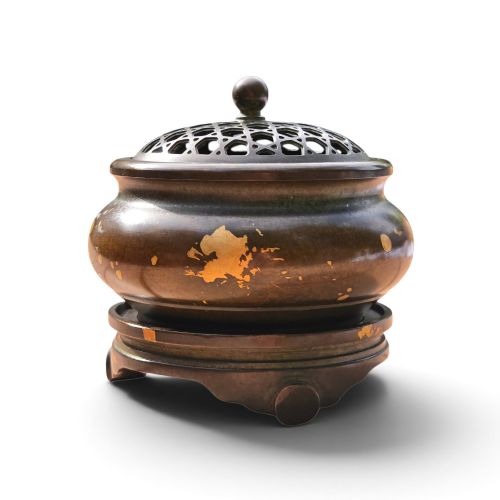
Beyond European pieces, the category extends to Asian metalwork, including scholars' desk censers and ritual vessels. These items reflect international trade and aesthetic exchanges characteristic of the period.
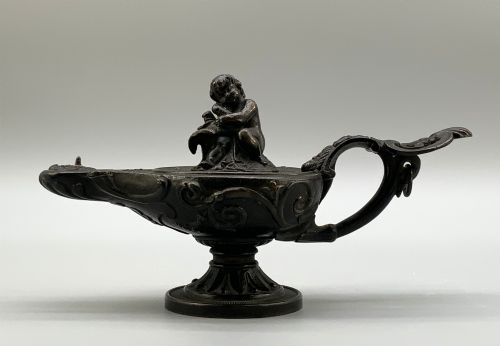
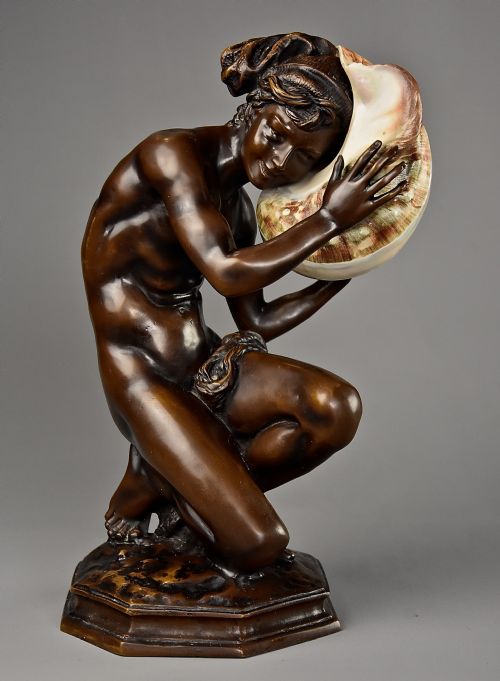
Sculptural figures and desk accessories such as inkwells and oil lamps also appear regularly. These domestic objects demonstrate the period's preference for combining utility with classical ornamentation.
Materials and construction techniques
Foundries utilised lost-wax and sand-casting methods to produce intricate components, which were then hand-chased to sharpen surface details. Artisans applied chemical patination to achieve deep brown or green tones on the metal surface.
Gilding was frequently achieved through mercury amalgamation, known as ormolu, producing a permanent and brilliant golden finish. This technique was often paired with dark patinated bronze to create visual contrast on clocks and candelabra.
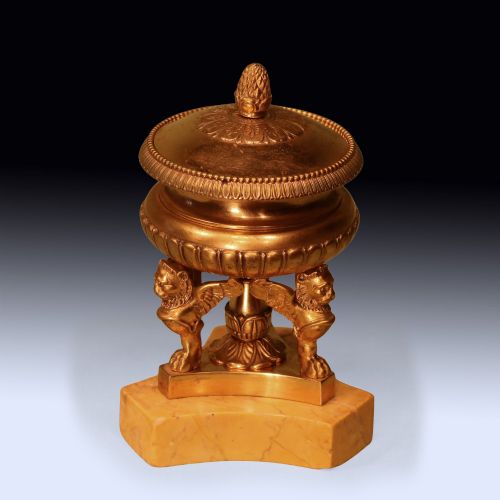
Stonework such as Siena marble and onyx served as integral structural mounts for figures and desk items. These dense geological materials provided stability and a neoclassical palette that complemented the metallic elements.
Domestic items include bronze pounce pots for ink, signal cannons, and food bowls designed for ship's cats.
Distinctions in manufacture and execution
The sophistication of the mercury gilding or patination dictates the longevity and visual depth of the surface. Expertly applied chemical treatments create nuanced gradations, whereas lesser execution yields flat, uniform coloration.
The integration of mixed materials, such as precisely fitted marble plinths and secure mechanical joints, demonstrates the original maker's skill. Robust construction ensures that multi-part assemblies remain stable and aligned over centuries of use.
Charles à Orléans·Canaillor of Paris·Rabiat·Japy Fils·E.J.Dent - Paul Garnier
The Early 19th Century Bronze Glossary
- Ormolu
- Gilt bronze produced by applying a mercury and gold amalgam to a bronze base and heating it until the mercury vaporised. This historic technique created a durable golden coating found on luxury furnishings.
- Patina
- The surface sheen and coloration developed on bronze through natural oxidation or chemical treatment over time. Collectors value stable layers that reveal the underlying metallic quality.
- Grand Tour
- A traditional educational journey across Europe undertaken by wealthy young men in the eighteenth and nineteenth centuries. Souvenirs from these travels included small bronzes and classical tazzas.
- Casting
- The process of pouring molten metal into a prepared mould to form a specific shape. Early nineteenth-century foundries used both sand-casting and lost-wax methods.
- Campana
- A classical vase shape resembling an inverted bell, frequently executed in bronze during the neoclassical revival. These vessels often served as decorative urns or mounting bases.
Early 19th Century Bronze: Frequently Asked Questions
How do I clean early bronze?
Dust surfaces gently with a soft, dry brush to prevent the accumulation of abrasive particles.
Avoid liquid cleaners, waxes, or commercial polishes that can strip historic patination and damage the underlying metal.
Are these clocks still working?
Many mantel clocks retain their original mechanical movements and strike trains from the period.
Operational status varies by individual piece, and professional servicing is often required to ensure accurate timekeeping.
What is Grand Tour bronze?
Grand Tour bronzes are miniature replicas of classical antiquities purchased by travellers touring European cultural sites.
These souvenirs allowed collectors to display classical sculpture and architecture within their domestic interiors.
How is ormolu different from brass?
Ormolu consists of a gilded bronze substrate finished with a mercury-gold amalgam for a brilliant lustre.
Brass is a distinct copper-zinc alloy with a different metallic composition and inherent colour.