


Early 19th Century Box
An early 19th century box brings utilitarian craftsmanship into a room, offering tactile connection to Georgian and Regency storage forms.
Early 19th Century Box
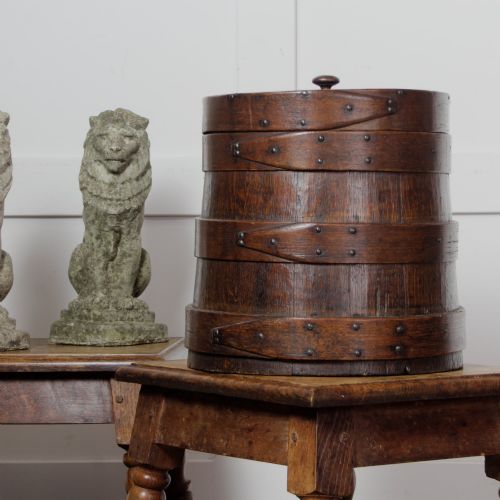
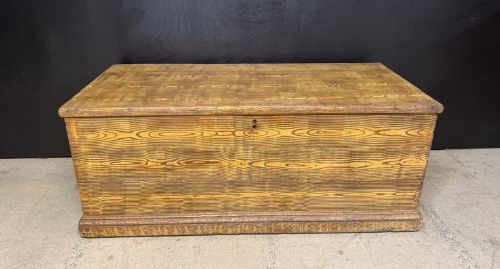
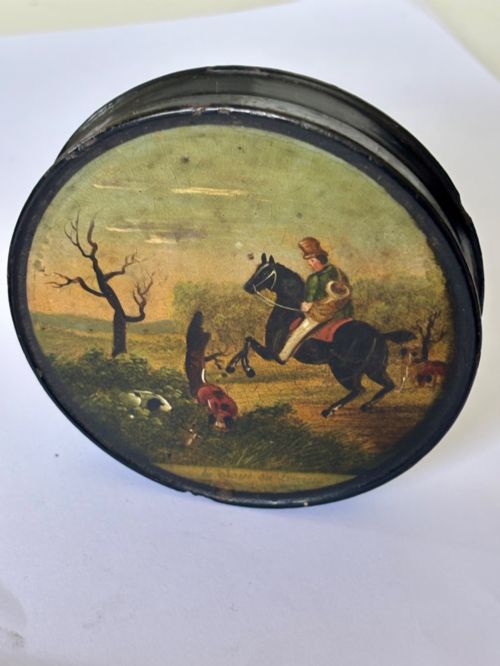
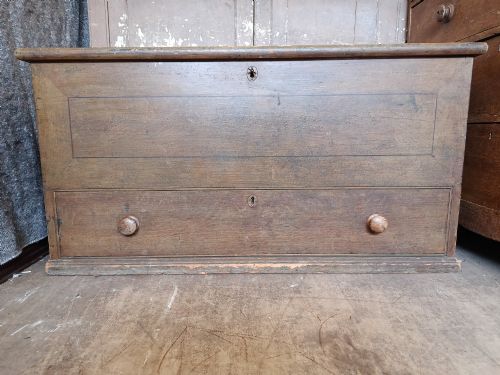
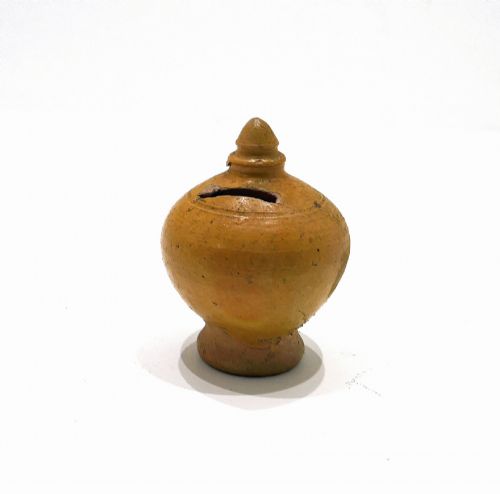
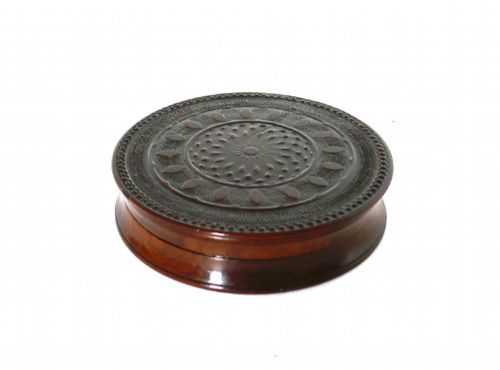
An early 19th century box encompasses a diverse array of utilitarian and decorative containers spanning the Georgian, Regency, and early Victorian periods. Buyers encounter small treen snuff boxes, tea caddies, and writing desks alongside larger campaign trunks, blanket chests, and wine coolers.
Domestic and travel storage forms dominate this category, reflecting the functional requirements of nineteenth-century life. Common examples include mahogany tea caddies, rosewood writing boxes, painted pine sea chests, and pocket-sized silver or tortoiseshell snuff boxes.
Origins range widely across British workshops, continental European centres, and China Trade commission pieces. Regional vernacular items such as Welsh pine chests and Scottish horn snuff mulls sit alongside sophisticated London-made campaign furniture.
How they were made
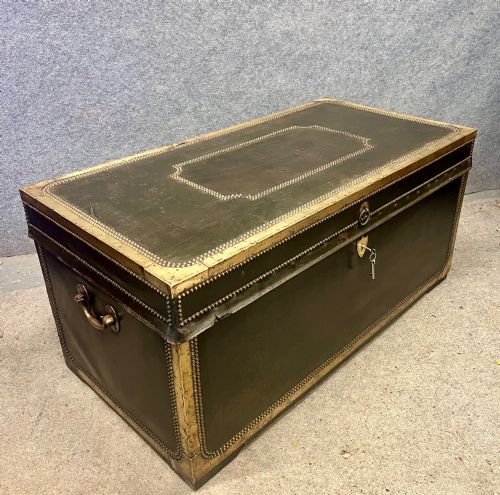
Cabinetmakers utilised dense timbers like mahogany, rosewood, and camphor wood for structural durability, often employing fine veneers and brass inlay to elevate domestic pieces. Campaign furniture utilised robust brass corners and flush handles to withstand long journeys.
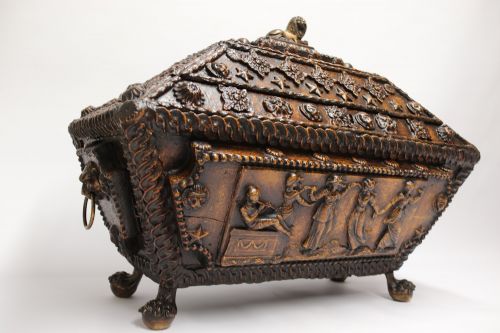
Alternative materials include turned laburnum and fruitwood for treen, papier-mâché for moulded snuff boxes, and sheet silver or gold mounts for precious containers. Painted surfaces on pine chests and gesso decoration on caskets display regional decorative traditions.
Early 19th Century Box Retail Price Guide 2026
Typical asking prices for early 19th century box among the pieces listed under this phrase on Sellingantiques today, from the lower quarter to the upper quarter. They describe what is for sale here now, not the wider market.
Recorded periods span Georgian, Regency, Victorian, and the wider nineteenth century.
What varies in quality
Construction integrity separates standard utility items from elite workshop commissions, visible in the precision of dovetail joints, the symmetry of brass inlay, and the retention of original interior fittings. Superior pieces maintain their structural stability without major timber shrinkage or replaced hardware.
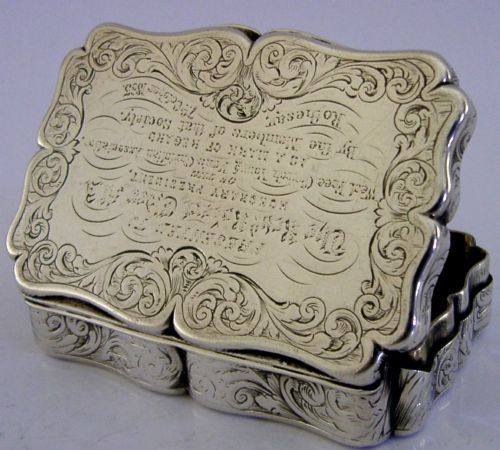
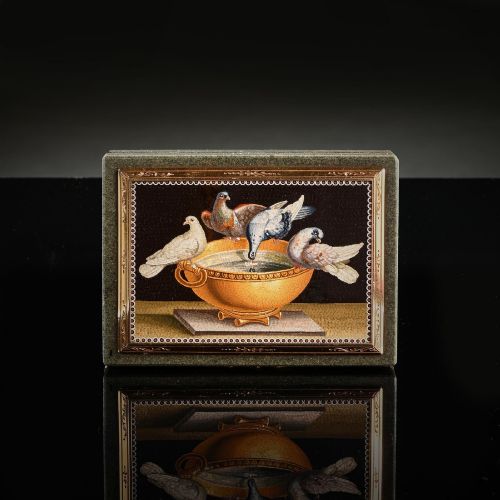
Artistic execution on decorative surfaces marks another distinction, ranging from simple painted pine finishes to intricate micromosaic panels, detailed tortoiseshell work, or finely engraved silver hallmarks. The survival of original paint, gilding or leather linings influences the overall character of each container.
Gioacchino Barberi·Pietro Bracci·L Casella And Co·Verwood Pottery
The Early 19th Century Box Glossary
- Tea caddy
- A small lidded box designed for storing loose tea leaves, often fitted with internal compartments and a lock. These containers protected expensive commodities in the Georgian household.
- Campaign chest
- A sectional trunk constructed in parts with flush brass mounts and carrying handles for military transport. Officers utilised these sturdy chests during overseas campaigns.
- Teapoy
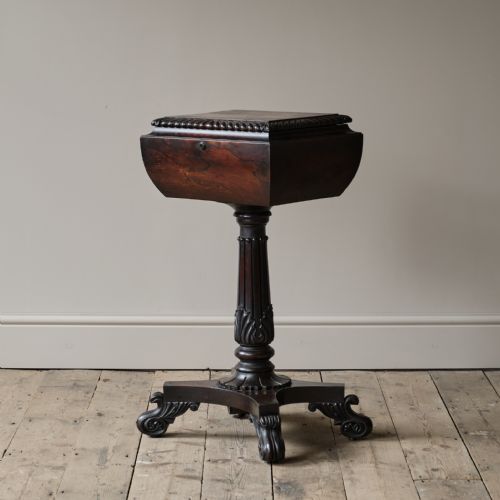
- A pedestal table featuring a lidded box on top for storing tea, typically positioned near the fireplace. Regency examples frequently showcase elaborate rosewood and brass inlay.
- Treen
- Small handmade wooden domestic objects fashioned by turning or carving. Collectors prize early treen items for their tactile patination and historical utility.
Early 19th Century Box: Frequently Asked Questions
How were tea caddies used?
Tea caddies stored valuable leaves under lock and key in the Georgian home, as tea was an expensive commodity. Servants usually dispensed the leaves rather than leaving them accessible.
Interior compartments often separated green and black teas, sometimes featuring a central glass mixing bowl for blending.
What is a campaign chest?
A campaign chest is a modular storage trunk built in stacked sections with flush brass handles for military travel. British officers transported these durable cases across empire postings.
Removable feet and corner brackets protected the timber from rough handling during transit.
How do I identify Regency boxes?
Regency boxes display classical architectural influences with dark timbers, brass stringing, and geometric mounts. Makers favoured rosewood and mahogany with restrained, symmetrical brass ornamentation.
Foot forms often include paw feet or brass ball configurations characteristic of the early nineteenth century.
What is treen?
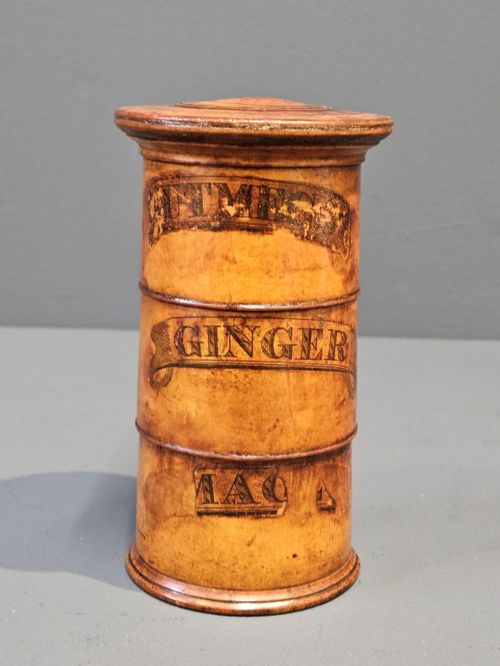
Treen refers to small, functional wooden objects shaped by turning on a lathe or hand-carving. Items include spice towers, snuff boxes, and small cups.
Frequent handling creates a warm surface gloss known as patination over decades of use.