

Early 18th Century Drawers
Early 18th century drawers represent the height of domestic storage, combining fine cabinet-making with domestic utility for daily living.
Early 18th Century Drawers
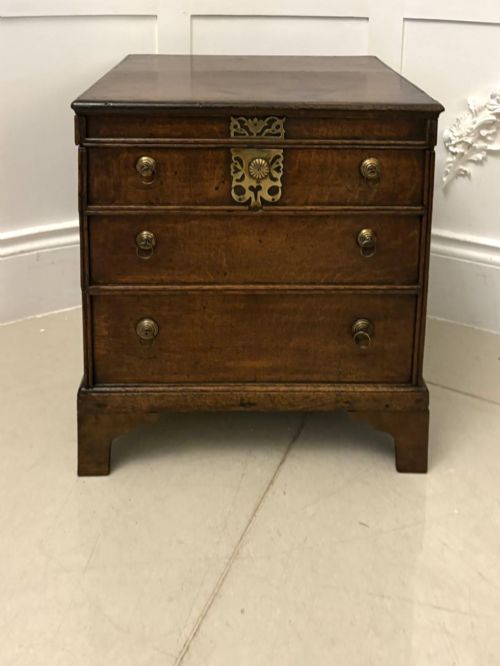
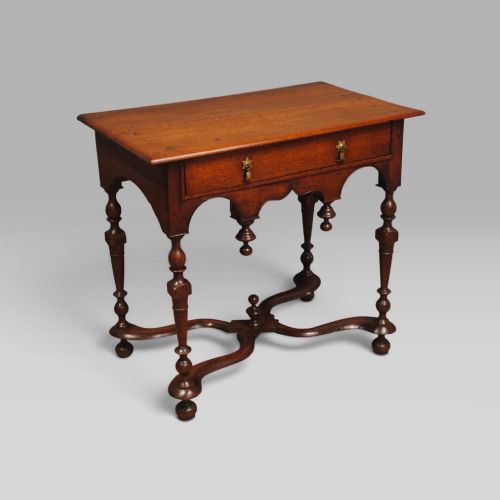
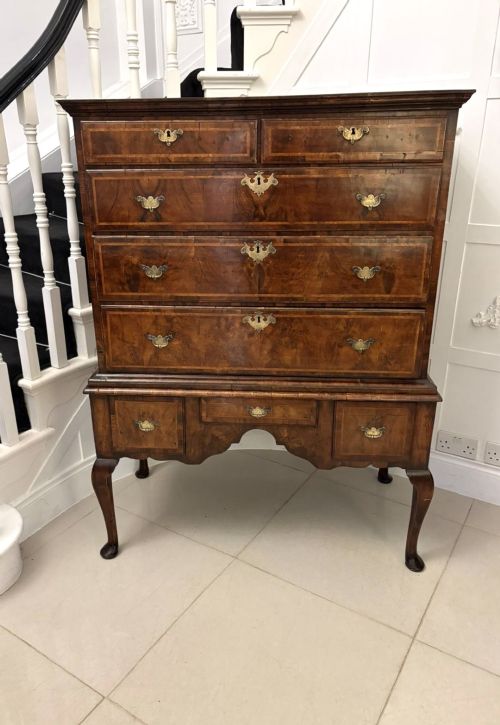
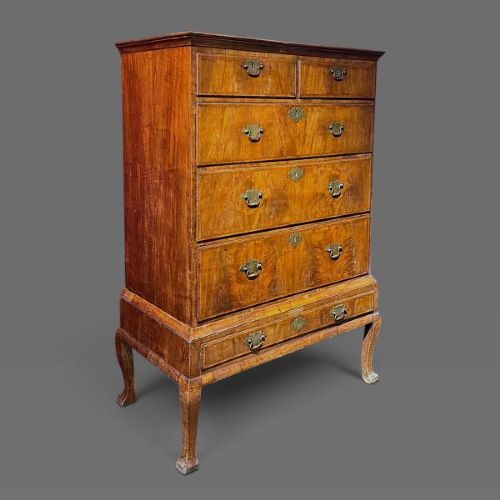
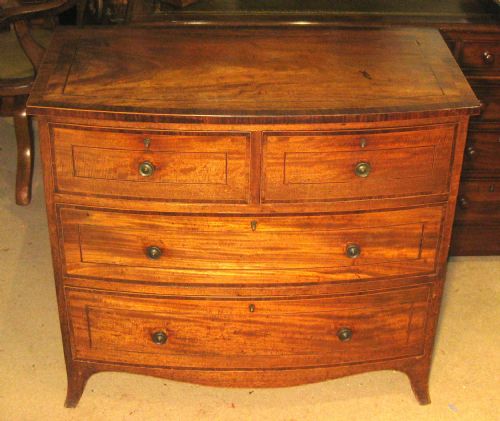
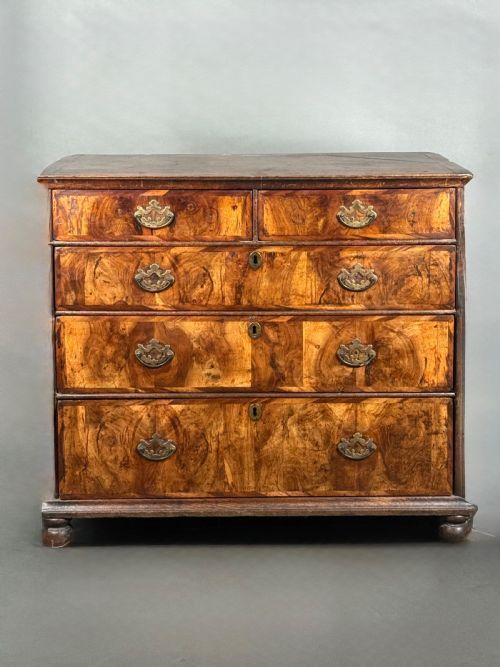
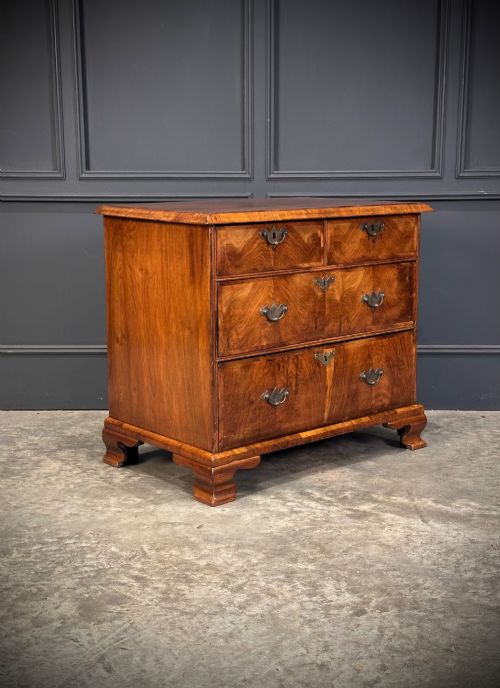
Early 18th century drawers encompass chests of drawers, lowboys, writing desks, and bureau bookcases spanning the Queen Anne, George I, and early Georgian periods. These pieces provide functional storage through modular drawer arrangements while displaying the proportions characteristic of the era.
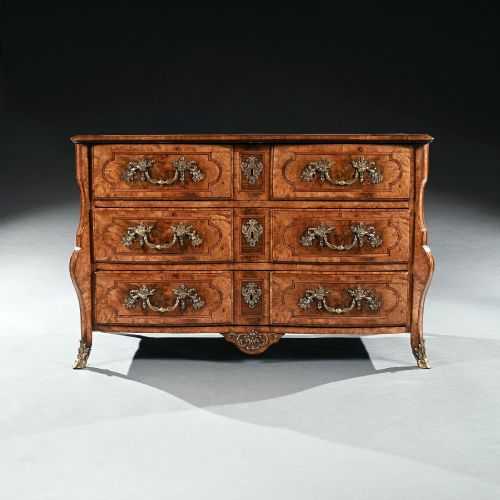
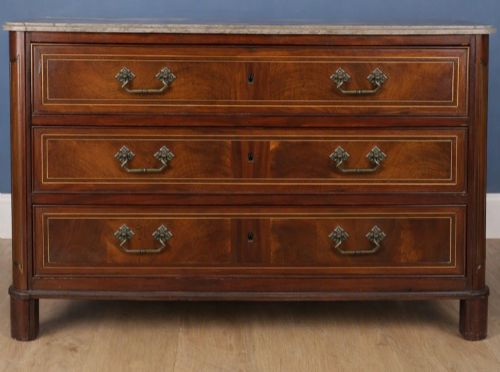
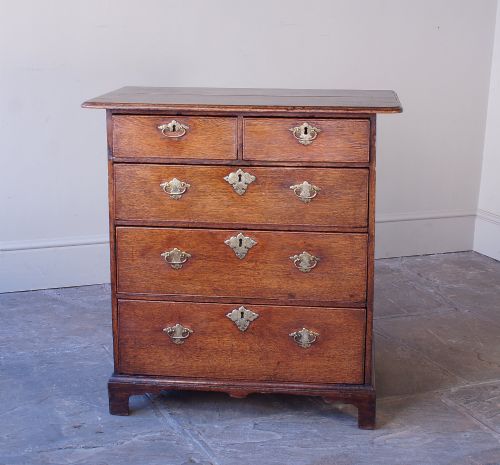
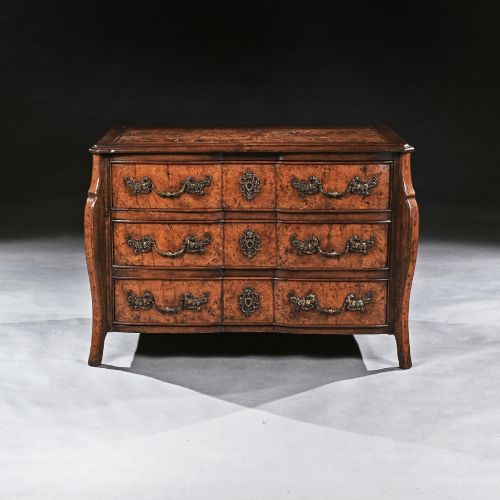
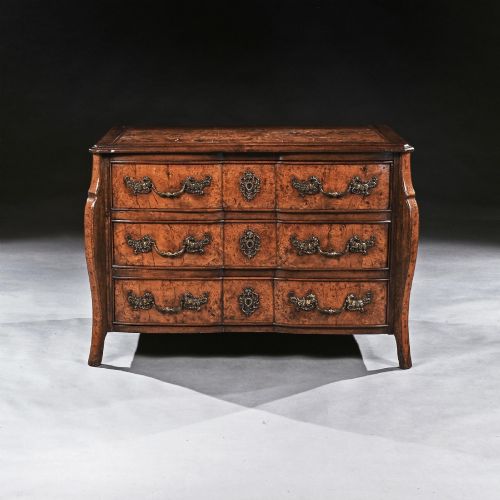
The walnut chest of drawers dominates the selection, frequently appearing in figured or burr veneers alongside solid oak alternatives. Buyers encounter regional English work alongside French provincial commodes and bureau formats.
Forms extend beyond simple chests to include complex configurations on stands, tallboys, and escritoires. Each variant addresses specific household storage needs ranging from linen keeping to correspondence.
Construction and Materials
Cabinet makers utilised native oak for robust structural framing, drawer linings, and early provincial pieces. Walnut and burr walnut veneers were applied over pine or oak carcases, secured with animal glues and arranged to display symmetrical grain patterns.
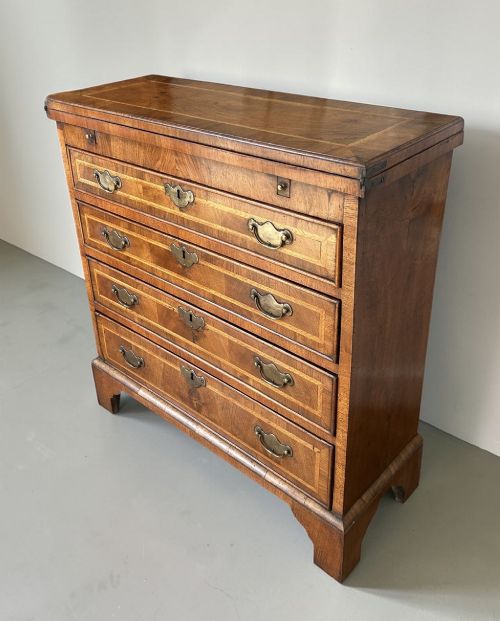
Surfaces frequently incorporated decorative banding such as herringbone inlay, crossbanding, and geometric mouldings. Brass hardware, including teardrop handles and engraved backplates, was cast and fitted by hand to secure the drawer fronts.
Several chests arrive with sliding top panels designed to conceal secret compartments from prying household eyes.
Judging Quality
Quality rests in the selection of timber veneers and the continuity of grain across the drawer fronts. Superior examples maintain original surface patination and retain their initial brass furniture and underlying timber framework.
Construction methods distinguish high-grade workshops from regional production, visible in the precision of dovetail joints, internal oak drawer construction, and the integrity of crossbanded borders. Alterations to stands, handles, or feet alter the architectural balance established by the original maker.
Thomas Hache of Grenoble
The Early 18th Century Drawers Glossary
- Burr walnut
- A veneer sliced from walnut tree growths, producing an intricate swirling pattern. This timber was favoured for high-status cabinet fronts during the early 18th century.
- Herringbone banding
- A decorative inlay made of small veneer strips arranged in a V-shaped zig-zag pattern. Craftsmen used this technique to frame drawer perimeters and top surfaces.
- Lowboy
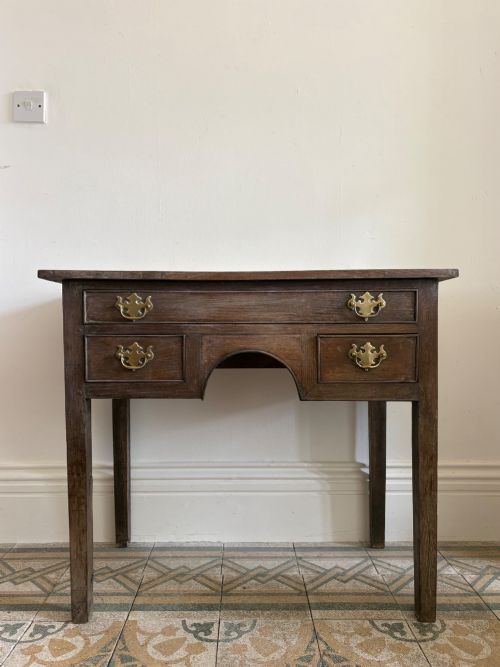
- A small low table equipped with one or more rows of drawers, commonly used as a dressing table or side table. These pieces share the cabriole legs and stylistic traits of contemporary chests.
- Chest on stand
- A two-part form consisting of a primary drawer chest elevated on a separate frame with legs. This configuration lifted the storage space and created lighter visual proportions.
- Escritoire
- A writing cabinet featuring a fall-front flap that opens to reveal internal compartments and smaller drawers. These hybrid storage items served domestic administrative duties.
Early 18th Century Drawers: Frequently Asked Questions
How do I identify walnut veneers?
Walnut veneers appear as thin sheets applied to secondary woods like oak or pine to create decorative patterned surfaces. Close inspection reveals natural grain shifts and occasional period repairs along the edges.
Early pieces utilise walnut for its rich brown colour and figured movement, which differs significantly from later solid timber furniture.
What is a bureau bookcase?
A bureau bookcase combines a sloping writing flap over drawers with an upper enclosed shelving section. These dual-purpose units housed books and writing materials within domestic parlours.
The lower section provides the standard drawer storage associated with early 18th century forms.
Where were oak chests made?
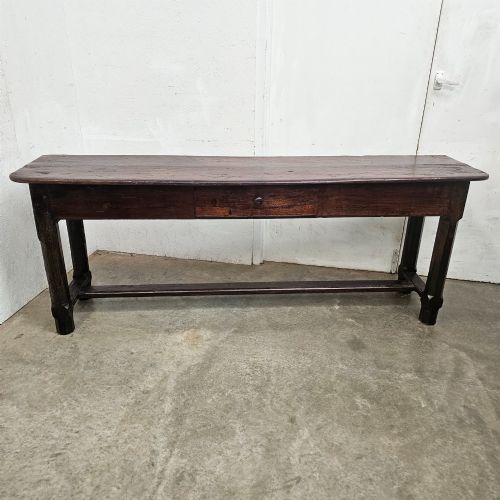
Oak chests of this period were constructed across English regional workshops, including East Anglia, utilising locally sourced timber. Provincial makers relied on solid construction and geometric mouldings rather than decorative veneers.
These robust pieces served utilitarian household functions while maintaining traditional regional joinery techniques.
How do I care for antique walnut?
Maintaining antique walnut involves keeping pieces away from direct heat sources and fluctuating humidity levels to protect the underlying veneers. Regular dusting with a dry cloth preserves the historical polish without stripping the surface.
Avoid modern silicon polishes, allowing the timber to retain its natural appearance over decades of use.