



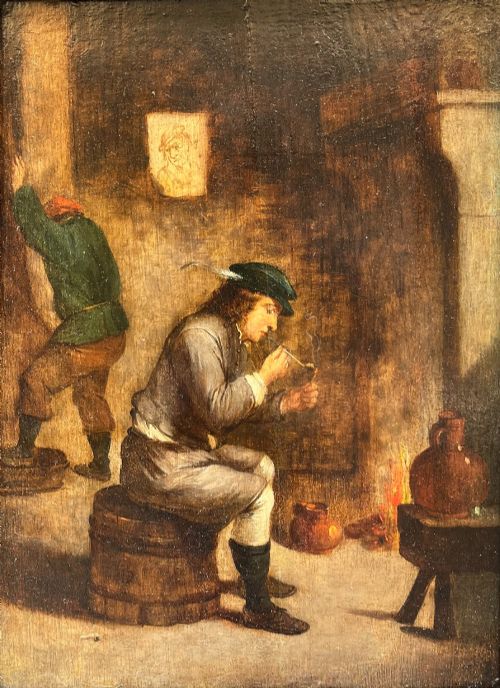
Dutch Golden Age Art
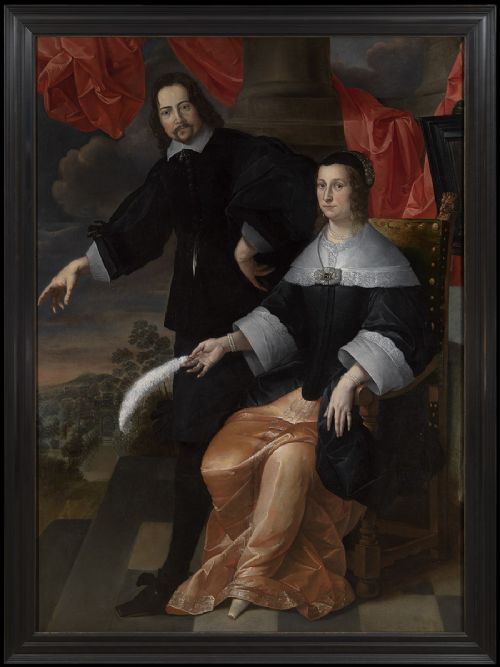
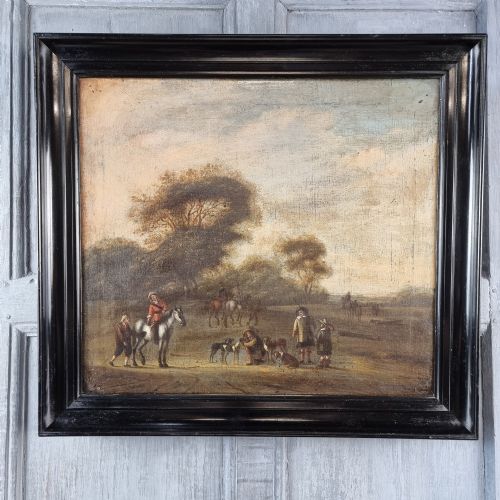
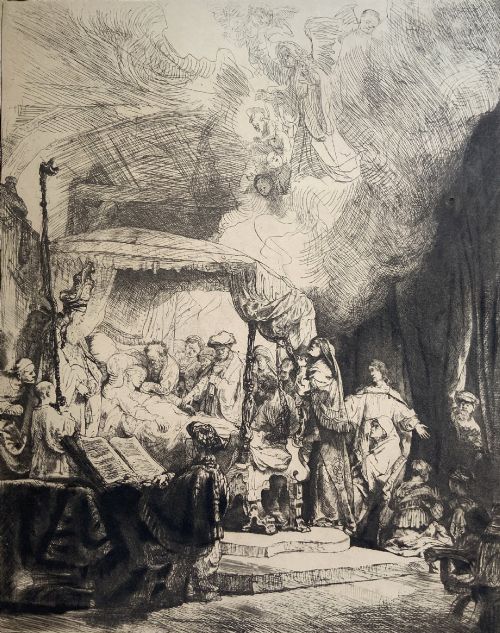
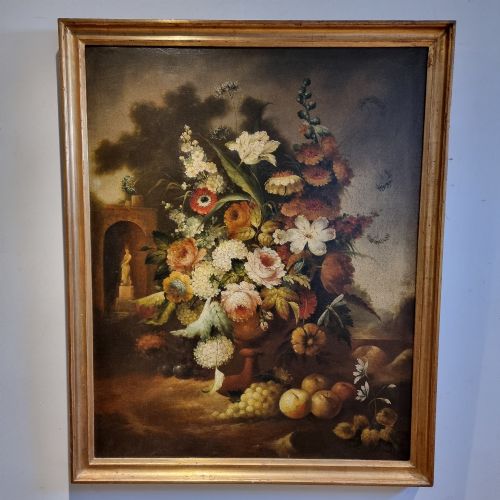
Dutch golden age art brings seventeenth-century life into your room through oil on panel and canvas.
Understanding dutch golden age art
When you search for dutch golden age art, you encounter oil paintings and fine art panels that capture seventeenth-century subjects, interiors, and portraits. These works span periods from the seventeenth century and eighteen hundred through to Regency, Victorian, and nineteenth-century interpretations.
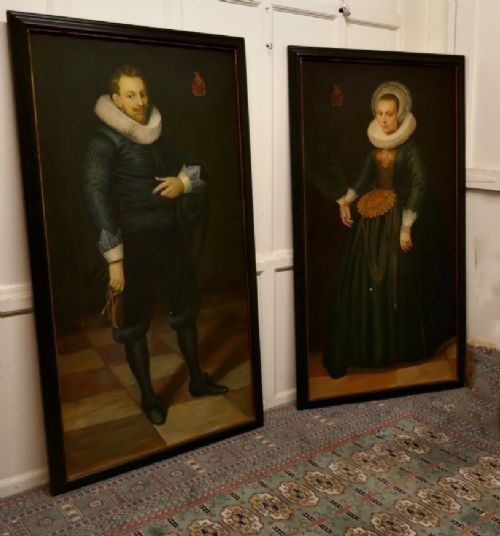
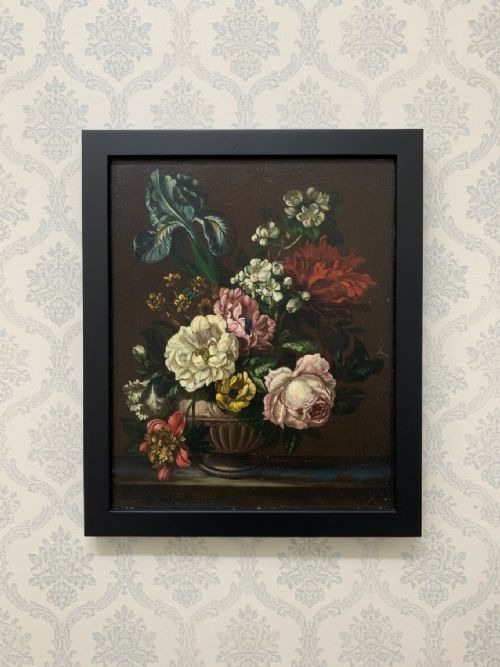
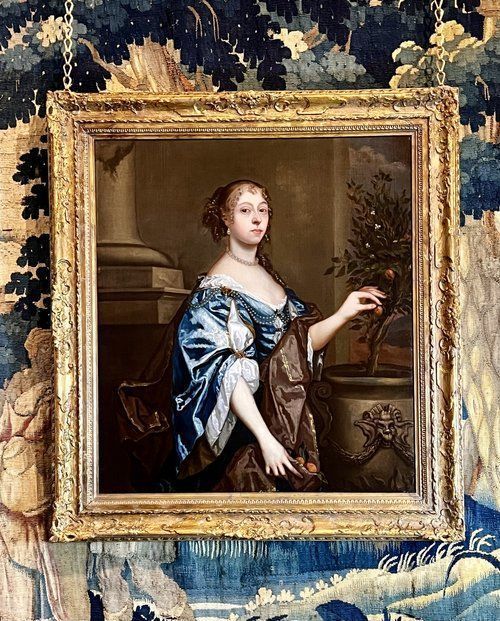
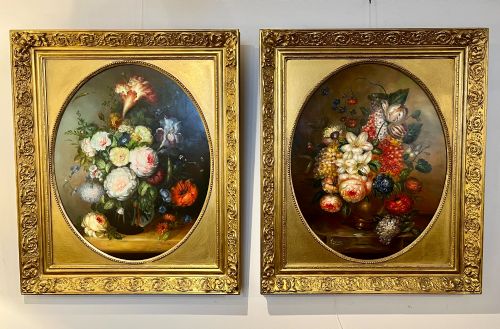
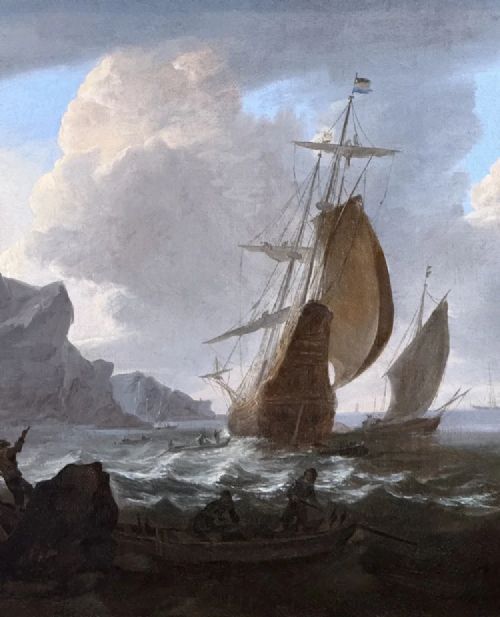
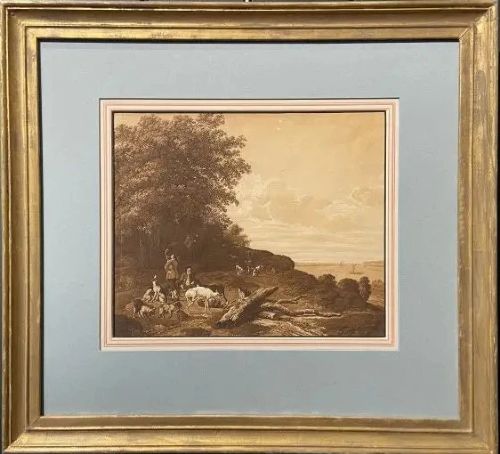
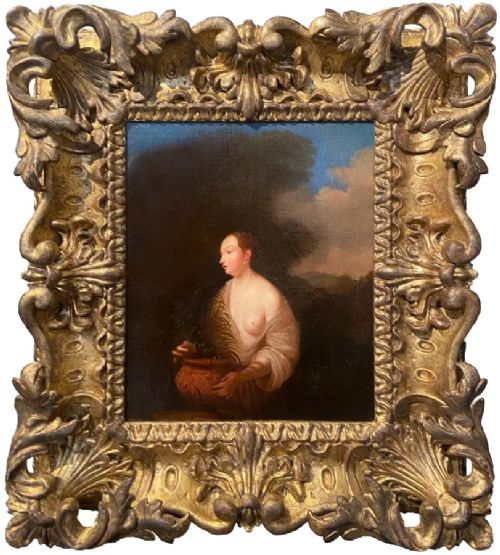
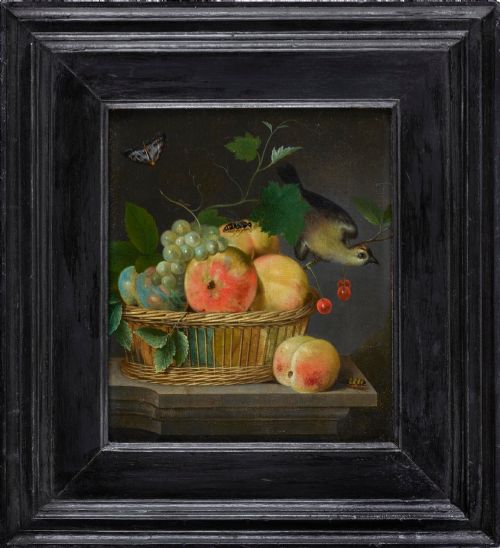
The pieces on this page include antique Dutch school still life works, nocturnal portraits after Godfried Schalcken, and paintings by circles of makers such as David Teniers, Jan Cossiers, Reinier de la Haye, and Jan Steen. They present historical scenes, peasants merrymaking, and individual character studies framed in timber and giltwood.
Materials and methods
Makers utilised oil paint applied to wooden panels and canvas supports to build rich surfaces. These paintings often sit within timber frames and giltwood surrounds that complement the depth of the pigments.
The technique relies on layered oil applications to capture light and shadow, particularly visible in nocturnal scenes and interior genre pieces. Wood panels provide a rigid foundation while canvas allows for larger expansive compositions.
Retail Price Guide 2026
Typical UK retail prices for dutch golden age art, calculated from the Sellingantiques database of over a million retail prices indexed since 2003. This retail price guide relies exclusively on Sellingantiques data; no external sources or auction records are used, so the figures do not describe the wider market.
Listings feature oil paintings on wood panel and canvas from the seventeenth century, Regency, Victorian, and nineteenth-century periods.
Assessing quality
The distinction between works rests on the handling of paint and the fidelity to period execution, moving from direct seventeenth-century output to later nineteenth-century interpretations and works after established masters. Handling of light, particularly in nocturnal or interior settings, dictates the visual power of the piece.
Framing also influences the character of the object, with period timber and gilt frames adding appropriate context to the oil painting within. The closeness of a work to a master's circle shapes its standing among collectors of fine art.
David Teniers·Godfried Schalcken·Jan Cossiers·Reinier de la Haye·Jan Steen
The Dutch Golden Age Art Glossary
- Oil on panel
- A painting executed on a wooden support rather than fabric. This method was favoured in the seventeenth century for its smooth surface and durability.
- Giltwood
- Timber carved and coated with gold leaf or gilt finish. Frames of this material frequently house fine art oil paintings from various periods.
- Genre painting
- Artwork depicting scenes from everyday life, ordinary people, and domestic interiors. Works by circles of Jan Steen often focus on this subject matter.
- Nocturnal
- A painting set at night or relying on artificial light sources like candles or lanterns. These compositions demand skilled handling of shadow and illumination.
Frequently Asked Questions
What is dutch golden age art?
Dutch golden age art comprises oil paintings on wood panel and canvas depicting portraits, still life, and interior scenes. These works originate from the seventeenth century and later nineteenth-century revivals.
The pieces capture historical domestic life and portraiture through traditional oil paint techniques. They offer a direct link to historical European painting traditions.
How do I hang an oil painting?
Secure hanging requires fixings appropriate for the weight of the timber frame and the wall construction. Position the artwork away from direct sunlight and sudden temperature changes.
Good placement protects both the oil paint surface and the wooden panel or canvas support. Proper lighting enhances the depth of nocturnal and interior scenes.
Are these paintings from the seventeenth century?
The selection includes works from the seventeenth century alongside later pieces dated to eighteen hundred, Regency, Victorian, and nineteenth-century periods. Some items are later interpretations or works after named masters.
Examining the panel, canvas, and framing helps identify the specific period of production. Each listing details the associated timeframe for clarity.
What frames come with these art pieces?
Many paintings are housed in timber frames and giltwood surrounds that complement the era of the artwork. These frames vary from simple wooden profiles to ornate gilt designs.
The frame provides structural protection for the panel or canvas edge while framing the composition. Original or period-appropriate framing enhances the overall presentation.