

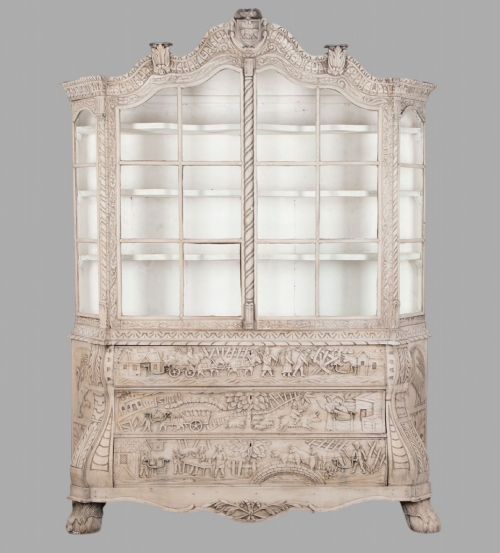
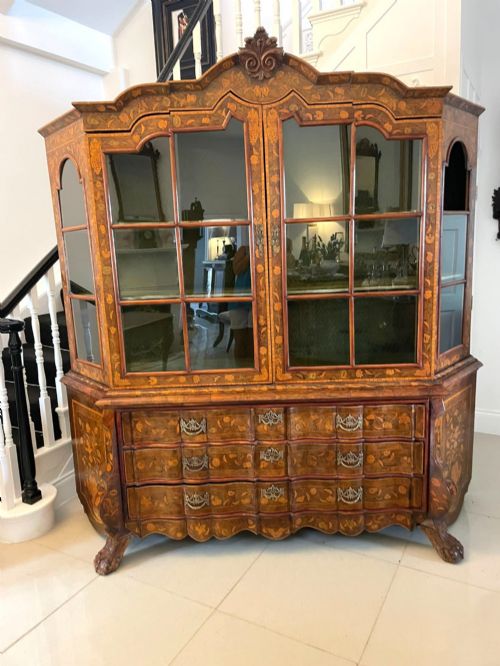
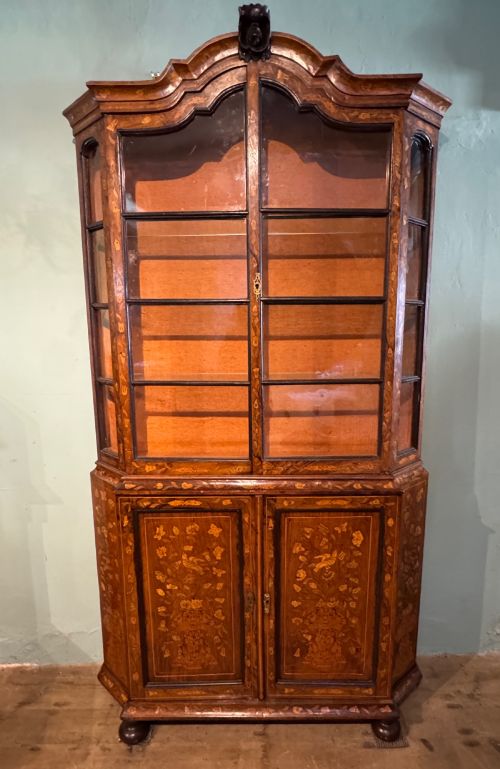
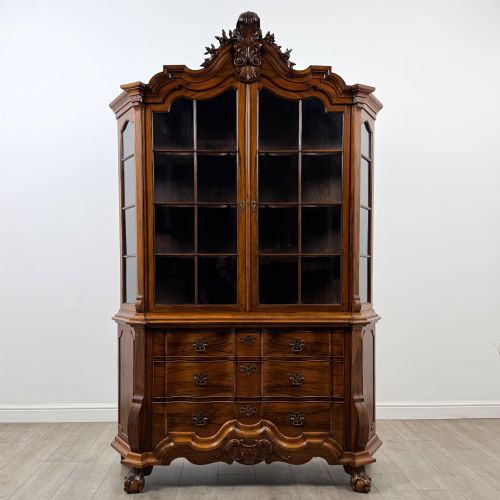

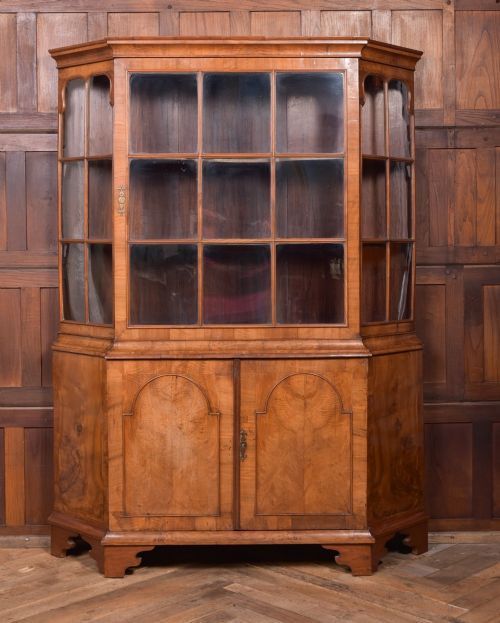

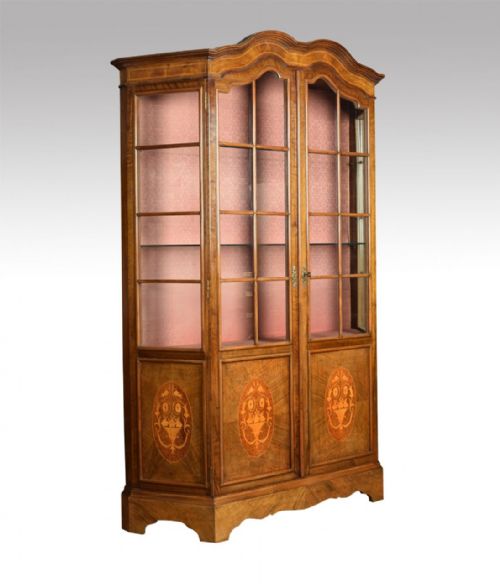
Dutch Glazed Vitrine
A dutch glazed vitrine brings together fine cabinetmaking, floral marquetry and glass display space from centuries of European craftsmanship.
Dutch Glazed Vitrine
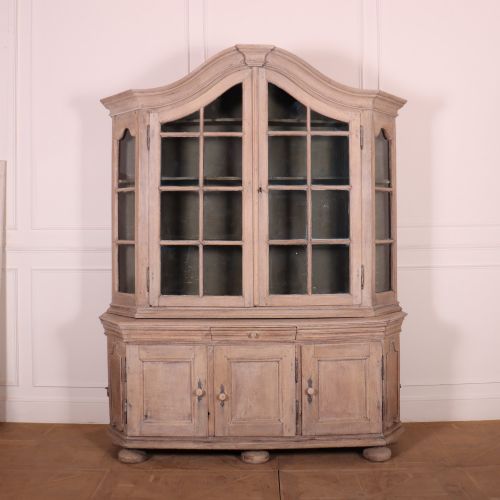
A dutch glazed vitrine takes the form of a display cabinet, corner cabinet or wall cabinet designed to hold and show precious objects. When searching for a dutch glazed vitrine, buyers encounter examples ranging from 18th century pieces to later revivals.
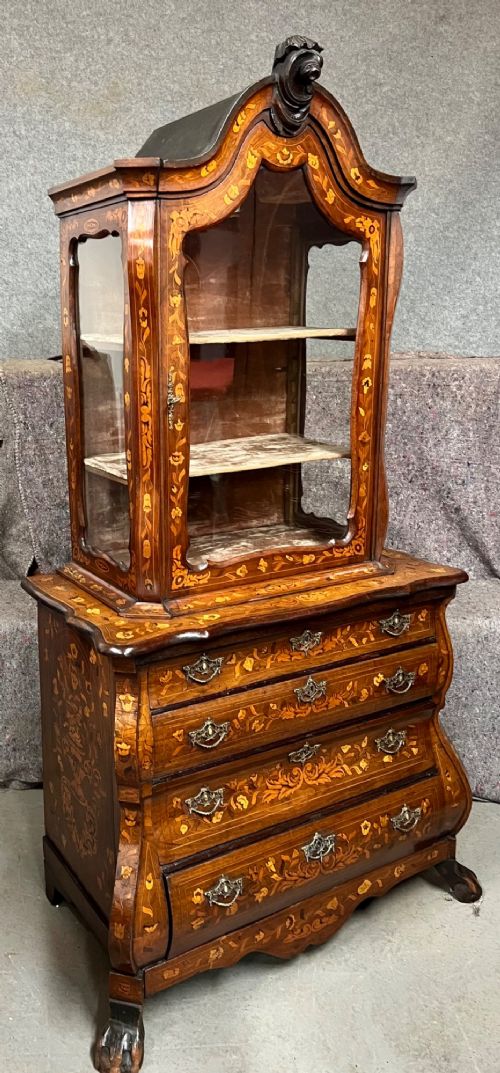
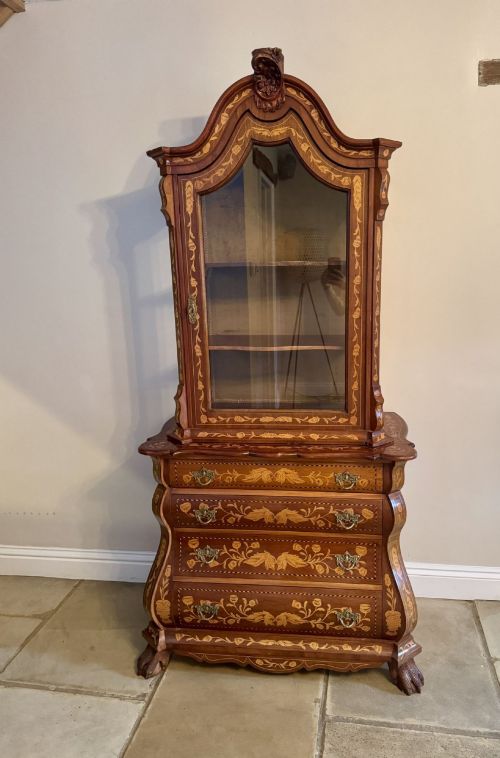
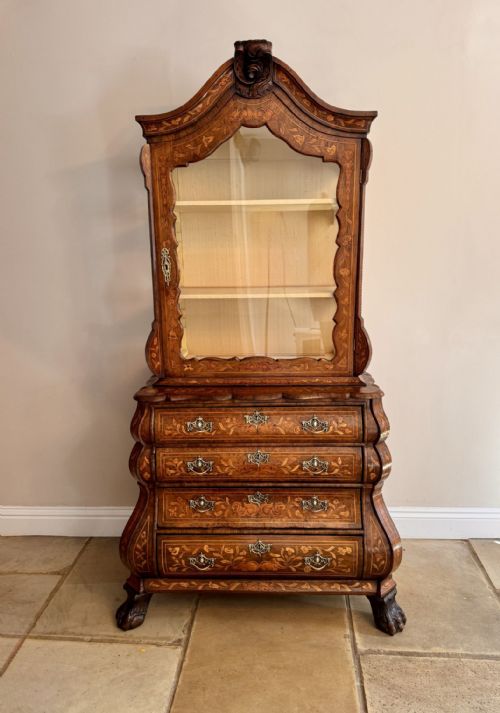
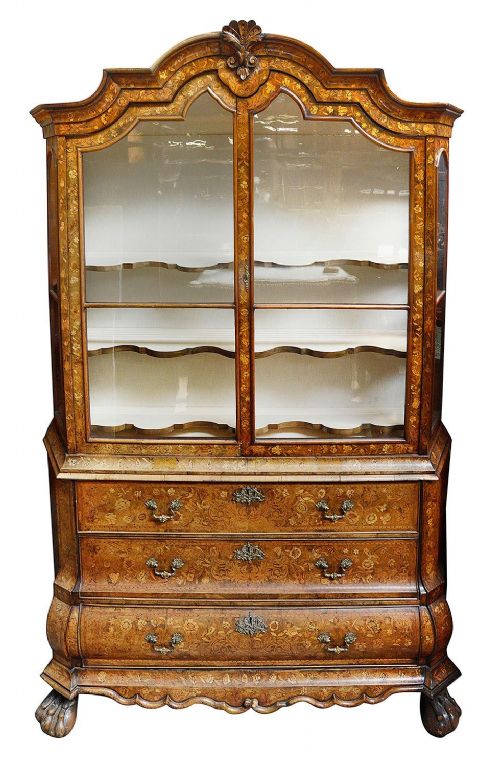
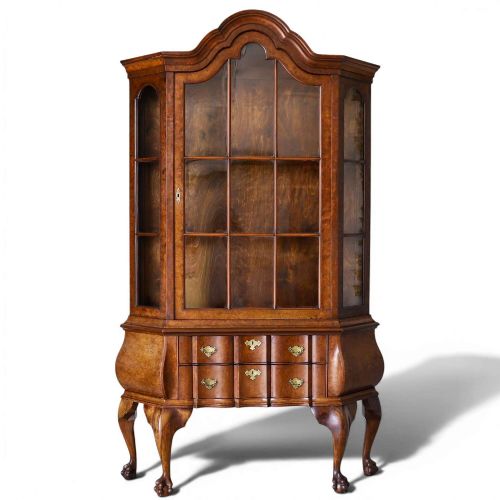
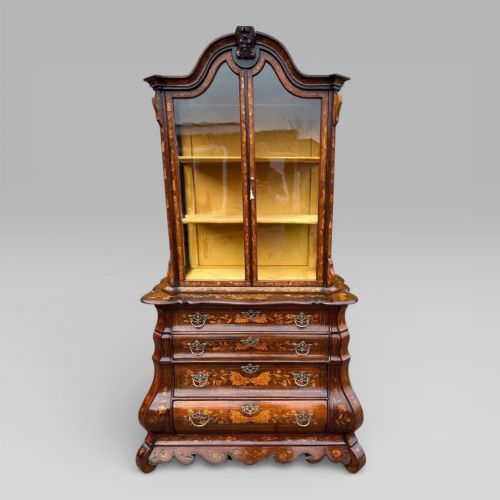
Many of these cabinets feature a glazed upper section combined with a lower chest or cupboard base. The lower section often displays a distinct bombe profile, swelling outward toward the feet.
Origins stretch across the 18th century, 19th century and early 20th century, encompassing styles such as Dutch Baroque, Rococo and country vernacular. Cabinetmakers built these tall storage pieces to house porcelain, silver and curiosities.
How they were made
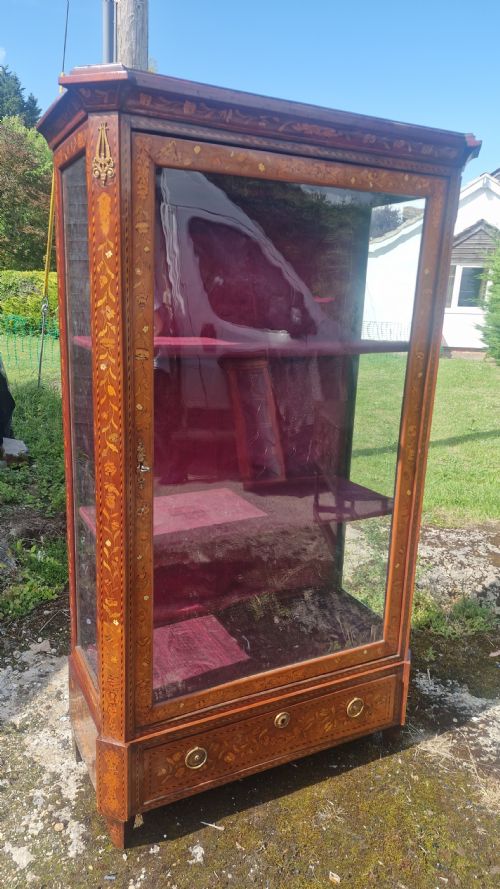
Craftsmen built these cabinets using a foundation of solid oak, walnut or fruitwood, applying fine veneers across the visible exterior surfaces. Marquetry inlay, utilising floral and bird motifs in various woods, covers the panels of many examples.
The characteristic bombe shape required skilled joinery to curve the wooden stiles and drawers outward without compromising structural integrity. Glazed upper doors incorporated hand-blown glass panes held within slender timber framing bars.
Dutch Glazed Vitrine Retail Price Guide 2026
Typical asking prices for dutch glazed vitrine among the pieces listed under this phrase on Sellingantiques today, from the lower quarter to the upper quarter. They describe what is for sale here now, not the wider market.
Listings feature walnut, burr walnut, oak, fruitwood and satinwood materials across 18th century to 1930s periods.
What varies in quality
The precision and detail of the marquetry inlay set individual cabinets apart, with finer pieces displaying intricate floral shading and diverse timber species. The depth and execution of the bombe contouring also dictate the sculptural success of the base.
Originality of the glass panes, brass hardware and surface patina heavily influence the standing of each cabinet. Finer examples retain their balanced proportions and crisp carved ornamentation across the crown and feet.
Edwards & Roberts
The Dutch Glazed Vitrine Glossary
- Bombe
- A swelling, convex furniture shape that curves outward toward the base. This contour requires advanced woodworking techniques.
- Marquetry
- Decorative veneer work arranged in pictorial patterns using different coloured woods. Artisans cut floral and foliage designs to adorn cabinet doors and drawer fronts.
- Vitrine
- A glass-fronted cabinet designed for displaying objects. These display cases protect contents while allowing visibility from multiple angles.
- Veneer
- A thin layer of fine wood applied to a secondary timber base. Walnut and burr walnut serve as primary veneer choices on these cabinets.
Dutch Glazed Vitrine: Frequently Asked Questions
What is a dutch glazed vitrine?
A dutch glazed vitrine is a tall display cabinet featuring glass doors and often a shaped lower storage base. These cabinets originated in the Netherlands to showcase valuable porcelain and decorative items.
Craftsmen constructed them primarily from walnut, oak and fruitwood, frequently decorating the surfaces with intricate marquetry. They serve as both storage furniture and decorative focal points in a room.
How do I date a dutch glazed vitrine?
Dating relies on examining the construction methods, timber choices, hardware and stylistic details present in the piece. 18th century examples often feature hand-cut dovetails, distinct walnut figuring and traditional floral marquetry.
Later 19th century and revival pieces might display machine-sawn elements or standardised brass fittings. Comparing the secondary woods inside the drawers provides further clues to the period of manufacture.
Where should I place a vitrine?
These cabinets suit dining rooms, living spaces or hallways where their glass fronts can display collections safely. Positioning them away from direct sunlight protects the timber veneers and internal contents from fading.
Due to their height and substantial construction, particularly those with bombe bases, securing them properly to a wall ensures stability.
What is the difference between a vitrine and a corner cabinet?
A standard vitrine stands flat against a wall with a rectangular footprint and front-facing glass panels. A corner cabinet uses an angled design specifically built to fit directly into the corner of a room.
Both types utilise glazed doors for display purposes, but their spatial requirements differ significantly within an interior setting.