


Antique Inlaid Bookcase
An antique inlaid bookcase brings refined timber and intricate contrasting woodwork together to hold a library in style.
Antique Inlaid Bookcase
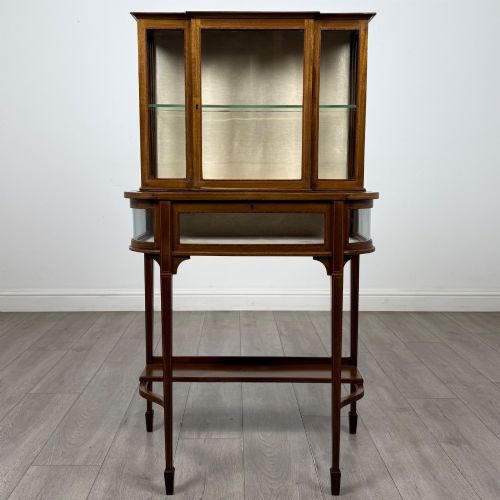
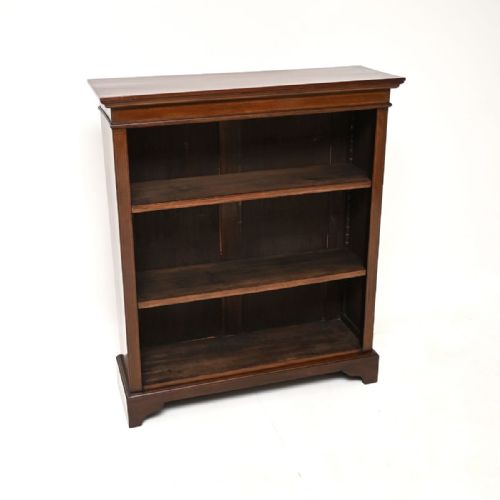
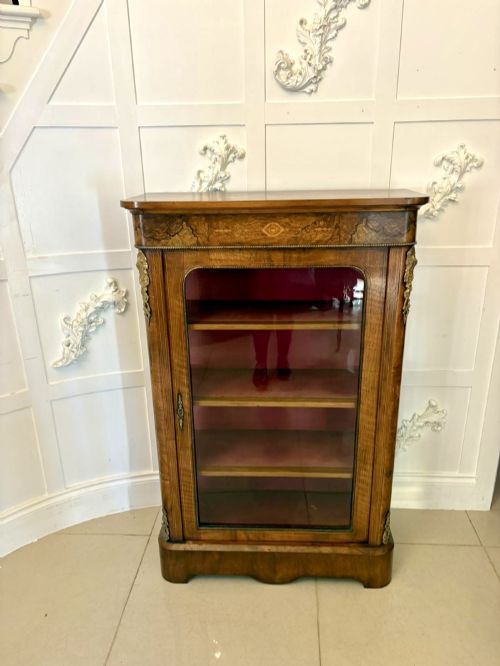
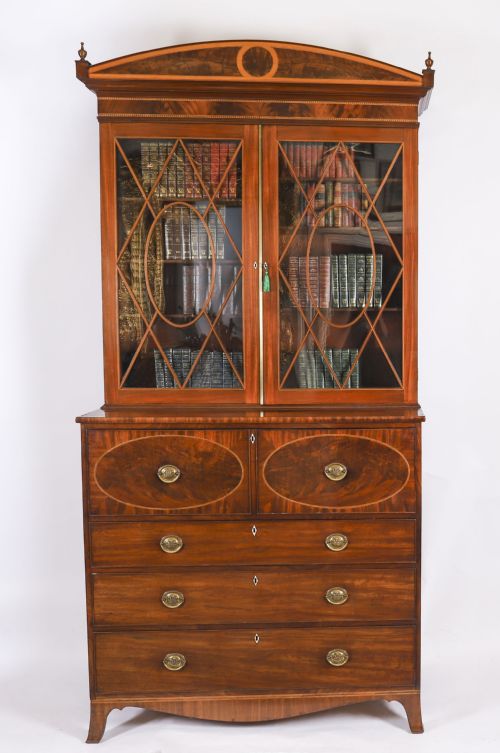
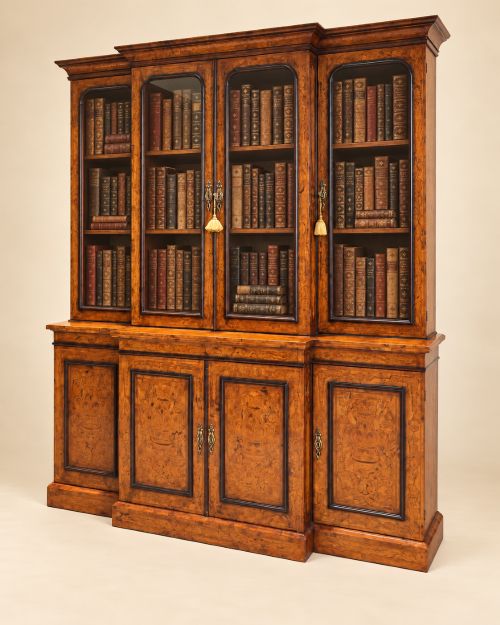
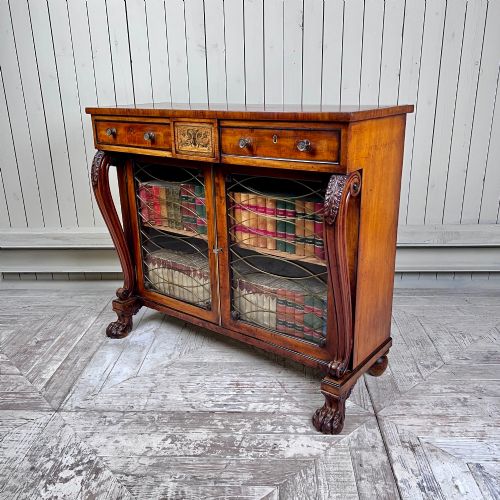
An antique inlaid bookcase brings together structured shelving and decorative surface patterns created through contrasting woods. Buyers searching this phrase encounter variations spanning open shelf units, bureau bookcases with drop fronts, and glazed display cabinets.
The pieces on this page originate predominantly from the nineteenth and early twentieth centuries. Victorian and Edwardian examples in mahogany and walnut appear frequently, alongside earlier Regency and Georgian forms.
Materials and Construction
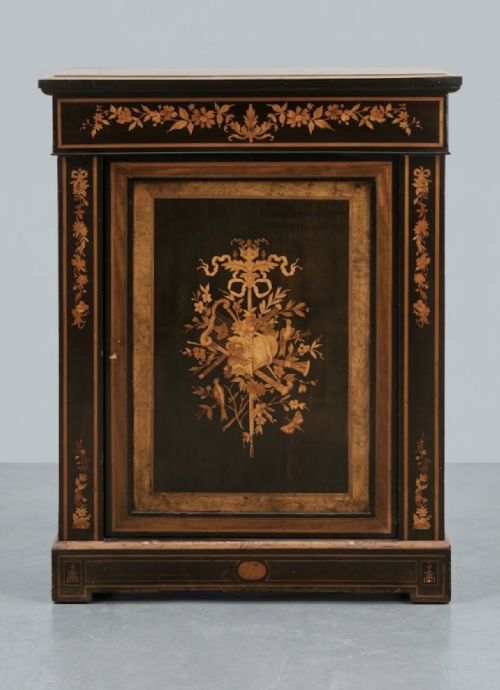
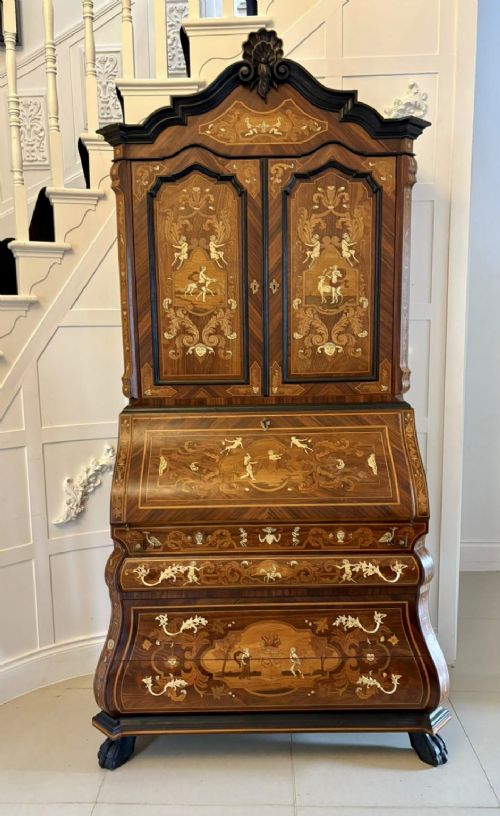
Cabinet makers utilised dense hardwoods such as mahogany, walnut, and rosewood for the primary carcass and framing. Surfaces then received delicate contrasting insertions of satinwood, ebony, and brass to form linear borders or pictorial marquetry.
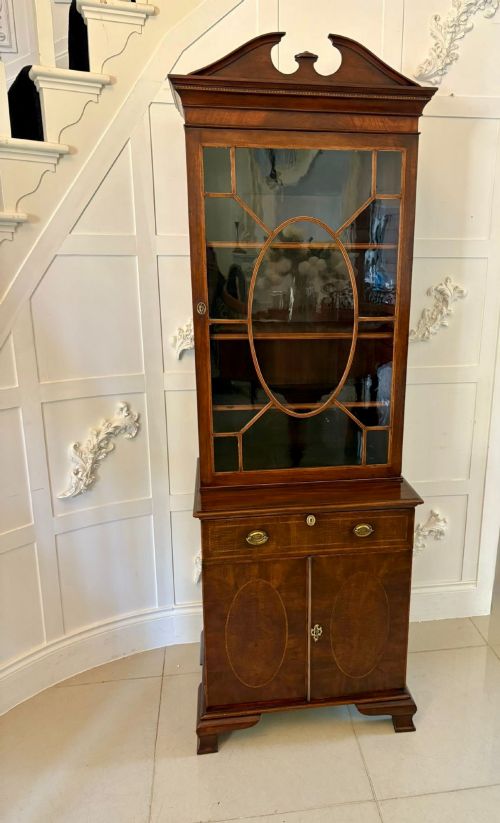
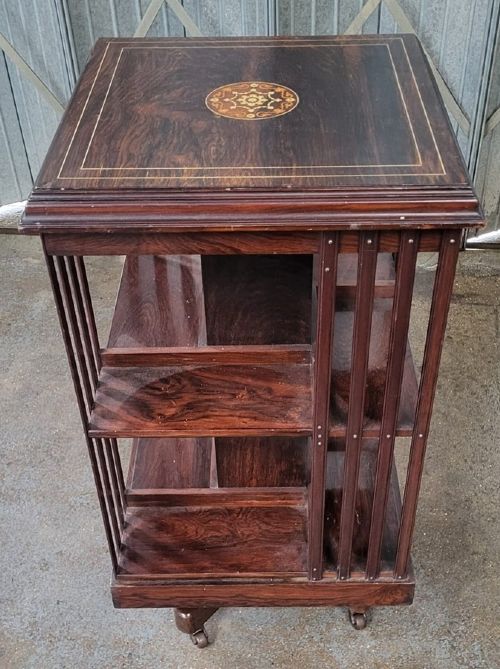
Glazing bars divided glass door panels into geometric panes, while revolving designs relied on internal timber mechanisms to allow smooth rotation of the tiers.
Revolving bookcases let readers spin an entire library around with a single gentle push.
Distinctions in Standard
The level of craftsmanship reveals itself in the precision of the timber joins and the complexity of the surface decoration. Simpler linear stringing contrasts with elaborate floral marquetry and figural veneers.
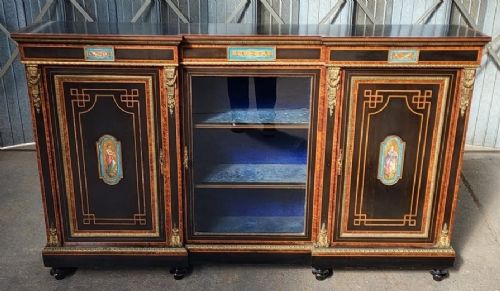
Additional hardware elements, such as cast brass feet or hand-chased ormolu mounts, elevate the presentation of certain Victorian and Regency items above standard production.
Collinson & Lock·Edwards & Roberts
The Antique Inlaid Bookcase Glossary
- Marquetry
- Decorative woodwork where pieces of veneer are fitted together to form pictorial designs. This technique appeared frequently on fine Victorian and Edwardian cabinet doors.
- Bureau Bookcase
- A dual-purpose furniture form featuring a sloping fall-front desk compartment combined with upper shelving. These practical pieces offered workspace and storage within a single footprint.
- Satinwood
- A lustrous yellow-toned timber utilised for contrasting inlays and decorative stringing. It gained immense popularity during the Sheraton Revival period.
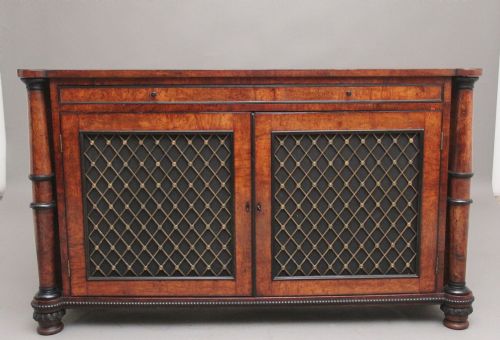
- Pier Cabinet
- A slender display piece designed specifically to stand against the wall space between windows. They often featured glazed doors and delicate ormolu mounts.
- Ormolu
- Gilded bronze used for decorative mounts and framing details on luxury nineteenth-century cabinets. It provided a rich metallic contrast against dark walnut and rosewood.
Antique Inlaid Bookcase: Frequently Asked Questions
How do I identify a Victorian bookcase?
Victorian examples often feature heavy timber construction in mahogany or burr walnut, frequently enhanced by rich marquetry or ormolu mounts. The proportions tend to be substantial and display darker natural wood tones.
Cabinet styles from this era range from glazed display pieces to robust bureau bookcases built for domestic libraries.
What is a revolving bookcase?
A revolving bookcase is a compact piece designed to sit on a floor or tabletop on a central pivot mechanism. This allows users to access multiple sides of stacked book storage within a small footprint.
Most surviving examples date from the Edwardian period and utilise inlaid mahogany or rosewood.
Where were bureau bookcases used?
These dual-purpose cabinets served as private writing desks and functional libraries in Victorian and Georgian drawing rooms or studies. The drop-front writing surface concealed small pigeonholes and drawers for correspondence.
Upper shelving protected bound volumes behind glazed timber doors while keeping reference materials visible.
How should I care for inlaid wood?
Maintain stable room humidity to prevent the delicate contrasting veneers from lifting or drying out over time. Avoid placing timber furniture in direct sunlight to protect natural polish finishes.
Apply gentle beeswax sparingly and buff with a soft cloth to preserve the surface sheen without damaging historic stringing.