
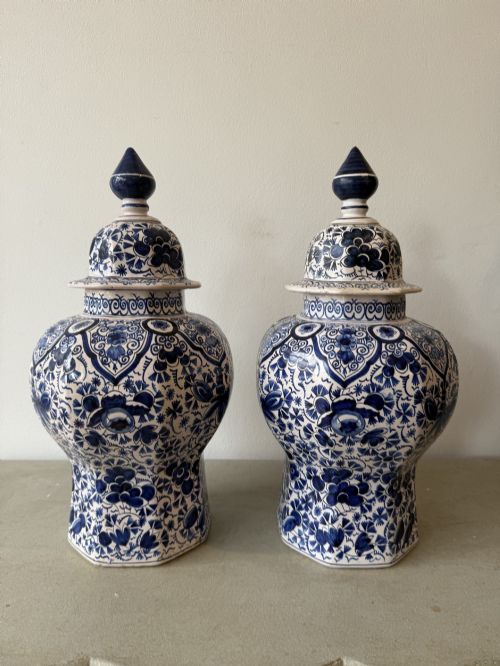


Dutch Delft Vase
A dutch delft vase brings blue-and-white earthenware tradition into a room, offering centuries of hand-painted character.
Dutch Delft Vase
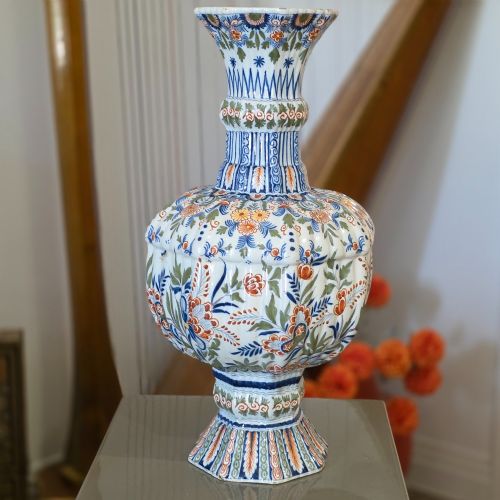
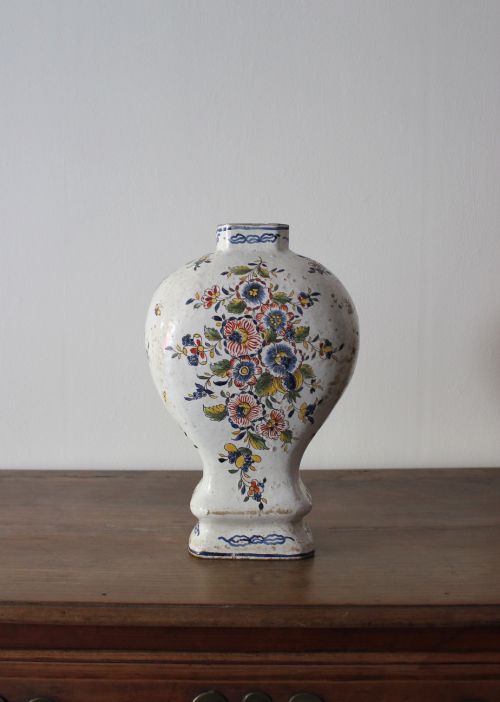
When searching for a dutch delft vase, a buyer encounters tin-glazed earthenware shaped into baluster forms, lidded jars, and beakers. The selection spans the seventeenth, eighteenth, and nineteenth centuries, with eighteenth-century examples appearing frequently alongside later nineteenth-century pieces.
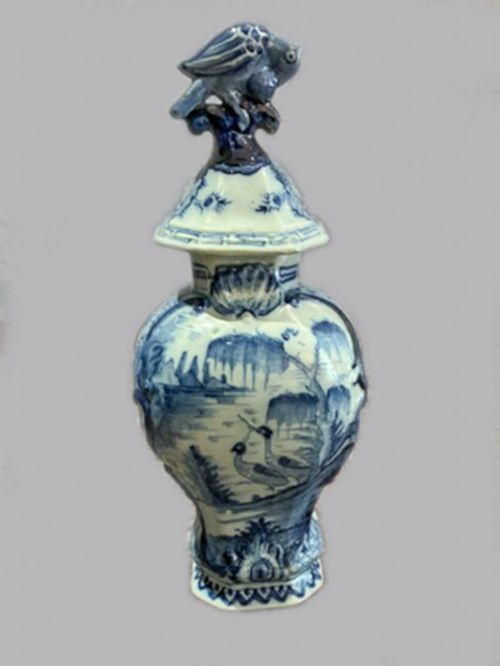
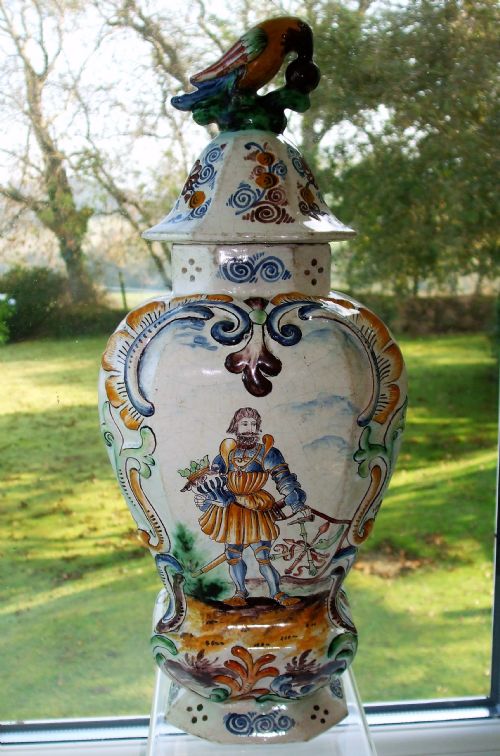
Forms range from simple decorative jugs and garden urns to massive pairs and garnitures designed for mantelpieces. Many vessels carry chinoiserie motifs, floral arrangements, or bird scenes painted in cobalt pigment or polychrome palettes.
Some historic bodies have undergone conversion into table lamps, adapting traditional earthenware to modern lighting while retaining their original ceramic character. Collectors also find lidded pieces and jars that mirror the shapes imported from East Asia during earlier trading periods.
How They Were Made
Potters shaped earthenware bodies on the wheel or pressed them into moulds to create ribbed beakers, gourds, and baluster vases. Once formed, the clay was fired to create a porous bisque ready for surface treatment.
Artisans applied an opaque tin glaze over the earthenware body, providing a smooth white background for painting. Cobalt pigment and polychrome colours were then brushed directly onto the raw glaze before a final firing fused the decoration into the surface.
Several heavy vases manage to sneak cheerful painted parrots and lions into traditional seventeenth-century blue-and-white floral scenes.
What Varies in Quality
The refinement of the painted brushwork distinguishes ordinary production from exceptional output. Pieces featuring detailed chinoiserie scenes, crisp bird motifs, and controlled cobalt painting demonstrate greater skill among period ceramicists.
The opacity and gloss of the tin glaze also influence visual success. A thick, even glaze without excessive pooling or crawling provides a superior canvas for the hand-painted decoration beneath.
3 BELLS Drie klokken Factory·De Grieka A·HATCHET FACTORY·Louis Victor
The Dutch Delft Vase Glossary
- Tin-Glazed Earthenware
- Pottery coated with a lead glaze made opaque by the addition of tin oxide. This surface allowed potters to paint fine blue-and-white designs directly onto the vessel.
- Chinoiserie
- European decorative art inspired by Chinese motifs and imagery. This style appears frequently on seventeenth and eighteenth-century pieces depicting figures, pagodas, and landscapes.
- Baluster
- A jar or vase form characterised by a rounded body that tapers toward the base and swells near the centre. It is among the most common shapes found in early Dutch pottery.
- Polychrome
- Decoration employing multiple colours rather than a single pigment. In these ceramics, this typically involves combinations of soft greens, yellows, reds, and blues alongside traditional cobalt.
- Garniture
- A set of matching vases or jars displayed together on a mantelpiece or cabinet. These groupings usually consist of three to five vessels in graduated sizes.
Dutch Delft Vase: Frequently Asked Questions
How do I date a delft vase?
Dating relies on stylistic shifts, potting techniques, and the evolution of glaze composition over time. Seventeenth-century examples often display tighter tin glazes and distinct chinoiserie drawing, while nineteenth-century pieces introduce heavier bodies and different manganese tones.
Examining the foot rim and the interior helps reveal the hand of earlier workshops. Comparing pieces against documented factory marks and known archives provides further chronological context.
Were these vases made to hold water?
Historic earthenware bodies and tin glazes are somewhat porous and can sweat or allow moisture to seep through over time. For this reason, period vessels were primarily decorative or used for dry potpourri and display.
Using a discreet glass insert allows a historic vase to hold fresh flowers safely without exposing the interior clay to standing water.
What is a garniture set?
A garniture is a matched set of three to five lidded and open vases designed for symmetrical display along a mantelpiece or cornice. Wealthy households imported and displayed these groupings to showcase status and taste.
Finding a complete surviving set from the period is uncommon, as individual pieces often became separated over centuries of inheritance.
How should I clean my vase?
Dusting with a soft, dry cloth is the safest way to maintain the tin-glazed surface. Avoid harsh commercial cleaners or soaking the ceramic, as moisture can infiltrate old hairline cracks in the earthenware.
If washing is necessary, use lukewarm water and mild soap, drying the piece immediately with a soft towel.