

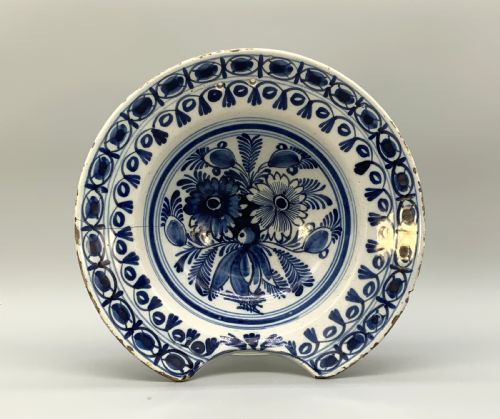


Dutch Delft Ceramic Dish
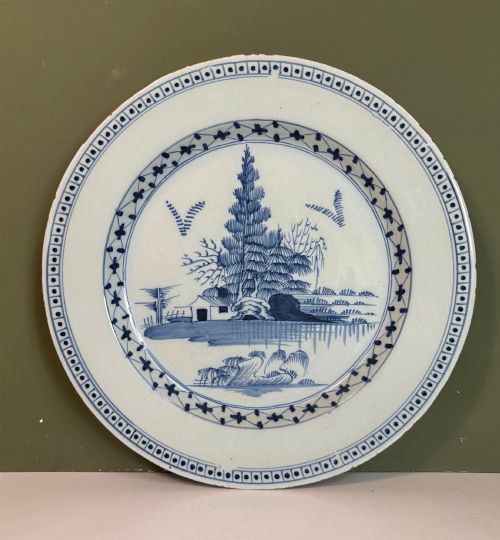
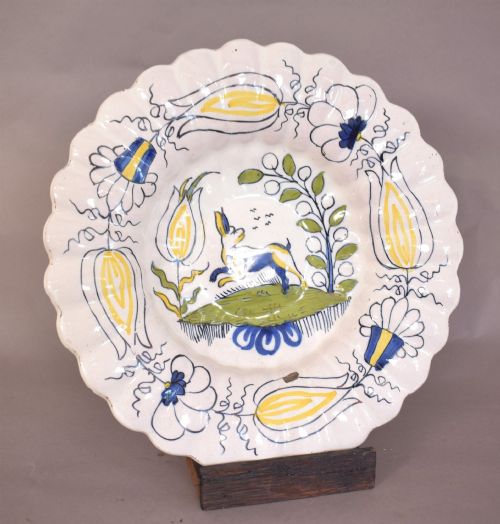
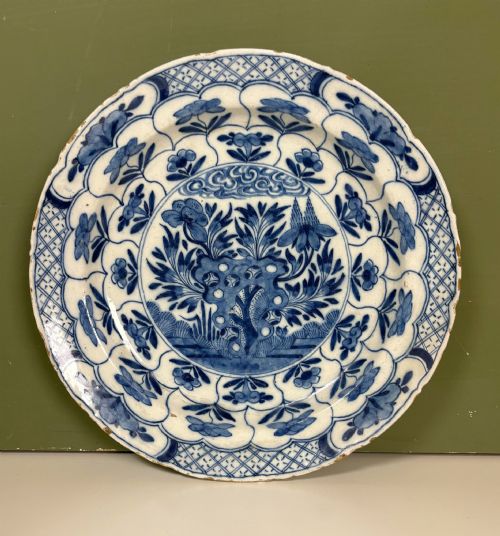
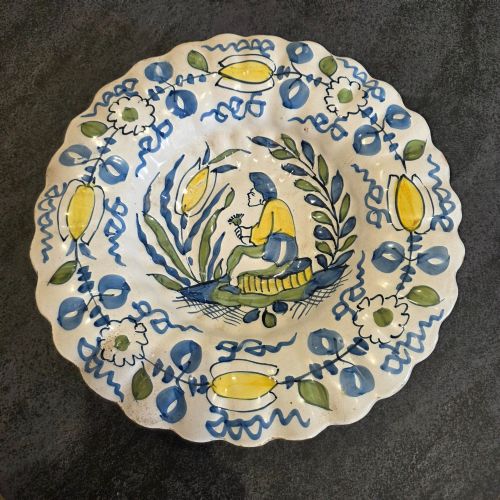
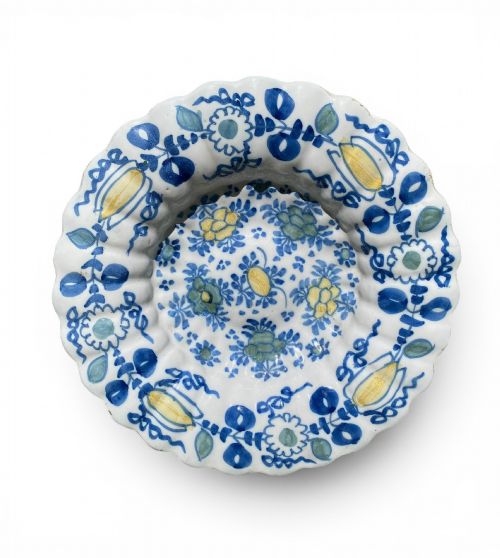
A dutch delft ceramic dish brings seventeenth and eighteenth-century craftsmanship into a modern interior through tin-glazed earthenware painted in cobalt blue or polychrome hues.
Dutch Delft Ceramic Dish
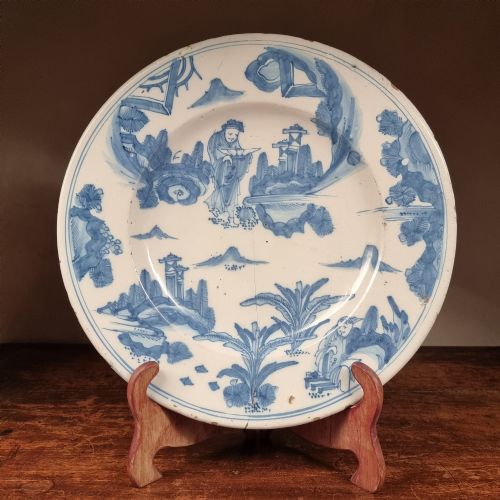
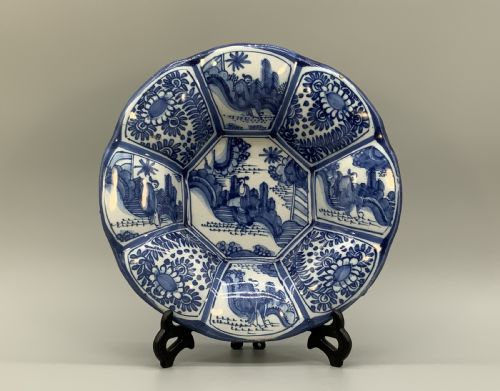
A dutch delft ceramic dish encompasses chargers, shallow bowls, barber's bowls, and plates originating from the seventeenth, eighteenth, and nineteenth centuries. These pieces reflect Dutch Golden Age aesthetics alongside later interpretations of European and Chinese motifs.
The objects listed on this page appear predominantly as chargers and plates created in workshops across the Netherlands during the seventeenth and eighteenth centuries. Buyers encounter both large display chargers and smaller domestic plates intended for functional use or decorative presentation.
Materials and Technique
Potters shaped local earthenware clay into plates and chargers before coating the body in a white tin glaze that provided an opaque, smooth canvas for painting. Cobalt pigment and oxide pigments were then applied directly to the unfired or biscuit-fired glaze to create blue and white designs or polychrome compositions.
Firing took place in traditional kilns where pieces absorbed heat that fused the metallic oxides into the porous tin glaze. This chemical interaction produced the characteristic soft surface sheen and subtle colour bleeding visible across seventeenth and eighteenth-century examples.
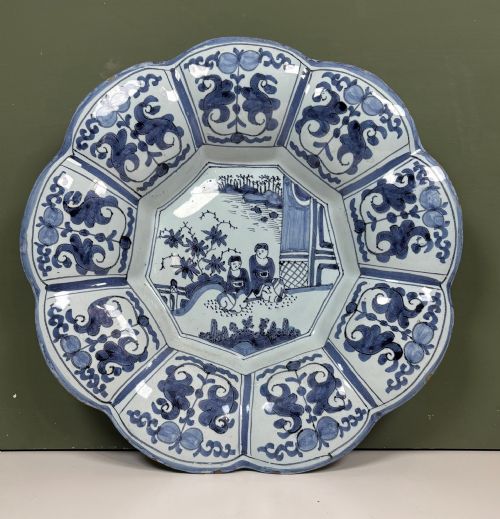
The listings span both seventeenth-century Kraak-style pieces and eighteenth-century geometric floral chargers fashioned from tin-glazed earthenware.
Quality and Execution
Quality rests upon the precision of the brushwork and the clarity of the painted narrative, whether executing intricate Kraak-style panels, geometric floral borders, or Chinese-inspired landscapes. Superior examples demonstrate confident pigment application where cobalt oxide lines remain crisp against a luminous white glaze.
The structural integrity of the earthenware body and the evenness of the tin glaze coating dictate desirability among collectors. Heavier chargers with minimal warping and stable, vibrant polychrome pigments represent the upper tier of surviving production.
The Dutch Delft Ceramic Dish Glossary
- Charger
- A large decorative plate designed primarily for wall display or ceremonial table presentation rather than daily dining. These substantial dishes measure significantly wider than standard dining plates.
- Tin-Glazed Earthenware
- Pottery covered with a lead glaze made opaque by the addition of tin oxide, providing a white background for painted decoration. This material forms the physical basis of all traditional Delftware.
- Polychrome
- Decoration employing multiple colours rather than a single pigment like cobalt blue. Eighteenth-century Dutch pieces frequently combined iron red, green, and yellow alongside blue oxides.
- Kraak Style
- A Dutch imitation of late Ming dynasty Chinese porcelain featuring segmented panel borders and central motifs of birds, flowers, or aquatic landscapes. Potters adapted these imported designs for European interiors during the seventeenth century.
- Barber's Bowl
- A specialised shallow dish with a semicircular cutout designed to fit against a customer's neck during shaving or bleeding procedures. These ceramic forms often include integrated soap recesses.
Dutch Delft Ceramic Dish: Frequently Asked Questions
How do I hang a heavy charger?
Displaying a large tin-glazed charger requires a secure, professionally fitted wire wall hanger that distributes the weight evenly across the base and rim. Avoid spring-loaded clips with excessive tension that might pressure fragile earthenware edges.
Ensure the mounting hardware is anchored directly into wall studs or proper masonry fixings. Check the security of the mount periodically to maintain stable presentation.
Can I use these dishes for food?
Historic tin-glazed earthenware possesses a porous clay body and soft lead-tin surface glazes that can absorb moisture, oils, and food acids over time. Using antique pieces for daily dining risks staining the glaze and damaging the historic material.
Modern exposure to acidic foods may also cause chemical degradation to old ceramic surfaces. These items remain best suited for visual appreciation and decorative display.
What causes crazing on the glaze?
Crazing appears as a fine network of microscopic cracks across the tin glaze caused by the different contraction rates of the clay body and the glass surface during kiln cooling. Age, environmental temperature fluctuations, and humidity changes also contribute to this natural ageing process.
While widespread crazing is common in historic earthenware, it does not necessarily diminish the historical value of a piece. It simply records the physical history and material composition of the object.