




Dutch Ceramic Pottery
Dutch ceramic pottery brings centuries of tin-glazed earthenware, blue and white chargers, and Delftware into your home.
Dutch Ceramic Pottery
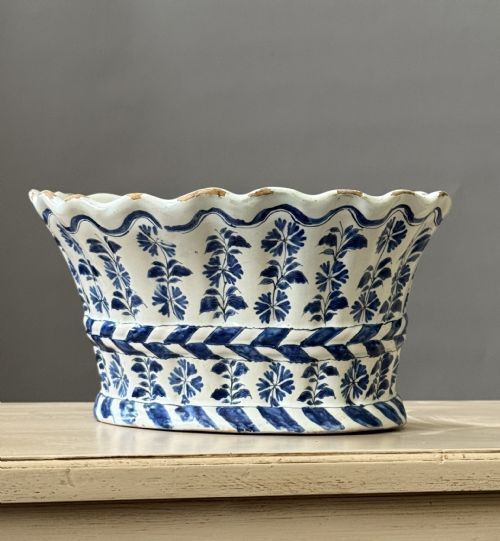
Dutch ceramic pottery encompasses centuries of traditional forms, featuring decorative plates, chargers, and vases created in workshops across the Netherlands. Collectors seek these pieces for their rich history and distinctive painted motifs.
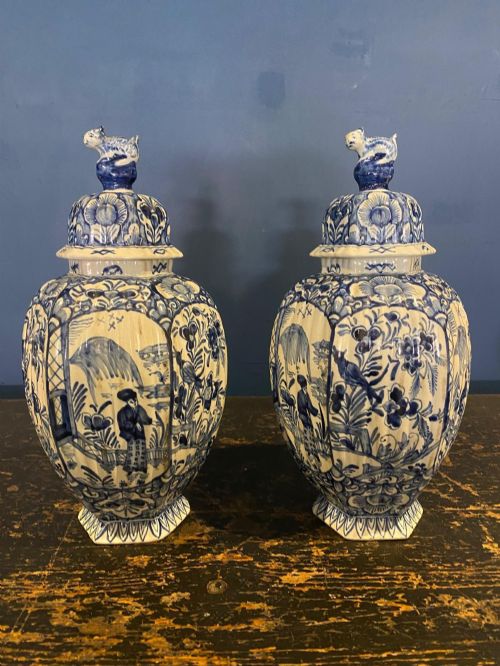
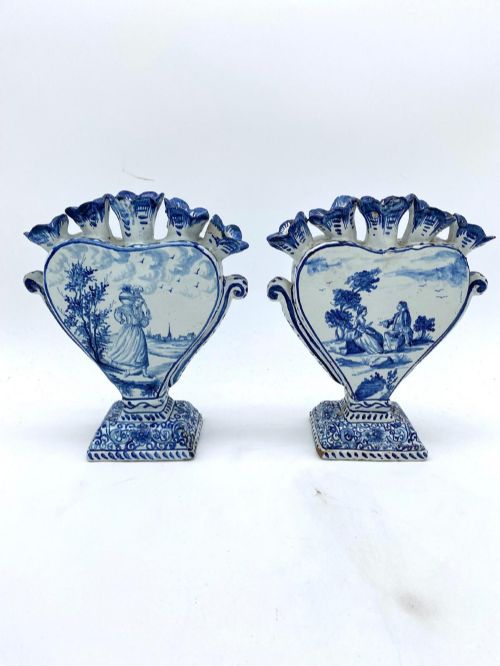
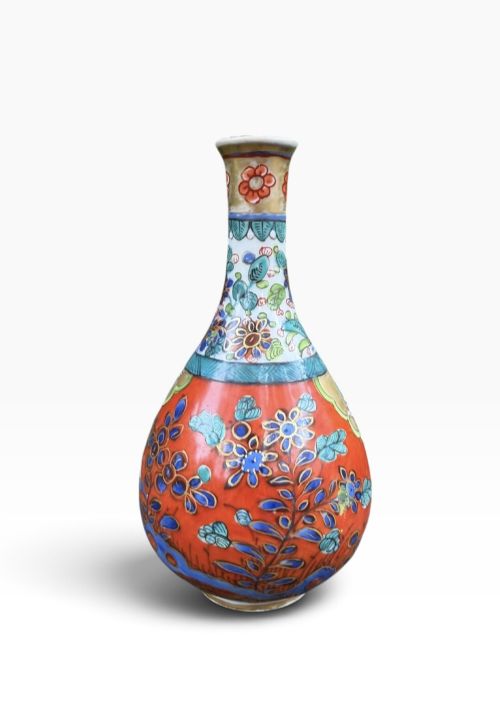
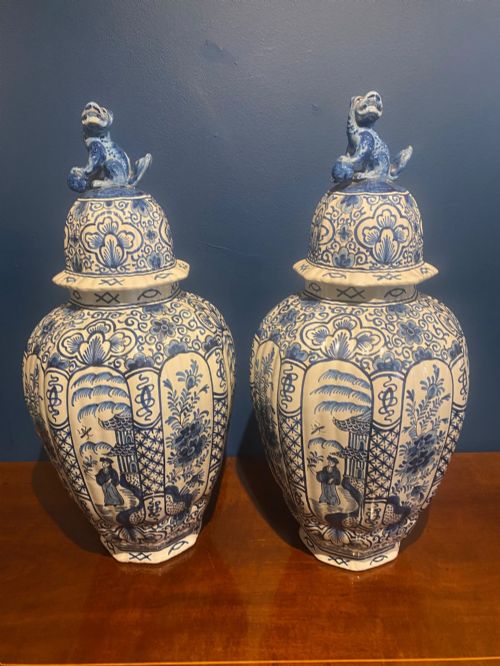
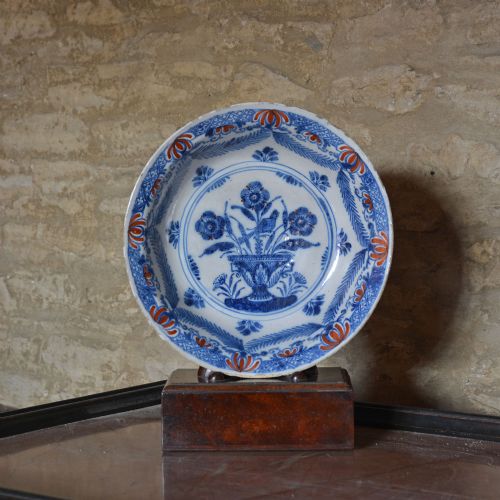
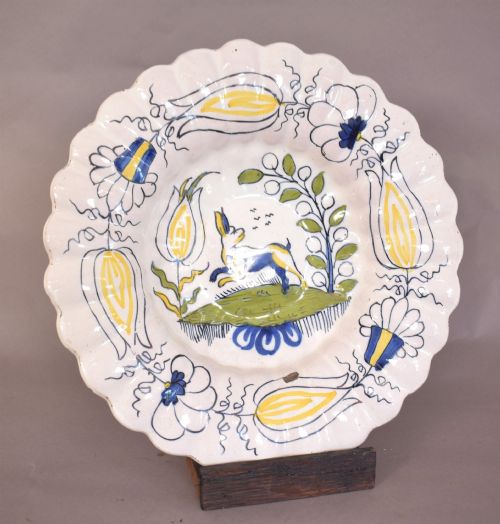
The selections on this page are dominated by 17th-century, 18th-century, and 19th-century examples. You will frequently encounter blue and white delftware, alongside polychrome designs and figural earthenware.
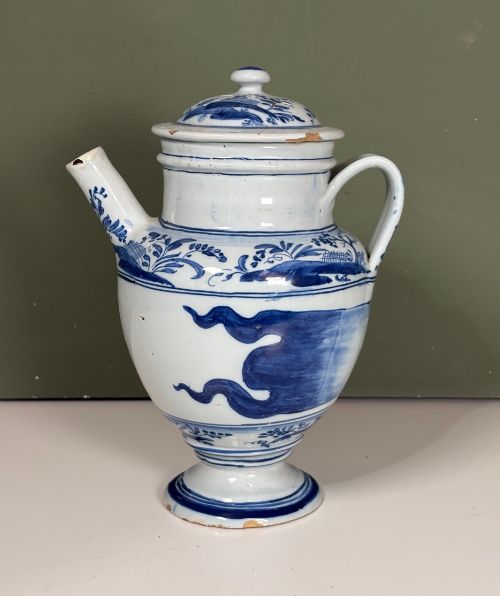
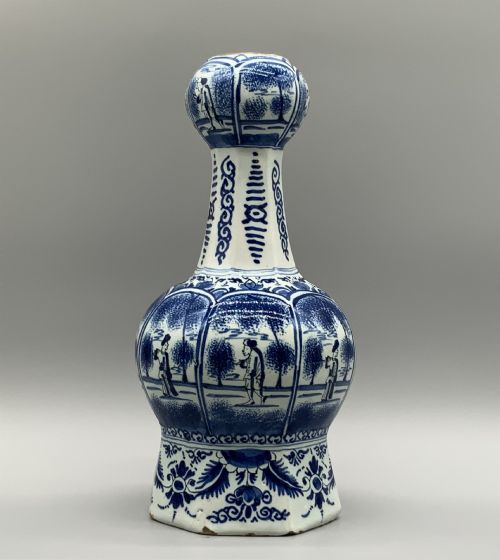
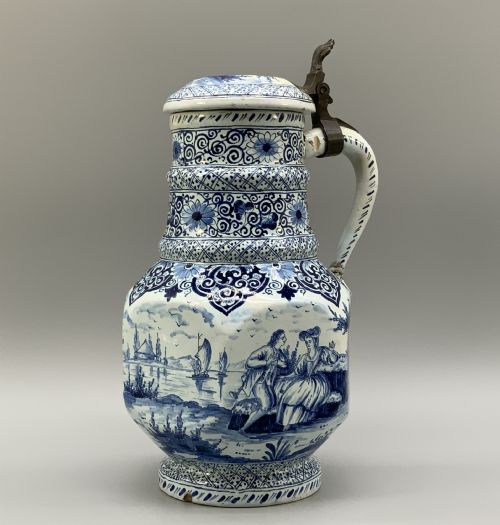
Vessels range from large baluster vases and bough pots to specialised items like apothecary jars, puzzle jugs, and posset pots. Each object carries the traditional aesthetic of Dutch earthenware production.
How They Were Made
Makers utilised earthenware bodies coated in tin glaze to create a smooth, white surface suitable for painting. Cobalt pigment and cobalt oxide provided the classic blue tones seen across the majority of these ceramics.
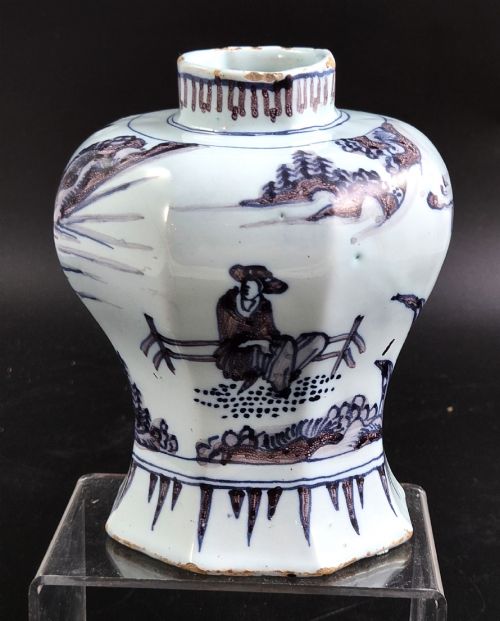
Decoration was applied by hand directly onto the unfired glaze, absorbing into the surface during the kiln firing process. This technique allowed for intricate brushwork depicting floral patterns, figures, and landscapes.
Some pieces incorporated additional coloured pigments, such as manganese, to enrich the palette. Chinese export porcelain served as a major visual influence for many of the earlier Dutch designs.
Dutch Ceramic Pottery Retail Price Guide 2026
Typical asking prices for dutch ceramic pottery among the pieces listed under this phrase on Sellingantiques today, from the lower quarter to the upper quarter. They describe what is for sale here now, not the wider market.
Ceramic cows and mischievous monkeys remind us that historic potters possessed a healthy sense of humour.
What Varies in Quality
The refinement of the painted brushwork separates standard domestic items from superior decorative pieces. Crisp, detailed execution of motifs such as Chinoiserie scenes or botanical subjects indicates skilled craftsmanship.
The stability of the glaze and the success of the firing determine the visual appeal of an item. Uniform coverage of the tin glaze without excessive bubbling or pooling distinguishes better examples.
Pieter Verburg
The Dutch Ceramic Pottery Glossary
- Tin-Glaze
- Earthenware covered with a white glaze containing tin oxide, providing an opaque surface for painted decoration. It formed the technical basis for traditional European delftware.
- Charger
- A large decorative plate intended for display on a wall or dresser rather than for dining. These large surfaces often featured elaborate cobalt blue scenes.
- Baluster Vase
- A vertical vessel with a rounded body that tapers toward the neck, resembling an architectural baluster. This form was common in 17th-century and 18th-century Dutch pottery.
- Puzzle Jug
- A drinking vessel with a perforated neck and trick spouts designed to challenge the drinker. They often bear humorous verses or intricate patterns.
- Polychrome
- Decoration employing multiple colours rather than a single pigment like blue. In Dutch pottery, this typically involved combinations of green, yellow, orange, and manganese.
Dutch Ceramic Pottery: Frequently Asked Questions
What is Dutch delftware?
Dutch delftware is tin-glazed earthenware produced in the Netherlands, primarily known for its white surface and cobalt blue painted decoration. The tradition dates back centuries and includes a wide variety of domestic and decorative objects.
Potters drew inspiration from imported Chinese porcelain, adapting oriental motifs to suit European tastes. This style became a defining characteristic of Dutch ceramic production.
How were apothecary jars used?
Apothecary jars held medicinal herbs, syrups, and dry preparations in pharmacies and dispensaries. Their tin-glazed surfaces protected contents from moisture and featured painted labels to identify the contents.
These jars often remained on open shelves in apothecary shops. Their decorative presence made them desirable collectible items today.
How do I care for antique earthenware?
Antique earthenware requires gentle handling and protection from sudden temperature changes. Dust pieces with a soft, dry cloth and avoid harsh cleaning products that could damage the historic glaze.
Display vessels away from direct sunlight to preserve pigment colours. Porous earthenware bodies should also be kept clear of prolonged moisture exposure.
How can I tell the age of a piece?
Dating Dutch pottery involves examining the clay body, glaze characteristics, and painting style. Earlier pieces from the seventeenth and eighteenth centuries often exhibit distinct tin-glaze formulations and hand-painted signatures or maker marks.
Comparing forms and decorative motifs with documented examples helps establish a period of origin. Variations in crazing and wear also provide clues to an object's age.