






Dutch Blue Pottery
When you examine dutch blue pottery, you encounter tin-glazed earthenware shaped into chargers, vases and apothecary jars spanning several centuries.
Dutch Blue Pottery
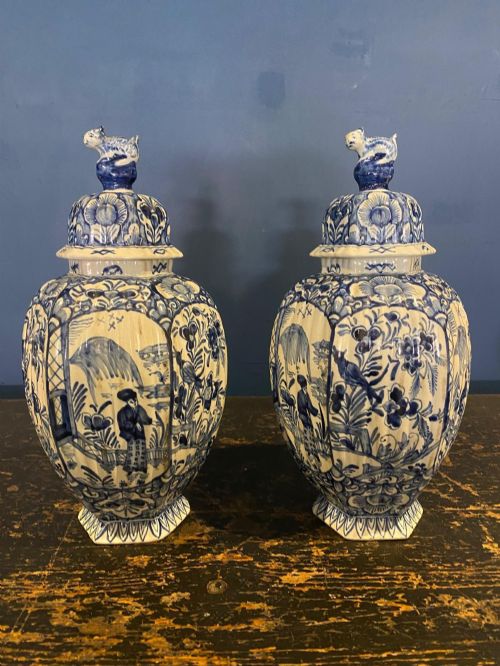
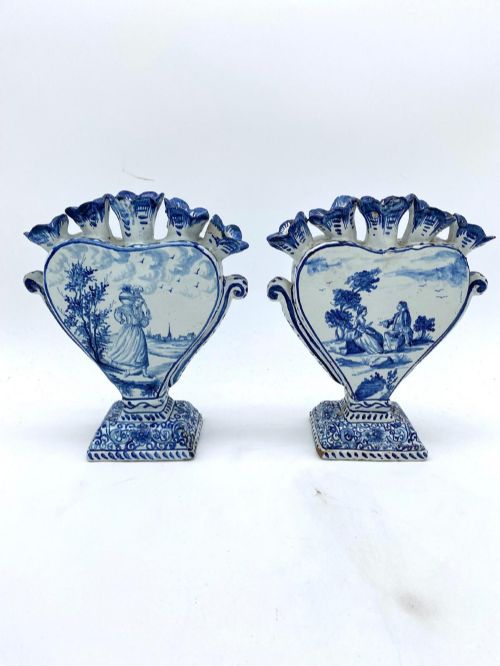
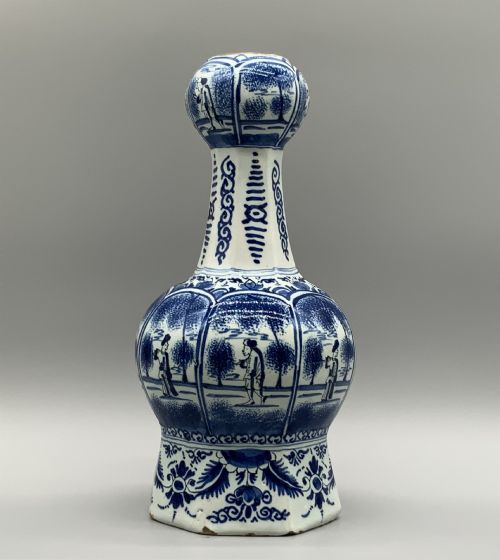
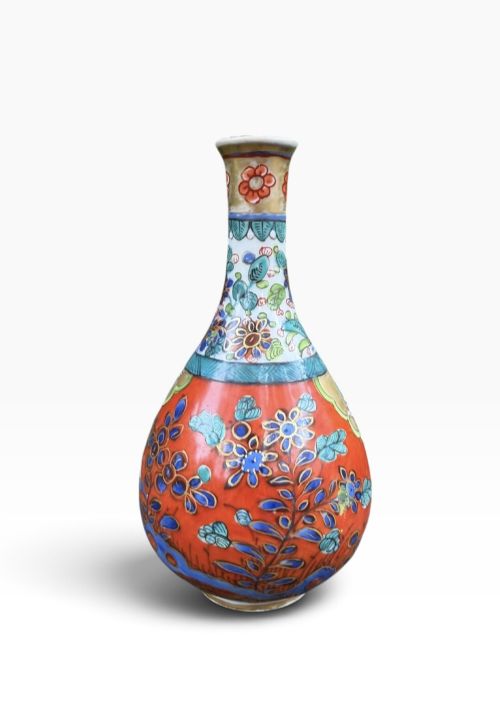
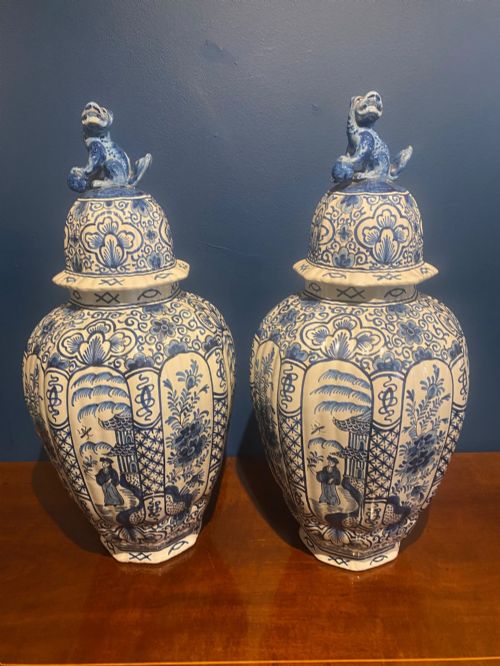
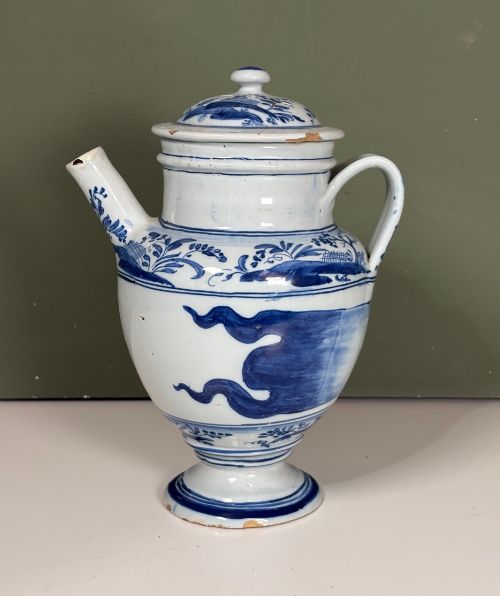
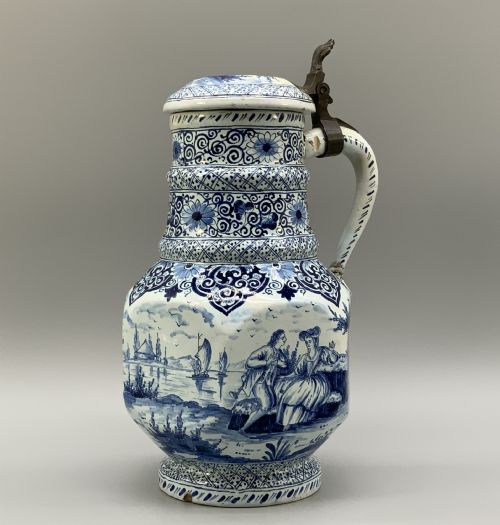
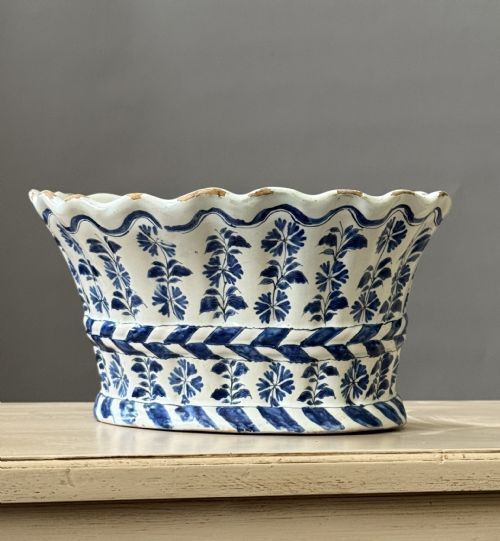
When buyers search for dutch blue pottery, they find items originating from the seventeenth, eighteenth and nineteenth centuries. The selection spans utilitarian forms and decorative vessels, including chargers, baluster vases, lidded jars and apothecary vessels.
The objects frequently display styles influenced by Chinese export porcelain alongside traditional Dutch Baroque and Chinoiserie motifs. Pieces range from large wall chargers and bough pots to inkstands and figural toby jugs.
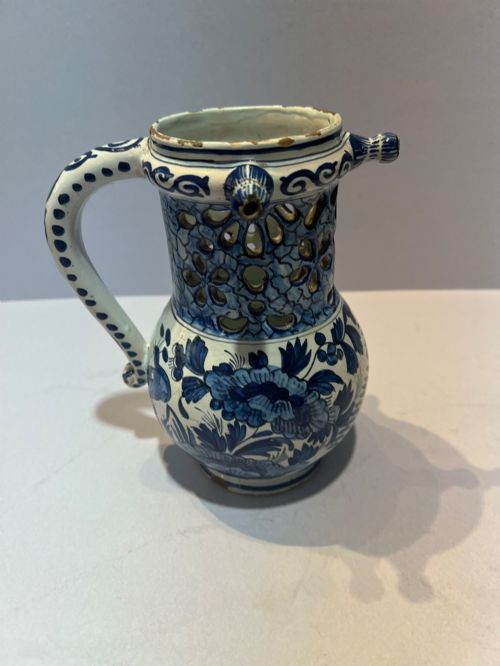
Vessels from the seventeenth and eighteenth centuries predominate, though nineteenth-century iterations and conversions such as table lamps also appear. Domestic items like posset pots and barber's bowls represent the everyday uses of these earthenwares.
How They Were Made
Makers utilised earthenware bodies coated in a tin glaze to achieve an opaque white surface suitable for painting. Artisans applied cobalt oxide and cobalt pigment directly onto the unfired or fired glaze to create the characteristic blue decoration.
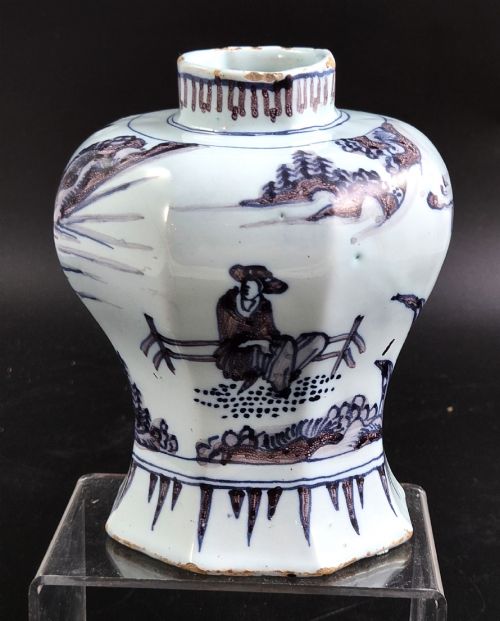
Hand painting forms the basis of the surface design, depicting floral subjects, animal motifs and figural scenes in blue and manganese. Some pieces combine the tin-glazed earthenware body with metal elements such as pewter lids or gilt bases.
Dutch Blue Pottery Retail Price Guide 2026
Typical asking prices for dutch blue pottery among the pieces listed under this phrase on Sellingantiques today, from the lower quarter to the upper quarter. They describe what is for sale here now, not the wider market.
Potters occasionally included puzzle jugs with hidden spouts to test the sobriety and dexterity of tavern guests.
What Varies in Quality
The intricacy and precision of the hand-painted brushwork dictate the visual merit of each item, distinguishing standard production wares from pieces with detailed Chinese scholar or floral motifs. The crispness of the cobalt pigment against the tin glaze affects the overall definition of the design.
The survival condition of the tin-glazed body determines the integrity of the piece, as earthenware is susceptible to edge chips and glaze flaking over centuries of handling. Form complexity, such as lobbed dishes, octagonal baluster profiles and applied handles, separates simpler utilitarian vessels from ambitious decorative objects.
Pieter Verburg
The Dutch Blue Pottery Glossary
- Tin-Glazed Earthenware
- Pottery covered with a ceramic glaze containing tin oxide that turns white and opaque upon firing. This technique provides the smooth background required for painting blue designs.
- Faience
- European tin-glazed earthenware produced in imitation of Chinese porcelain and Italian majolica. The term applies broadly to Dutch delftware objects.
- Charger
- A large decorative plate intended for display on a wall or sideboard rather than daily dining. These circular earthenware dishes frequently feature cobalt blue painted scenes.
- Baluster Vase
- A vertical vessel characterised by a rounded body that tapers toward the neck and stands on a wider base. This form appears frequently in seventeenth and eighteenth-century Dutch pottery.
- Manganese
- A mineral pigment utilised alongside cobalt to introduce purple and brown tones to the painted decoration. It provides a secondary contrasting colour on select tin-glazed items.
Dutch Blue Pottery: Frequently Asked Questions
What is dutch blue pottery?
These objects comprise tin-glazed earthenware vessels and plates produced in the Netherlands from the seventeenth century onward. Artisans painted them primarily with cobalt oxide pigments in blue.
Forms range from chargers and baluster vases to apothecary jars and inkstands. Many examples reflect the influence of Chinese porcelain imported during the seventeenth century.
How were these pieces used originally?
Chargers served primarily as decorative wall displays in homes, while large vases and urns decorated interiors. Items like apothecary jars and barber's bowls fulfilled practical functions in trades.
Domestic vessels such as posset pots and puzzle jugs participated in communal drinking customs and social gatherings. Inkstands supported writing desks in homes and offices.
How do you date dutch blue pottery?
Dating relies on stylistic shifts, potting forms and changes in pigment application across the seventeenth, eighteenth and nineteenth centuries. Early pieces often show closer adherence to Chinese export designs.
Later nineteenth-century examples introduce different manufacturing techniques or functional conversions, such as lamps. Examining the tin glaze and earthenware body helps confirm the period.
Can these items be used as lamps?
Historical vases and jars frequently undergo conversion into table lamps through professional rewiring. This practice adapts older ceramic vessels for modern interior lighting.
Converted pieces retain their original hand-painted bodies while incorporating electrical fittings and shades. Collectors weigh the preservation of the original form against the utility of the lamp.