



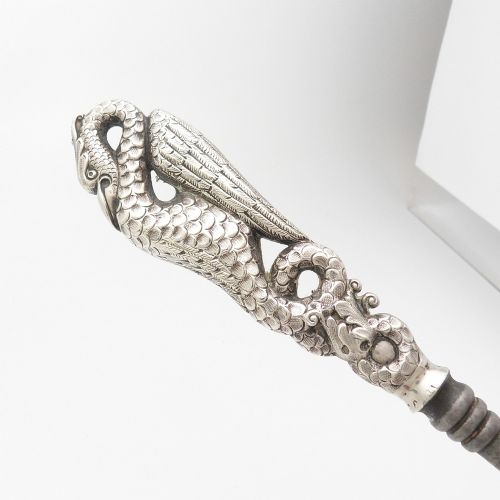


Dragon Carved Table
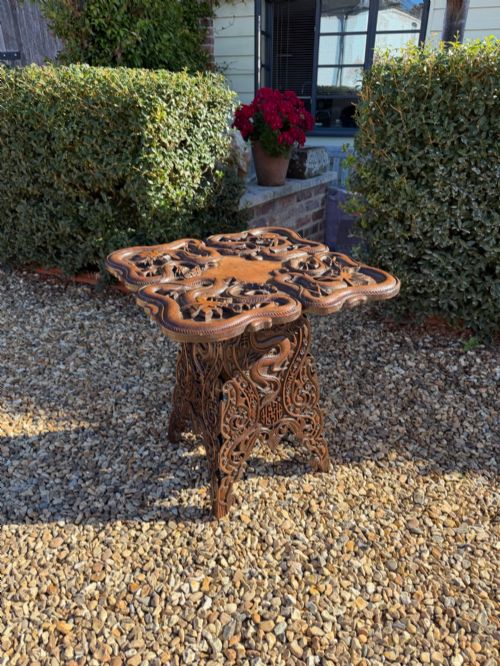
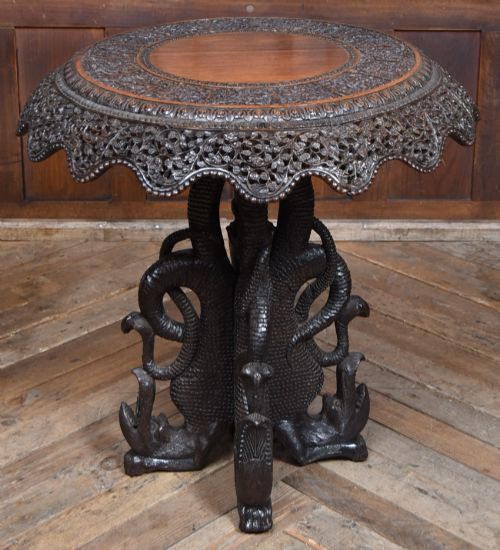
A dragon carved table brings intense figurative carving and rich timber into a room, spanning Chinese, Burmese and Anglo-Indian traditions from the nineteenth and early twentieth centuries.
Dragon Carved Table
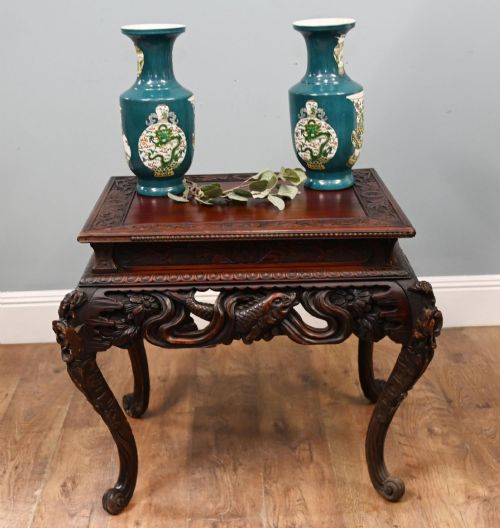
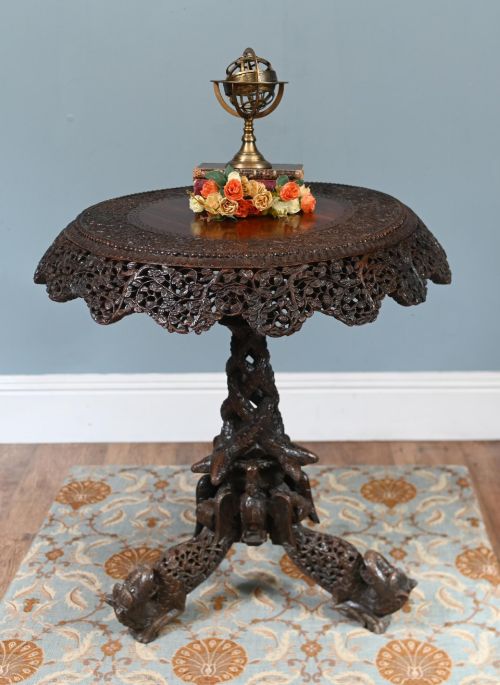
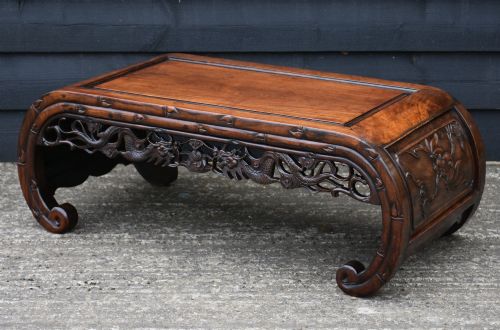
When you search for a dragon carved table, you are looking at substantial Oriental and colonial furniture defined by deep relief woodwork and mythical motifs. The pieces range from low opium tables and occasional stands to nests of tables, centre tables and coffee tables produced across the nineteenth and early twentieth centuries.
The most common examples on this page are Chinese hardwood side tables and low tables featuring intricate scrolling dragons across the frieze and top. You will also encounter Japanese Meiji period stands, Burmese tables and Anglo-Indian pieces in rosewood, padauk and teak, reflecting global export markets of the period.
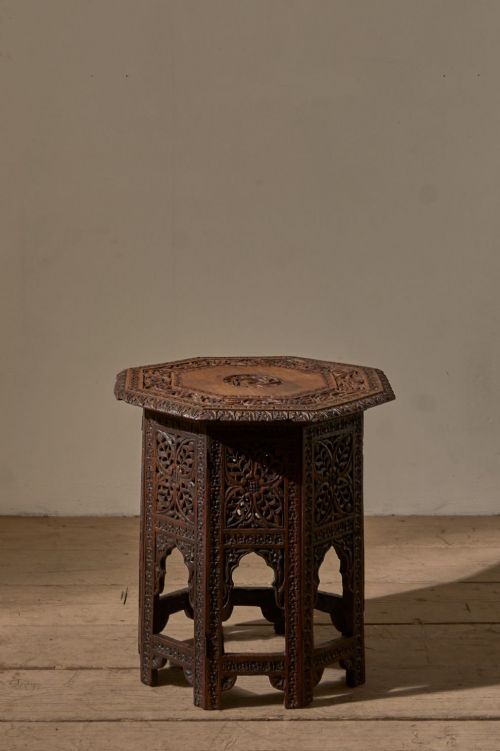
Forms vary widely to suit different domestic uses, including octagonal occasional tables, plant stands, jardiniere stands and quartetto nests. Many incorporate inset rouge marble tops or glazed cinnabar surfaces alongside the carved timber frameworks.
How they were made
These tables rely on dense tropical hardwoods such as rosewood, padauk, teak and camphorwood, chosen for their weight and stability under deep chisel work. Craftsmen utilised traditional joinery methods to frame heavy tops and robust legs without relying on modern hardware.
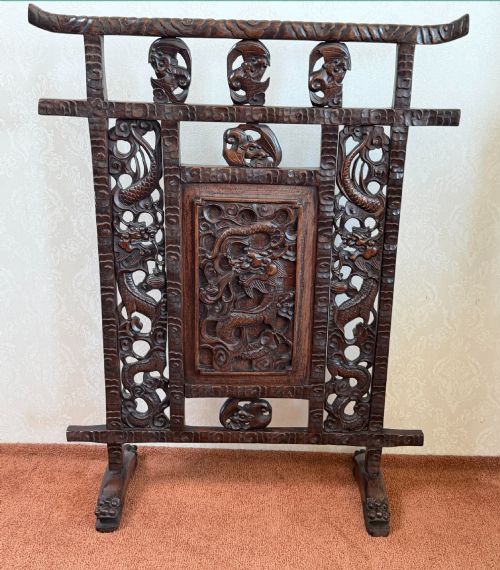
The characteristic dragon decoration is executed through high-relief carving, undercut work and pierced panels that bring movement to the timber surfaces. Ebonised finishes and applied dark stains frequently appear alongside natural oiled grain to heighten the contrast of the sculptural motifs.
Dragon Carved Table Retail Price Guide 2026
Typical asking prices for dragon carved table among the pieces listed under this phrase on Sellingantiques today, from the lower quarter to the upper quarter. They describe what is for sale here now, not the wider market.
Materials recorded across the inventory include rosewood, teak, padauk, camphorwood, bronze, brass and inset rouge marble.
What varies in quality
Quality rests primarily on the depth, clarity and spatial arrangement of the carving rather than the mere presence of a motif. Superior examples display crisp undercutting where scales, claws and whiskers stand clear of the background timber, while lesser pieces rely on shallow, repetitive stamping or soft profiling.
Material selection and structural weight also divide the range. Dense, heavy hardwoods with stable grain hold intricate chisel work far better than secondary softwoods, and integrated marble or glass inserts demand precise joinery to remain flush with the surrounding frame.
The Dragon Carved Table Glossary
- Chinoiserie
- European artistic style reflecting Chinese decorative motifs and techniques. It appears frequently in nineteenth-century export furniture and decorative objects.
- Frieze
- The horizontal band of timber directly beneath the top of a table. Carved dragons often wrap entirely around this structural zone.
- Hardwood
- Timber derived from broadleaved trees such as rosewood, teak and padauk. These dense woods provide the necessary strength for deep relief carving.
- Quartetto nest
- A set of four graduating occasional tables designed to slide neatly beneath one another. They were popular in Chinese export and Anglo-Oriental furniture production.
- Meiji Period
- The era of Japanese history lasting from 1868 to 1912. Furniture and bronze works from this span often combine traditional iconography with Western forms.
Dragon Carved Table: Frequently Asked Questions
Where did these carved tables originate?
The pieces originate primarily from China, Burma, Japan and British colonial workshops producing items for export markets. Makers utilised regional timbers and traditional iconography to appeal to Western interior tastes during the nineteenth and early twentieth centuries.
Design influences crossed borders, resulting in Anglo-Indian and Chinoiserie interpretations alongside authentic regional domestic furniture.
How do I care for a carved hardwood surface?
Dust the deep relief carving regularly with a soft, dry brush to prevent dirt from settling in the recesses. Avoid silicone-based polishes and keep the timber away from direct heat sources and strong sunlight to prevent splitting.
Occasional application of natural wax helps maintain the lustre of dense hardwoods like rosewood and padauk.
What is an opium low table?
An opium low table is a compact, low-standing surface traditionally used in domestic settings for resting items within reach of seating mats or beds. In export production, these forms were adapted for Western living rooms as coffee tables.
They frequently showcase prominent dragon carvings along the low aprons and robust, curved legs.
Are nest of tables practical for daily use?
A nest of four tables offers exceptional versatility for modern spaces because the smaller units deploy easily when needed and stack compactly away. The graduating sizes allow them to serve as individual drink stands or lamp tables.
Their sturdy hardwood construction makes them durable enough for regular everyday placement in a sitting room.