
Dragon Bronze Vessel
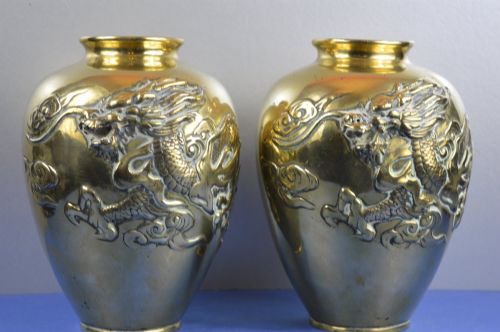
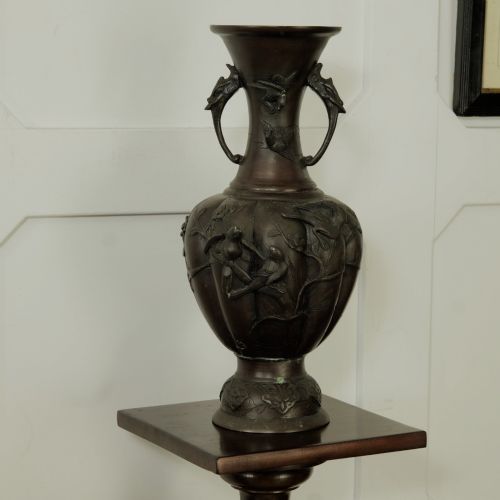
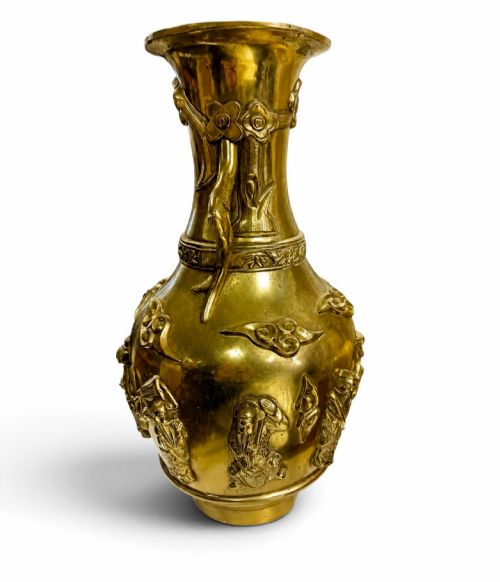
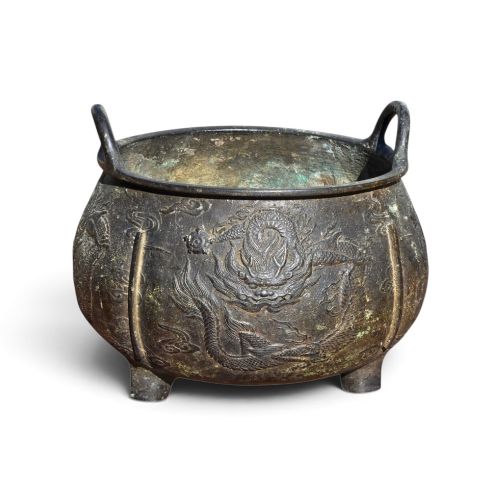
These dragon bronze vessel examples combine metalwork skill and mythological motifs, offering tangible history for display.
Dragon Bronze Vessel
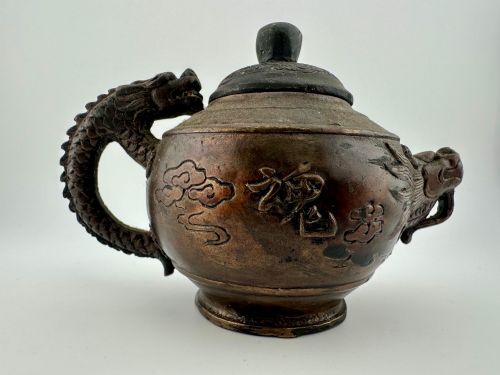
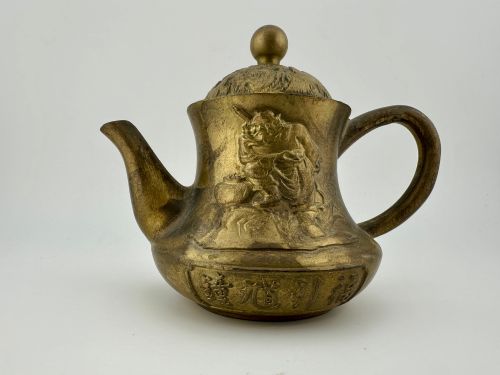
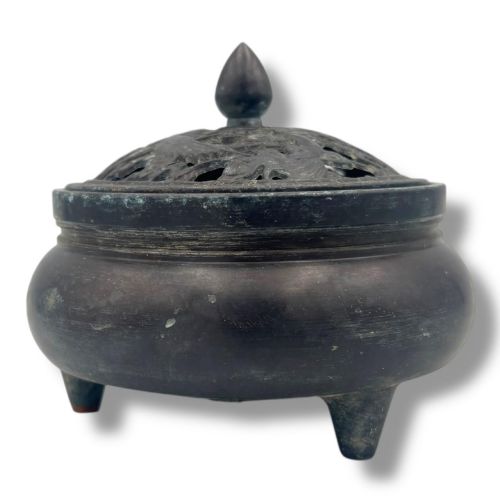
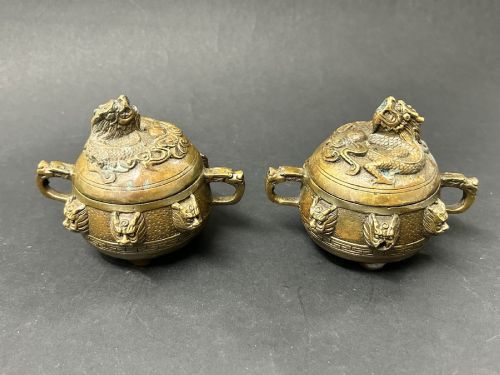
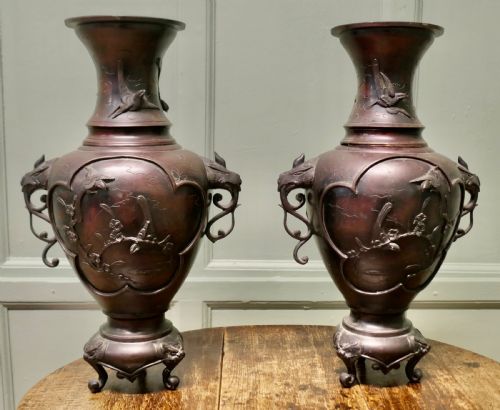
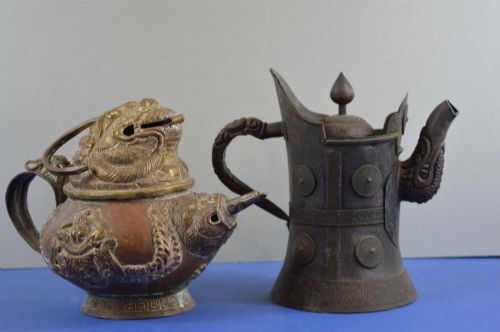
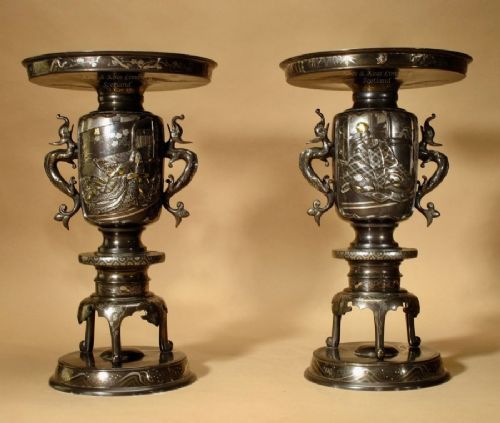
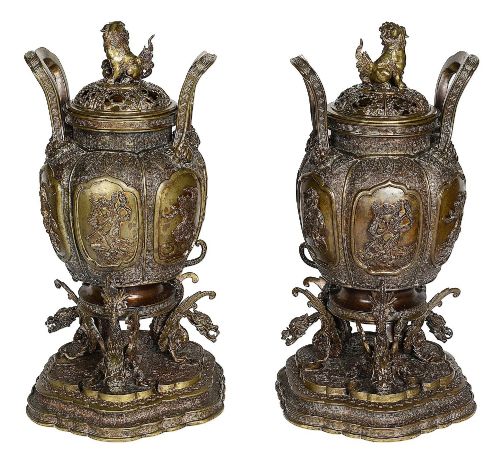
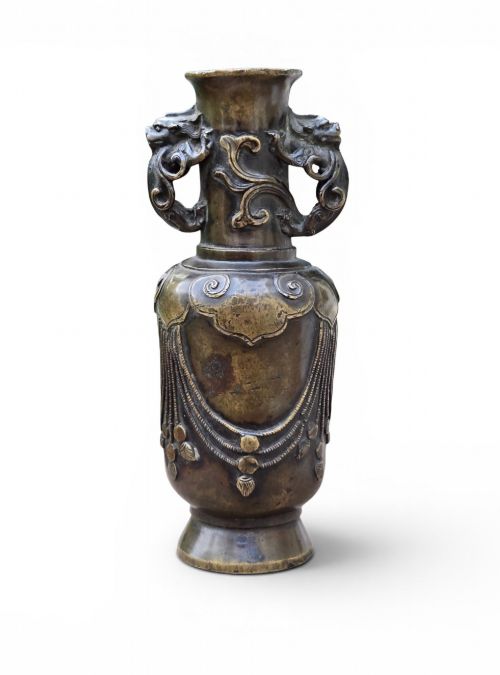
A dragon bronze vessel represents functional and decorative metalwork from Asian traditions, appearing in forms such as censers, teapots, jardinières and baluster vases.
The selections on this page span the late nineteenth century through to the early twentieth century, alongside earlier Ming and Qing dynasty examples.
Originating largely from Chinese workshops and Japanese Meiji period studios, these items serve as both ritual objects and decorative display pieces.
Materials and casting techniques
The makers utilised cast bronze, brass, and copper-alloy, often finishing surfaces with patination or gilding.
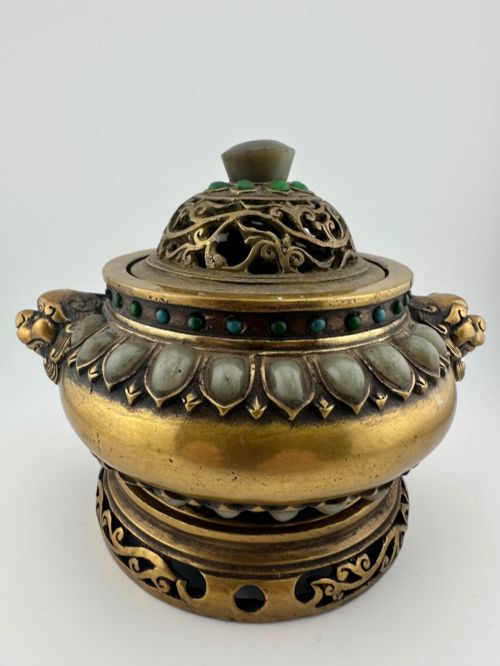
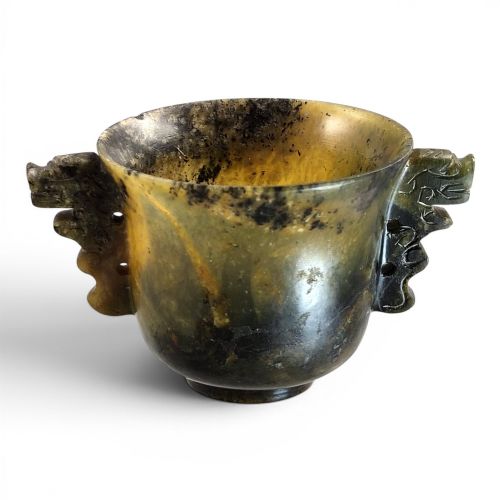
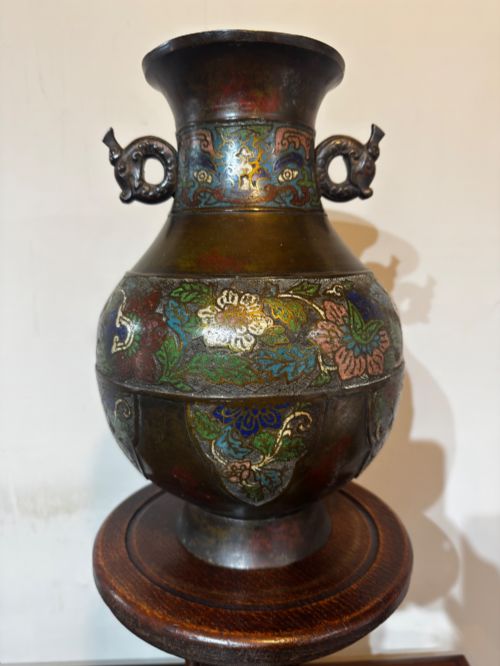
Many pieces incorporate intricate champlevé enamel work, hardstone inlays of jade and nephrite, and high-relief modelling to shape the dragon motifs.
Listings feature items cast in bronze, brass, and copper-alloy, alongside champlevé enamel and nephrite jade details.
Assessing craftsmanship and detail
The depth and sharpness of the high-relief dragon casting distinguish finer pieces from simpler productions.
Surface treatments such as controlled patination, precise champlevé enamel cells, and secure hardstone inlay determine the overall calibre of the metalwork.
The Dragon Bronze Vessel Glossary
- Censer
- A vessel designed for burning incense during ceremonies. These often feature tripod legs and dragon or phoenix lid handles.
- Champlevé
- An enamelling technique where troughs are carved into the bronze surface and filled with vitreous enamel before firing.
- Meiji Period
- The era of Japanese history lasting from 1868 to 1912. Metalwork from this period is noted for technical mastery.
- Qing Dynasty
- The final imperial dynasty of China, spanning from 1644 to 1912. Pieces from this time often bear imperial reign marks.
Dragon Bronze Vessel: Frequently Asked Questions
What were bronze dragon vessels used for?
Many of these objects functioned as ritual vessels, incense burners, or ceremonial ewers in temples and domestic shrines. Others served simply as decorative vases and jardinières for elite interiors.
Over time, their roles shifted from practical or ritual use to ornamental display, prized for their intricate metalwork and symbolic dragon iconography.
How do I identify a Meiji period piece?
Japanese metalwork from the Meiji period often displays distinct naturalistic detailing, high-relief casting, and patinated bronze finishes. Stylistic cues frequently point to late nineteenth-century workshop production.
Makers during this era utilised traditional casting techniques refined over generations, producing distinctive vases, lidded urns, and garden vessels.
What do reign marks mean?
Base marks on Chinese bronze items often reference earlier imperial periods, such as the Xuande or Qianlong reigns, acting as traditional homages rather than literal dates of manufacture.
Late Qing dynasty items frequently carry these historical marks, requiring buyers to look at overall patination, alloy composition, and casting style to determine the true age.
How should I clean a bronze vessel?
Bronze and brass surfaces require gentle dusting with a soft, dry cloth to preserve the historical patina. Avoid using chemical polishes or abrasive cleaners that strip away the aged finish.
Keeping the piece away from excessive moisture and direct sunlight helps maintain the stability of any inlaid hardstones or champlevé enamel sections.