


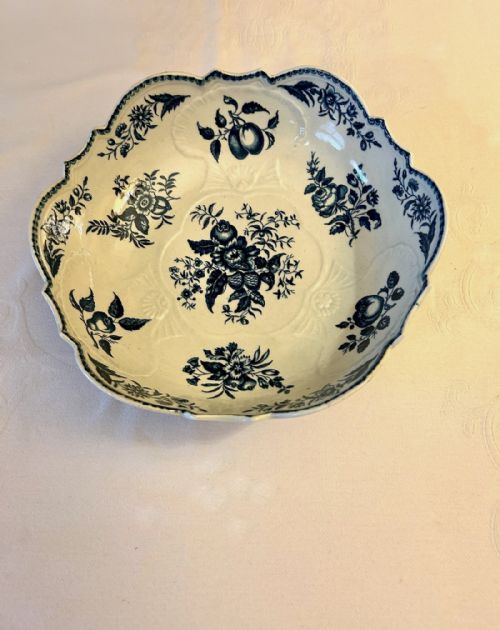


Dr Wall Worcester Bowl
These eighteenth-century pieces of dr wall worcester bowl carry the delicate weight of early English ceramic history into a modern interior.
Dr Wall Worcester Bowl
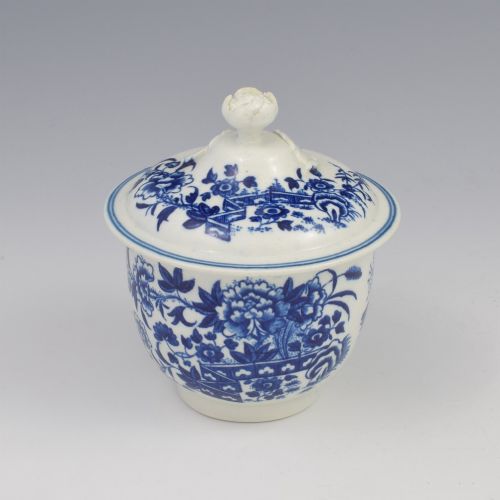
A dr wall worcester bowl is an eighteenth-century ceramic vessel originating from the Georgian period, created during the foundational era of English porcelain manufacture. These pieces encompass various forms including punch bowls, slop bowls, sugar bowls, and tea bowls, often accompanied by matching saucers.
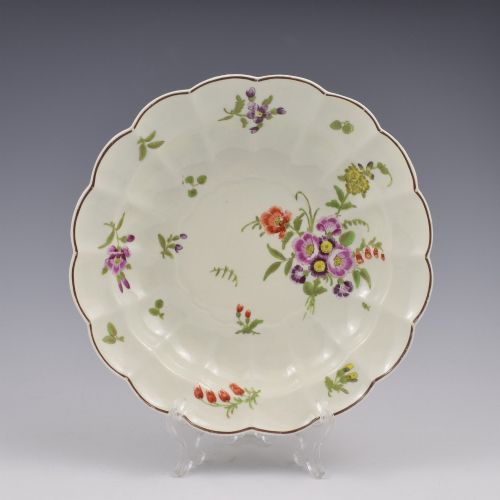
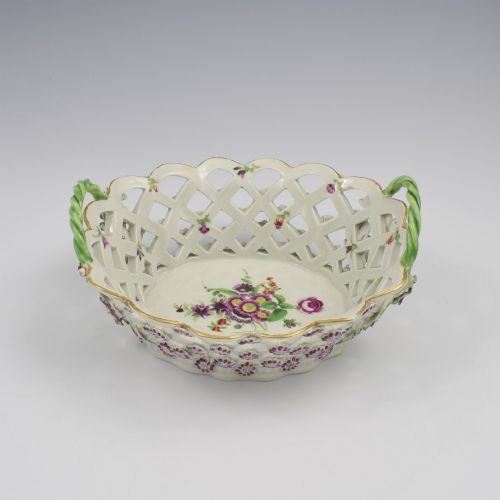
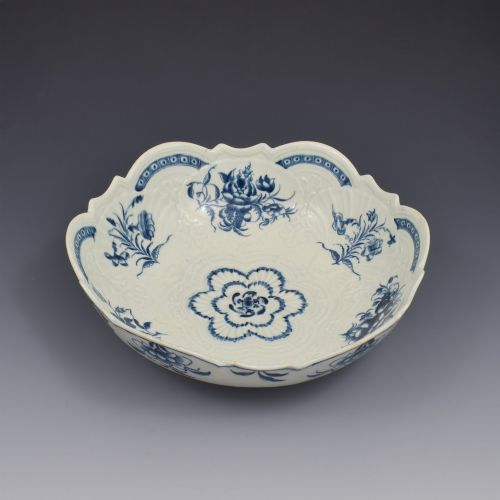
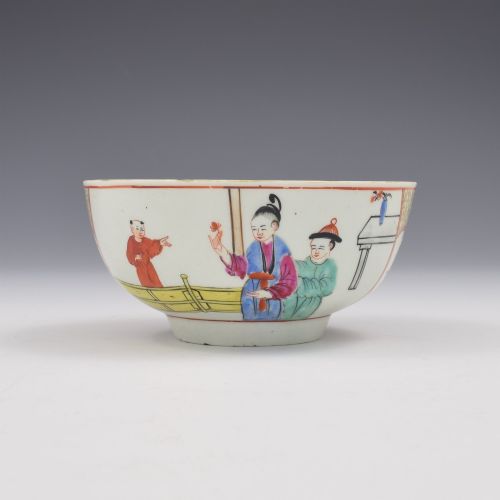
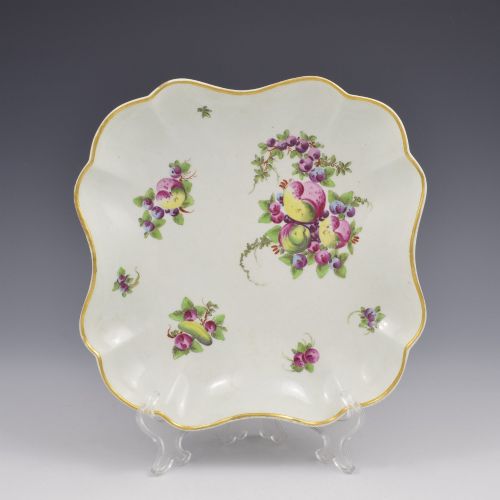
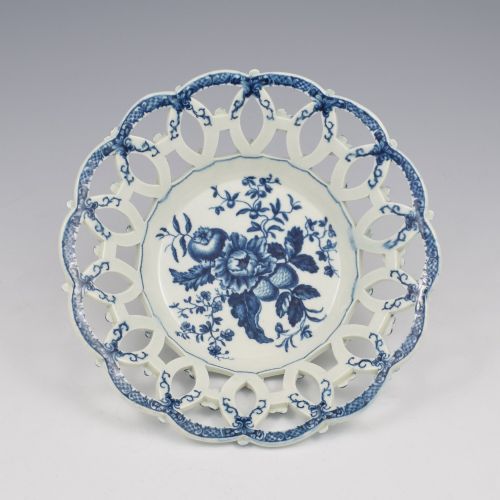
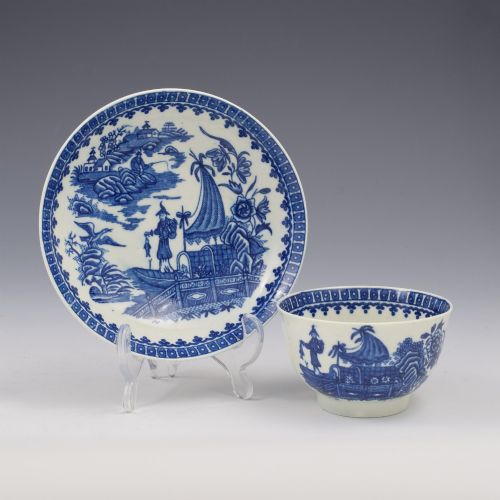
The pieces on this page span the mid to late eighteenth century, commonly featuring blue and white decoration or polychrome enamels. Buyers will frequently encounter tea bowls, junket dishes, and decorative baskets alongside larger serving bowls.
The origin links directly to the early Worcester factory established during the Georgian era. Surviving examples demonstrate the domestic tastes and dining customs of the eighteenth century through distinct oriental and floral motifs.
How they were made
Makers utilised soft-paste porcelain combined with soapstone to produce these early vessels, creating a body that responded distinctively to kiln temperatures. Cobalt glaze provided the primary medium for blue and white transfer printing and hand-painted underglaze designs.
Artisans applied polychrome enamel pigments and gilding over the fired glaze to achieve rich surface detail on dessert dishes and chestnut baskets. Moulding techniques shaped intricate openwork basketry and fluted rims before the application of pictorial patterns.
Listings feature 18th Century and Georgian periods, utilising soft-paste porcelain, enamel, and cobalt glaze across bowls, dishes, and baskets.
What varies in quality
The precision of the brushwork and the crispness of the cobalt blue underglaze define the upper tier of these vessels. Finer examples display meticulous hand-painted detail in patterns such as the Mandarin figures or pine cone motifs.
The complexity of the form influences the standing of a piece, with openwork chestnut baskets and moulded junket dishes requiring advanced manufacturing skill. Glaze uniformity and the successful control of kiln firing distinguish superior specimens from standard production.
The Dr Wall Worcester Bowl Glossary
- Soft-paste porcelain
- An artificial ceramic paste fired at lower temperatures than hard-paste porcelain, common in early English factories. It produces a warm, slightly translucent body.
- Cobalt glaze
- A metallic oxide pigment used to achieve deep blue underglaze decoration on ceramics. It remains stable at high kiln temperatures.
- Slop bowl
- A large bowl used during tea service to discard the dregs of cold tea before receiving a fresh pour. These vessels often match surrounding tea bowls and saucers.
- Junket dish
- A shallow vessel traditionally used for serving curds, cream, or sweet dessert preparations. They frequently feature moulded details or scalloped edges.
- Polychrome
- Decoration employing multiple distinct enamel colours applied over the glaze. This technique allowed factories to produce vivid pictorial scenes.
Dr Wall Worcester Bowl: Frequently Asked Questions
How do I date a Dr Wall bowl?
Dating relies on stylistic evidence, paste characteristics, and underglaze markings found on the base of the vessel. Most documented examples originate from the eighteenth century during the Georgian period.
Examining the cobalt hue and the application method of the painted or printed pattern provides further context. Comparative analysis with archival records helps narrow the decade of production.
What is a soft-paste porcelain bowl?
A soft-paste porcelain bowl is constructed from an aggregate mixture of clays, glass frits, and soapstone rather than natural china stone. This formula was standard for early English manufacturers before true hard-paste porcelain became widespread.
The resulting material possesses a softer vitreous structure and a distinctive warm translucency when held to the light. It reacts differently to thermal changes compared to later ceramic bodies.
How were eighteenth century tea bowls used?
Eighteenth-century tea bowls functioned as personal drinking vessels during formal domestic tea services. Guests held them without handles, sipping hot tea brewed from imported leaves.
These bowls frequently paired with a saucer and worked alongside slop bowls and sugar boxes. The ritual formed a central part of Georgian social hospitality.
Are blue and white Worcester bowls hand painted?
Many early Worcester bowls feature hand-painted cobalt decoration executed by factory decorators. Artisans applied the pigment directly onto the unglazed body before the primary kiln firing.
Other examples incorporate printed outlines filled in with hand-applied washes of blue colour. Close inspection under magnification reveals the brush strokes or printing matrix dots.
What is a junket dish used for?
A junket dish served sweetened milk or cream curds flavoured with spices during Georgian dining occasions. The shallow form allowed guests to portion the dessert easily from the table centre.
These dishes often featured moulded floral or fruit designs around the rim. Their decorative presence complemented matching tableware sets of the period.