







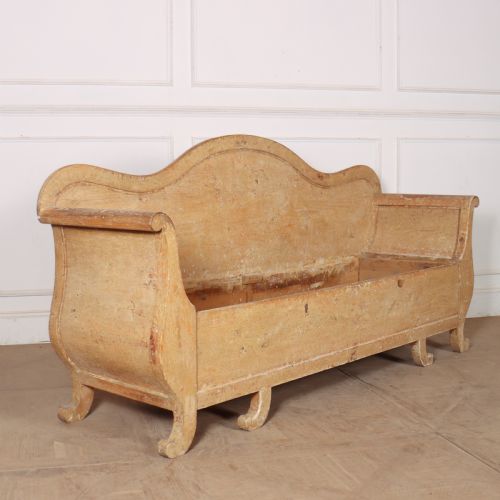

Distressed Wood Bench
These distressed wood bench options bring weathered character to any room, offering versatile seating shaped by time and layered paint.
Distressed Wood Bench
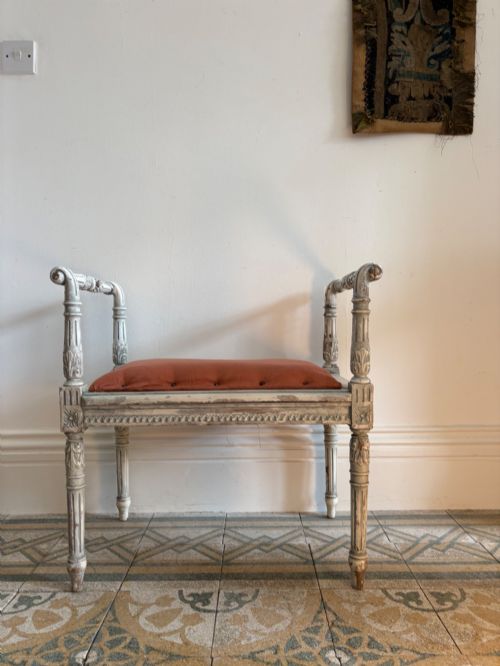
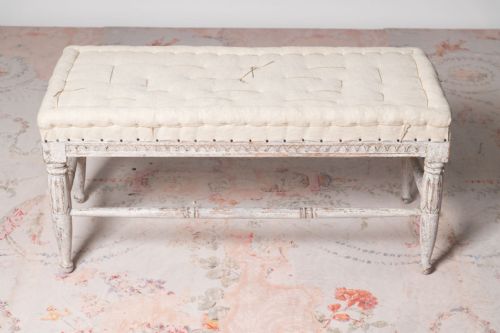
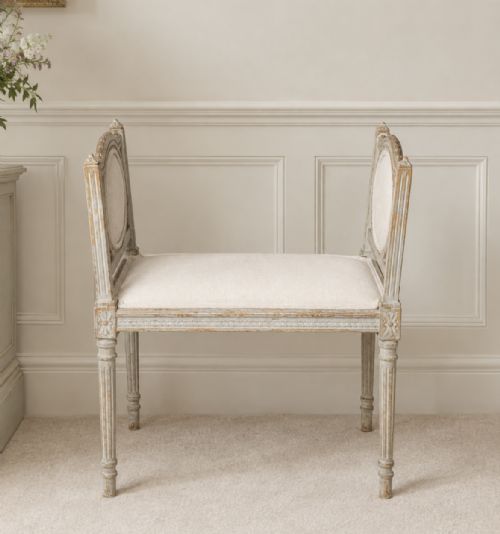
Buyers most frequently meet nineteenth-century painted seating, including rustic French benches and Swedish settees with weathered surfaces. Such items serve practical seating roles while introducing time-worn decorative presence to contemporary and traditional interiors alike.
What varies in quality
Quality in these pieces rests upon the integrity of the original timber frame and the authenticity of the surface finish. Pieces retaining their original paint layers without modern intervention command greater interest among collectors seeking genuine age.
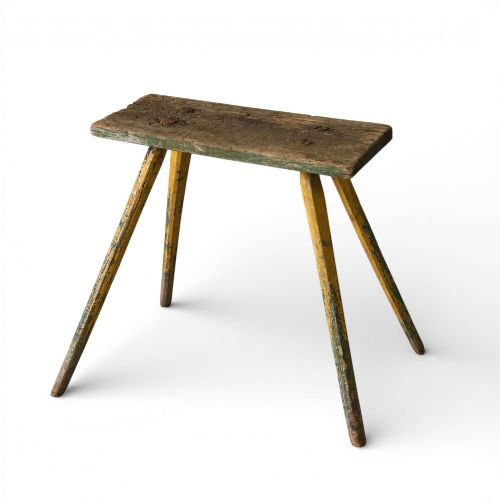
Proportions and stylistic detailing also distinguish the range, from simple utilitarian milking stools to finely carved French Régence and Louis XVI style window seats. The sophistication of the carved woodwork and the harmony of the overall form separate standard utilitarian items from more ambitious seating.
Distressed Wood Bench Retail Price Guide 2026
Typical asking prices for distressed wood bench among the pieces listed under this phrase on Sellingantiques today, from the lower quarter to the upper quarter. They describe what is for sale here now, not the wider market.
The listings span the 18th century through 1930, utilising materials such as pine, paint, timber, linen, cane, and hessian across French and Swedish styles.
The Distressed Wood Bench Glossary
- Gustavian
- A Swedish neoclassical style popular in the late eighteenth and nineteenth centuries, characterised by light colour palettes, restrained carving, and elegant proportions.
- Settle
- A wooden bench with high backrests, solid arms, and often enclosed storage beneath the seat, designed to keep out drafts in older interiors.
- Canape
- An ornamental sofa or settee featuring an upholstered seat and backrest within a decorative wooden frame, common in French interior design.
- Milking stool
- A simple, sturdy three-legged stool traditionally used by agricultural workers for milking livestock, valued for its rustic proportions.
Distressed Wood Bench: Frequently Asked Questions
How do I clean a painted wooden bench?
Dust the surface regularly with a soft, dry cloth to remove accumulated particles without disturbing delicate or flaking paint layers.
Avoid using harsh chemical cleaners or excess moisture, which can strip away historic paint finishes and damage the underlying timber.
Can I use these benches outdoors?
These antique timber pieces were built for indoor domestic, agricultural, or potting shed environments and lack modern weather-resistant treatments.
Exposing antique painted wood to damp outdoor conditions will cause the timber to warp and the historic paint to degrade rapidly.
How do I identify a Gustavian piece?
Look for characteristic Swedish neoclassical design elements, including pale painted finishes, fluted legs, and subtle carved floral motifs.
These pieces typically date from the eighteenth or nineteenth centuries and exhibit a lighter, more restrained aesthetic than heavier continental styles.
What is the difference between a settee and a bench?
A settee generally refers to an upholstered or more formally styled two-seater seating piece with a backrest and armrests.
A bench often describes a simpler, longer wooden form designed for communal dining or utilitarian seating without extensive upholstery.