



Kitchen Table Bench
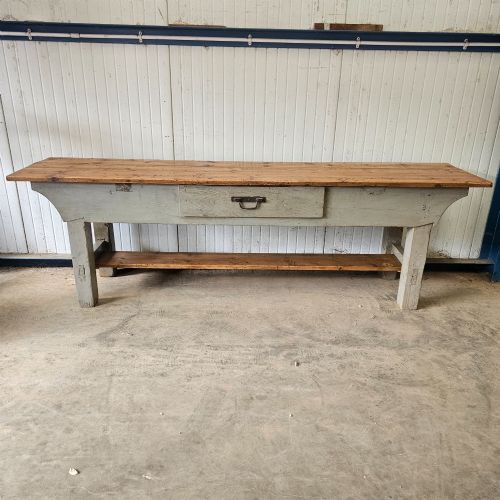
These kitchen table bench pieces are honest, utilitarian seats built for daily domestic and workshop use, prized for their sturdy character and everyday practicality.
Kitchen Table Bench
A kitchen table bench brings functional, long seating to domestic spaces, drawing on designs originally shaped for workrooms, dairies, and farmhouses. These pieces follow utilitarian forms from the nineteenth century and the Edwardian era, constructed to seat multiple people along a table or stand independently.
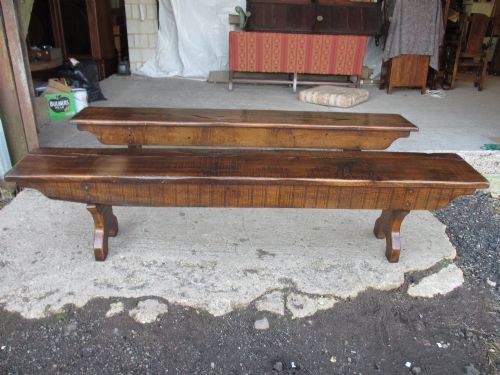
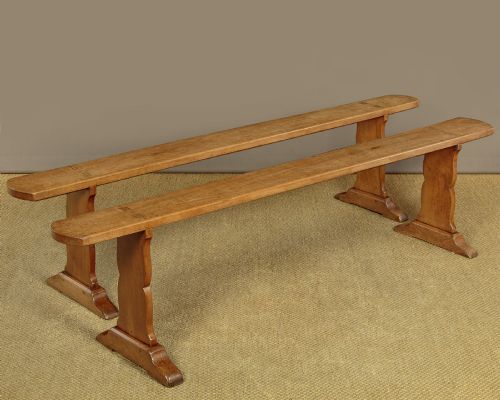
The selection here includes sturdy oak designs with shaped trestle ends, alongside pairs of French cherrywood and fruitwood benches from the nineteenth century. Buyers also encounter substantial elm dough table benches and long pine examples made for communal dining and food preparation.
Origins span British, French, Swedish, and Flemish traditions, reflecting regional workshop practices of the eighteen-hundreds. Most pieces show heavy timber construction designed to endure decades of practical service.
Factors determining quality
Quality rests upon the integrity of the timber selection and the honesty of the construction, where substantial framing and well-balanced proportions distinguish finer work. Superior pieces retain their original structural timber without unnecessary intervention, displaying honest patination earned through genuine service.
The sophistication of regional joinery, such as shaped trestle ends or finely turned supports, elevates certain examples above plain utility. A balanced relationship between length, depth, and leg placement separates well-proportioned workshop pieces from heavier, clumsier forms.
Kitchen Table Bench Retail Price Guide 2026
Typical asking prices for kitchen table bench among the pieces listed under this phrase on Sellingantiques today, from the lower quarter to the upper quarter. They describe what is for sale here now, not the wider market.
The listings feature nineteenth-century pine, oak, cherrywood, and beech, alongside Edwardian and 1920s workshop forms.
Trussant And Cie
The Kitchen Table Bench Glossary
- Trestle ends
- Upright supports joined by a horizontal stretcher, commonly found on benches and long tables to maximise legroom.
- Dough table
- A functional kitchen bench incorporating a bin or storage compartment beneath the surface for proving bread.
- Fruitwood
- Dense timber derived from fruit-bearing trees like cherry or pear, valued by country makers for its warm tone and fine grain.
- Refectory
- A long dining table or accompanying bench traditionally used in communal halls for shared meals.
Kitchen Table Bench: Frequently Asked Questions
How do I style a kitchen table bench?
Pair a wooden bench with a matching farmhouse table or position it against a plain wall as standalone seating. The linear form fits neatly beneath dining surfaces when not in use.
Allow the natural timber grain and signs of age to stand out by keeping surrounding decor simple and uncluttered.
Were these benches made for dining?
Many examples originated in farmhouses, workshops, or dairies where long seating accommodated workers during meals or food preparation. Over time, these utilitarian forms transitioned naturally into domestic dining spaces.
Their robust construction made them ideal for heavy communal use long before they entered the antique market.
How do I care for antique timber?
Clean surfaces gently with a dry or barely damp cloth to preserve the accumulated patina and historic wax finishes. Avoid modern chemical polishes that can soften or damage aged wood.
Keep wooden furniture away from direct heat sources and sudden humidity changes to prevent timber splitting.
How can I tell the period of a bench?
Examine the tool marks, joinery methods, and wood species, which often point to nineteenth-century or Edwardian workshop practices. Hand-sawn boards and pegged joints usually indicate older regional construction.
Compare the overall wear patterns and hardware with dated examples from similar French or British provincial traditions.