





Antique French Dining Bench
An antique french dining bench brings genuine provincial character to a room, offering practical seating built from solid timber during the nineteenth and early twentieth centuries.
Antique French Dining Bench
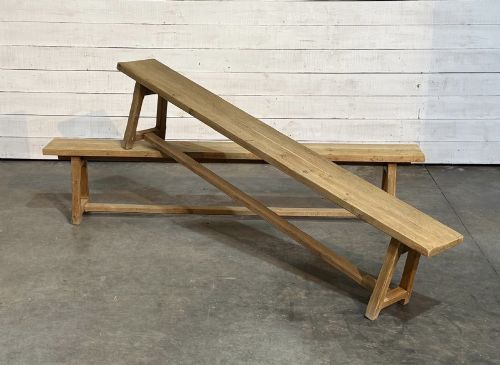
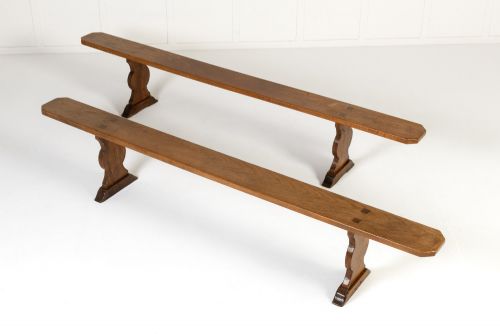
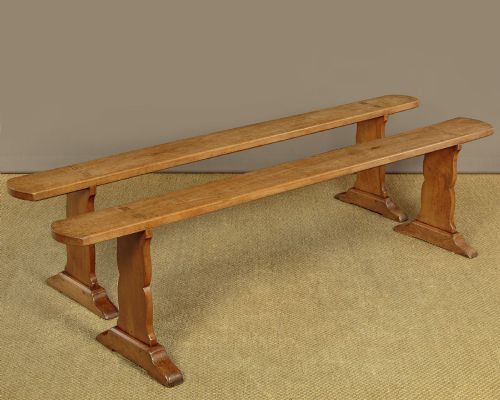
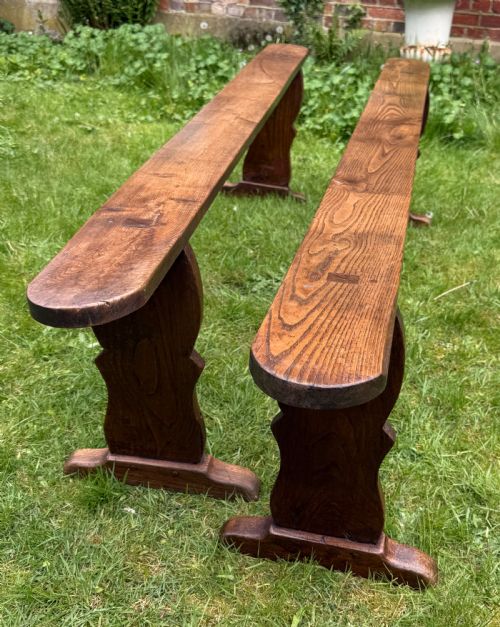
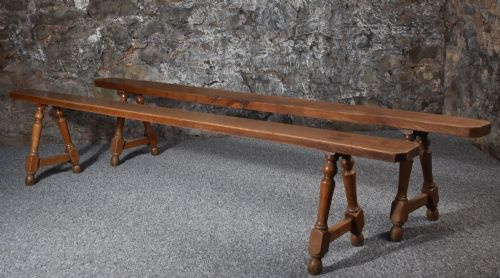
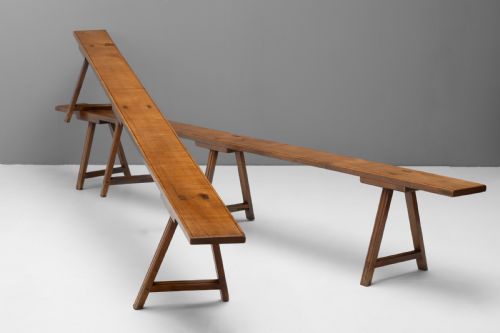
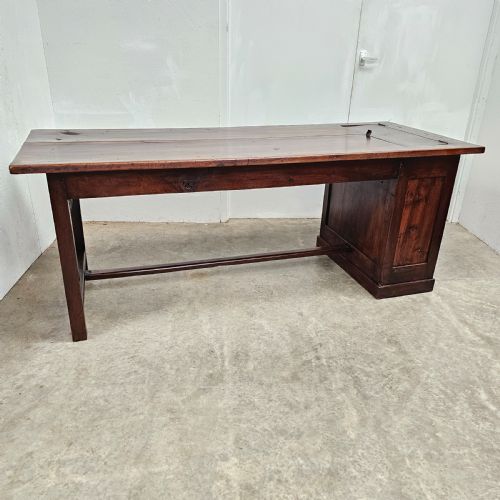
An antique french dining bench represents a functional seating form originating from rural and provincial settings across France, shaped by regional dining traditions. These pieces appear frequently as paired items or exceptionally long individual boards designed to accompany rustic tables.
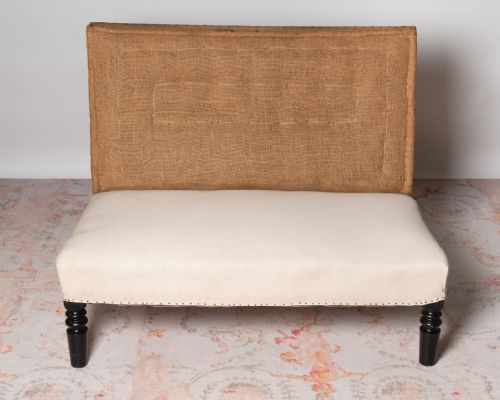
The selections span the nineteenth century through the early twentieth century, including pieces from the Victorian era and the Belle Epoque period. Buyers encounter various forms such as hall benches, banquette sofas, and dedicated dining benches constructed for everyday household use.
Makers utilised native hardwoods to build sturdy furniture intended for heavy domestic demands, resulting in robust proportions. The French Country and Rustic Farmhouse styles dominate these listings, reflecting straightforward utility rather than formal court aesthetics.
Materials and construction methods
Carpenters built each antique french dining bench using solid timbers sourced from local woodlands, relying heavily on elm, oak, cherrywood, pine, and sycamore. These woods provided the structural integrity necessary for daily seating and long dining tables.
Joinery techniques relied on traditional pegged joints and thick boards to withstand decades of heavy use without losing stability. Certain examples incorporate upholstery such as velvet trim or leather panels, particularly within banquette sofa variants from the turn of the twentieth century.
Several benches carry the quiet evidence of centuries of knees knocking against the underside of the rails.
Evaluating craftsmanship and proportion
Quality in an antique french dining bench depends upon the selection of timber and the integrity of the original construction. Pieces fashioned from dense fruitwoods like cherry or durable elm display superior grain depth and structural resilience compared to simpler utility alternatives.
Proportion and length also define the upper tier of these furnishings, especially regarding scarce long benches or balanced pairs. The preservation of untouched surface textures, such as scrubbed finishes and honest wear, marks the distinction between ordinary utility items and finer regional pieces.
The Antique French Dining Bench Glossary
- Banquette
- An upholstered bench or long seat, often featuring a padded backrest and trim. These items frequently appear from the Belle Epoque period.
- Trestle
- A structural support consisting of a horizontal beam fixed to two splayed legs. This form underpins many matching dining tables found alongside these benches.
- Fruitwood
- Timber derived from fruit-bearing trees such as cherry or pear. French provincial cabinet makers favoured these woods for their warm tone and dense grain.
- Scrubbed
- A surface treatment resulting from repeated washing and scouring of bare timber. This process leaves the wood grain clean and pale, typical of hardworking prep and dining surfaces.
Antique French Dining Bench: Frequently Asked Questions
How do I choose the right length?
Measure your existing dining table and allow sufficient clearance for guests to sit comfortably along the span. Very long benches require adequate floor space to maintain proper proportions in the room.
Consider whether you need a single continuous seat or a matched pair that can be arranged flexibly around the table.
Were these benches used exclusively for dining?
While many served around farmhouse and refectory tables, provincial seating was remarkably versatile. Hall benches and longer variants often stood in corridors or large kitchens for general domestic tasks.
Their sturdy timber construction allowed them to transition between dining areas and prep spaces as household needs shifted.
How do I care for antique timber surfaces?
Maintain the wood by dusting with a dry cloth and applying natural wax sparingly to nourish the grain. Avoid placing solid timber pieces near direct heat sources to prevent splitting.
Upholstered sections on banquettes require gentle brushing and professional cleaning to protect historical textiles and velvet trims.
How can I tell the period of a bench?
Examine the tool marks, timber selection, and construction joints to gauge the era of manufacture. Nineteenth-century pieces often display hand-sawn board variations and pegged joints.
Later items from the early twentieth century may incorporate Empire Revival stylistic elements or turn-of-the-century upholstery techniques.