
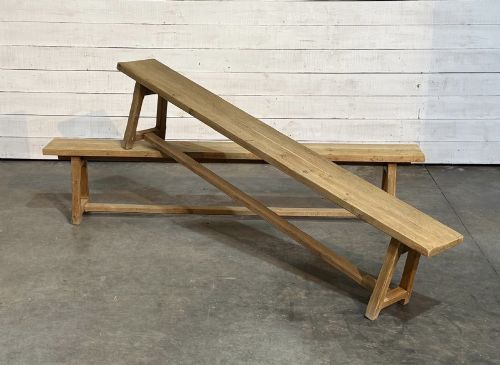
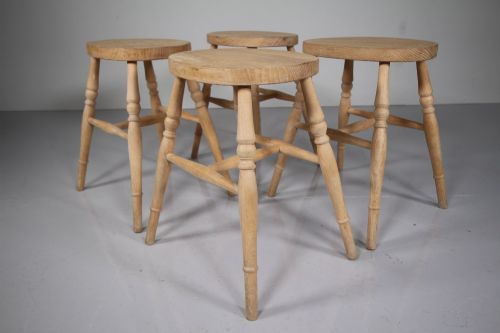
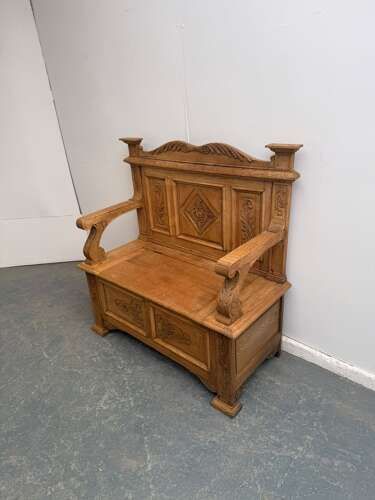
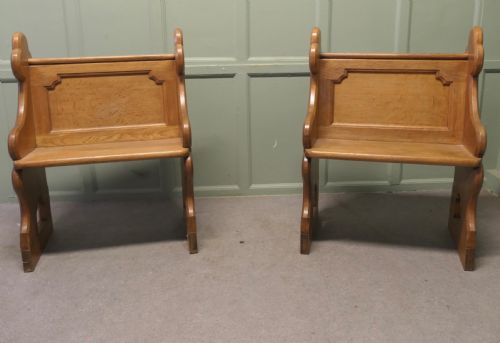


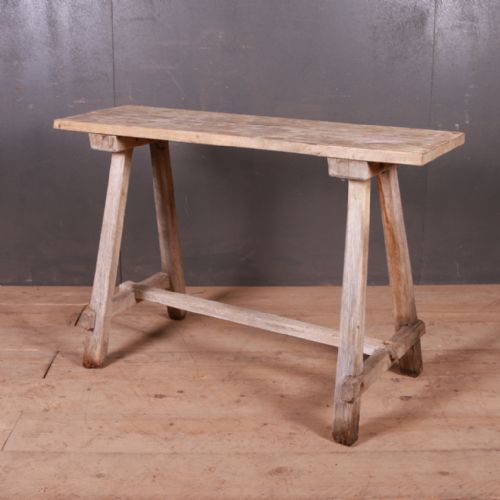
Light Oak Bench
A light oak bench offers a pale timber surface that fits neatly into a hallway or beside a window.
Light Oak Bench
A light oak bench serves as a practical seat fashioned from pale wood, often appearing as a hall bench, settle, or window seat in the listings.
The options span periods from the nineteenth century through the Edwardian era and into nineteen twenty, showing influences from English country to French provincial styles.
Buyers seeking a light oak bench will encounter items ranging from narrow hall boxes to low window seats, occasionally paired with elm, chestnut, or brass details.
How they were made
Carpenters utilised solid timber such as oak, elm, and chestnut to construct these sturdy seats, sometimes applying a pale bleach or wax finish to the wood.
Joinery techniques from the nineteenth century and the Edwardian period involved substantial framing, occasionally incorporating textile elements or carved panels into the structure.
A nineteenth century bench might double as a secret storage box, perfect for hiding away stray boots.
What varies in quality
Distinctions in quality rest upon the crispness of the timber carving and the integrity of the original construction rather than surface age alone.
The choice of materials also dictates the standard, where selected light oak or bleached chestnut displays finer grain patterns than ordinary utility timber.
The Light Oak Bench Glossary
- Settle
- A wooden bench with a high back and solid arms, often featuring a box seat beneath the cushion for storage. These pieces were designed to keep draughts away from the sitter in hallways.
- Bleached oak
- Timber treated to lighten its natural colour, producing a pale tone favoured in French provincial and later country interiors. This finish highlights the grain while modernising the appearance of the wood.
- Gothic revival
- A nineteenth century style drawing on medieval architectural forms, characterised by pointed arches, tracery, and heavy carved details. Pieces from this movement display strong vertical lines and solemn dignity.
- Refectory table
- A long dining table historically used in monasteries, constructed with sturdy legs connected by longitudinal stretchers. In these records, similar trestle and refectory forms accompany the seating.
- Arts and crafts
- A design movement valuing hand craftsmanship and simple forms over mass production, prominent around eighteen eighty and into the early twentieth century. Objects from this era emphasise honest construction and materials.
Light Oak Bench: Frequently Asked Questions
Where should I place a light oak bench?
These pieces suit narrow hallways, boot rooms, or underneath large windows where a low seat is useful.
The pale timber tone allows the furniture to blend into bright spaces without dominating the room.
How do I care for waxed oak timber?
Maintenance involves dusting with a dry cloth and occasionally applying a suitable beeswax to nourish the wood.
Avoiding excessive moisture and direct heat will protect the historic finish from drying or cracking.
Are these benches sturdy enough for daily use?
Solid construction from oak, chestnut, and elm provides a durable frame built to withstand regular sitting.
Checking the joints and overall stability will ensure the seat remains reliable in a busy household.
How can I tell an Edwardian bench from a Victorian one?
Victorian examples often display heavier carvings and darker wax, whereas Edwardian pieces tend towards lighter proportions and simpler country styles.
Examining the construction methods and decorative motifs helps identify the specific period of manufacture.