
Distressed Painted Drawers
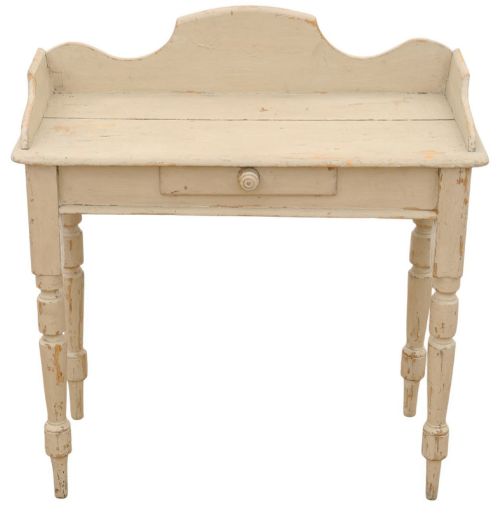
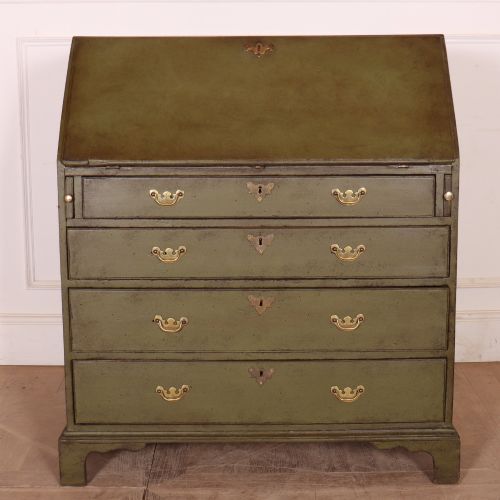
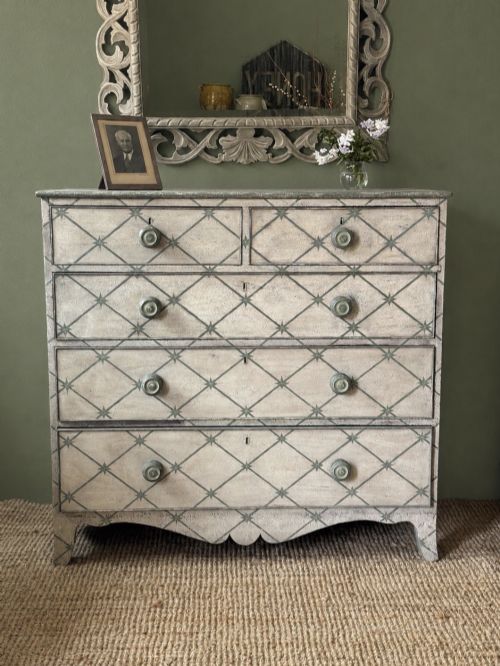
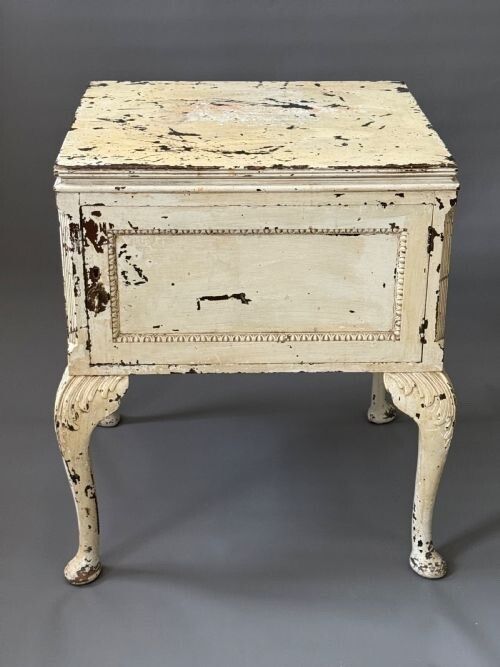
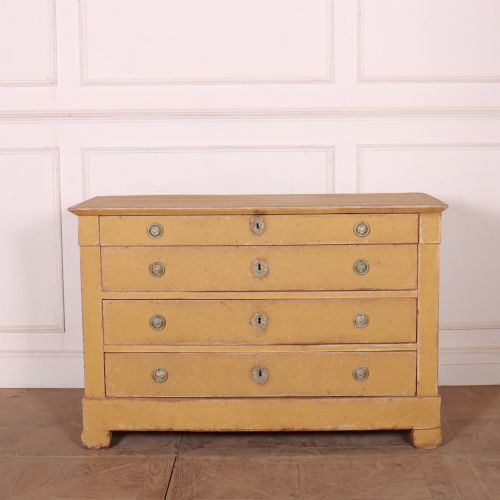
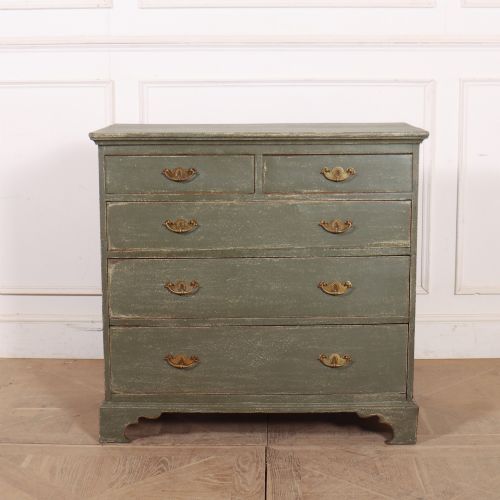
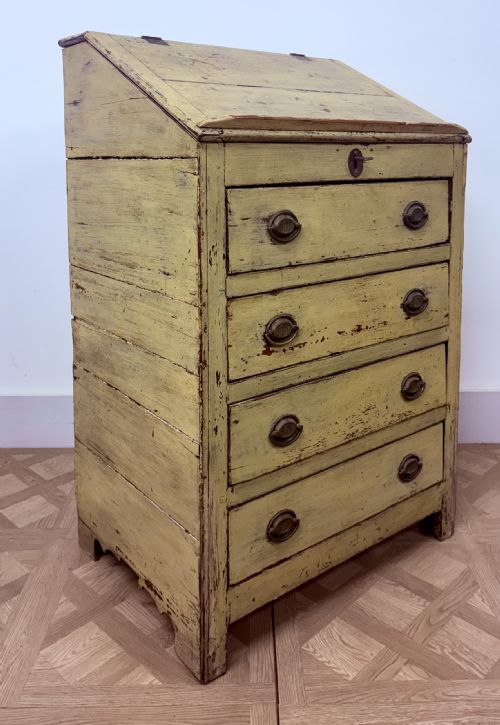
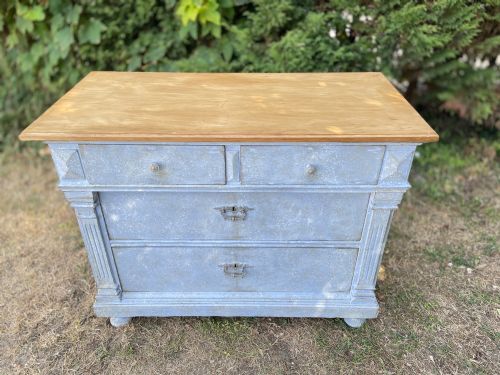
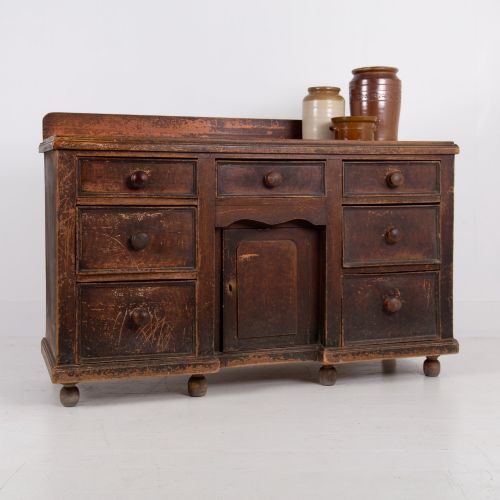
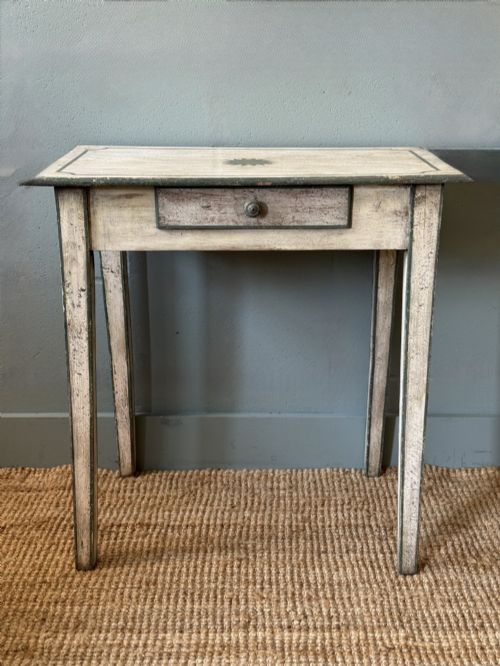
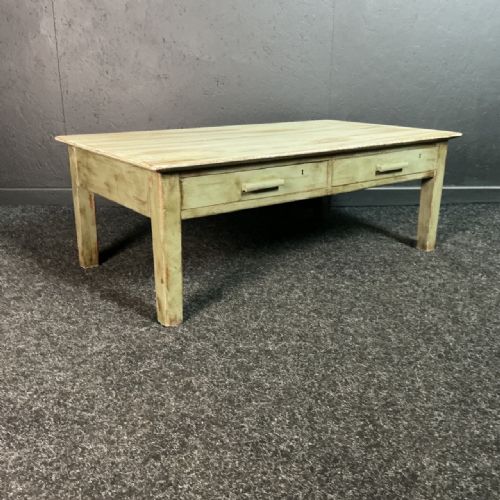
These distressed painted drawers bring character through aged surfaces, worn pigment and tactile storage pieces.
Distressed Painted Drawers
Distressed painted drawers encompass practical storage furniture finished with worn, aged or layered pigment. Buyers searching this phrase seek functional chests, desks and commodes that show the softened edges of long use.
The pieces on this page stem from the eighteenth, nineteenth and early twentieth centuries, spanning periods from Georgian and Regency to Victorian and later decades. English country house pieces and French provincial styles appear frequently alongside Scandinavian commodes.
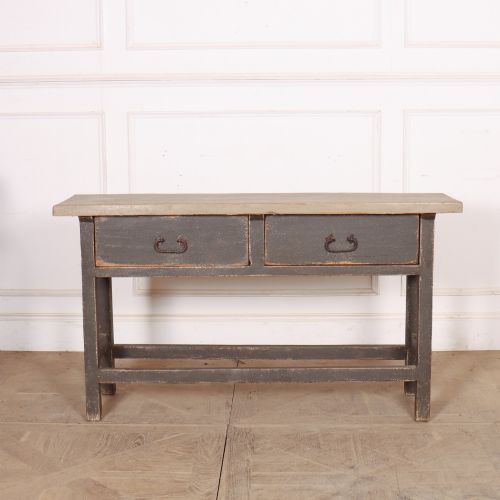
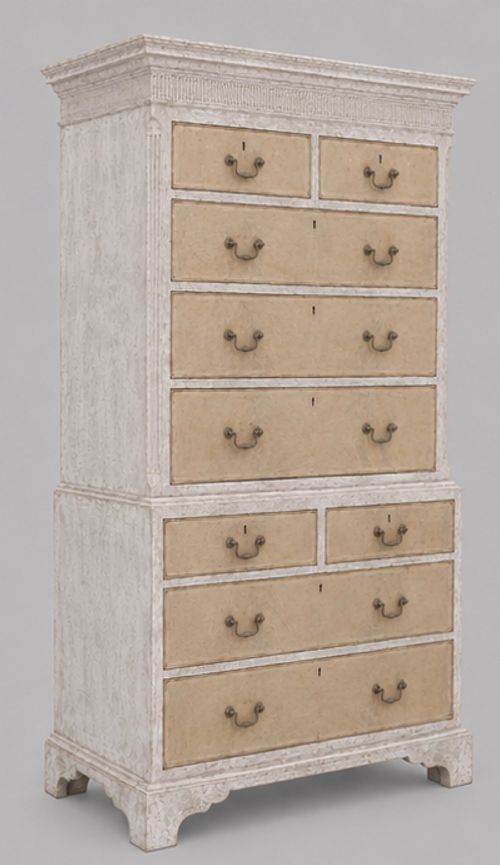
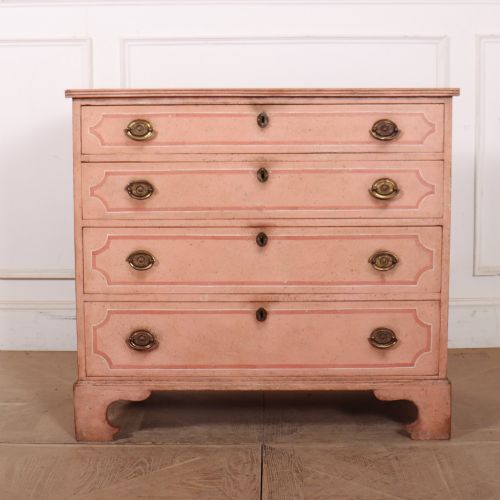
Chest of drawers forms dominate the selection, built in pine, mahogany and fruitwood with applied paint finishes. Alongside standard chests, the listings include bedside cabinets, bureaux, servers and writing tables with distressed painted surfaces.
Materials and Technique
Makers built these pieces primarily from solid timbers like pine, mahogany, birch and fruitwood, joined with traditional framing methods. Surfaces received layers of lead-based paint, scumble glazes or washes that weathered naturally over generations or underwent deliberate distressing.
Hardware typically consists of brass handles, drop pulls or iron fittings mounted onto drawer fronts. Structural details include dovetail joints on drawers and occasionally secondary woods that indicate regional carpentry traditions.
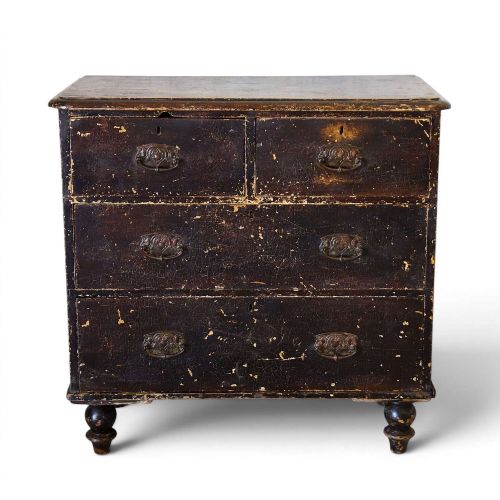
Listings feature eighteenth-century Georgian chests, Victorian pine commodes, and early twentieth-century French provincial servers.
Judging Quality
Quality rests upon the integrity of the underlying timber frame and the historical honesty of the painted surface. Pieces retaining original or early scumble paint and untouched structural joinery stand apart from later interpretations.
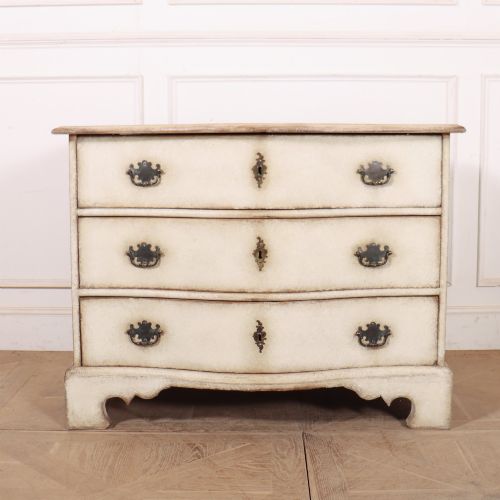
Proportion and execution define the better examples, whether an eighteenth-century serpentine commode or a provincial English chest. Refined drawer construction and balanced hardware placement separate standard utility furniture from finer workshop output.
Edwards and Roberts
The Distressed Painted Drawers Glossary
- Scumble paint
- A translucent glaze manipulated over a pale ground to create mottled or textured decorative effects. This technique appears frequently on nineteenth-century pine furniture.
- Serpentine
- A gently undulating convex and concave front line found on finer eighteenth and nineteenth-century commodes. It requires high carpentry skill to shape timber and drawer fronts to this curve.
- Commode
- A low French or continental chest of drawers or cabinet designed for domestic rooms. These pieces often feature decorative hardware and shaped aprons.
- Mule chest
- A blanket chest fitted with one or two drawers at the base for combined storage. Early nineteenth-century examples often combine utilitarian pine construction with painted finishes.
- Bowfront
- A convex curved chest front that projects outward in an arc. This cabinetmaker's form shapes the visual mass of the piece.
Distressed Painted Drawers: Frequently Asked Questions
Are these painted finishes original?
The selection includes pieces with authentic early or original paint surfaces alongside items painted in later periods. Each listing notes whether the pigment layers date to the construction era or represent subsequent decorative work.
Examining the wear patterns, craquelure and underlying wood helps determine the history of the surface. Surviving original scumble or early paint shows natural integration with the timber beneath.
What woods are beneath the paint?
Pine serves as the most common timber for country house and provincial pieces, particularly in English, Scandinavian and Victorian examples. Hardwoods such as mahogany, birch and fruitwood appear on finer desks, commodes and tables.
Secondary timbers often line the interior drawer boxes, providing structural stability while the primary facades carry the decorative painted finish.
How do I care for distressed painted surfaces?
Maintenance requires dry dusting with a soft cloth and avoiding modern chemical polishes that can lift aged pigment. Keeping the furniture away from direct heat sources prevents the timber from moving and cracking the paint.
Wax is occasionally used by restorers to seal delicate finishes, but gentle handling preserves the historic character of the surface best.
How do I date a painted chest?
Dating relies upon examining the construction methods of the drawers, such as hand-cut dovetails, alongside the overall proportions and style of the piece. Regional characteristics and hardware types also offer clues to the decade of origin.
Periods represented on this page range from Georgian cabinetwork to Victorian utility pieces, each displaying distinct architectural details and joinery traits.