

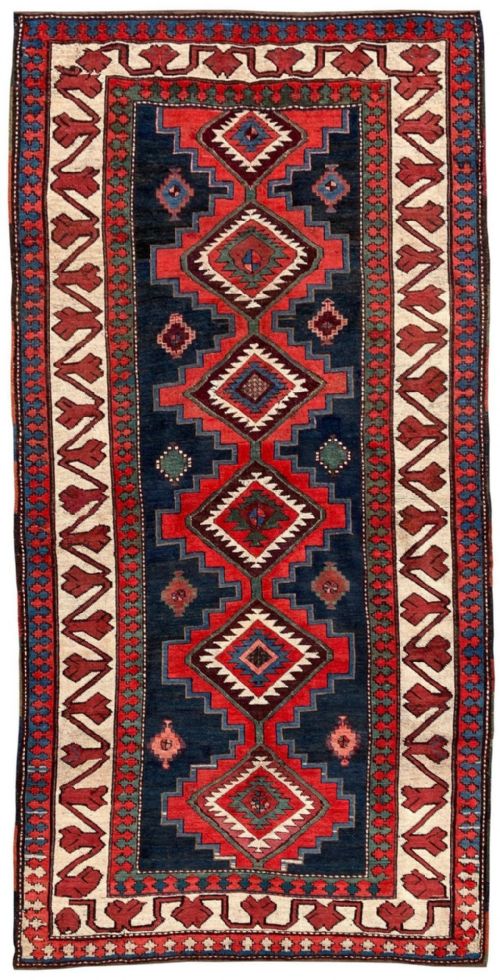
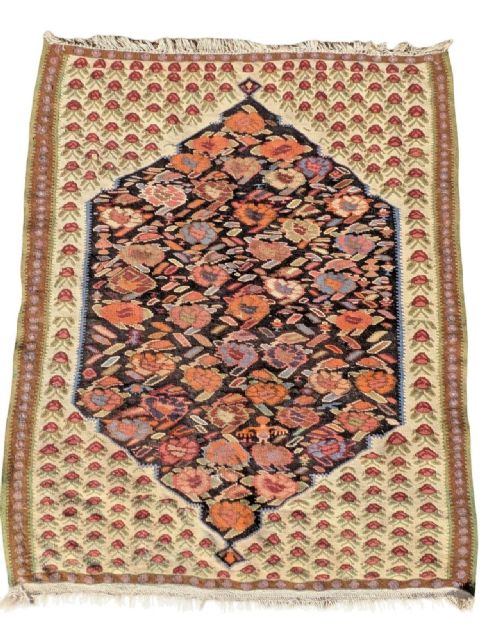
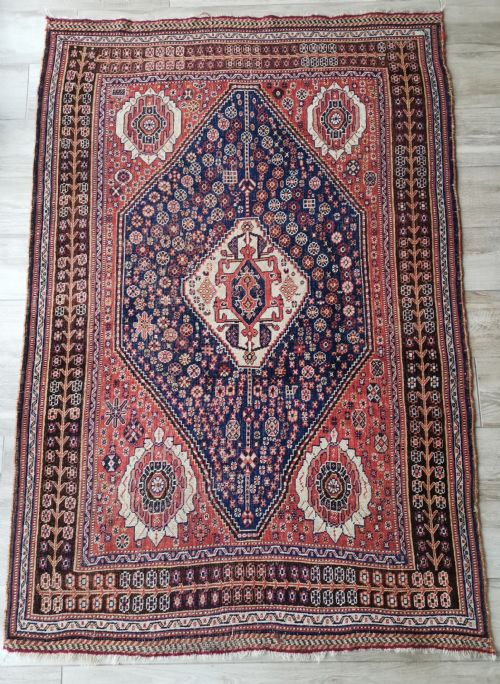
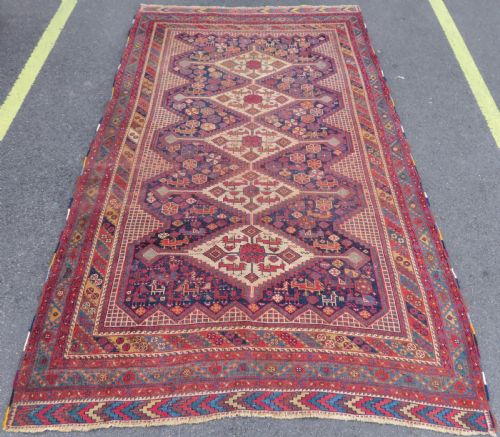
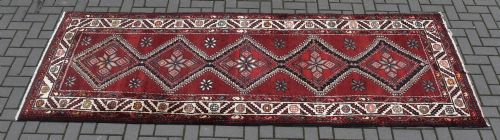


Diamond Medallion Rug
A diamond medallion rug brings tribal Persian character to a room, offering geometric motifs and rich wool textures that collectors prize.
Diamond Medallion Rug
A diamond medallion rug is a hand-knotted textile featuring central geometric diamond motifs, often created by nomadic and village weavers across Persia. These pieces arrive from tribal traditions such as the Qashqai, Khamseh, and Afshar groups, alongside related village workshops. Most examples found here date from the late nineteenth century up to the early twentieth century, spanning periods around eighteen-eighty, nineteen hundred, and nineteen thirty.
The selections on this page encompass various formats, ranging from small tribal rugs and area rugs to larger main carpets and kilims. Buyers encounter classical tribal designs, pomegranate motifs, and boteh patterns worked into formats suited for functional floor coverings. Each piece reflects the specific aesthetic vocabulary of the weaver's tribe rather than standardised urban workshop production.
How they were made
These textiles are constructed primarily with wool piles set upon cotton foundations, utilising hand-knotting techniques traditional to nomadic weavers. The materials reflect pastoral resources, employing durable wool that withstands daily use while retaining suppleness. Individual knots are tied by hand across the warp and weft threads to build the dense pile.
Colour comes from natural dyes derived from plants and minerals, producing deep hues that age with a characteristic patina. The use of traditional dye methods results in subtle variations in tone across the surface of the rug. Skilled placement of these natural colours defines the geometric structure of the central medallions and secondary borders.
Diamond Medallion Rug Retail Price Guide 2026
Typical asking prices for diamond medallion rug among the pieces listed under this phrase on Sellingantiques today, from the lower quarter to the upper quarter. They describe what is for sale here now, not the wider market.
Listings feature pieces from nineteen hundred, eighteen eighty, and nineteen thirty, utilising wool, cotton, and natural dyes.
What varies in quality
Quality in a diamond medallion rug is determined by the precision of the knotting and the complexity of the tribal design. Finer examples display tightly packed knots on the reverse, which allows for sharper geometric lines in the central medallion and border details. The handling of natural dyes also dictates the visual depth, where superior pieces exhibit a harmonious balance of aged tones.
The integrity of the wool and the overall balance of the tribal composition separate standard examples from exceptional ones. Condition plays a role, with even pile retention and secure edges preserving the original format intended by the weaver. Strong tribal character combined with sound structural execution defines the upper tier of these carpets.
The Diamond Medallion Rug Glossary
- Medallion
- A central ornamental motif, often diamond-shaped, set in the middle of the rug field. This design element anchors the entire composition and directs the visual flow.
- Boteh
- A traditional almond-shaped or paisley motif representing a floral or cypress sprout. It appears frequently in secondary borders and field fillings.
- Kilim
- A flat-woven carpet or rug made without a pile by tightly interweaving warp and weft strands. These pieces offer a lighter weight and distinct geometric surface texture.
- Warp
- The stationary vertical threads stretched onto the loom before weaving begins. The pile knots are tied around these foundational threads.
- Weft
- The horizontal strands passed alternately over and under the warp threads to secure the knots in place. This grid forms the stable backing of the textile.
Diamond Medallion Rug: Frequently Asked Questions
What is a diamond medallion rug?
A diamond medallion rug is a hand-knotted tribal textile featuring a prominent central geometric diamond shape. These pieces originate from Persian nomadic and village weaving traditions.
Weavers use wool and natural dyes to create these distinctive central motifs, which serve as the focal point of the design. Each rug represents the cultural heritage of specific tribal groups.
How do I care for an old rug?
Caring for an antique tribal rug requires gentle maintenance, such as regular vacuuming without a rotating brush. Professional cleaning should be utilised periodically to protect the natural wool and dyes.
Placing the rug out of direct sunlight helps prevent fading of the natural colours over time. Using a quality rug underlay also reduces friction and wear on the cotton foundation.
Where were these rugs made?
These textiles were produced by nomadic and village tribes across Persia, including the Qashqai, Khamseh, and Afshar peoples. Each tribe inhabited specific regions and developed distinct weaving styles.
The materials and structural characteristics reflect the resources available to these pastoral communities. Consequently, regional variations distinguish one tribal weaving tradition from another.
How can I tell the age of a rug?
Dating a rug involves examining the materials, such as the specific quality of the wool and the composition of the natural dyes. Subtle irregularities in the geometry often point to traditional hand-weaving methods from periods like nineteen hundred or earlier.
Structural wear and the patina of the dyes also provide clues regarding the antiquity of the piece. Comparing construction details with documented tribal examples helps establish the likely era of manufacture.