


1900s Persian Rug
A 1900s persian rug brings rich colour and enduring tribal or traditional design directly to the floor.
1900s Persian Rug
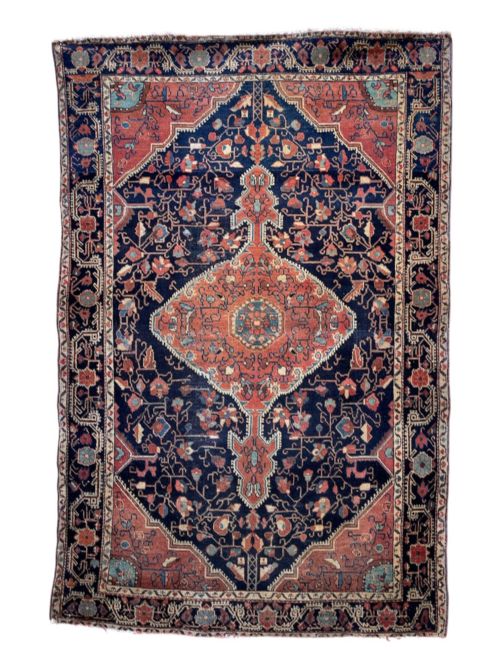
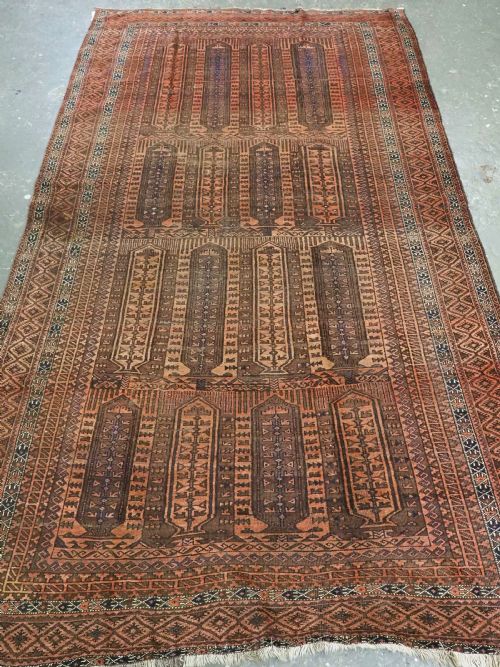
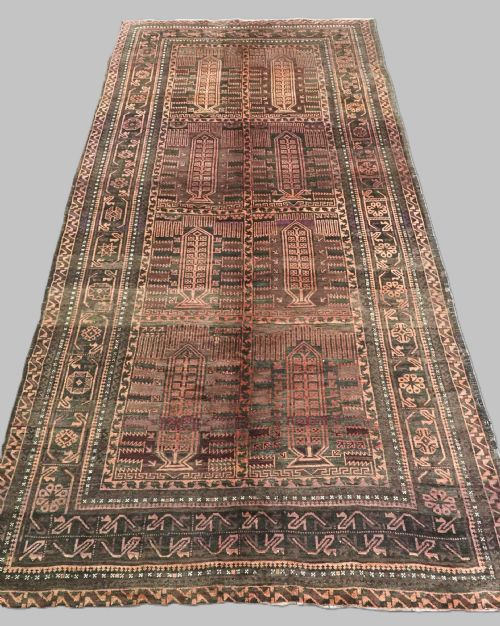
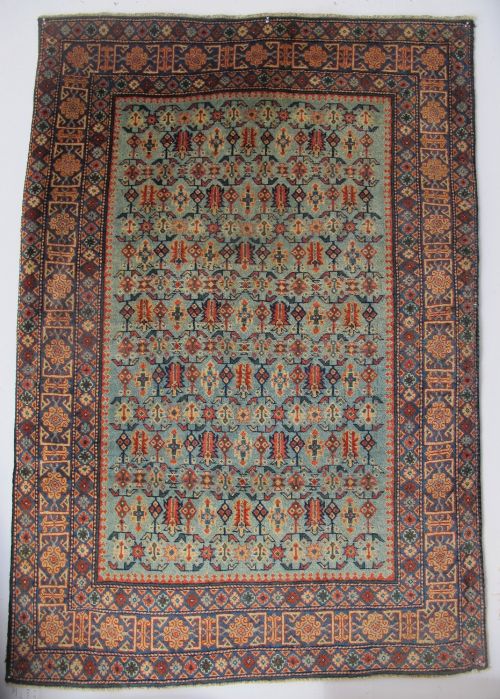
A 1900s persian rug encompasses woven carpets and area rugs originating from Persia around the turn of the twentieth century. These pieces reflect distinct regional weaving traditions, ranging from urban workshops to nomadic tribal groups.
Originating from North-West Persia and other weaving centres, these floor coverings combine functional utility with sophisticated decorative motifs like botehs and peacocks.
Materials and construction
Every 1900s persian rug relies on traditional natural materials, predominantly utilising wool for the pile and cotton for the structural foundation. Weavers knotted these fibres by hand to create dense, resilient textiles capable of lasting generations.
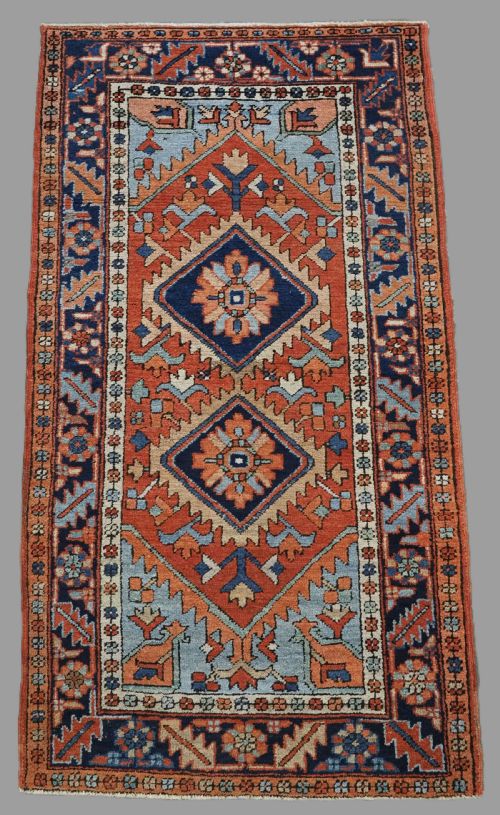
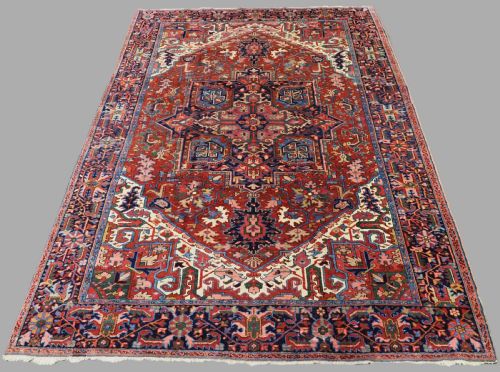
The production methods depend heavily on regional workshops and tribal practices active circa 1900. Artisans employed natural dyeing traditions to achieve the rich colours characteristic of Heriz carpets and Qashqai tribal pieces.
1900s Persian Rug Retail Price Guide 2026
Typical asking prices for 1900s persian rug among the pieces listed under this phrase on Sellingantiques today, from the lower quarter to the upper quarter. They describe what is for sale here now, not the wider market.
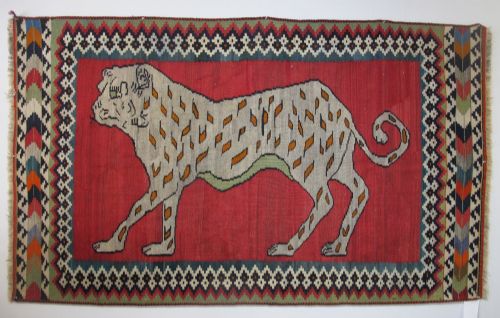
Look closely within the geometric fields of these tribal weaves to spot hidden peacocks woven by nomadic hands over a century ago.
Distinctions in quality
Quality in a 1900s persian rug rests upon the precision of the knotting and the complexity of the regional design. Finer urban works like Tabriz pieces display intricate detail, whereas tribal rugs derive their character from bold, expressive geometry.
The preservation of original colour depth and structural integrity elevates certain carpets above others. Examples retaining their full pile and clear, saturated hues demonstrate superior craftsmanship from the era.
The 1900s Persian Rug Glossary
- Boteh
- A stylised almond or pear-shaped motif representing a sprout, cypress tree, or flame. This ancient symbol appears frequently across Persian weaving.
- Medallion
- A large central ornamental design set in the middle of the field. Many regional rugs centre their composition around single or multiple medallions.
- Pile
- The upright yarn loops forming the soft surface of the rug. In hand-knotted carpets, the density of this pile dictates durability and visual clarity.
- Tribal
- Pertaining to nomadic or semi-nomadic groups weaving outside urban workshops. These pieces often feature geometric patterns and designs passed down through generations.
1900s Persian Rug: Frequently Asked Questions
How do I style a large rug?
A large carpet anchors the furniture arrangement within a living room, dining room, or hallway. Placing it centrally allows the regional design to remain visible.
Ensure surrounding decor complements the rich colours and traditional motifs of the textile.
What materials are used?
Traditional Persian rugs use wool for the upper pile and cotton for the foundation warp and weft. These natural materials provide structural strength.
Hand-knotting secures the wool fibres firmly to the cotton backing during production.
How do I identify a Qashqai rug?
Qashqai rugs typically feature tribal motifs such as single or triple medallions, geometric animals, and stylised birds like peacocks. They originate from nomadic weavers in south-western Persia.
These pieces showcase spontaneous design choices rather than strict urban grid plans.