






Derby Ceramic Figurine
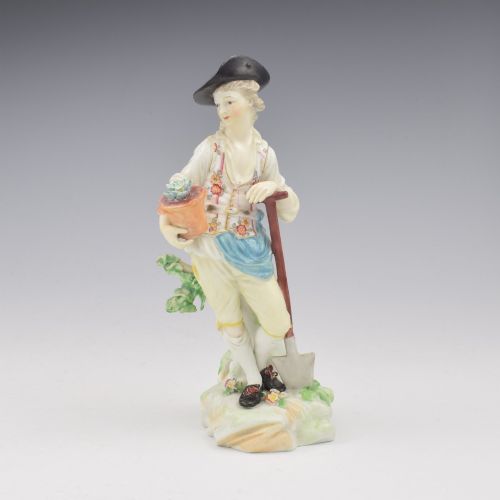
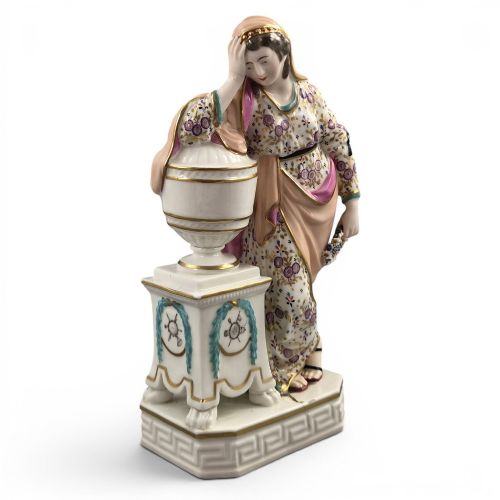
When you search for a derby ceramic figurine, you are looking at small sculptural works of porcelain modelled with mythological, pastoral or theatrical subjects.
Derby Ceramic Figurine
A derby ceramic figurine encompasses modelled porcelain figures, candlestick figures, and figural groups produced across several distinct eras, stretching from mid-eighteenth-century Georgian workshops through to later nineteenth-century revivals. When you browse this page, you will most frequently encounter Georgian examples from the patch-mark period alongside later nineteenth-century interpretations made in Paris or Germany.
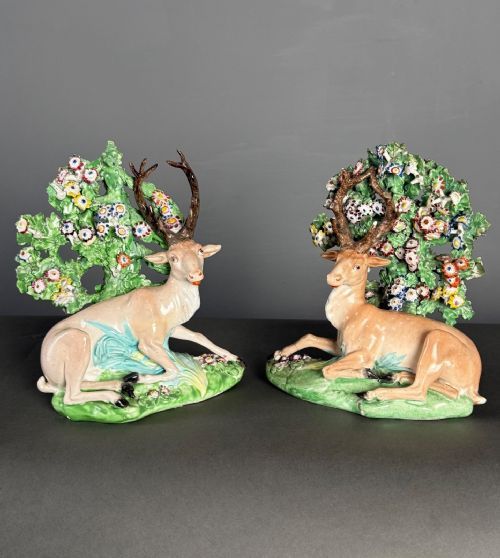
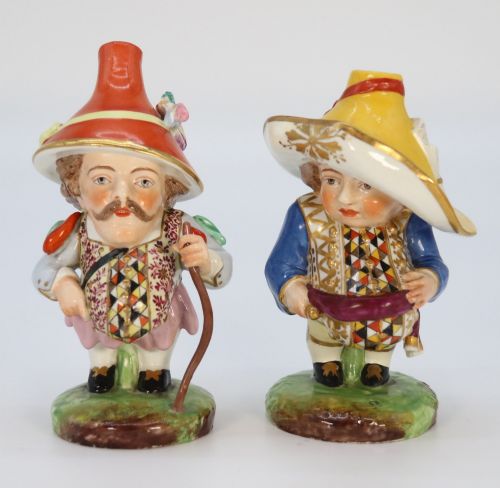
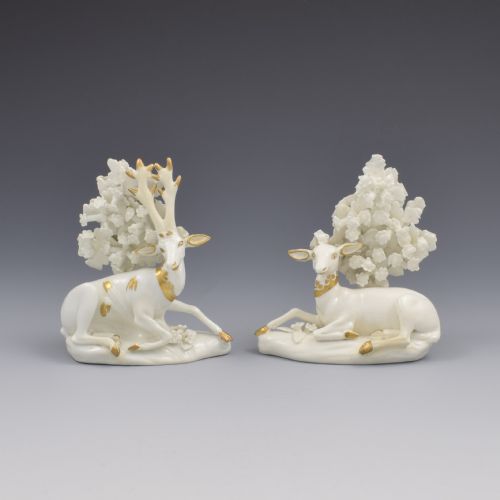
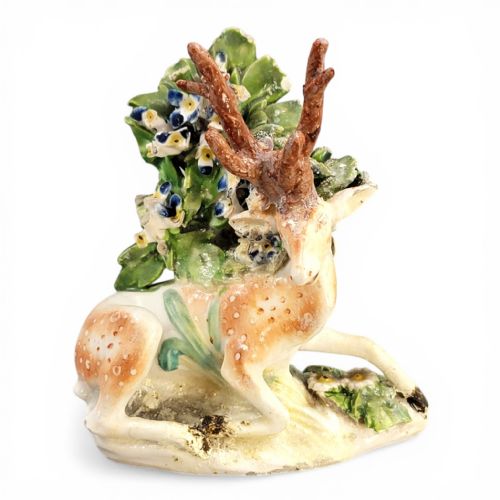
The subjects range widely from classical deities such as Jupiter, Minerva, and Pluto to pastoral characters including shepherds, shepherdesses, musicians, street vendors, and animals such as stags and wild boars. Many early pieces depict specific theatrical roles or allegorical themes like the elements and the seasons, often formed as pairs or elaborate candelabra groupings.
Makers and regional styles vary considerably within these listings, spanning authentic eighteenth-century Derby factory output, nineteenth-century Bloor period works, and Continental pieces created in the Derby style by factories such as Samson of Paris.
How they were made
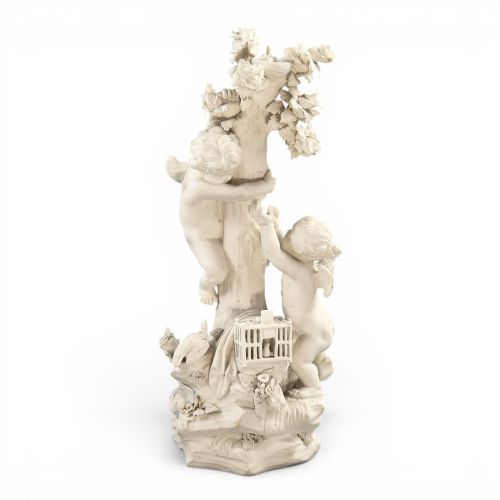
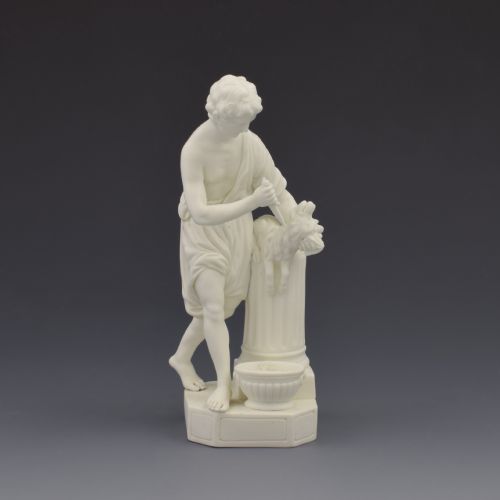
Makers utilised soft-paste porcelain and biscuit porcelain as the primary body materials, shaping the figures through press-moulding techniques that allowed for intricate details like leafy bocage backgrounds and delicate facial expressions. Biscuit porcelain remained unglazed to display a matte, marble-like texture, whereas glazed porcelain provided a smooth base for hand-painted enamel colours and gilding.
Enamels and gold leaf were applied by hand over the fired glaze before a second low-temperature firing fixed the palette, creating the rich polychrome surfaces seen on the theatrical and pastoral figures. Many examples incorporate applied elements such as flowers and foliage, individually hand-formed and attached prior to firing.
Derby Ceramic Figurine Retail Price Guide 2026
Typical asking prices for derby ceramic figurine among the pieces listed under this phrase on Sellingantiques today, from the lower quarter to the upper quarter. They describe what is for sale here now, not the wider market.
Listings span Georgian, Regency, and Victorian eras, incorporating both glazed soft-paste porcelain and unglazed biscuit porcelain forms.
What varies in quality
Early eighteenth-century casting sharpness differs from later nineteenth-century revival pieces, where moulds could lose definition through successive copying. The presence of original matching pairs, complete sconces on candlestick figures, and intact delicate applied details substantially elevates the quality and desirability of a piece.
Samson of Paris·Stevenson and Hancock
The Derby Ceramic Figurine Glossary
- Bocage
- A pierced, leafy background of applied foliage and flowers that surrounds many eighteenth-century figures. This delicate arbourwork provides a naturalistic setting for pastoral and mythological subjects.
- Biscuit porcelain
- Unglazed fired porcelain that has a matte, porous texture resembling marble. This body was favoured for classical figures to emphasise sculptural form.
- Patch mark
- A small unglazed scar on the base of an early porcelain piece left by the cylindrical fireclay supports used in the kiln. These marks help date eighteenth-century works.
- Soft-paste porcelain
- An artificial porcelain composition made from white clay mixed with ground glass and other frit materials. It matured at lower temperatures than hard paste, producing a warm glaze texture.
Derby Ceramic Figurine: Frequently Asked Questions
What is a patch mark?
A patch mark is an unglazed square or circular scar left on the underside of early porcelain by the kiln supports. These tiny scars indicate eighteenth-century manufacturing methods.
Finding these marks helps collectors distinguish early pieces from later nineteenth-century reproductions which rarely feature them.
How do I spot biscuit porcelain?
Biscuit porcelain is left completely unglazed after firing, giving it a tactile, matte finish that resembles carved marble. This surface lacks the glossy shine typical of standard glazed ceramic.
Makers frequently chose this unglazed body for classical figures and allegorical groups to highlight fine sculptural detailing.
What is a bocage background?
A bocage is an applied background of modelled leaves, branches, and flowers that frames pastoral and theatrical figures. It creates a decorative wooded canopy behind the main subject.
These delicate leafy arbours are prone to damage over time, making intact examples particularly sought after by collectors.
Are these figures glazed?
Many figures feature a clear glossy glaze over painted enamel colours, while others are made entirely from unglazed biscuit porcelain. The finish depends largely on the specific model type and period.
Glazed pieces display bright polychrome decoration, whereas biscuit examples rely purely on shadow and form.