





Enamelled Porcelain Statue
An enamelled porcelain statue brings centuries of master figure modelling and vibrant glaze work straight into a room.
Enamelled Porcelain Statue
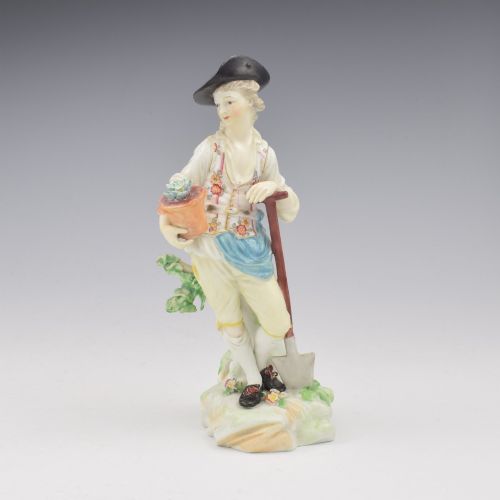
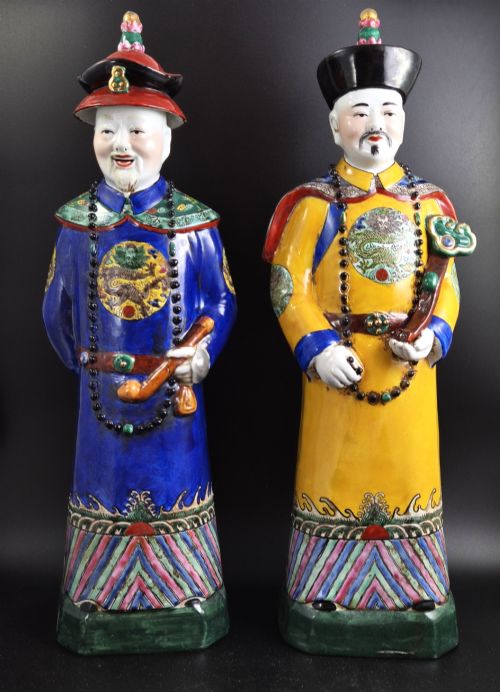
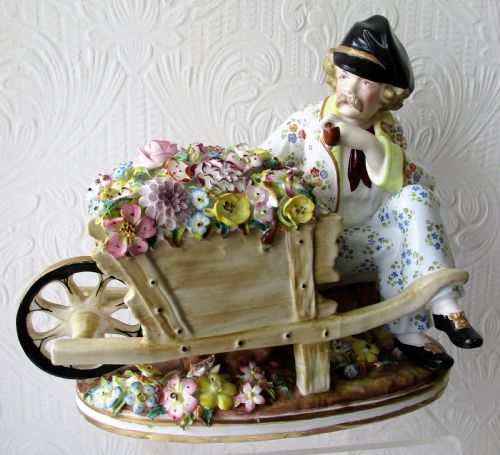
The selections on this page span diverse cultural traditions, including Qing Dynasty figures, Japanese deities such as Jurojin and Kannon, and European classical allegories. Figurines and larger statues take the form of gardeners, musicians, emperors, and immortals.
Makers and factories represented include English houses like Derby, Royal Dux, and John Bevington alongside Asian ceramic traditions. Pieces appear from periods including the eighteenth century, the Victorian era, and the early twentieth century.
Materials and technique
Makers used soft-paste and hard-paste porcelain formed into figurines and statues through meticulous moulding or hand-shaping. The raw clay body received an initial firing before artists applied detailed overglaze enamels.
Gilding and gold leaf often accent the painted surfaces, adding metallic highlights to robes, bases, and attributes. Certain English pieces utilise patch marks and distinct glaze formulations to indicate their workshop origin.
Enamelled Porcelain Statue Retail Price Guide 2026
Typical asking prices for enamelled porcelain statue among the pieces listed under this phrase on Sellingantiques today, from the lower quarter to the upper quarter. They describe what is for sale here now, not the wider market.
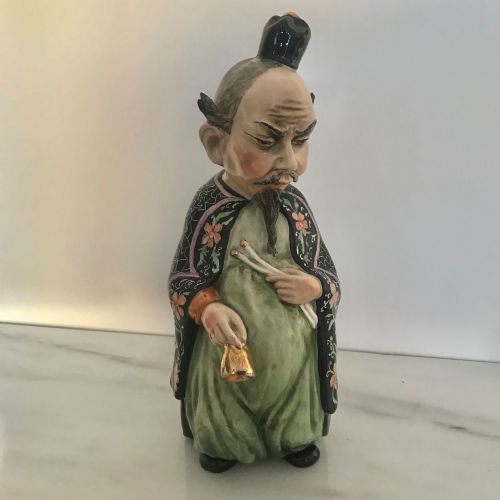
Several figures depict ancient deities and immortals holding unusual attributes, including a god of longevity and various celestial beings.
Variations in quality
Quality rests in the crispness of the modelling and the precision of the enamel painting across the surface. Superior examples display subtle facial expressions, cleanly defined drapery, and controlled application of gold leaf.
Pieces from established kilns and factories demonstrate greater refinement in the porcelain body and a more harmonious palette of overglaze colours. The distinction between standard decorative output and exceptional works lies in the depth of sculptural detail.
John Bevington·Royal Dux
The Enamelled Porcelain Statue Glossary
- Overglaze Enamel
- Colourful decoration applied over a fired and glazed porcelain surface before undergoing a subsequent low-temperature firing. This technique allows for vibrant pigments and detailed brushwork.
- Soft-paste Porcelain
- A ceramic composition containing clay and glass frit, fired at lower temperatures than hard-paste porcelain. It produces a warm texture and creamy tone characteristic of early European factories.
- Patch Marks
- Small unglazed spots on the underside of early porcelain figures where kiln furniture supported the piece during firing. Their presence helps identify specific eighteenth-century English factories.
- Gilding
- The application of gold leaf or powdered gold to porcelain surfaces for decorative enhancement. It frequently highlights garments, bases, and sculptural details on statues.
- Kutani
- A style of Japanese coloured porcelain characterised by bold overglaze enamel painting, often featuring figures of deities and immortals. Production spans multiple historic periods.
Enamelled Porcelain Statue: Frequently Asked Questions
How do I date an antique porcelain figure?
Dating relies on identifying factory marks, stylistic traits, and the composition of the porcelain body itself. Eighteenth-century pieces often display specific patch marks or hand-painted numbers.
Later Victorian and Edwardian works show different potting techniques and standardised factory stamps. Comparing the enamel palette to known period examples confirms the era of production.
Where should I display a porcelain statue?
These statues require stable surfaces away from direct sunlight and areas of heavy household traffic. Placing them inside a secure cabinet protects the delicate overglaze enamels and protruding ceramic elements.
Ensure the support level prevents any accidental tipping, particularly for taller figures and pairs.
What is the difference between a figurine and a statue?
Terminology often overlaps in ceramic listings, though statues generally denote larger or more monumental single figures. Figurines frequently describe smaller cabinet pieces, sometimes produced in matching sets or series.
Both categories utilise similar porcelain bodies and enamel decoration techniques.
How do Chinese and European figures differ?
European porcelain figures from this selection typically depict gardeners, musicians, and classical allegories produced by factories like Derby. Chinese examples focus on emperors, immortals, and Luohans created in imperial or regional kilns.
Japanese Kutani pieces portray traditional deities such as Jurojin and Kannon with distinctive enamel palettes.