





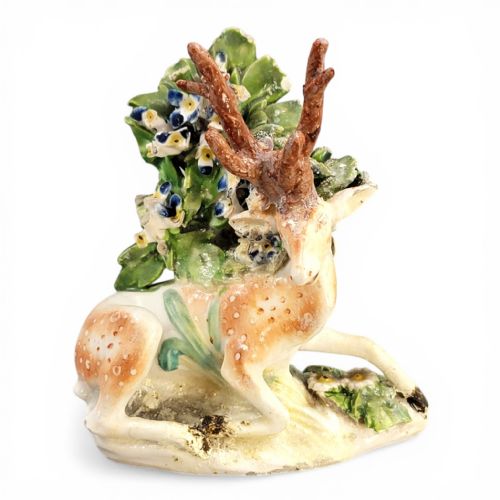
Antique Derby Figures
These antique derby figures bring eighteenth-century pastoral charm and mythological grace directly into a room through finely modelled porcelain.
Antique Derby Figures
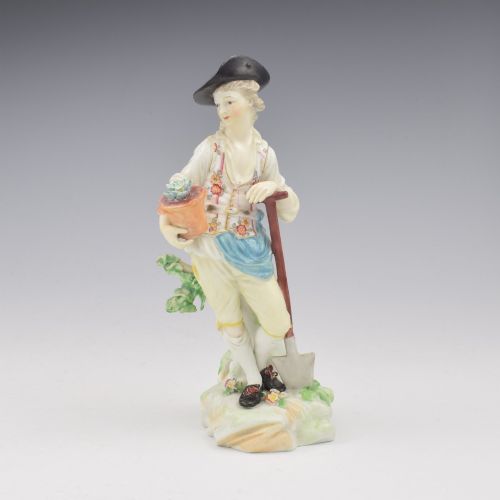
Antique derby figures encompass a diverse range of porcelain figurines, candlestick groups, and sculptural works produced from the mid-eighteenth century onward. Collectors encounter early Georgian pastoral subjects, mythological deities, and theatrical characters alongside later nineteenth-century revivals.
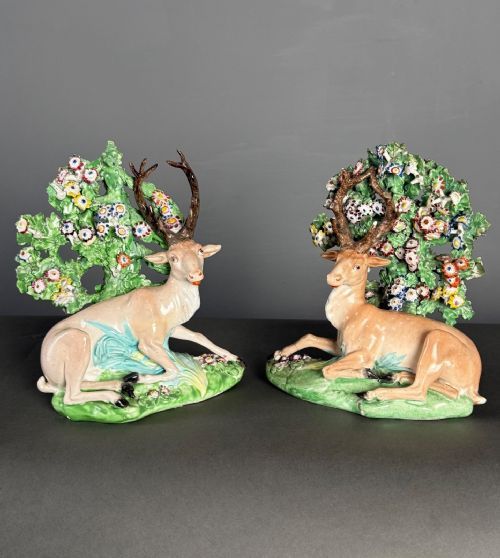
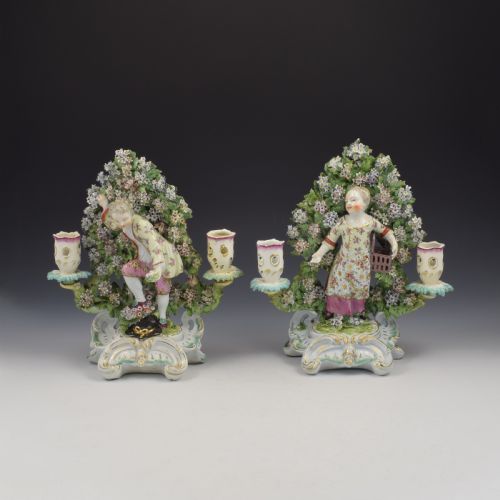
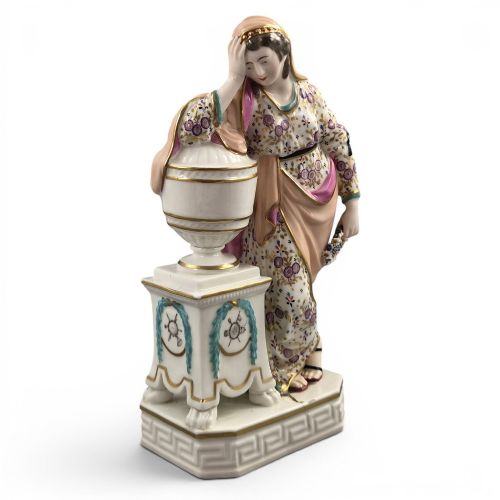
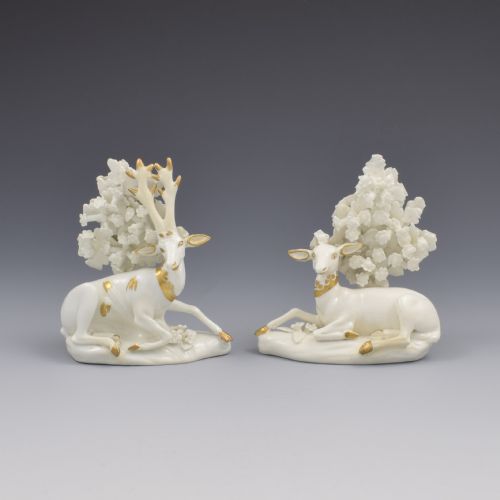
The selections span delicate musicians, shepherdesses with lambs, and allegorical representations such as the seasons or elements. Many feature naturalistic bocage backgrounds, while others stand as single figures or structured pairs.
Pieces stretch from the early patch-mark period through the Bloor era and into later nineteenth-century interpretations. Each era brings distinct modelling standards and decorative approaches that define the physical presence of the object.
Materials and manufacture
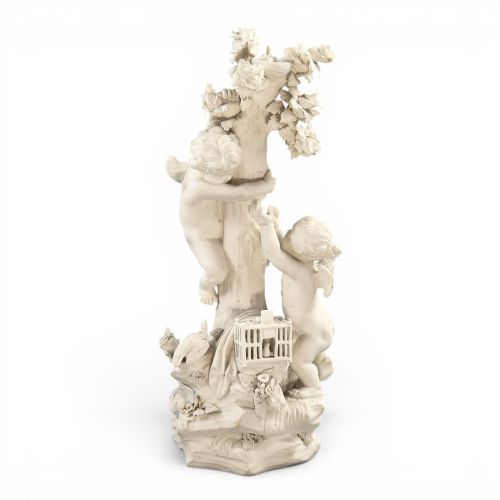
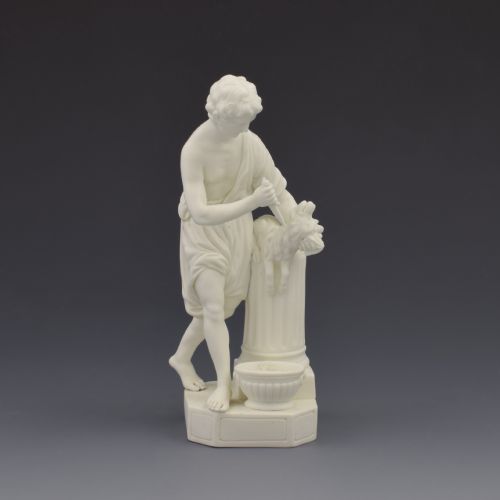
Makers utilised soft-paste porcelain during the early periods, yielding a warm, slightly translucent body well suited to fluid modelling. Biscuit porcelain emerged later, offering an unglazed matte finish that closely resembles fine marble.
Model numbers and specific kiln techniques evolved over decades, allowing workshops to produce intricate details like flowering bushes and animal companions with varying degrees of relief.
Antique Derby Figures Retail Price Guide 2026
Typical asking prices for derby figures among the pieces listed under this phrase on Sellingantiques today, from the lower quarter to the upper quarter. They describe what is for sale here now, not the wider market.
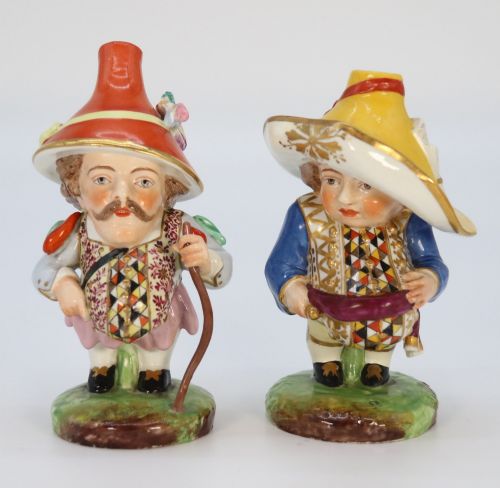
Mansion House dwarves wear oversized tricorn hats that practically swallow their faces whole.
Evaluating craftsmanship and condition
The sharpness of the original modelling distinguishes superior examples from softer secondary castings. Crisp facial expressions and well-defined drapery folds indicate a careful primary run from the kiln.
The application of enamel and gilding plays a major role in the visual impact of a piece. Controlled brushwork and harmonious colour palettes separate master works from standard production items.
Intricate additions like bocage foliage require immense skill to fire successfully. The absence of heavy restoration and the preservation of delicate extremities determine the lasting integrity of the sculpture.
Samson of Paris·Stevenson and Hancock
The Antique Derby Figures Glossary
- Patch mark
- A small unglazed scar on the base of early porcelain left by the refractory spacers used inside the kiln. These marks help verify eighteenth-century production methods.
- Bocage
- An ornamental background of applied foliage and leaves surrounding a central figure. It appears frequently on mid-Georgian candlestick groups.
- Biscuit porcelain
- Unglazed fired ceramic that presents a matte, white texture resembling carved marble. It gained popularity for classical and allegorical subjects.
- Soft-paste porcelain
- An artificial ceramic paste composed of white clay and glass frit fired at lower temperatures than hard paste. It creates a softer lustre and distinct translucency.
- Bloor period
- The era of Derby production managed by Robert Bloor during the early nineteenth century. Figures from this time often display richer enamelling and bolder palettes.
Antique Derby Figures: Frequently Asked Questions
How do I spot an early piece?
Early examples often display patch marks on the unglazed base and utilise soft-paste porcelain bodies that show warmth under strong light.
Modelling tends to be organic and fluid, reflecting mid-eighteenth-century sculptural trends before standardised factory numbers became widespread.
What is bocage?
Bocage refers to the leafy, branching background applied behind figures to simulate a natural woodland setting. It is typical of Georgian candlestick groups.
Because these delicate leaves were prone to damage during firing and handling, intact bocage remains a significant point of interest for collectors.
Why are some figures unglazed?
Unglazed pieces are made of biscuit porcelain, a material deliberately left without a glossy finish to highlight fine sculptural details.
This matte surface mimics white marble and was particularly favoured for classical figures, allegorical groups, and mythological subjects.
How should I display them?
These figures require stable placement away from direct sunlight and high traffic to protect delicate enamels and protruding extremities.
Enclosed cabinets with gentle interior lighting provide both safety from accidental knocks and an optimal viewing environment for intricate details.