



Decorative Wool Carpet
A decorative wool carpet brings the rich texture of Persian, Ottoman, and tribal weaving into a room.
Decorative Wool Carpet
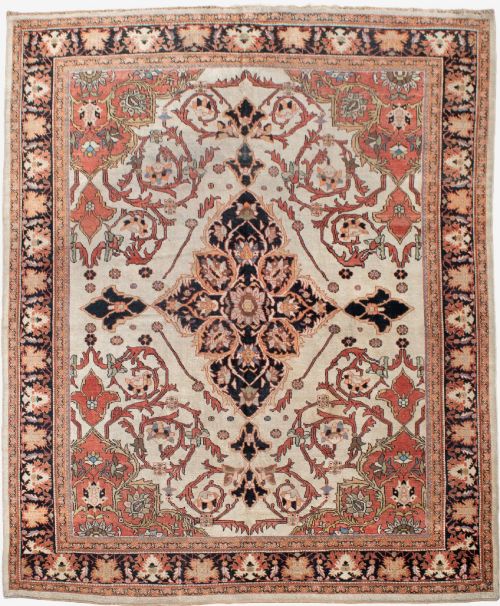
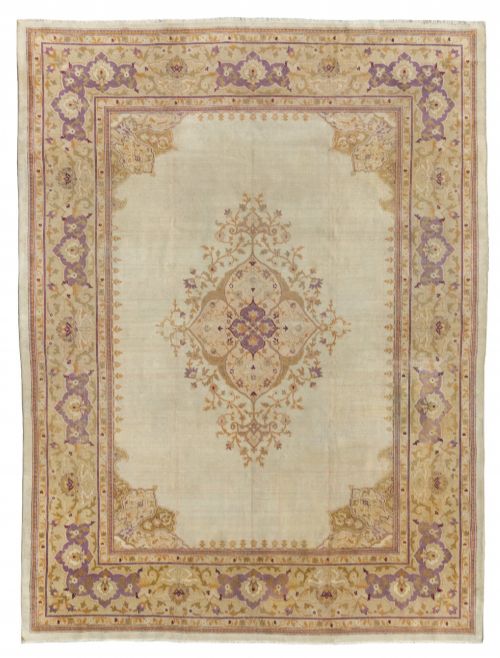
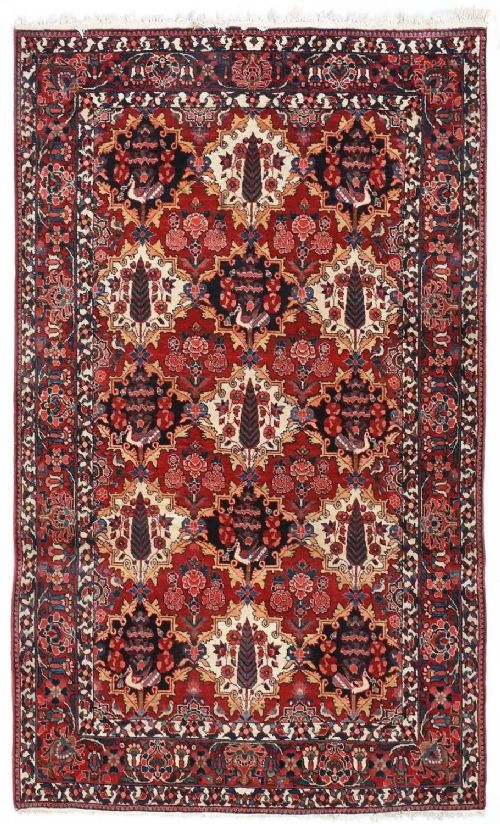
A decorative wool carpet is a woven textile intended for floor placement or interior display, encompassing regional types such as Persian city carpets, Bessarabian kilims, and Turkmen tribal weavings. When you search for this phrase, you encounter large room-size carpets alongside smaller tribal rugs and flatweaves dating from the nineteenth century into the mid-twentieth century.
The pieces on this page originate from diverse weaving traditions, including Heriz, Ushak, Mahal, and Bessarabian workshops. Most examples display traditional medallion layouts, floral fields, or geometric tribal motifs created by village and workshop weavers.
How they were made
These carpets are constructed primarily from hand-spun wool foundations and pile, occasionally incorporating cotton for structural warps and wefts, or goat hair in specific tribal pieces. Natural dyes impart the colour palette, yielding rich tones that age with considerable depth.
Weaving techniques vary from knotted pile constructions seen in Persian city carpets to flatwoven tapestries typical of Bessarabian kilims and nomadic tent bands.
The listings feature wool, cotton, natural dyes, and goat hair across periods spanning from the nineteenth century to nineteen-forty.
What varies in quality
Quality rests upon the fineness of the weave, the clarity of the design drawing, and the integrity of the materials. Tightly packed knots and resilient hand-spun wool create greater durability and sharper pattern definition.
The depth and harmony of the natural dye palette also determine distinction, as well as the balance and proportion of the central medallion or field layout.
Bakhtiar·Mahal·Ushak·Heriz·Farahan
The Decorative Wool Carpet Glossary
- Kilim
- A flatwoven textile produced without a pile, commonly associated with Bessarabian and tribal workshops. These pieces offer lighter floor coverage or wall hanging potential.
- Torba
- A small Turkmen wall hanging or storage bag featuring characteristic tribal guls. Collectors prize these for their dense geometric layouts.
- Warp
- The vertical threads stretched on the loom that form the structural foundation of a piled carpet. Visible fringe often extends from these threads.
- Weft
- The horizontal threads passed through the warps to bind the knots in place. They dictate the structural firmness of the weave.
- Medallion
- A symmetrical central ornament set into the field of a carpet. Persian and Anatolian designs frequently employ this focal motif.
Decorative Wool Carpet: Frequently Asked Questions
How do I clean a wool carpet?
Vacuum gently without a rotating brush roll to protect the pile and foundation threads from undue friction and stress.
For deeper cleaning, consult a specialist conservator experienced in handling natural dyes and hand-spun wool textiles.
Are these carpets suitable for heavy traffic?
Many room-size carpets with dense wool piles withstand regular foot traffic in living spaces and hallways.
Softer flatweaves and fragile antique fragments prefer lower-traffic areas or wall placement to preserve their structural integrity.
How do I identify a tribal rug?
Tribal pieces often display repeating geometric guls, asymmetrical village motifs, and heavier use of goat hair or coarse wool.
Nomadic items like salt bags and tent bands reveal compact formats and utilitarian structures distinct from city workshops.
What underlay should I use?
Place a breathable, non-slip mesh underlay beneath the carpet to prevent shifting and reduce friction against hard floors.
Avoid rubber-backed pads that trap moisture and potentially damage natural wool fibres over time.