






Blue Turkish Carpet
When you search for a blue turkish carpet, you step into centuries of Anatolian weaving tradition where wool and silk meet master dye work.
Blue Turkish Carpet
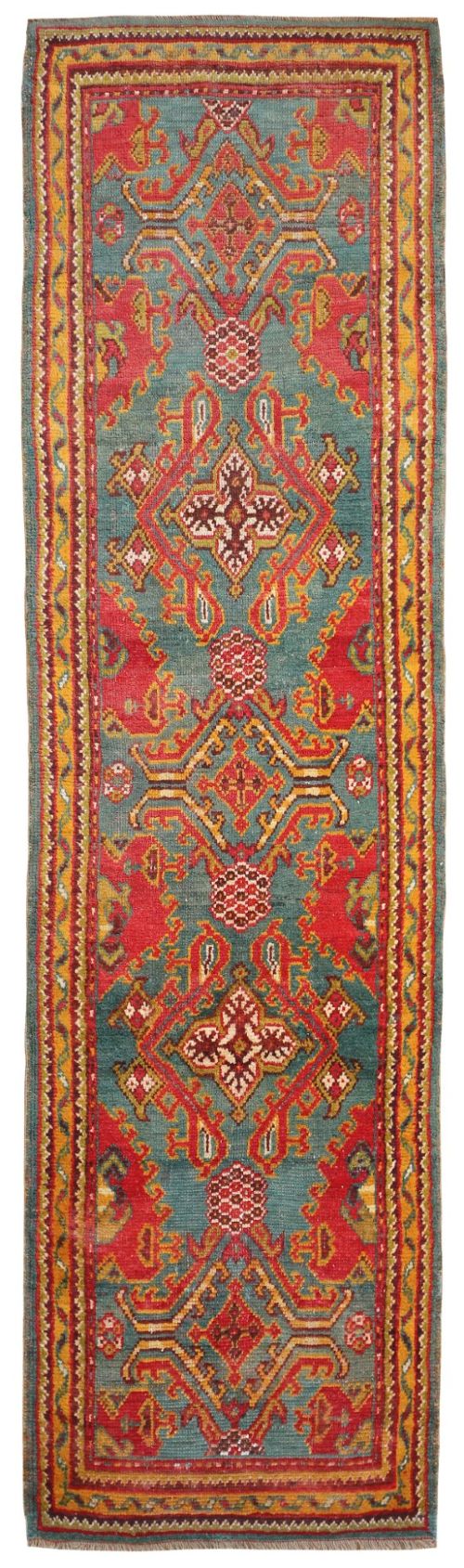
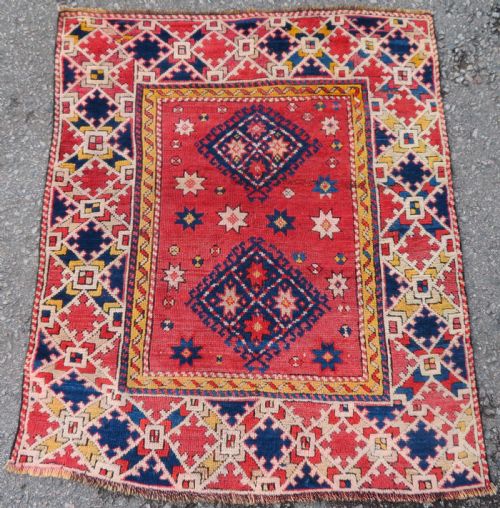
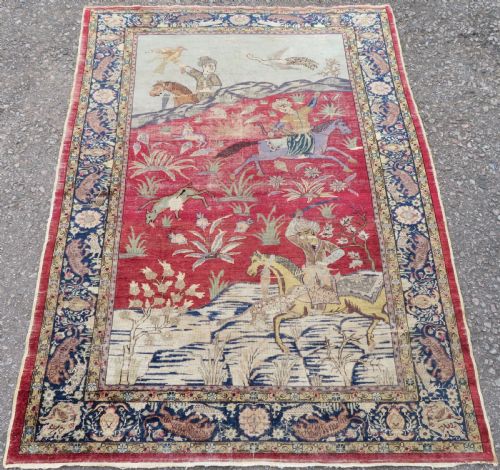
Buyers encounter village and town productions displaying traditional motifs, medallion patterns, and pictorial scenes. These textiles range from compact mats to oversized carpets designed for grand interiors.
How they were made
Weavers utilised natural materials including hand-spun wool, cotton foundations, angora wool, and fine silk. These fibres were knotted or flat-woven on vertical looms using traditional Anatolian techniques.
Dyers employed natural colorants to achieve distinctive blue grounds, ranging from soft pale shades to deep indigo tones. Skilled artisans combined these dyed yarns with precise geometric and floral designs.
Listings feature pieces dated from the eighteenth, nineteenth, and early twentieth centuries, utilising wool, silk, cotton, and angora wool.
What varies in quality
The fineness of the knot count and the precision of the design execution set individual pieces apart. Artisans working in established workshops achieved tighter weaves and more intricate detail than rural village weavers.
The quality of the wool and the depth of the dye work dictate the longevity and visual impact of the textile. Pieces retain distinct coloration and structural integrity based on the original materials selected.
The Blue Turkish Carpet Glossary
- Ushak
- A term designating carpets woven in the town of Ushak, known for large-scale floral designs and subdued palettes. These pieces formed a cornerstone of Ottoman and Western interior decoration.
- Kelim
- A flat-woven carpet or rug produced without a pile. These textiles rely on interlocking warp and weft threads to create geometric patterns.
- Prayer rug
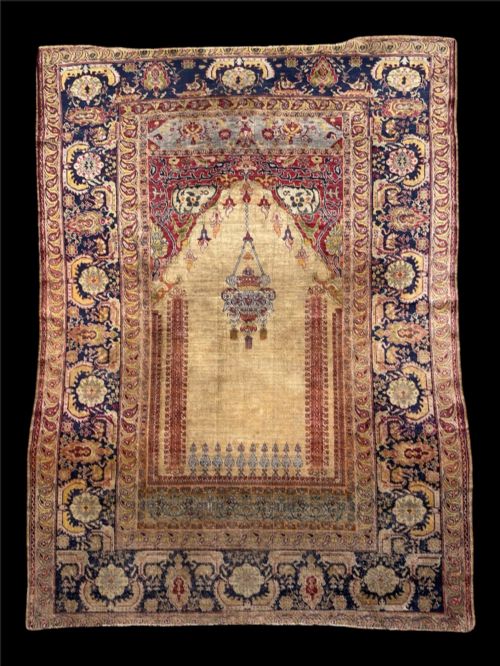
- A small rug featuring a mihrab design used for personal devotion. The niche motif points toward Mecca during daily prayers.
- Runner
- A long, narrow carpet format suited for hallways and staircases. These pieces accommodate linear spaces while displaying repeating village or town motifs.
- Yastik
- A small Turkish cushion cover or rug traditionally used for divans and seating. These examples exhibit concentrated regional designs in a compact scale.
Blue Turkish Carpet: Frequently Asked Questions
How do I identify an Ushak carpet?
Ushak carpets display distinctive large-scale floral motifs, star medallions, and characteristic pale or muted colour palettes. They originate from western Anatolia and often feature finely knotted wool on a cotton foundation.
These pieces typically date from the nineteenth and early twentieth centuries. Their generous proportions and softer designs separate them from tighter geometric tribal rugs.
Where were these carpets woven?
These textiles originate across Anatolia, encompassing urban centres like Ushak and Panderma alongside rural villages in Bergama, Konya, and Yagcibedir. Each region developed distinct weaving traditions.
Town workshops produced grand decorative carpets for export, while village weavers created geometric runners and daily use rugs. Local materials and specific cultural motifs identify the provenance of each piece.
How do I care for an antique rug?
Protect antique wool and silk rugs by placing them in low-traffic areas away from direct sunlight. Regular gentle vacuuming without a beater bar removes trapped dust without damaging the pile.
Professional specialist cleaning ensures the natural dyes and historical fibres remain preserved. Avoid chemical treatments and excessive moisture to maintain the structural integrity of the weave.