

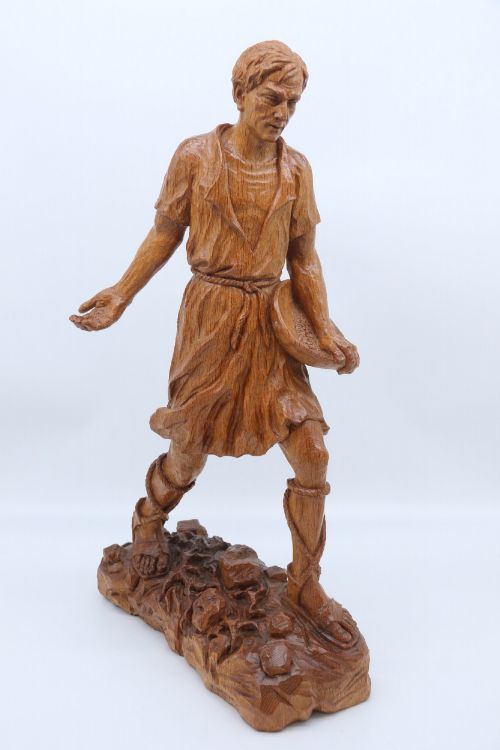


Decorative Wooden Statues
These decorative wooden statues range from folk art carvings to life-size figures, bringing distinct character and texture to any room.
Decorative Wooden Statues
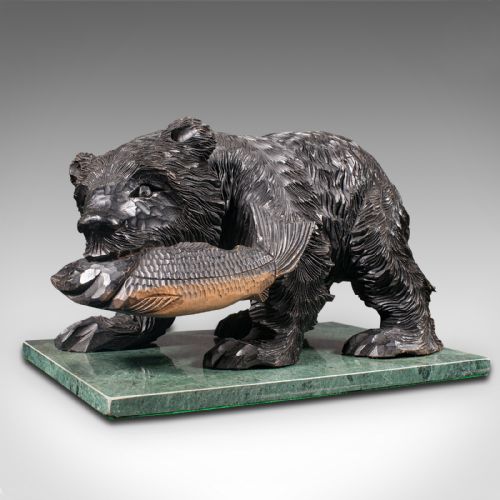
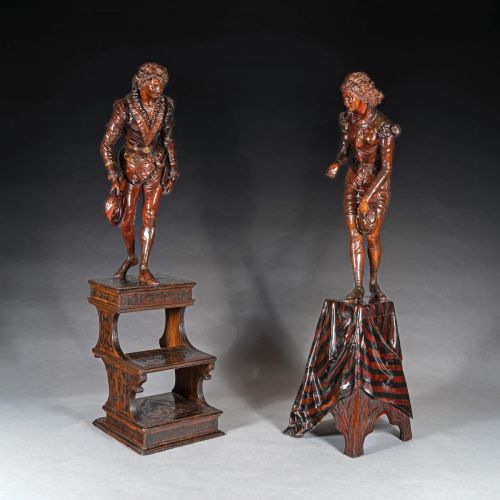
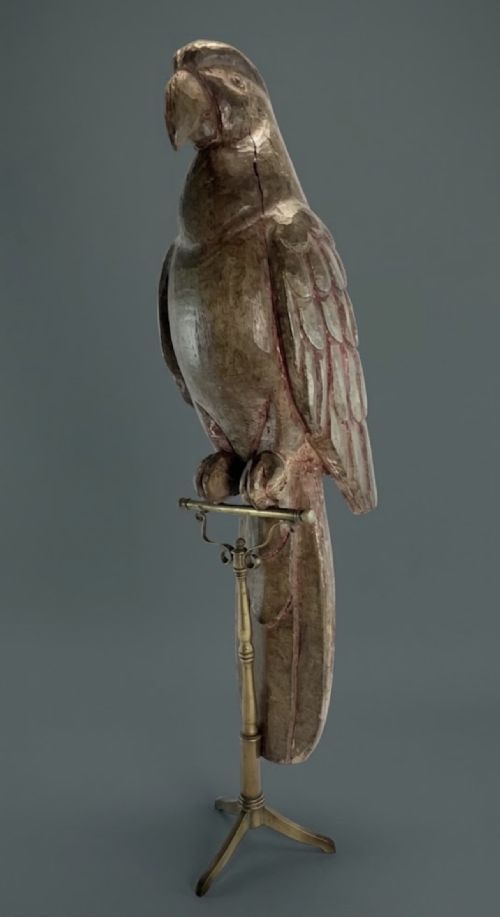
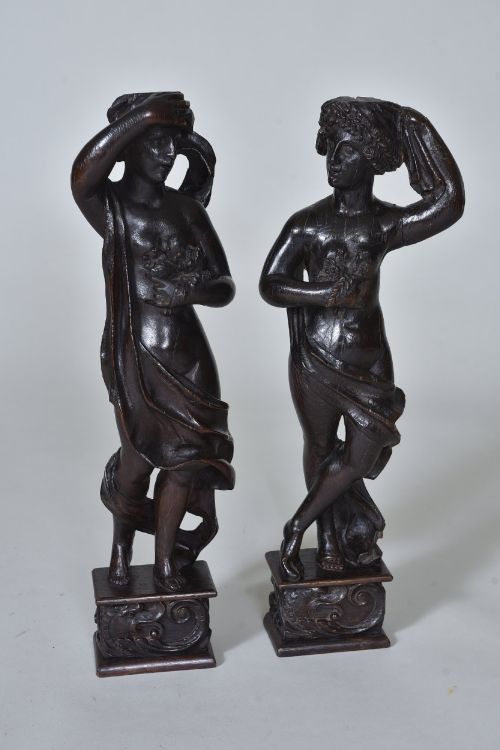
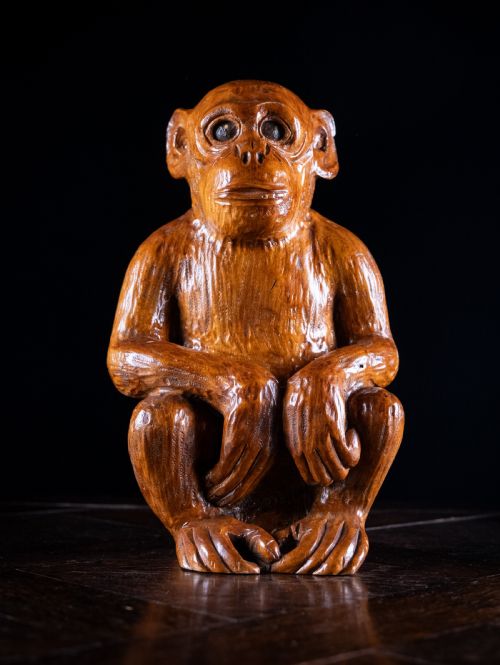
When searching for decorative wooden statues, buyers encounter a diverse array of forms spanning several centuries, including human figures, animals, and architectural elements. The selection encompasses regional folk art alongside formal sculptural works originating from Europe, Asia, and India.
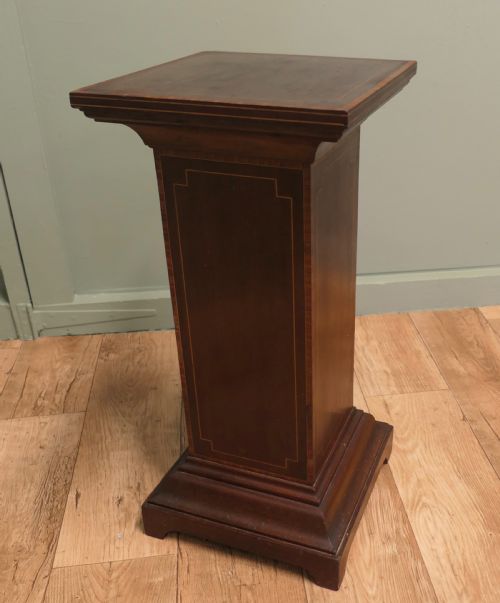
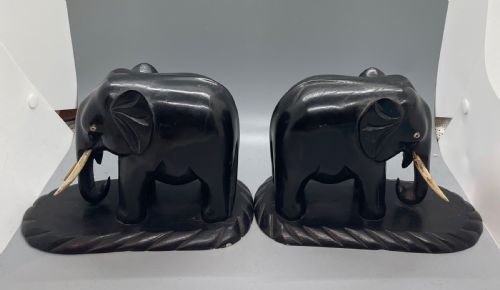
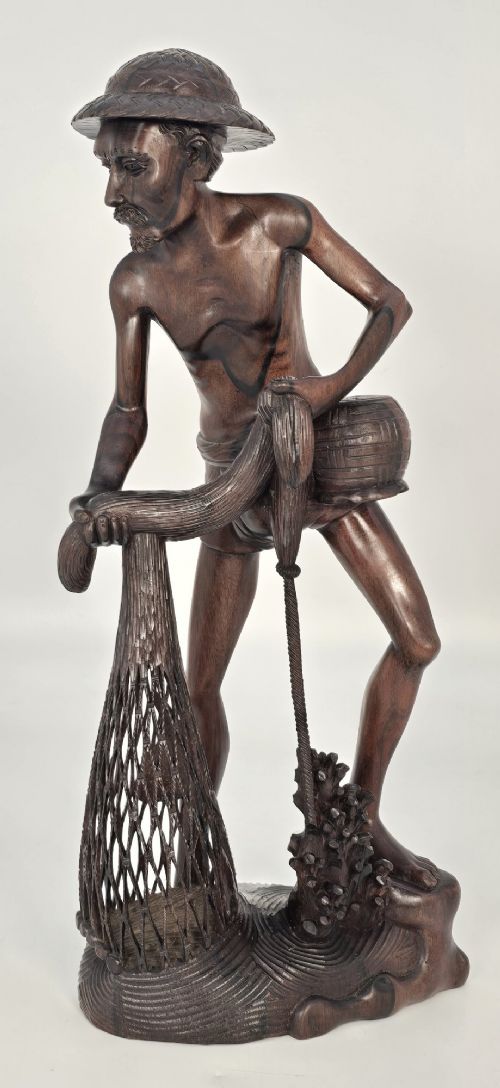
The objects take many shapes, functioning variously as standalone sculptures, bookends, pedestals, lamps, and architectural reliefs. Figures range from small tabletop ornaments to life-size representations of animals and human subjects.
Pieces originating from the nineteenth century predominate, alongside significant numbers from the eighteenth century and the early twentieth-century deco and arts and crafts periods. Continental European workshops and Asian traditions are heavily represented among the available forms.
How they were made
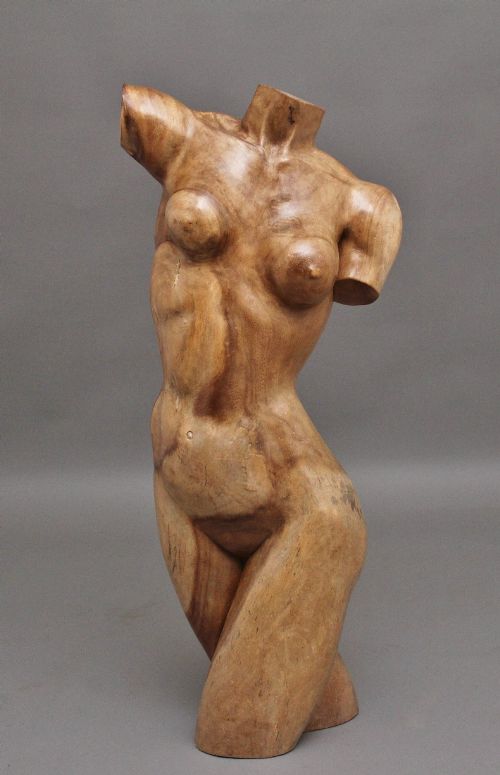
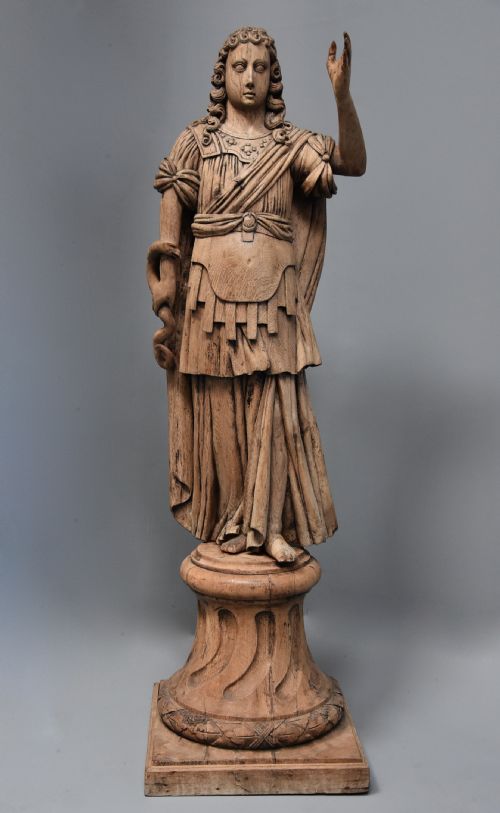
Carvers utilised various timbers including oak, limewood, ebony, mango wood, and general hardwoods, working the material with chisels and gouges to achieve detailed relief and full three-dimensional form. Many items retain their original surfaces, which can include plain polished wood, ebonisation, or gesso grounds.
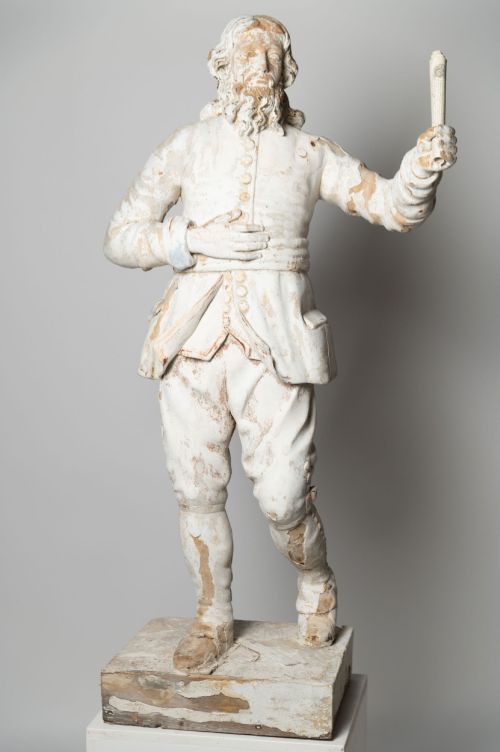
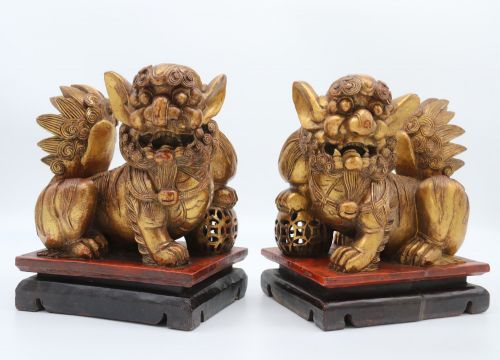
Surface decoration frequently involves polychrome paint, lacquer, and gold leaf or parcel-gilt highlights, particularly on Venetian, Chinese, and Indian figures. These finishes were applied to enhance the visual impact of the carving and denote specific cultural or period aesthetics.
Listings feature items from the sixteenth century up to the Art Deco period, rendered in oak, limewood, ebony, and painted hardwood.
What varies in quality
The distinction between standard and superior pieces rests upon the precision and depth of the carving, where expert handling of anatomy, expression, and texture reveals the maker's capability. Finer examples display a fluent command of form, whether capturing the naturalistic musculature of a figure or the stylised detail of traditional ornament.
Original surface treatments also dictate the standing of a piece, as authentic undisturbed paint, gilding, or patinated timber carry greater aesthetic weight than later interventions. The harmony between the original design, the choice of wood, and the preservation of surface detail determines the overall merit of the object.
Valentino Besarel·Hans Müller
The Decorative Wooden Statues Glossary
- Polychrome
- Painted in several colours. This surface treatment is frequently found on Venetian and Asian decorative figures.
- Gesso
- A plaster-based mixture used as a preparation for gilding or painting on wood. It provides a smooth surface for gold leaf application.
- Foo Dog
- A traditional Chinese guardian lion sculpture. These protective figures often appear in pairs guarding entrances.
- Blackamoor
- A European decorative style depicting figures from North Africa or South Asia, often acting as furniture supports or waiters. These pieces typically date from the nineteenth or early twentieth century.
- Parcel-gilt
- Partially gilt with gold leaf or powder. This technique highlights specific areas of a wooden carving while leaving other parts in natural wood or paint.
Decorative Wooden Statues: Frequently Asked Questions
What periods do these wooden statues come from?
The selection spans from the sixteenth century through the Georgian era and the nineteenth century, extending into early twentieth-century movements like Art Deco and Arts and Crafts.
Most items seen originate in the nineteenth and early twentieth centuries, though earlier eighteenth-century continental oak carvings also appear.
How were these statues used originally?
Many served as decorative ornaments in grand homes, while others fulfilled functional roles as bookends, lamp bases, display pedestals, or dinner gongs.
Some regional figures, such as Chinese guardian lions or Indian ceremonial pieces, held cultural or symbolic meanings in their places of origin.
How do I care for antique wooden sculptures?
Keep the pieces away from direct sunlight and heat sources to prevent the wood from drying out and splitting.
Dust them gently with a dry, soft cloth and avoid using liquid polishes, particularly on surfaces with original paint or gilding.
What types of wood are most common?
Carvers utilised a wide variety of timbers, with oak, limewood, ebony, and general hardwoods appearing frequently across different regional traditions.
Softer woods like limewood were favoured for detailed European figure carving, while denser hardwoods were chosen for Asian and Indian sculptures.
Are these figures solid wood?
The majority of pieces are carved from solid blocks or joined sections of hardwood and softwood, depending on the scale of the object.
Larger life-size figures and architectural elements are often constructed from heavy timbers or multiple laminated boards to ensure stability.