





Decorative Wood Tray
These decorative wood trays span centuries of craft, bringing practical elegance and striking grain to any surface.
Decorative Wood Tray
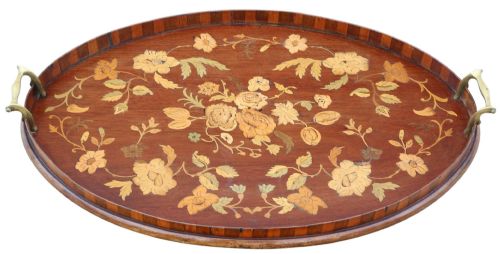
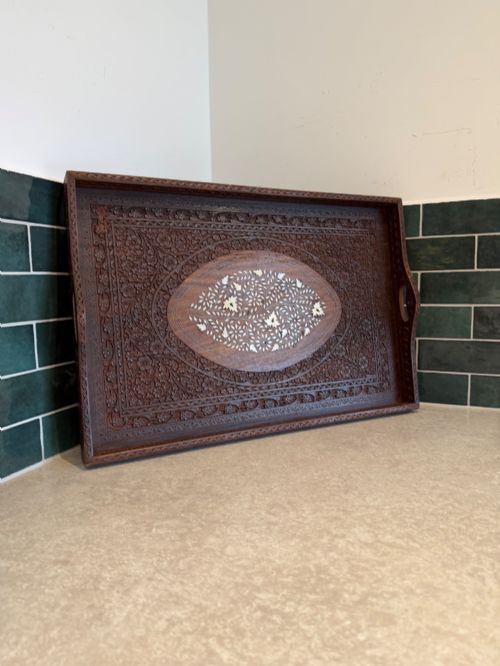
A decorative wood tray serves as a functional centrepiece or display surface, with origins stretching from the eighteenth century through the Victorian period and into the twentieth century. When searching for a decorative wood tray, a buyer encounters forms ranging from serving trays and etagere tray tables to occasional tables and decorative platters.
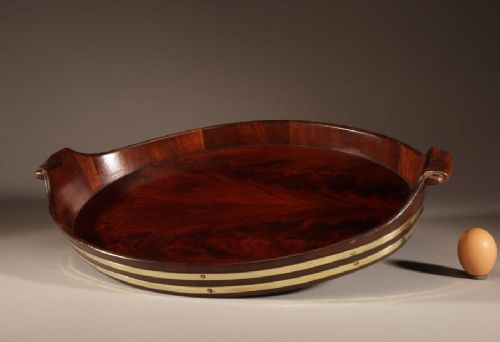
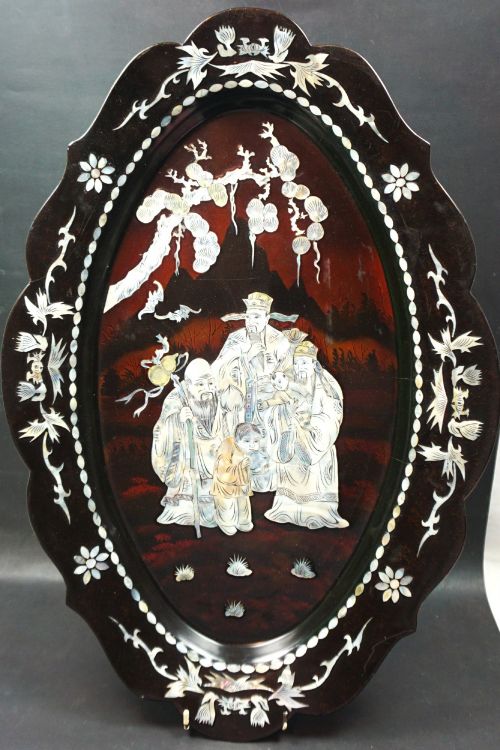
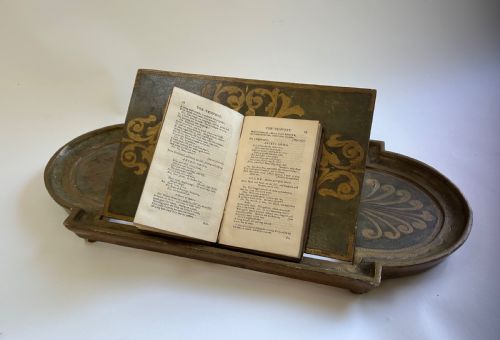
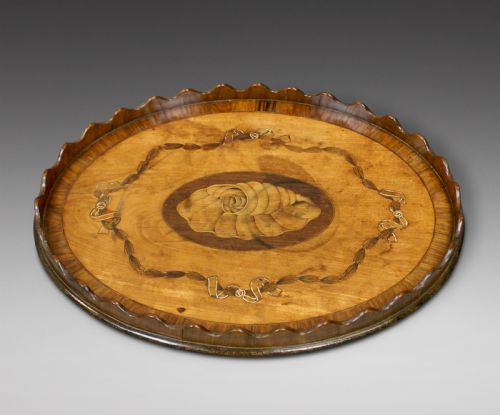
The pieces appearing on this page encompass various global styles including Venetian, Florentine, Anglo-Indian, Chinese Qing Dynasty, and Sheraton Revival designs. Craftspeople utilised diverse woods such as mahogany, satinwood, coromandel, and lacquered surfaces, often enhanced with brass galleries, inlay, or hand-painted polychrome finishes.
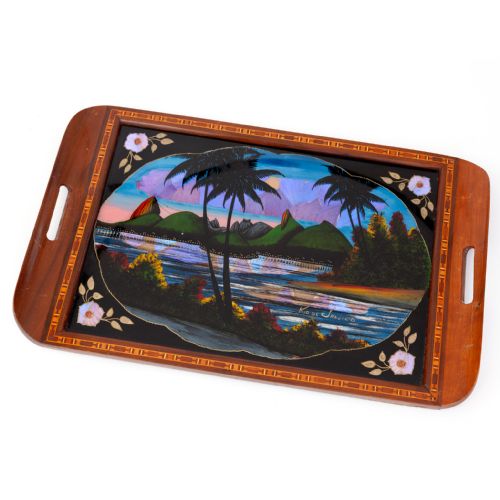
Functional pieces like serving trays and occasional tables balance utility with decorative display, whilst items like lacquered platters and book stands prioritise visual impact. Buyers frequently find pieces featuring intricate butterfly wing displays, mother of pearl inlay, or coopered construction.
Assessing quality and execution
Quality reveals itself in the precision of the woodwork, the tightness of the inlay joints, and the crispness of any carved details. Superior examples display carefully selected timber veneers with balanced grain patterns rather than plain surfaces.
The execution of painted decoration, the weight and finish of applied brass galleries, and the preservation of original lacquered or polished surfaces distinguish finer pieces from simpler utilitarian objects.
Several pieces incorporate actual Brazilian butterflies preserved beneath glass, capturing nineteenth-century enthusiasm for exotic natural history.
The Decorative Wood Tray Glossary
- Inlay
- A decorative technique where small pieces of contrasting wood, metal, or shell are fitted into depressions within a solid wood base to create a pattern. This method requires considerable skill to achieve a smooth, flush surface.
- Brass gallery
- A low metal railing or fence fitted around the perimeter of a tray to prevent items from sliding off during transport. These galleries are often pierced or cast in decorative patterns.
- Tunbridge Ware
- A distinct type of nineteenth-century woodwork produced in Kent, featuring tiny mosaic tiles assembled from naturally coloured woods to form geometric or pictorial scenes like butterflies.
- Coopered
- Constructed using vertical wooden staves joined together with curved sides, similar to the method used for making barrels. This technique allows for rounded, sturdy tray walls.
- Parcel-gilt
- Partially gilded with gold leaf or powder, usually applied to accentuate specific carved details, mouldings, or painted elements against a contrasting painted background.
Decorative Wood Tray: Frequently Asked Questions
What were decorative wood trays used for?
These items served various domestic functions, from carrying tea and beverages in formal rooms to displaying decorative objects on side tables. Many functioned as permanent surface fixtures within reception rooms.
Over time, their roles shifted between practical service and purely decorative display, particularly for pieces incorporating delicate painted finishes or mother of pearl inlay.
How do I care for an antique wood tray?
Keep wooden surfaces away from direct sunlight and extreme humidity fluctuations to prevent timber warping and veneer cracking. Regular dusting with a soft, dry cloth preserves the polished finish.
Avoid using harsh chemical cleaners or excess water, especially on pieces with painted polychrome surfaces, lacquer, or delicate brass fittings.
How can I tell the period of a tray?
Dating relies on identifying the prevailing wood species, construction techniques, and stylistic motifs associated with specific eras like the Georgian or Victorian periods. Finer satinwood inlay often points towards the late eighteenth or nineteenth centuries.
Examining the underside, joinery methods, and wear patterns provides further clues regarding the manufacturing date and regional origin of the piece.
Are these trays suitable for daily use?
Sturdier solid wood and coopered serving trays handle gentle daily use when treated with reasonable care. However, items with delicate painted decoration, lacquered surfaces, or butterfly wing displays suit display better than heavy service.
Assessing the structural integrity of handles, galleries, and joints helps determine whether a specific piece fits active use or stationary display.