






Satinwood Oval Tray
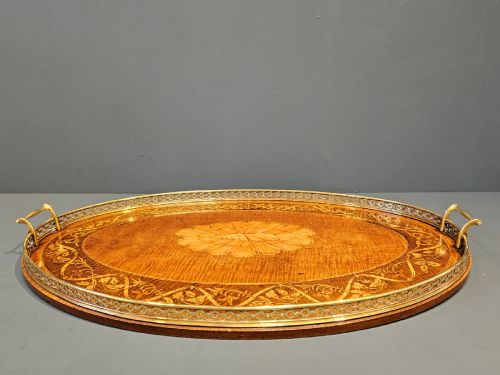
A satinwood oval tray brings a bright, figured timber surface to a room, offering both decorative warmth and practical use for serving or display.
Satinwood Oval Tray
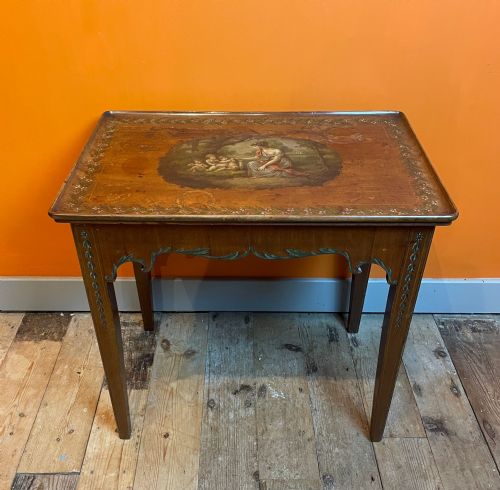
When you search for a satinwood oval tray, you encounter pieces spanning the Georgian, Victorian, and Edwardian periods, including Sheraton Revival designs and occasional tables fitted with removable trays.
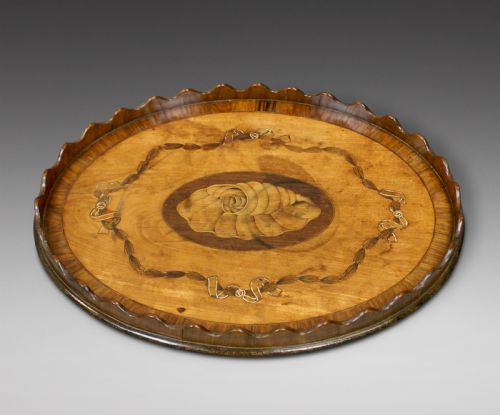
Many examples combine satinwood with contrasting timbers like mahogany or kingswood, featuring delicate marquetry or boxwood inlay and occasionally supported on stands to form etageres or side tables.
The form ranges from small miniature trays and traditional serving pieces to tiered tables and tray top occasional tables produced across the eighteenth and nineteenth centuries.
How they were made
Cabinetmakers utilised veneers of figured satinwood applied to sturdy foundational timbers such as mahogany, often enhancing the composition with contrasting boxwood and marquetry inlay.
Many pieces incorporate fine brass work, including gallery rails designed to secure items on the surface, alongside hand-painted Neo-Classical scenes or detailed floral motifs.
Listings feature items spanning the eighteenth, nineteenth, and early twentieth centuries, encompassing Georgian, Victorian, and Edwardian periods.
What varies in quality
The fineness of the marquetry inlay and the depth of figure in the satinwood timber set finer examples apart from simpler production.
The integration of supportive brass galleries and the crispness of painted Neo-Classical details indicate the level of craftsmanship invested in the piece.
The Satinwood Oval Tray Glossary
- Satinwood
- A lustrous timber known for its golden, reflective sheen and smooth grain, frequently used as a veneer on high-status furniture.
- Marquetry inlay
- The art of applying small pieces of variously coloured wood veneers to create intricate pictorial or geometric patterns on a surface.
- Etagere
- A piece of furniture consisting of a set of open shelves or tiers for displaying small objects, often incorporating a removable tray top.
- Gallery
- A low pierced metal or wooden rail surrounding the edge of a tray or tabletop to prevent items from sliding off.
- Sheraton Revival
- A late nineteenth and early twentieth-century design style drawing inspiration from the neoclassical furniture of George Sheraton, characterised by light timbers and delicate inlay.
Satinwood Oval Tray: Frequently Asked Questions
What is an etagere tray table?
An etagere tray table combines a tiered stand with a removable serving surface, allowing the top to function independently as a tray.
These pieces were utilised for serving drinks or displaying decorative objects in nineteenth and early twentieth century drawing rooms.
How do I care for satinwood?
Satinwood benefits from being kept away from direct sunlight and excessive heat to prevent the polished veneer from fading or drying out.
Regular dusting with a dry cloth maintains the natural lustre of the timber without the need for heavy polishes.
Are these trays meant for serving?
While many historic trays were built for functional hospitality, delicate marquetry and antique finishes mean modern owners often use them for display.
Protective placement ensures the inlaid surfaces and painted Neo-Classical scenes remain undamaged during everyday use.
How do I distinguish Georgian from Edwardian pieces?
Georgian and George III pieces generally display eighteenth-century construction methods and hand-cut veneers, often showing greater age in the timber.
Edwardian items frequently reflect the Sheraton Revival style, produced in large numbers around nineteen hundred with machine-assisted precision.