

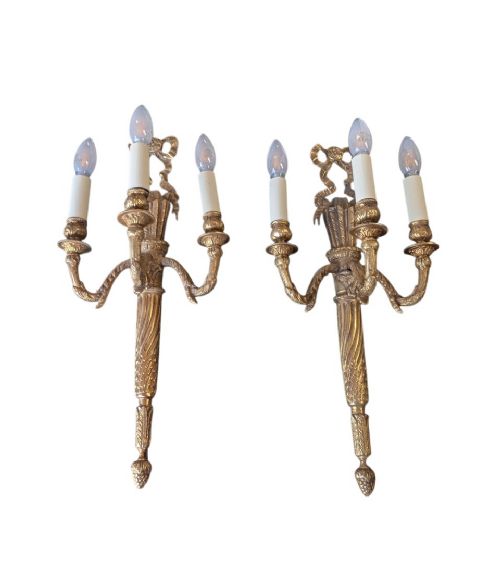
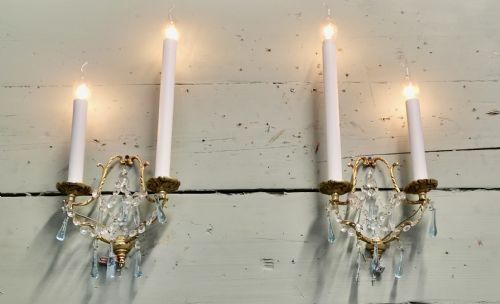

Decorative Wall Sconces
Decorative wall sconces bring layered illumination and character to a room, spanning periods from the seventeenth century through to the twentieth.
Decorative Wall Sconces
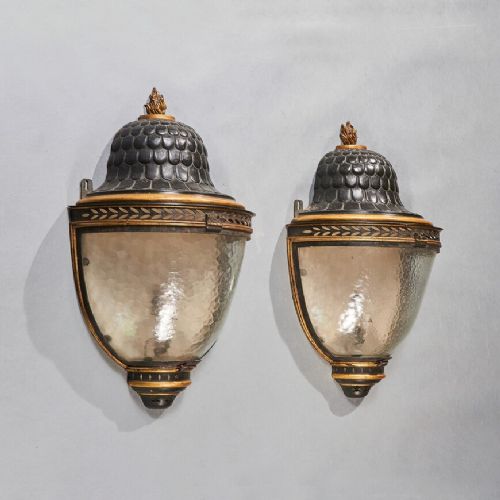
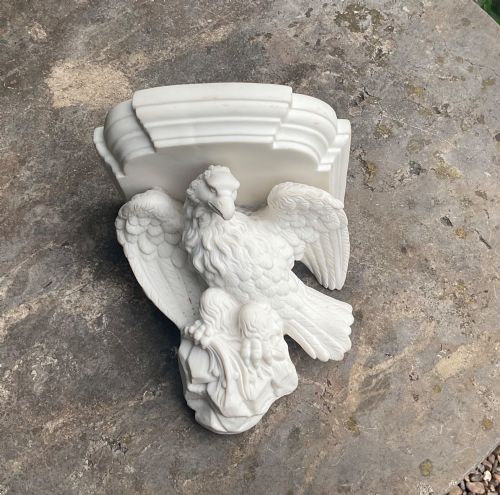
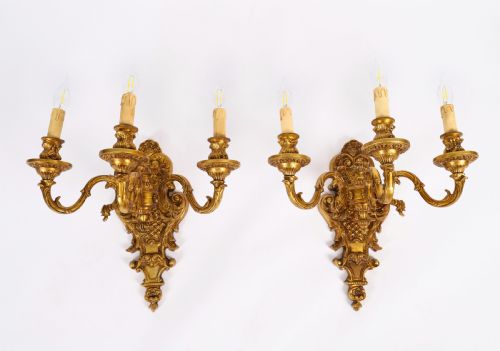
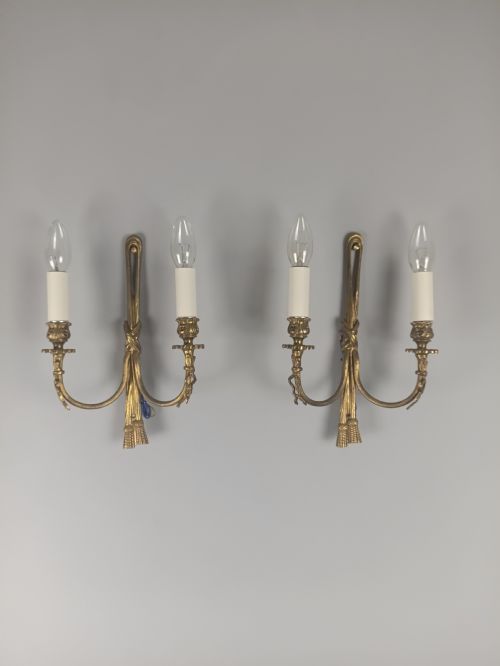
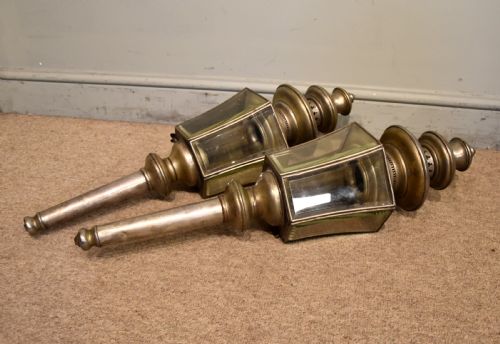
Decorative wall sconces encompass wall lights, girandoles, brackets and lanterns designed to hold candles or electric lamps. Buyers searching for decorative wall sconces encounter pieces ranging from Victorian brass designs to French gilt bronze and carved wood fixtures.
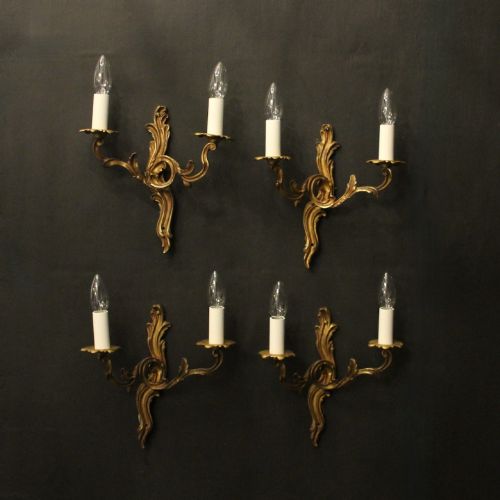
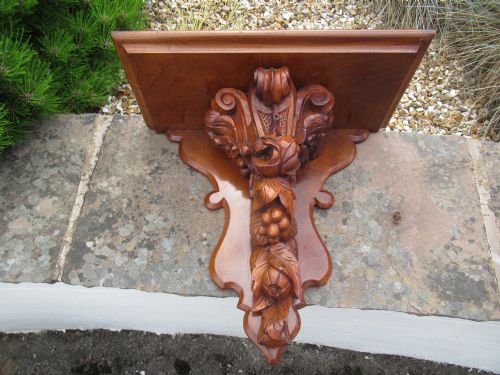
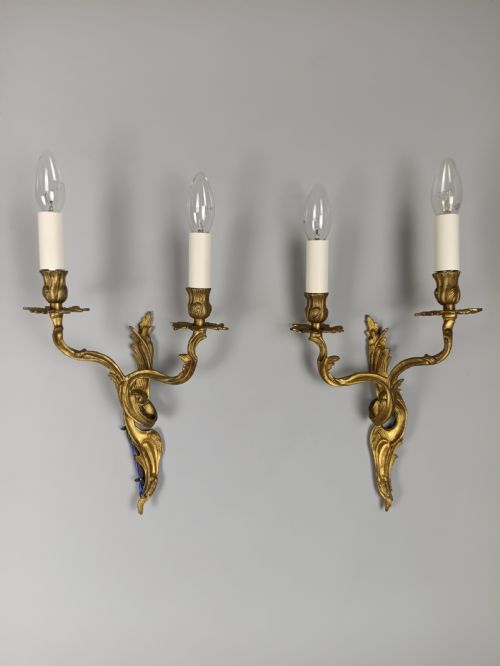
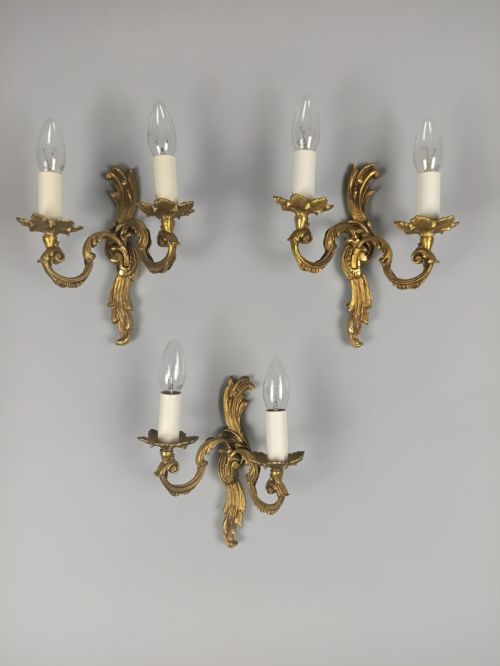
The selection includes matched pairs and larger sets originating from British, French, Italian and Indian makers. Common forms include twin-arm wall lights, mirrored sconces and architectural wall brackets.
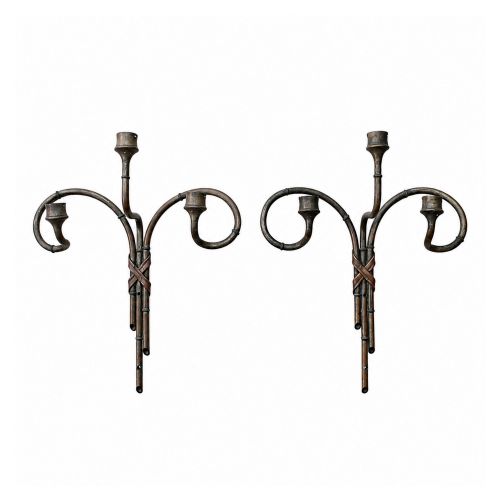
Dated examples stretch from the eighteenth century through Edwardian and 1930s productions. French styles such as Rococo revival and Neoclassical brass fittings appear frequently alongside simpler bamboo and wrought iron creations.
Materials and construction methods
Makers utilised cast bronze, brass, iron and copper to build sturdy armatures and backplates. Giltwood, gesso and carved wood provide ornate framing for mirror-backed girandoles and wall brackets.
Surface decoration relies upon fire-gilding, silver-plating, tole peinte and hand-painted finishes. Repoussé techniques appear on sheet metal mounts, while porcelain and glass components add reflective depth to the design.
Listings feature items spanning the 17th, 18th, 19th and 20th centuries, alongside Edwardian and 1930s examples.
Distinguishing quality factors
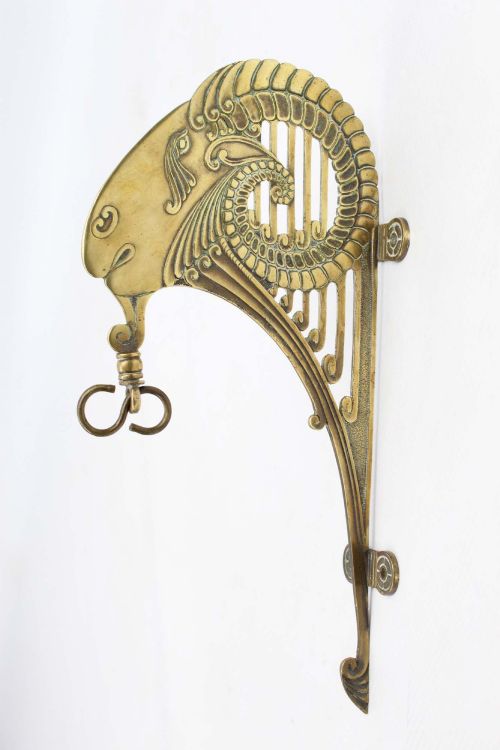
The refinement of the casting and carving dictates the fidelity of detail in motifs like ram's heads, ribbons and acanthus leaves. Crisp chisel work on gilt bronze ormolu distinguishes superior French salon pieces from standard commercial production.
Original surface treatments, such as untouched patination on old brass or intact mercury gilding, preserve the integrity of a piece. The structural stability of the mounting arms and the matching of components within a set complete the assessment.
Maison Baguès·Liberty
The Decorative Wall Sconces Glossary
- Girandole
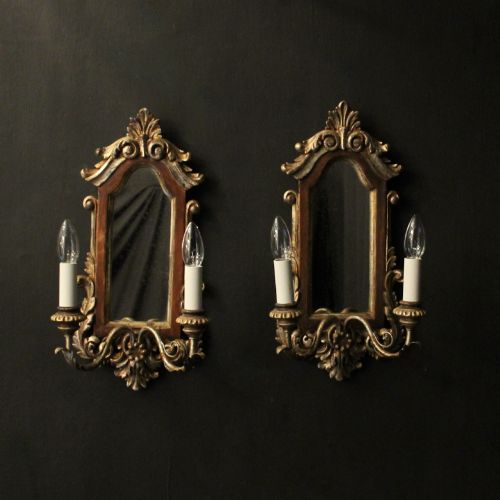
- A branched wall light incorporating a mirror backplate to reflect and multiply candle illumination. These pieces frequently feature carved and gilded wooden frames.
- Ormolu
- Gilded bronze utilised extensively in French furniture and lighting manufacture. The technique involves applying a mercury and gold amalgam to a bronze base before heating.
- Tole peinte
- Painted sheet metal used to create decorative lanterns and sconces. This material allows for vibrant colour application and durability.
- Repoussé
- A metalworking technique where the design is hammered into relief from the reverse side. It creates tactile surface ornamentation on brass and copper wall plates.
Decorative Wall Sconces: Frequently Asked Questions
How do I wire antique wall sconces?
Most vintage and antique wall lights require professional rewiring to meet modern electrical safety standards. Electricians can usually adapt internal fittings without altering the external metalwork or wooden mounts.
For pieces designed for candles, such as girandoles, conversion tubes allow the use of small electric candelabra bulbs while preserving the original sockets.
Where should I position wall sconces?
Wall sconces work effectively flanking mirrors, framing fireplaces, or providing ambient corridor illumination. Positioning them at eye level ensures balanced light distribution.
Matching pairs suit symmetrical interior layouts, while sets of three or four provide consistent lighting across larger wall expanses in reception rooms.
How do I clean gilded brass safely?
Dust gilded brass and bronze gently with a soft, dry microfibre cloth to remove surface particles. Avoid chemical polishes, as abrasive solutions strip away historic gilt layers.
For stubborn grime, use a slightly damp cloth with mild soap, drying the metal thoroughly afterwards to prevent moisture damage.
How do I date antique wall brackets?
Dating relies on stylistic markers, construction techniques and material composition. Eighteenth-century models display hand-forged iron or carved timber, while Victorian pieces often utilise stamped brass and aesthetic movement copper.
Examining fixing screws, backplate casting methods and wear patterns helps confirm the period of manufacture.