

Decorative Wall Plaque
A decorative wall plaque brings the weight of brass, ceramic and carved wood straight into a room.
Decorative Wall Plaque
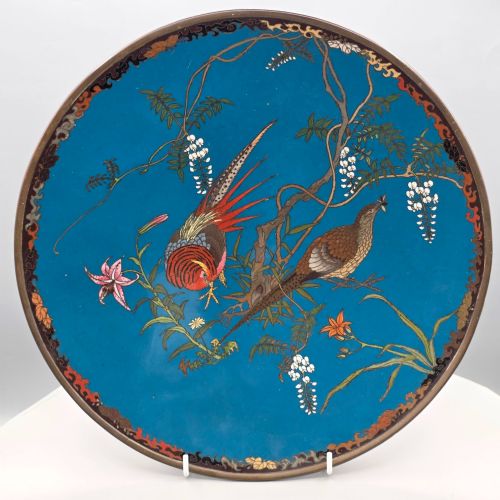
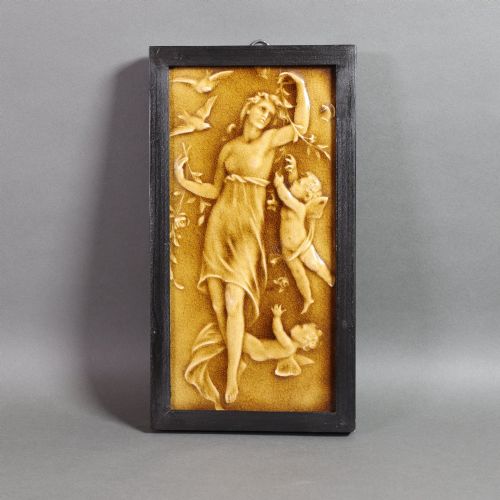
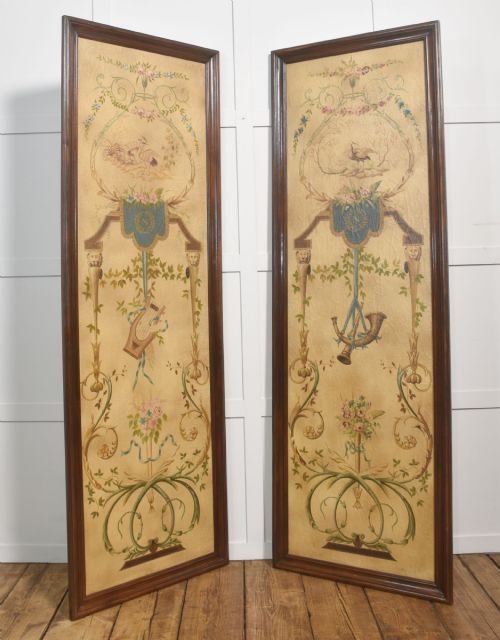
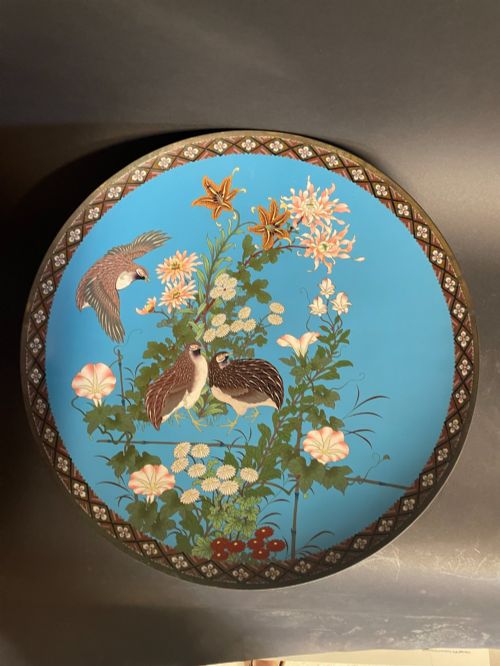
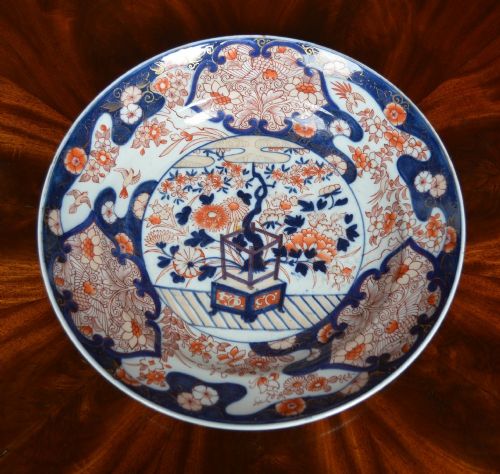
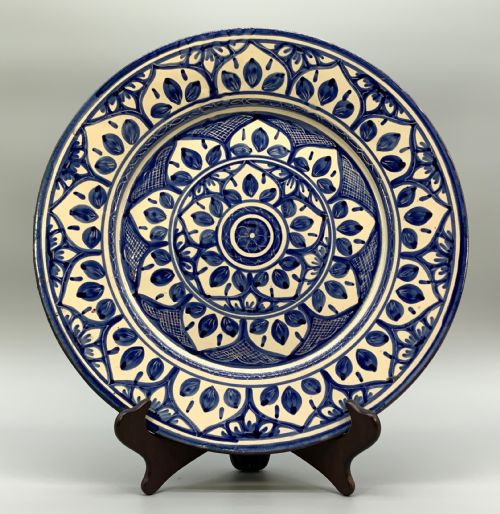
A decorative wall plaque spans circular chargers, rectangular panels, and carved reliefs designed to hang flat against a surface. When searching for a decorative wall plaque, a buyer encounters everything from Japanese cloisonné dishes to Victorian pottery plaques and cast architectural fragments.
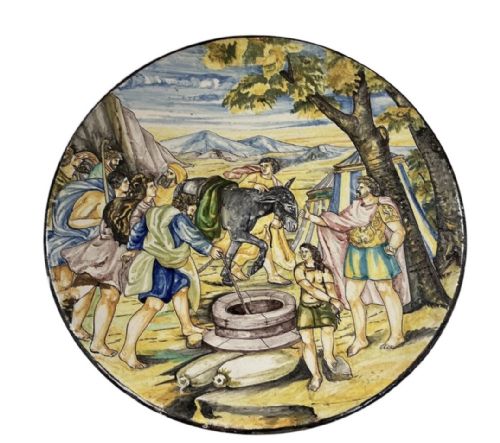
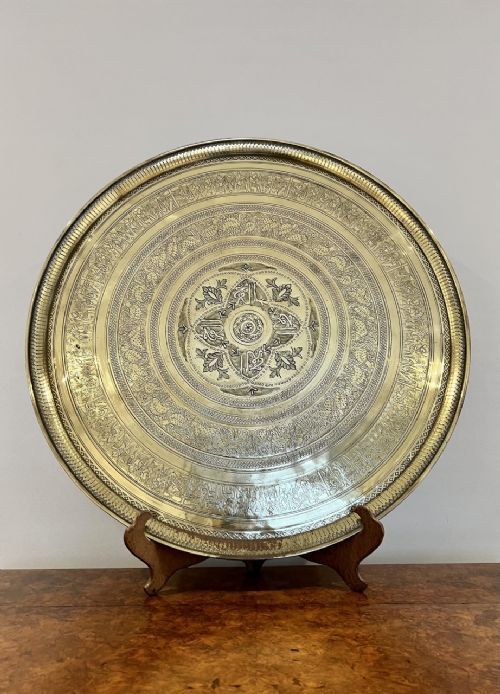
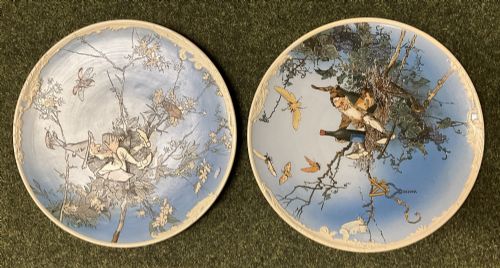
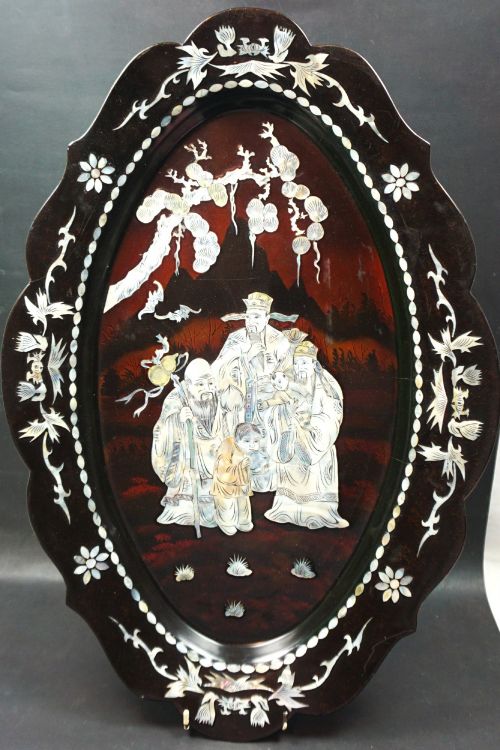
The selection ranges widely across origins, encompassing European earthenware, Indian brass shields, and Chinese lacquered wood platters with mother-of-pearl inlay. Many pieces function as chargers or decorative plates, shifting easily from table displays to wall mounting.
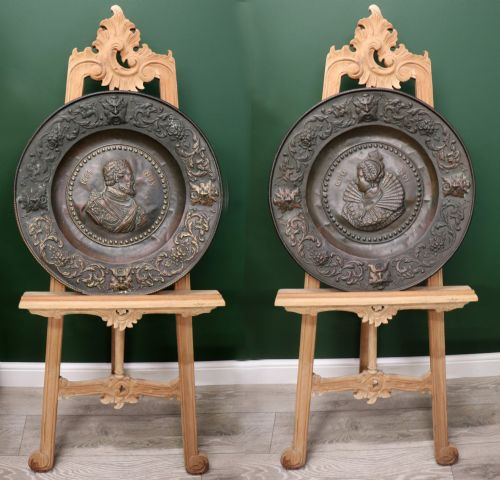
Mettlach plaques, Copeland pottery pieces, and French carved panels populate the category alongside repoussé copper portraits and cast iron balustrades. Each object serves to break up a plain wall with texture, metalwork, or hand-painted scenery.
Materials and construction
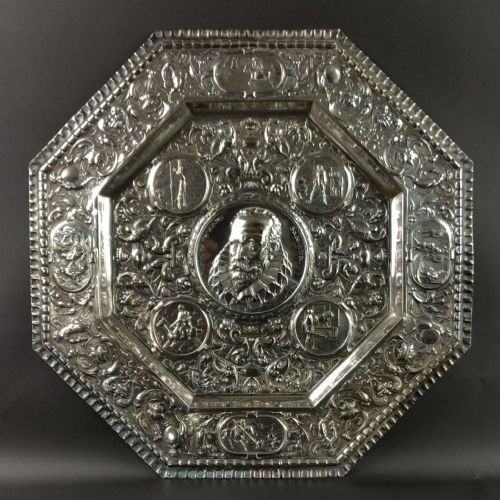
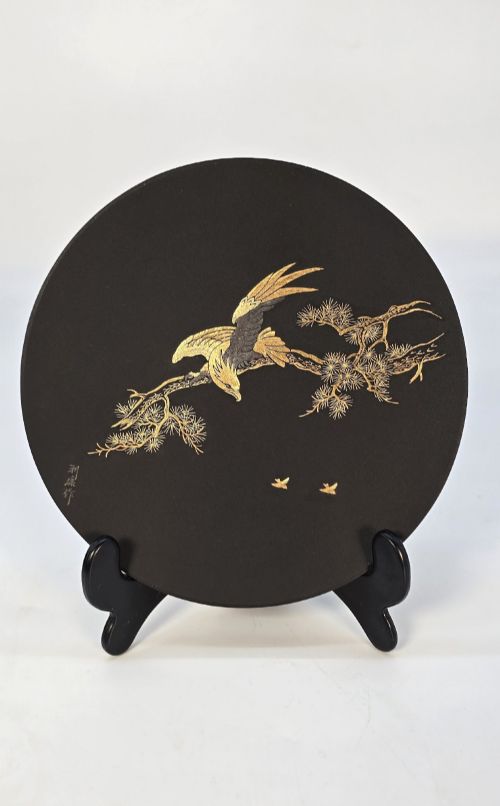
Metalwork dominates the category through repoussé copper, engraved brass, patinated iron, and silver plating over base metals. Artisans hammered, chased, and etched these surfaces to create intricate relief portraits, foliage, and heraldic scenes.
Ceramic and pottery pieces rely on earthenware, porcelain, and majolica fired with polychrome glazes or detailed with transfer printing. Cloisonné examples employ fine wire soldered to a metal base to contain vibrant enamel pastes before firing and polishing.
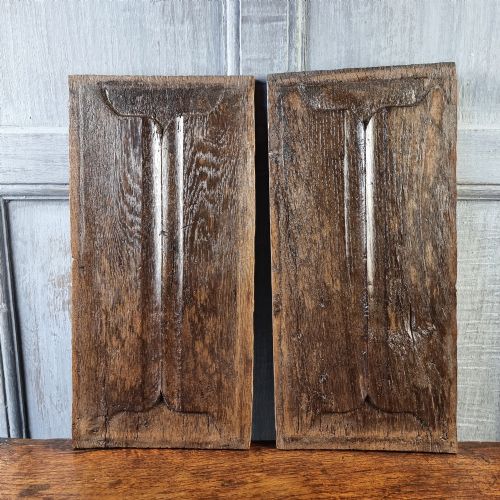
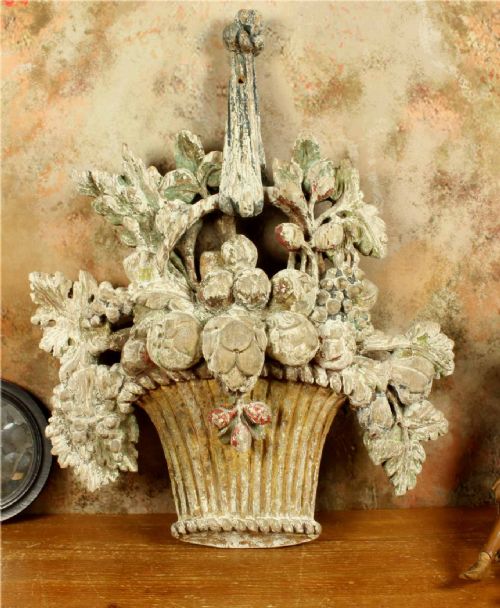
Wood pieces utilise deep carving, linenfold panelling, and applied mother-of-pearl or abalone inlay. Artisans shaped fruitwood, oak, and lacquered timber into panels and floral wall reliefs using traditional joinery and hand-carving tools.
The listings span the eighteenth, nineteenth, and early twentieth centuries, featuring materials from bronze and earthenware to lacquered wood.
Distinctions in execution
The refinement of the handwork determines the distinction between ordinary production and master execution. Crisp chisel marks on carved wood panels and precise wire placement in cloisonné enamel separate ambitious works from simpler items.
Material purity and surface finish reveal the maker's discipline. Patinated bronzes, fire-gilt highlights, and hand-painted ceramic glazes maintain their integrity when executed by experienced hands rather than routine workshops.
The Decorative Wall Plaque Glossary
- Repoussé
- A metalworking technique where a design is hammered into relief from the reverse side. This process creates three-dimensional portraits and patterns on copper, brass, and silver plaques.
- Cloisonné
- An enamelwork method using thin metal wires soldered to a metal body to form cells for coloured pastes. Firing fuses the glass paste into a smooth, decorative surface.
- Charger
- A large ornamental plate or dish intended for display rather than dining. These circular items often feature pictorial scenes or elaborate borders suitable for hanging.
- Maiolica
- Tin-glazed Italian earthenware painted with colourful pigments on an opaque white background. Renaissance and revival examples display rich historical and mythological motifs.
- Linenfold
- A style of wood carving that imitates folded linen drapery. This architectural motif appears frequently on early wooden panels.
Decorative Wall Plaque: Frequently Asked Questions
How do I hang a heavy metal charger?
Heavy brass and copper chargers require a secure wall fixing rather than a simple picture hook. Utilise a sturdy steel bracket or a specialised spring-loaded plate hanger that supports the entire rim safely.
Ensure the fixing engages directly with a wall stud or uses an appropriate masonry plug. Check that the weight distribution rests evenly against the wall surface.
Were these plaques always meant for walls?
Many large ceramic and metal chargers originated as table centerpieces or serving vessels before later conversion for wall display. Fitted wire mounts or drilled foot rings often indicate when an owner adapted a flat dish for hanging.
Dedicated wall plaques and carved wooden panels, conversely, were constructed specifically with hanging loops or flat backs for interior architecture.
How should I clean antique brass and copper?
Dust metal plaques regularly with a soft, dry cloth to prevent grime accumulation in recessed repoussé lines. Avoid harsh chemical polishes that strip away historical patination and soften crisp hand-engraved details.
Preserving the aged surface maintains the visual depth built up over centuries of handling and exposure.
What is the difference between earthenware and porcelain plaques?
Earthenware plaques, such as majolica or terracotta, possess a porous, opaque body fired at lower temperatures. They allow for thick, tactile glazes and deep relief modeling.
Porcelain and fine pottery bodies are denser and vitrified, offering a smooth, refined surface ideal for detailed hand-painted pictorial scenes and fine Copeland landscapes.