
Decorative Wall Panels
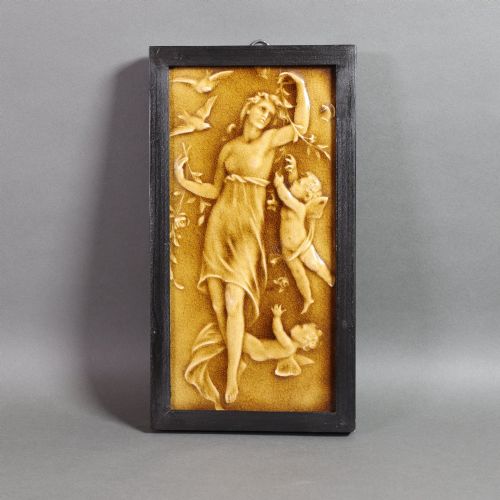
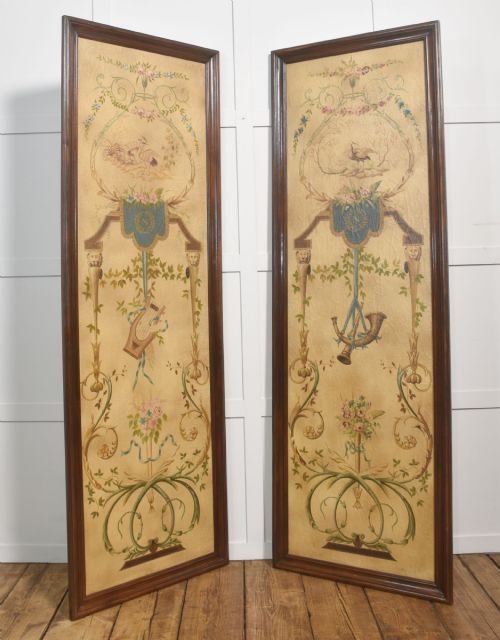
These decorative wall panels encompass carved timber, painted canvas, and embroidered textiles spanning several centuries of diverse craftsmanship.
Decorative Wall Panels
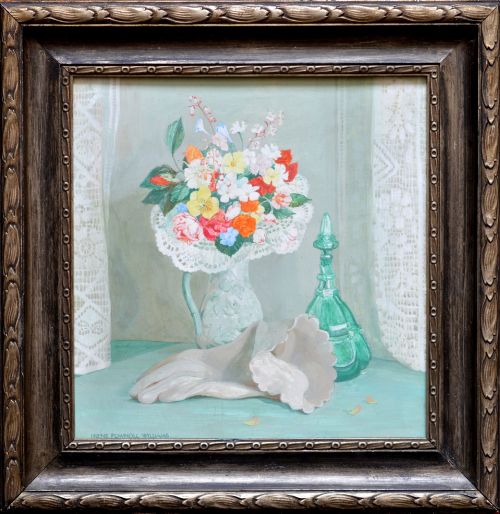
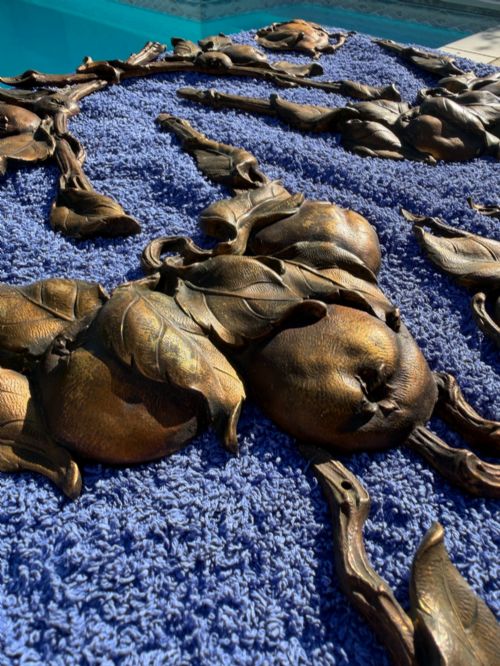
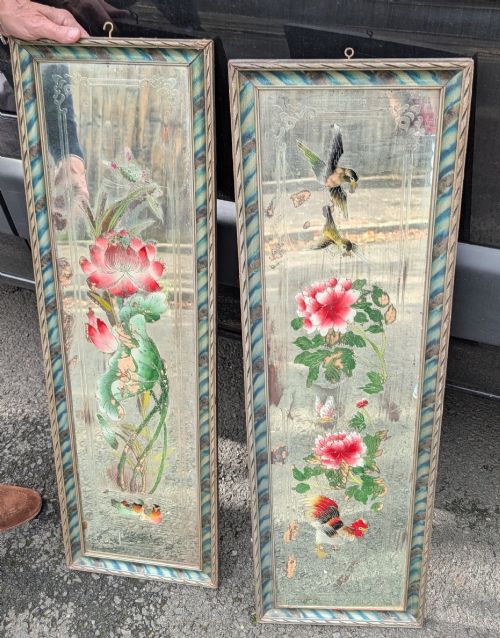
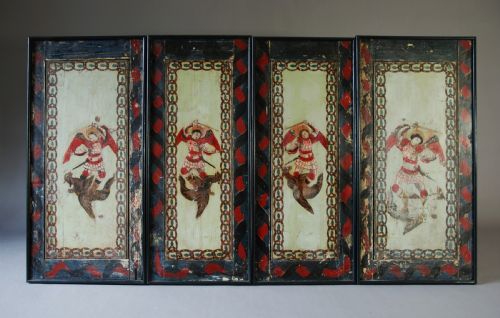
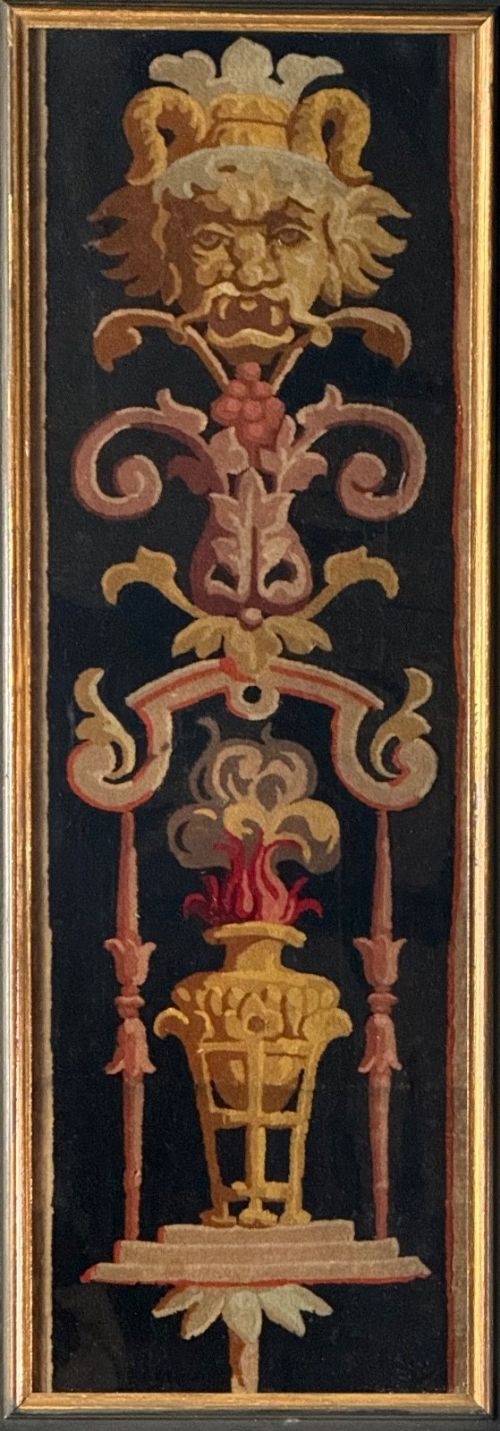
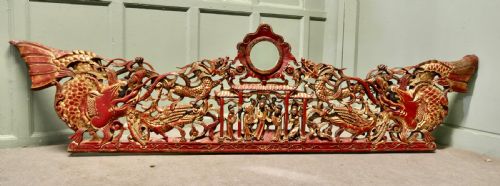
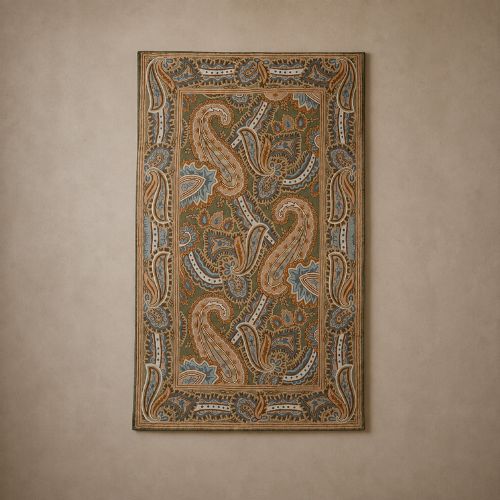
Decorative wall panels encompass a wide array of salvaged architectural fragments, framed paintings, textiles, and carved reliefs designed to be mounted directly onto interior surfaces. When buyers search for decorative wall panels, they encounter everything from eighteenth-century pine panels and nineteenth-century French trumeau mirrors to embroidered Central Asian hangings and carved wooden Chinoiserie temple pediments.
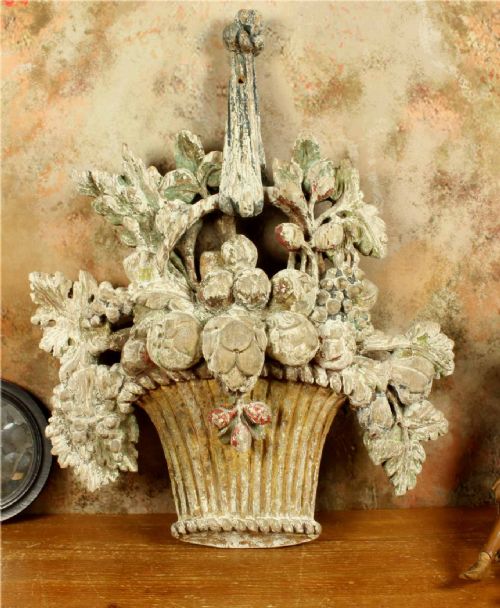
The selections available range considerably in scale and medium, reflecting diverse global traditions from French Chateau and Neoclassical interiors to Arts and Crafts and traditional Central Asian designs. Buyers are most likely to meet nineteenth-century wood carvings, painted panels, and fabric wall hangings among these offerings.
Originating from domestic interiors, religious buildings, and exterior architectural salvage, these items bring texture, colour, and historical narrative to a room. Each piece functions as a focal point, whether through the delicate detail of a gilt mirror or the bold pattern of a woven textile panel.
Materials and construction methods
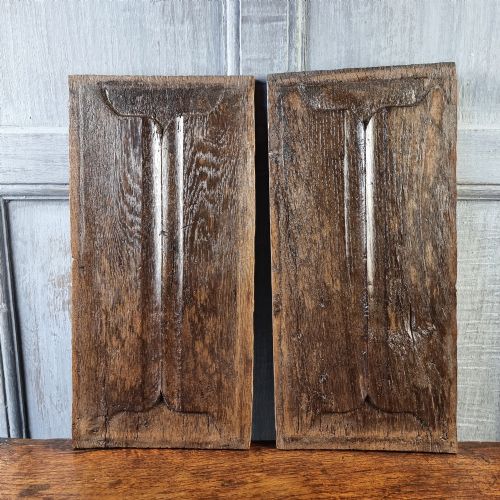
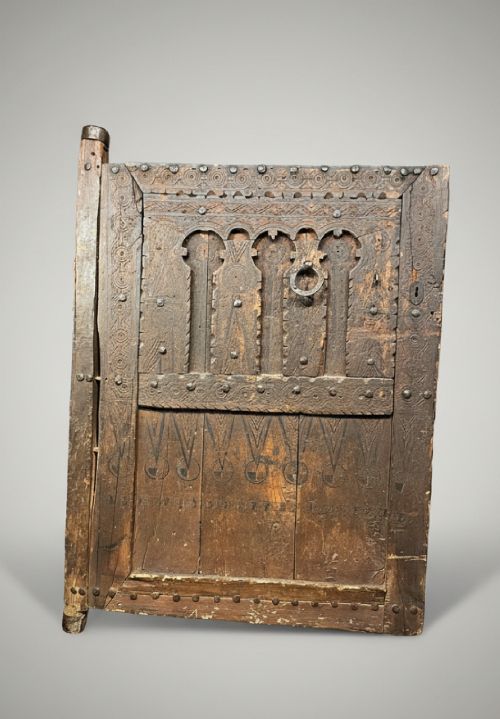
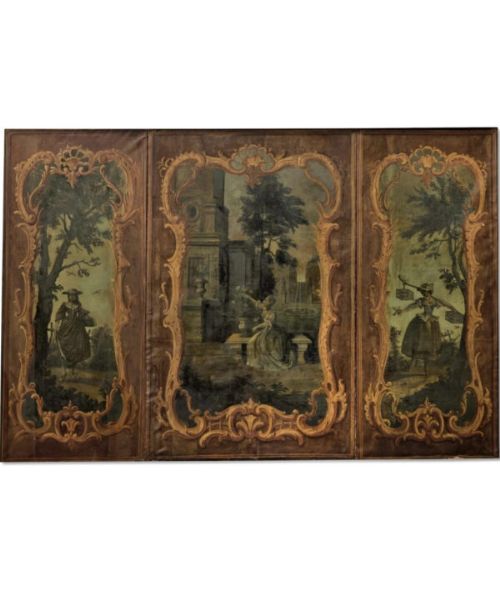
Makers utilised traditional materials such as oak, pine, fruitwood, and wrought iron, often shaping them through hand-carving, casting, or joinery techniques like linenfold. Surface decoration frequently involved paint, giltwood, tempera, or oil on canvas, adding depth and colour to the underlying substrate.
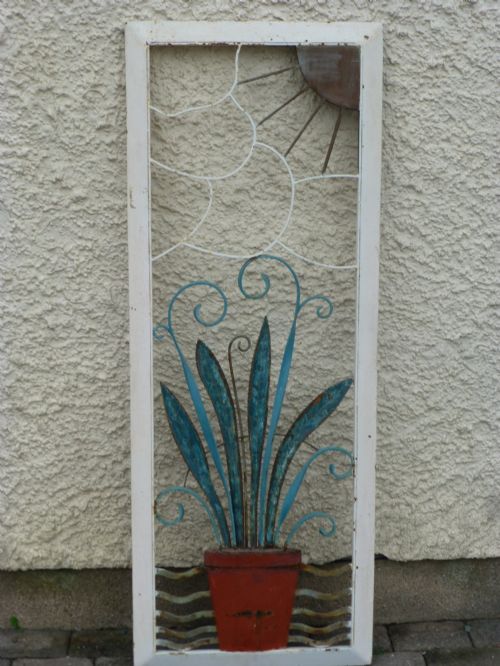
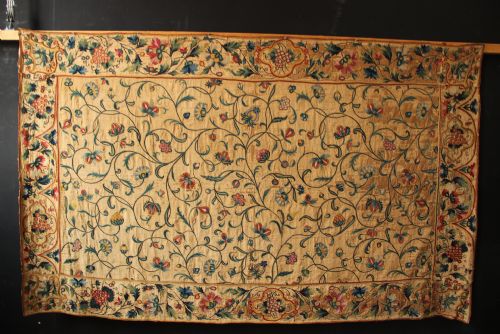
Textile examples rely on wool, cotton, and silk threads worked into crewelwork, crewel embroidery, and Suzani needlework, often mounted on canvas or backing fabric for structural support. Metal elements incorporate cast iron, white metal, and beaten copper, showcasing embossing and relief work characteristic of periods like the Arts and Crafts movement.
Current listings span the 16th to the 20th century, incorporating wood, iron, canvas, and cotton materials across multiple global design traditions.
Evaluating craftsmanship and condition
Quality reveals itself in the crispness of hand-carved details, the depth of relief work, and the preservation of original paint, gilding, or patination. Pieces showing confident handling by the maker, such as finely chiselled fruitwood trophies or precisely executed Chinoiserie inlays, stand apart from simpler production.
The integrity of the material matters significantly, distinguishing items with well-preserved natural ageing from those with unsympathetic modern restorations. Original surfaces, intact embroidery stitches, and structurally sound wooden panels command greater appreciation among collectors.
Poix Blin·Irene Christobelle Pownoll Williams·Raymond Subes·Grinling Gibbons
The Decorative Wall Panels Glossary
- Trumeau mirror
- A decorative wall mirror combined with a painted panel or oil painting above the glass, popular in eighteenth and nineteenth-century French interiors. These architectural fixtures were designed to fit neatly between windows or above mantelpieces.
- Linenfold
- A style of carved wooden panelling that resembles folded bolts of fabric, commonly found in sixteenth and seventeenth-century joinery. The technique creates a rhythmic, textured surface across wooden panels.
- Suzani
- A type of embroidered tribal textile originating from Central Asia, traditionally made by brides as part of their dowry. These large wall hangings feature bold floral and geometric motifs stitched in silk or cotton on a cotton ground.
- Pediment
- A classical architectural element placed above doors, windows, or panels, often carved with foliage, scrolls, or figurative reliefs. In interior settings, large wooden pediments serve as decorative overmantels or wall focal points.
- Grisaille
- A method of painting executed entirely in shades of grey, monochrome, or neutral grey-blue to imitate sculptural reliefs. This technique was frequently employed on decorative panels and trumeau inserts.
Decorative Wall Panels: Frequently Asked Questions
How do I hang heavy carved wooden panels safely?
Heavy carved wooden panels and architectural fragments require robust wall fixings anchored directly into studs or masonry to support their substantial weight. Utilising strong French cleats or concealed metal brackets ensures the piece sits flush against the wall without straining the antique structure.
Professional installation is often recommended for large architectural salvage or ironwork panels to distribute the load evenly and prevent accidental damage to the wall or the artefact.
How should I clean antique textile wall panels?
Antique textile wall panels and embroidery require gentle maintenance, limited to very careful surface dusting with a soft brush or low-suction vacuum through a protective mesh screen. Avoiding harsh cleaning agents and direct sunlight preserves fragile historical fibres and natural dyes over time.
Professional textile conservators should be consulted for deeper cleaning or if structural repairs are needed to secure loose threads or backing fabrics.
How do I date a decorative wall panel?
Dating a decorative wall panel involves examining the tool marks, wood species, joinery methods, and the style of the painted or carved decoration. Eighteenth-century pieces often exhibit hand-sawn timber and traditional gesso preparation, while nineteenth-century works may show different machine assistance or characteristic revival styles.
Comparing the motif and construction against documented examples from specific periods, such as Arts and Crafts or Louis XVI, helps narrow down the probable date of manufacture.
Can exterior architectural panels be used indoors?
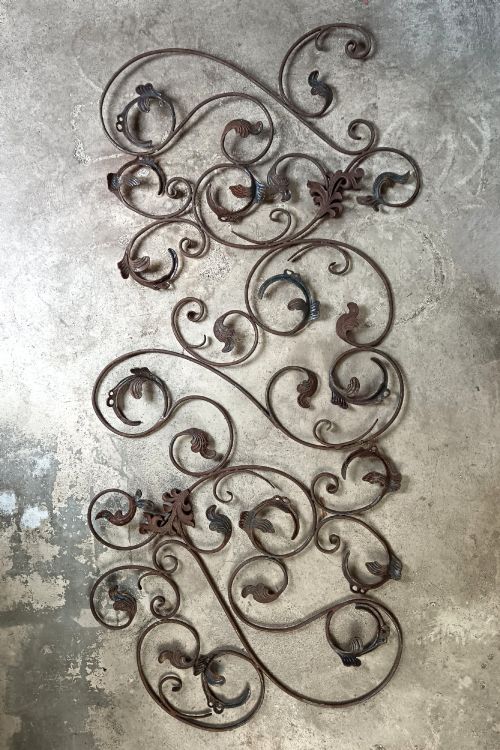
Exterior architectural panels, including cast iron balustrades and weathered wrought iron scrolls, adapt well to interior display when properly cleaned and sealed. Their robust construction brings sculptural texture and industrial contrast to contemporary or traditional interior spaces.
Checking that the metal or wood has stabilised and removing any loose surface debris ensures the piece remains clean and safe within a domestic environment.