




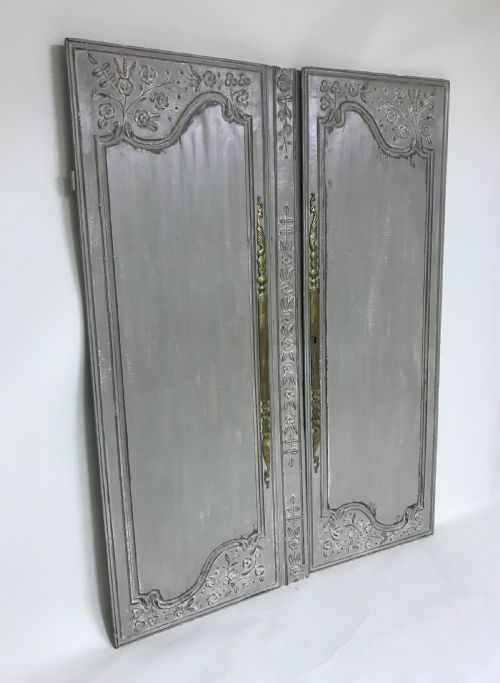

Grey Painted Doors
Grey painted doors bring rustic architectural character and subtle historic tone to an interior space.
Grey Painted Doors
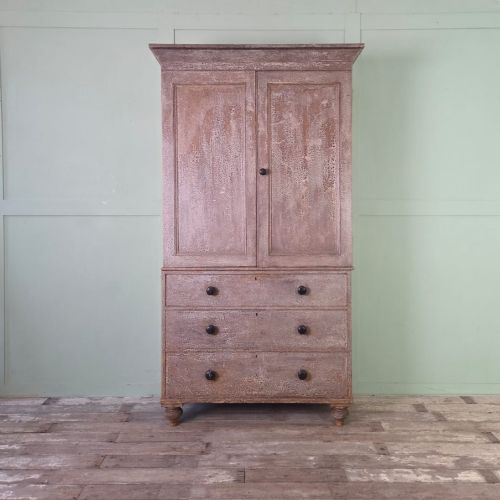
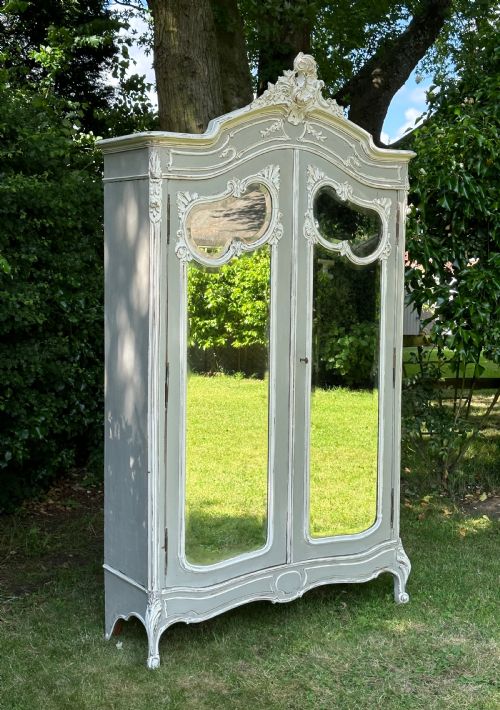
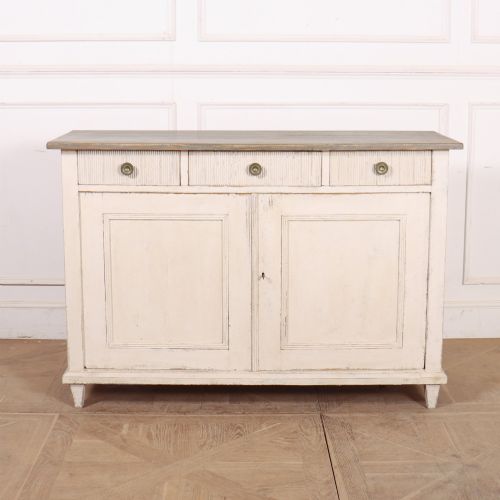
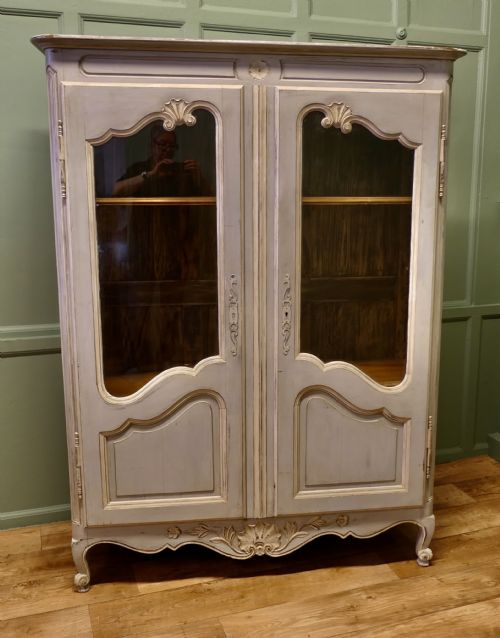
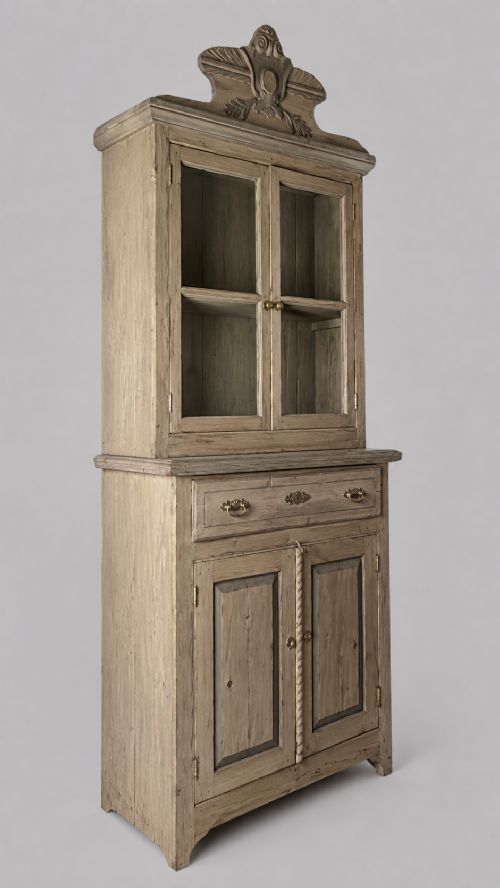
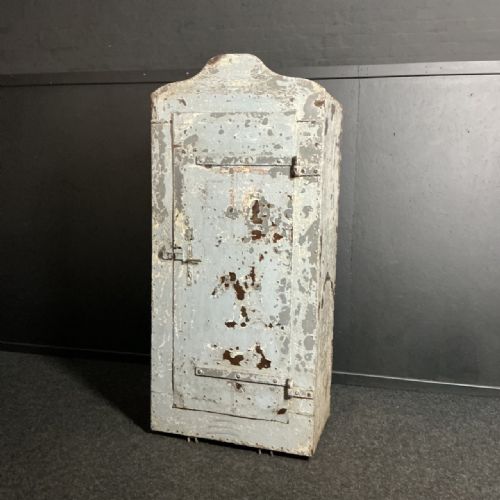
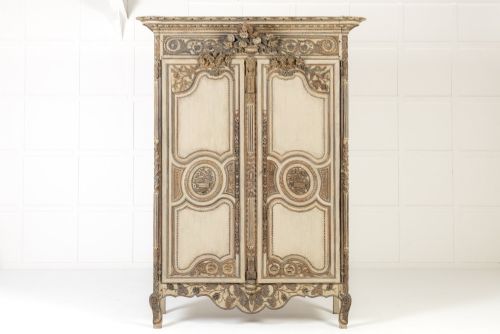
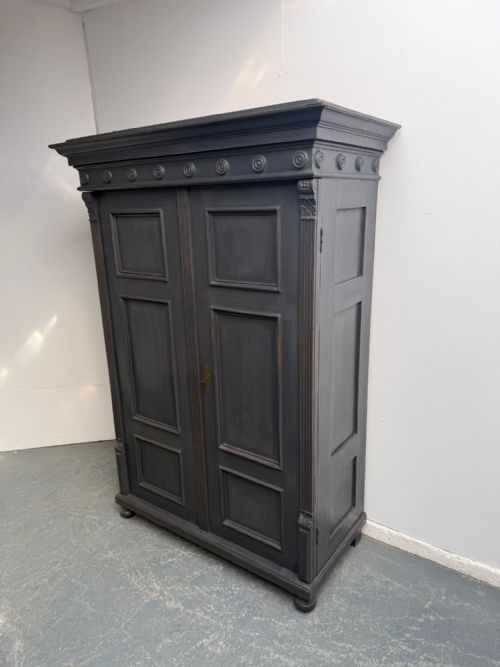
When searching for grey painted doors, buyers find architectural salvage pieces and large storage items that incorporate painted wooden panels and joinery. These pieces draw from eighteenth, nineteenth, and early twentieth century traditions, originating primarily from French, Scandinavian, and English workshops.
The selections on this page are most commonly represented by structural pairs of wooden doors, alongside tall cupboards, armoires, and storage units finished in muted grey tones. They serve both functional partitions and decorative focal points within domestic settings.
Originating across periods spanning the Georgian era through to the 1920s, these items reflect diverse regional styles including French Provincial, Scandinavian Country, and Industrial designs. Each piece brings genuine historic fabric and weathered surface patina to contemporary spaces.
Materials and construction
Construction relies primarily on sturdy timbers such as pine, oak, cherrywood, and walnut, often assembled using traditional joinery techniques suitable for heavy architectural use. Structural integrity is frequently supported by iron and brass hardware, including handles, hinges, and detailed metal fastenings.
Surfaces are finished with layers of paint, sometimes accentuating hand-carved decorative motifs, pelmets, and panelled detailing. The combination of solid wood cores and historic painted finishes defines the physical presence of these items.
Grey Painted Doors Retail Price Guide 2026
Typical asking prices for grey painted doors among the pieces listed under this phrase on Sellingantiques today, from the lower quarter to the upper quarter. They describe what is for sale here now, not the wider market.
Among the architectural timber stands a lone brass elephant doorstop from the Great Exhibition.
Judging quality and character
Quality rests in the integrity of the original timber frame, the crispness of any hand-carved elements, and the depth of the historic painted surface. Pieces with integrated brass detailing or well-preserved original hardware sit at a higher level of craftsmanship.
Proportion and scale dictate the visual success of the piece, with balanced double doors and uniform panel alignment demonstrating superior workshop standards. The harmony between the underlying wood and its applied grey finish determines the overall aesthetic success.
The Grey Painted Doors Glossary
- Architectural salvage
- Building elements rescued from older structures for reuse in new settings. These items preserve historic craftsmanship and materials.
- Armoire
- A tall wardrobe or cupboard used originally for storing clothing. They often feature large panelled doors and substantial interior depth.
- Enfilade
- A suite of rooms formally aligned, or a long sideboard piece designed for formal storage. They showcase extended horizontal proportions.
- Pelmet
- A framework placed above a door or window to conceal fixtures. Hand-carved examples add decorative emphasis to an opening.
- Vitrine
- A glass-fronted cabinet used for displaying objects or books. They combine glazed panels with sturdy wooden framing.
Grey Painted Doors: Frequently Asked Questions
How do I install architectural doors?
Architectural doors require careful assessment of weight and frame stability before hanging in a modern opening.
Carpenters often need to adjust historic timbers to fit contemporary lintels and ensure smooth operation.
Are these doors suitable for daily use?
Most pieces are built from solid pine, oak, or cherrywood designed for robust, long-term service.
Historic hinges and latches should be checked for strength to support frequent opening and closing.
How do I maintain painted wooden surfaces?
Dust surfaces regularly with a soft, dry cloth to protect the historic painted finish from abrasion.
Avoid harsh chemical cleaners that can strip or discolour the aged grey pigment.
Can I use large cupboards as room dividers?
Tall storage cupboards and armoires offer substantial back panels that work well to zone open-plan spaces.
Ensure the piece is securely anchored if it stands away from a supporting wall.
How do I identify the period of a door?
Period indicators include the style of hand-carved mouldings, the type of timber used, and the form of iron or brass hardware.
Georgian and Victorian examples often feature distinct proportions compared to later twentieth-century items.