

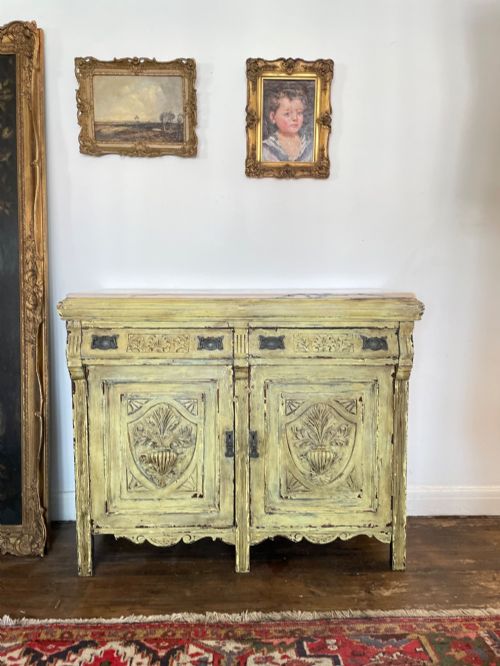


French Provincial Panels
These french provincial panels and related architectural elements bring authentic regional character to a room.
French Provincial Panels
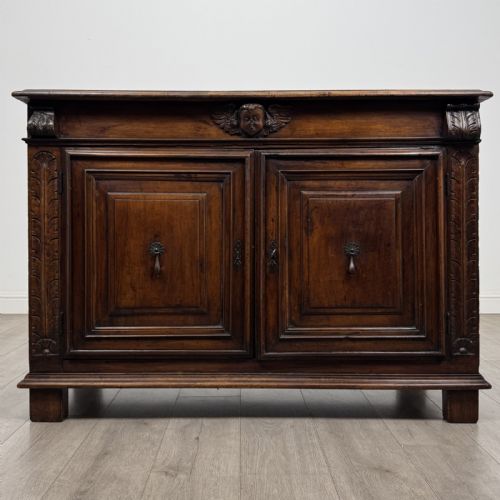
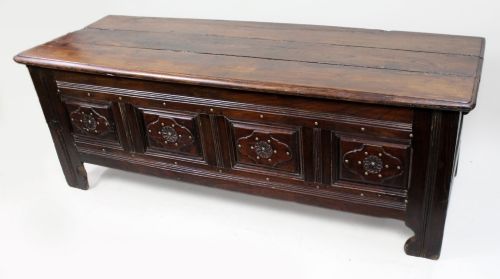
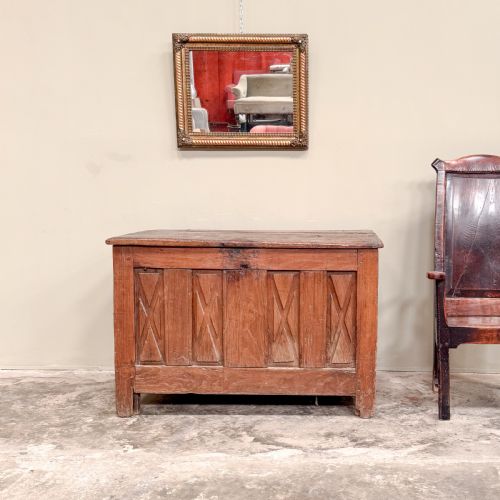
When searching for french provincial panels, buyers typically encounter architectural salvage such as carved wooden doors, door pediments, and standalone decorative panels originating from regional France. These pieces span periods from the seventeenth century through to the mid-twentieth century, reflecting the shifting domestic architecture of the countryside. While full architectural elements appear alongside furniture like coffers, sideboards, and commodes, the smaller panels and doors provide direct examples of regional carving traditions.
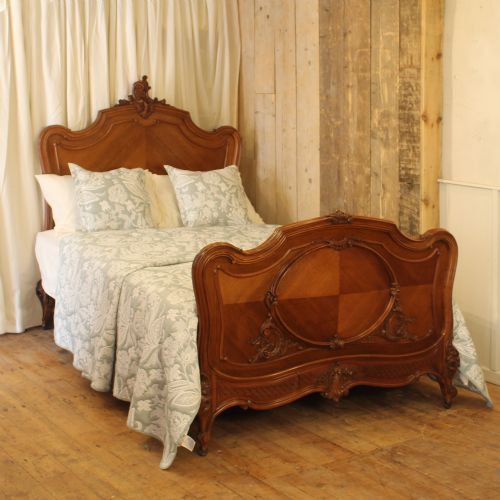
The selection on this page relies heavily on solid timber constructions rather than lightweight veneers. Oak forms the backbone of these listings, accompanied by walnut, chestnut, pine, and cherrywood, often shaped by rural artisans. Alongside these dedicated panels, related items such as cupboards, armoires, and beds display matching raised or carved wooden frameworks that mirror the joinery techniques found on the wall sections and doors.
Most examples originate from the eighteenth and nineteenth centuries, capturing a period when local workshops supplied sturdy fixtures for farmhouses, chateaus, and provincial dwellings. Buyers find both natural wood finishes - ranging from bleached oak to dark walnut - and painted surfaces that have weathered through decades of use. This mix ensures that the pieces integrate into both traditional country interiors and more contemporary spaces seeking historical texture.
Assessing Quality and Craftsmanship
The distinction between standard utility items and superior examples lies in the depth and execution of the hand carving. Finer panels feature crisper relief work, well-balanced proportions, and sophisticated moulding profiles that reflect the stylistic influence of Louis periods translated by regional craftsmen. Lesser examples display repetitive, shallow incisions or mechanical uniformity that lacks the vitality of genuine rural handwork.
Material selection and structural integrity further divide the range. Superior pieces utilise dense, old-growth hardwoods with minimal timber replacement, maintaining their original pegged joints and planar stability. Quality is also evident in the preservation of original surface treatments, where unstripped patinas and authentic painted layers offer greater historical depth than aggressively restored or modernly stripped surfaces.
French Provincial Panels Retail Price Guide 2026
Typical asking prices for french provincial panels among the pieces listed under this phrase on Sellingantiques today, from the lower quarter to the upper quarter. They describe what is for sale here now, not the wider market.
Listings feature structural timbers including oak, walnut, chestnut, pine, and cherrywood, spanning the eighteenth to the twentieth centuries.
The French Provincial Panels Glossary
- Architectural salvage
- Building components rescued from older structures for reuse in interior design or restoration projects. These items include doors, panels, pediments, and mantelpieces.
- Buffet a deux corps
- A large two-stage cupboard or sideboard consisting of a lower cabinet base beneath a narrower upper section. This form is typical of eighteenth-century provincial dining rooms and kitchens.
- Coffer
- A heavy wooden chest with a hinged lid, used historically for storage. Early provincial examples often feature hand-carved front panels and exposed pegged joinery.
- Directoire
- A transitional French design style dating around the turn of the nineteenth century, bridging Louis XVI and Empire aesthetics. It favours cleaner neoclassical lines over elaborate ornamentation.
- Frame and panel
- A woodworking technique where a central floating panel fits into a grooved surrounding frame. This construction method prevents warping as the wood responds to environmental changes.
- Louis XV style
- A decorative aesthetic characterised by asymmetrical curves, scrollwork, and natural motifs such as leaves and shells. Provincial interpretations adapt these courtly curves into sturdier, simpler forms.
French Provincial Panels: Frequently Asked Questions
What were antique French panels used for originally?
These panels originally formed parts of larger architectural schemes, functioning as interior wall cladding, cupboard doors, or decorative room dividers in rural French homes.
Craftsmen integrated them into domestic spaces to add texture, warmth, and structural division within traditional farmhouse and chateau interiors.
How do I mount antique wooden panels on a wall?
Mounting heavy timber panels requires securing a batten system directly to the wall studs to support the weight safely without damaging the antique wood.
Professional installation is recommended to ensure the framing distributes the load evenly while preserving the original backboards and edges of the piece.
Can I use antique French doors as interior room dividers?
Antique doors and large panels adapt well to modern interiors when hung on sliding overhead tracks or fixed as decorative room partitions.
Their substantial timber construction and hand-carved details allow them to function as architectural focal points while defining open-plan living areas.
How do I care for antique waxed oak and walnut surfaces?
Maintaining these wood surfaces involves applying a neutral beeswax periodically and buffing gently with a soft cloth to nourish the dry timber.
Avoid using modern liquid cleaners or silicone polishes, as these substances can penetrate open grain and degrade the historic patina over time.