
Decorative Wall Panelling
Decorative wall panelling encompasses architectural salvage, painted canvases, carved wood, and embroidered textiles designed to transform interior vertical surfaces.
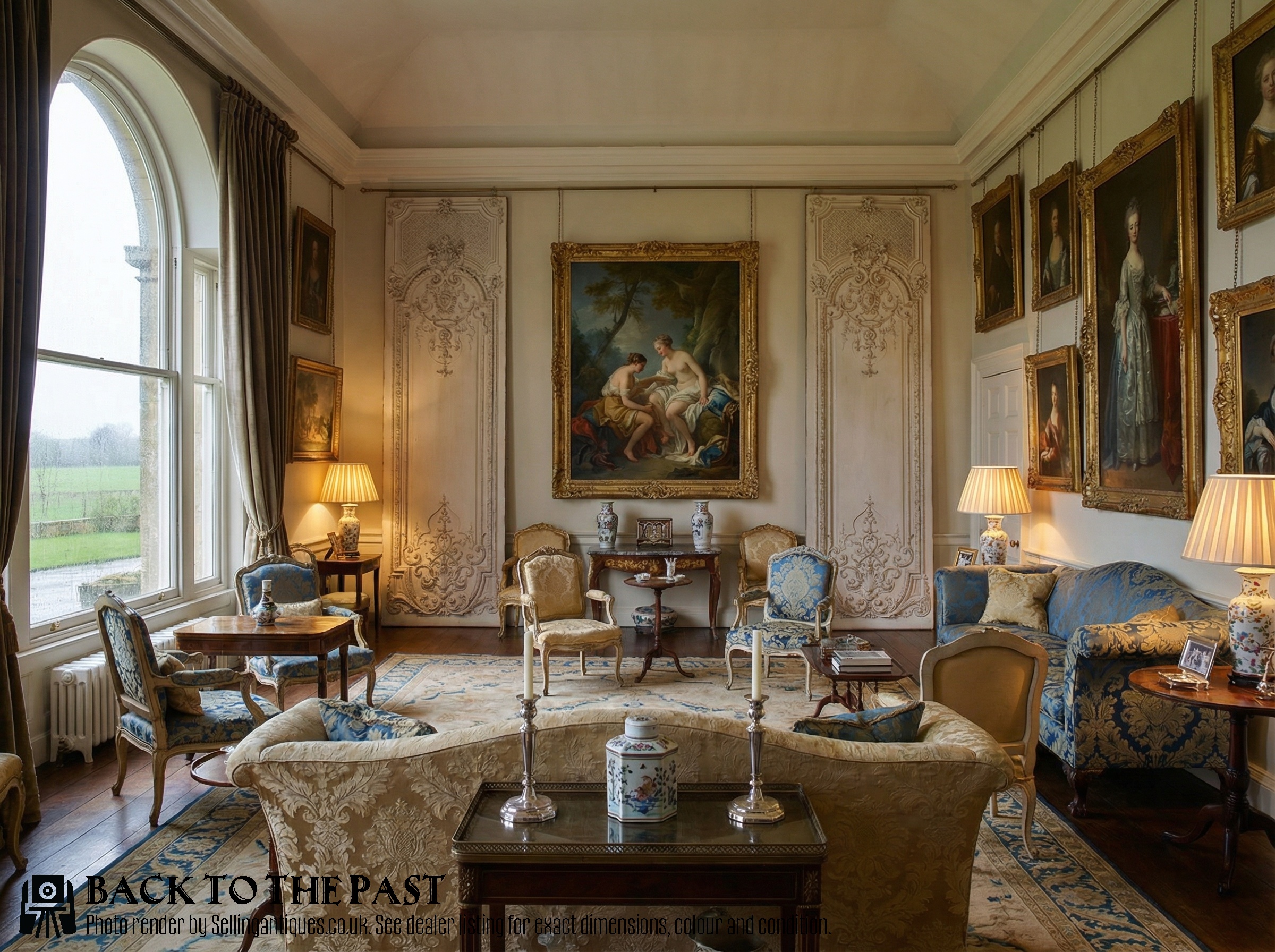
Decorative Wall Panelling
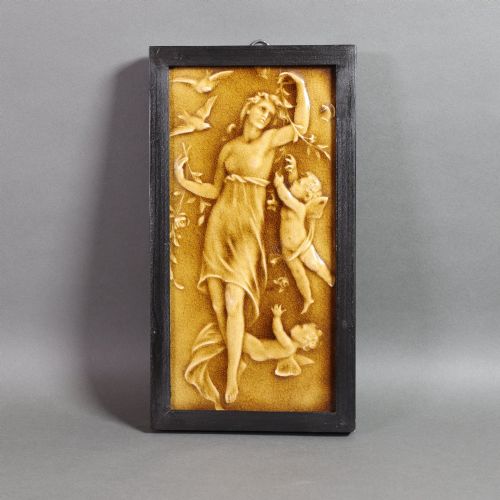
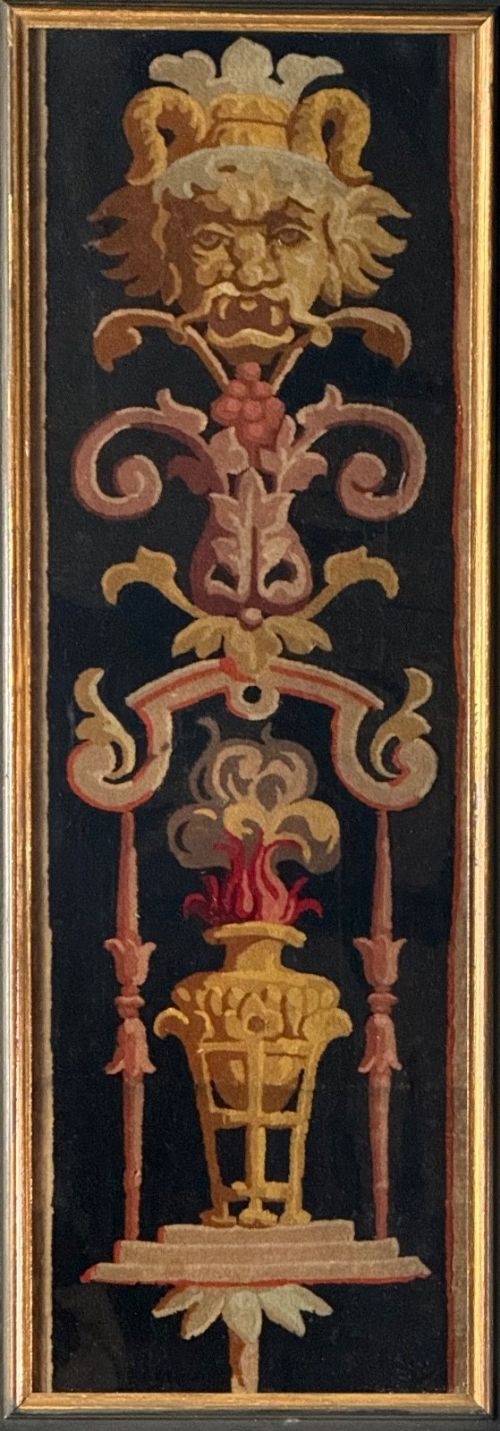
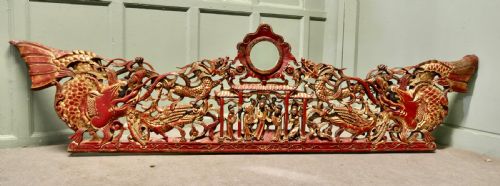
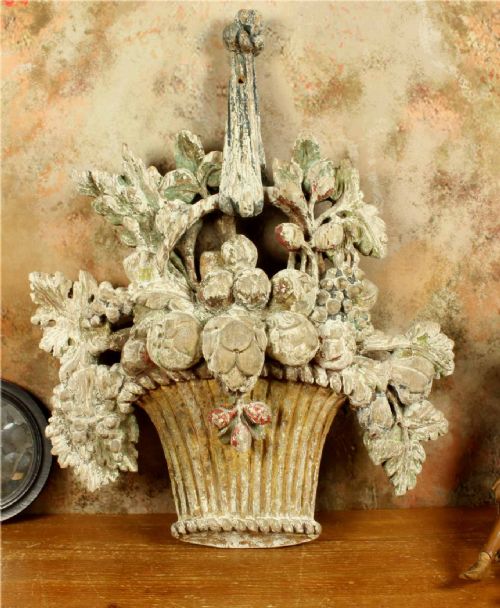
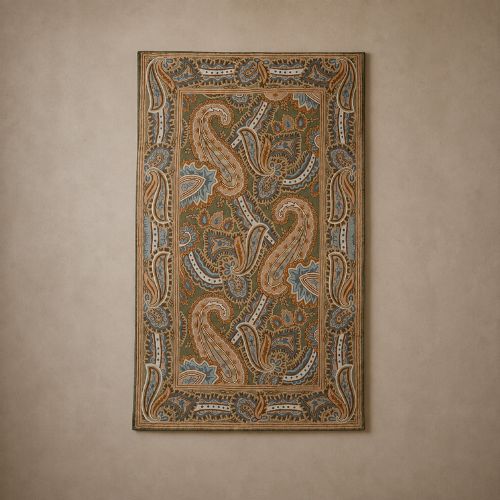
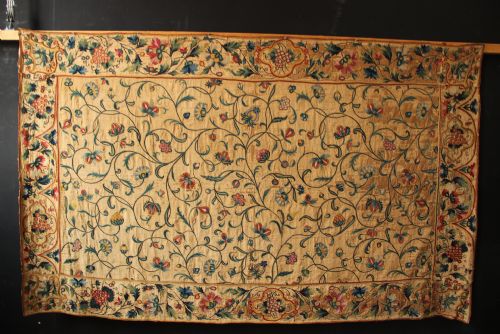
Decorative wall panelling incorporates diverse formats ranging from carved wooden architectural fragments and French trumeau mirrors to embroidered textile panels and painted canvases. These pieces emerge from traditions spanning French chateaux, Chinese workshops, Central Asian nomadic tribes, and English domestic interiors.
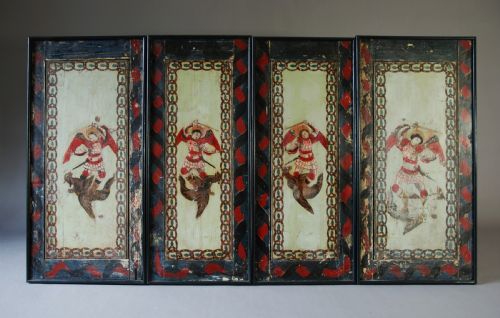
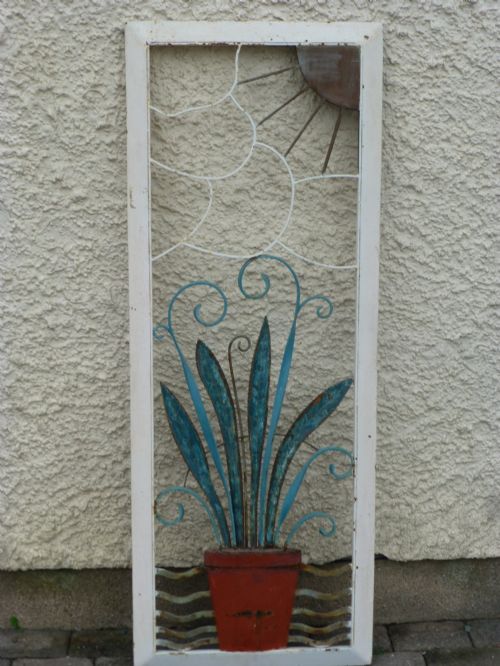
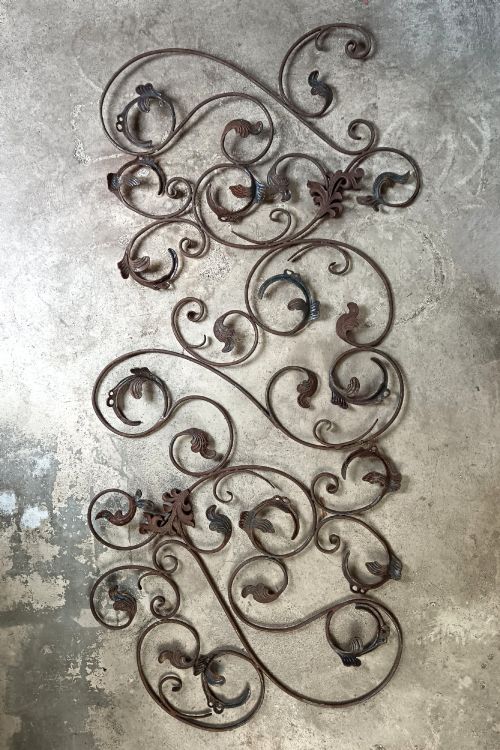
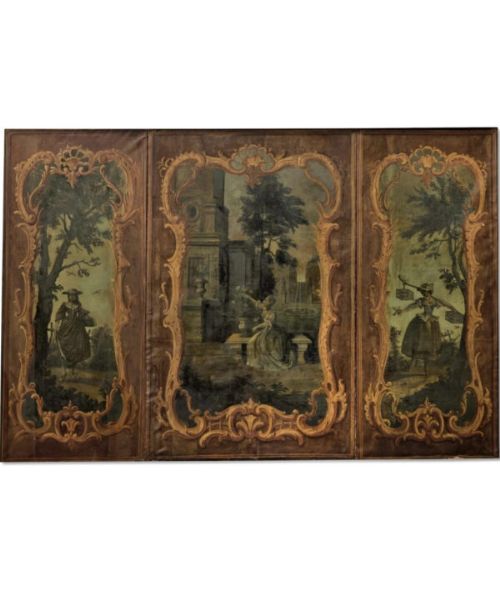
The selection includes painted pine panels depicting religious figures, gilt bronze appliques, cast iron architectural elements, and intricate crewelwork hangings. Buyers encounter works traversing multiple centuries, from early oak carvings to twentieth-century iron screens.
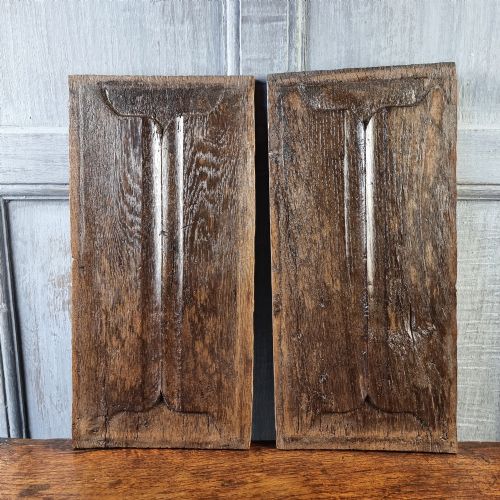
Wooden components take the form of linenfold panels, pediments, and ceiling roses, while fabric items comprise suzanis, embroidery, and wallpaper panels. Each object originates from a specific architectural or decorative context, repurposed for contemporary display.
Materials and Technique
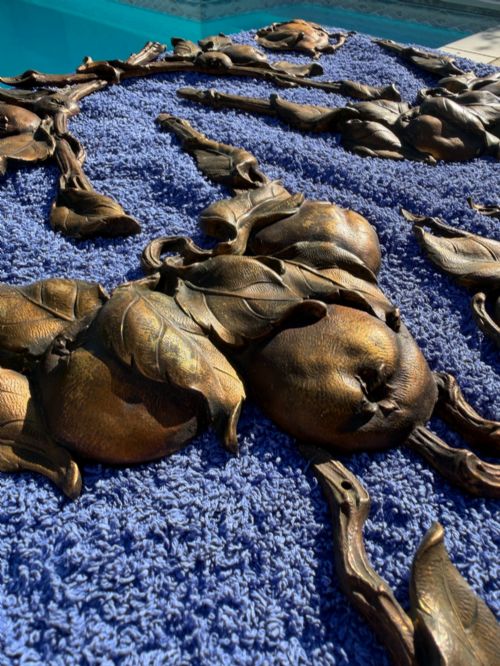
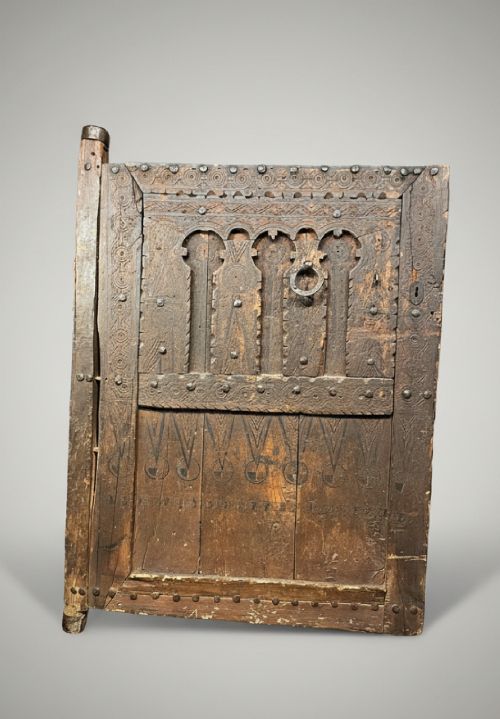
Makers utilised solid timber such as oak, pine, and fruitwood, shaping surfaces through hand carving, relief work, and parcel gilding. Metal components involve wrought iron, cast iron, gilt bronze, beaten copper, and white metal relief plaques.
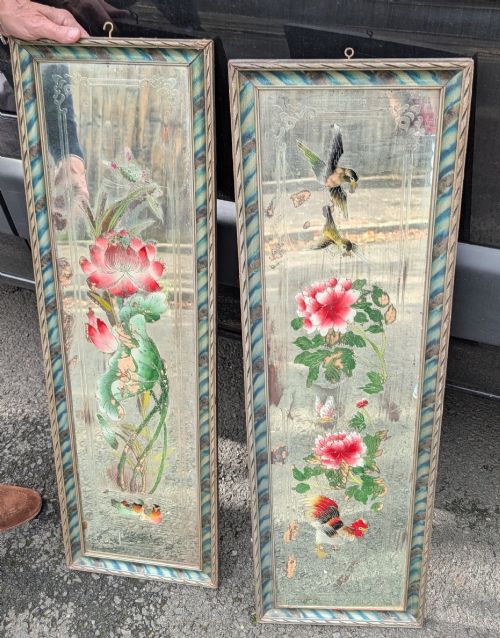
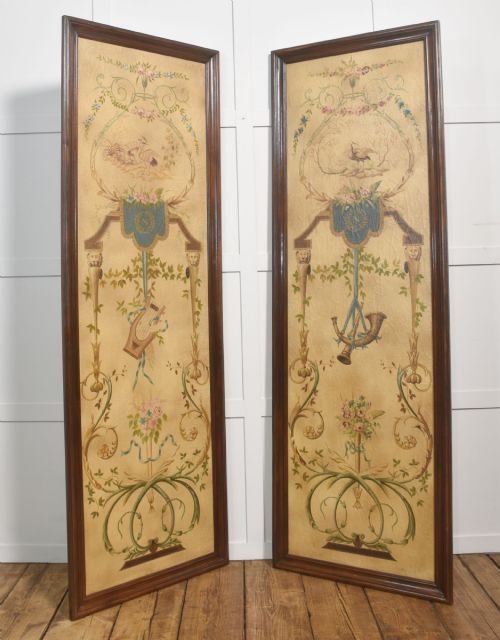
Fabric works rely on wool, cotton, and canvas substrates embellished with crewelwork, embroidery, and tempera or oil painting. Lacquered wooden panels incorporate mother-of-pearl and abalone inlay alongside painted foliage.
Fairground ride panels bring the unexpected colour and motion of nineteenth-century amusement parks directly onto the living room wall.
Execution and Detail
Quality rests in the precision of the hand carving, the fineness of the textile needlework, and the clarity of the painted detail. Superior examples display sophisticated proportion, balanced composition, and integrated original surfaces such as gilt, paint, or patinated metal.
Lesser pieces exhibit mechanical tooling or crude assembly, whereas masterworks demonstrate nuanced depth in fruitwood trophy carvings or precise execution in Chinese lacquered inlay. The integrity of the original material, whether weathered iron or delicate embroidery, dictates the visual success of the piece.
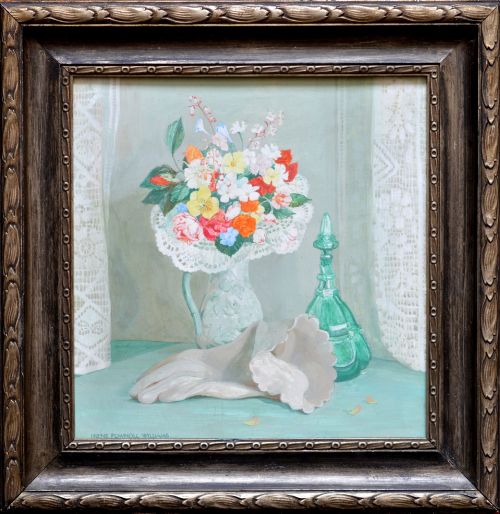
Poix Blin·Raymond Subes·Grinling Gibbons·Irene Christobelle Pownoll Williams
The Decorative Wall Panelling Glossary
- Trumeau mirror
- A decorative wall mirror incorporating an oil painting or panel above the glass, popular in French interiors. These pieces combine functional reflection with framed pictorial art.
- Linenfold
- A style of wooden panelling carved in relief to imitate folded fabric, often associated with medieval and Tudor interiors. This technique creates a textured surface of vertical folds.
- Suzani
- A type of embroidered and decorative tribal textile made in Tajikistan, Uzbekistan, and other Central Asian nations. These large wall hangings typically feature bold floral motifs on cotton grounds.
- Pediment
- An architectural element consisting of a gable surface placed above a portico, door, or window, frequently carved with classical ornamentation. Decorative versions appear as standalone wooden or gilt architectural reliefs.
- Grisaille
- A method of painting executed entirely in shades of grey or neutral monochrome, mimicking sculpture or relief. This technique creates a three-dimensional illusion on flat panels or canvases.
Decorative Wall Panelling: Frequently Asked Questions
How do I hang heavy wooden wall panels safely?
Heavy wooden panels require robust mechanical fixings attached directly to wall studs or masonry using appropriate brackets. Professional installation ensures the weight is distributed evenly without damaging the antique material.
Lighter textile panels and mirrors utilise D-rings and secured wire, while iron architectural salvage demands custom metal mounts designed for load-bearing support.
Can textile panels be displayed in direct sunlight?
Textile panels, including crewelwork and suzanis, are sensitive to ultraviolet light which degrades natural wool and cotton fibres over time. Displaying them away from direct sun exposure preserves the original dyes and fabric integrity.
Using UV-filtering glass for framed textile pieces offers additional protection against fading while maintaining visibility.
How do I clean antique carved wood panels?
Dust carved wooden surfaces gently with a soft, dry brush or microfibre cloth to remove particulate matter without disturbing the patina. Avoid liquid cleaners, household polishes, and abrasive cloths that strip historical finishes.
Wax-based conservation products may be applied sparingly to unpainted timber only when the surface appears dry, following specialist guidelines.
What is the difference between architectural salvage and decorative panels?
Architectural salvage comprises structural elements removed from buildings, such as iron grilles, pediments, and fragments of doors or balustrades. These pieces served a functional purpose in their original setting before re-use as wall art.
Decorative panels, including paintings, embroidered textiles, and lacquered screens, were created specifically for ornamental display on vertical interior surfaces.