







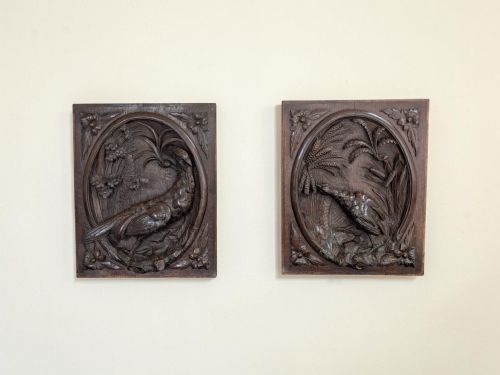


Pair French Wall Panels
Pair french wall panels bring symmetry and decorative presence to a room, offering historic character through carved wood, painted surfaces, and antique textiles.
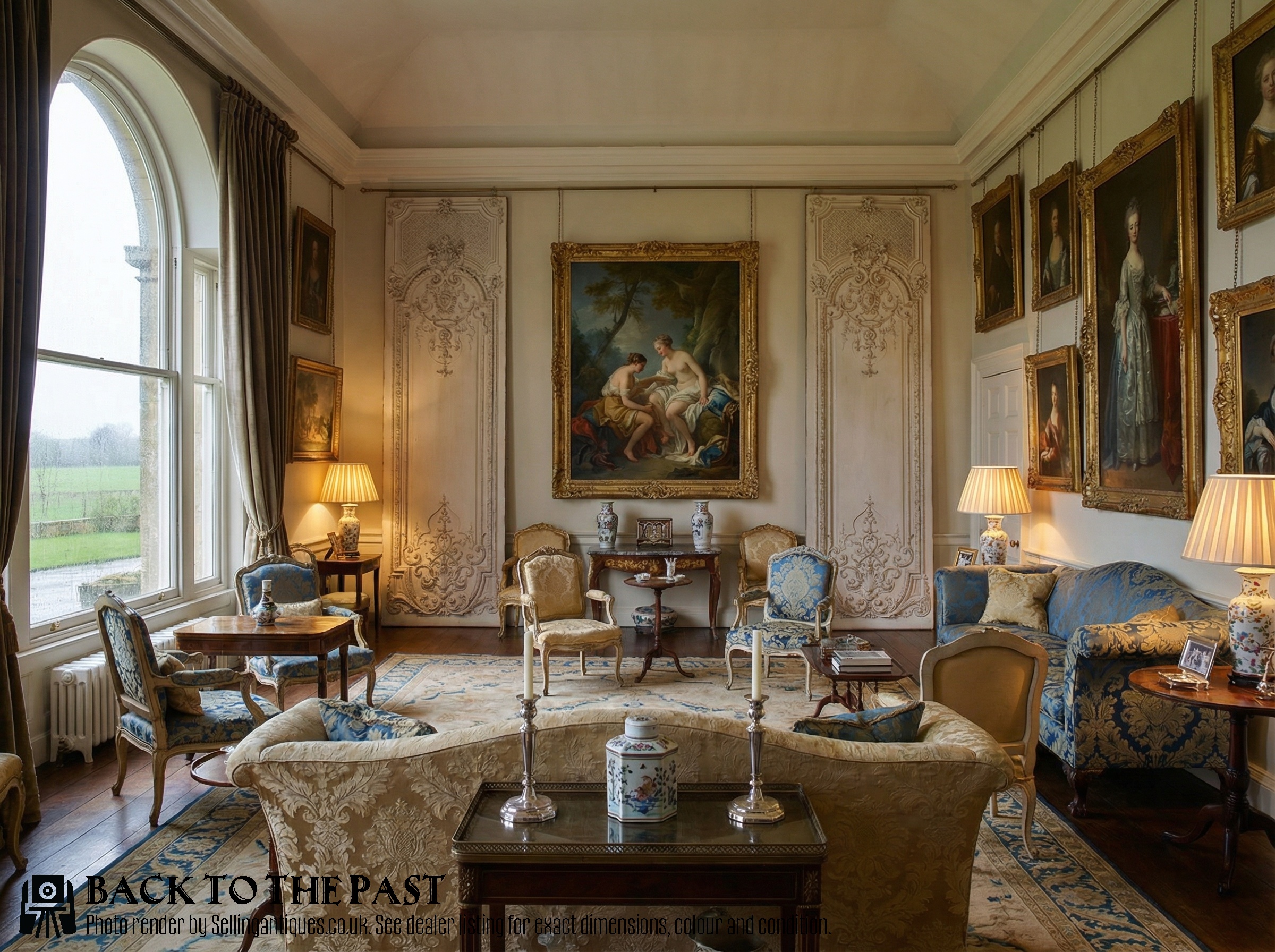
Pair French Wall Panels
Pair french wall panels encompass architectural salvage, decorative hangings, and framed textiles designed to add symmetry and historic character to interior spaces. Buyers seeking pair french wall panels encounter diverse forms including carved wood boiserie, painted decorative canvases, and woven tapestry sections.
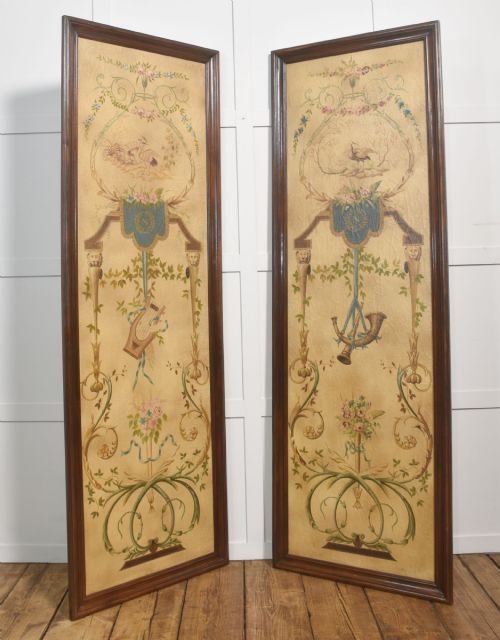
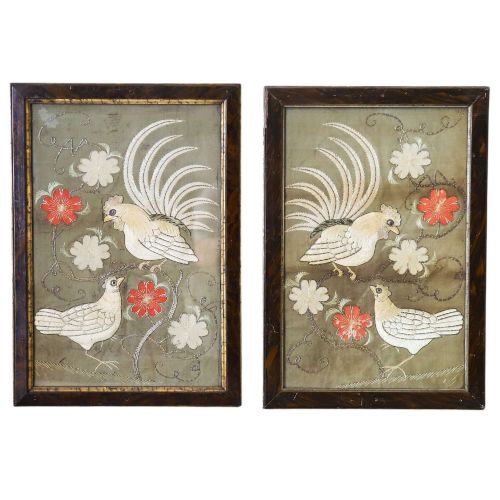
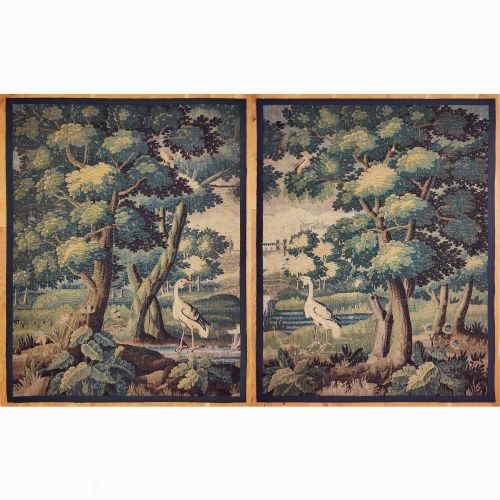
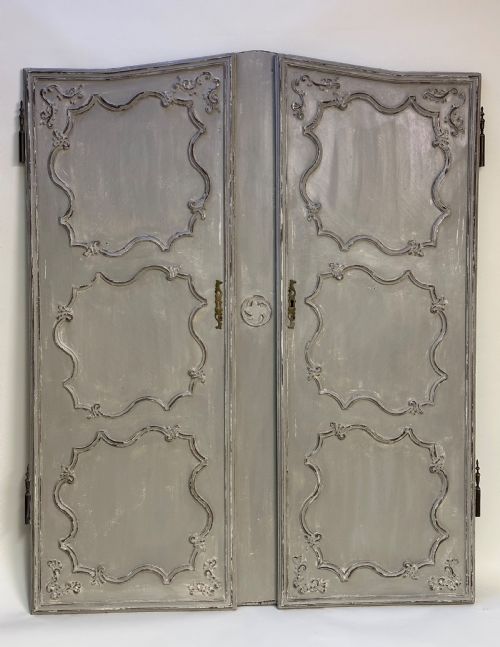
The selection ranges from seventeenth-century Aubusson verdure tapestries and eighteenth-century ciselé silk velvet pilaster hangings to nineteenth-century painted panels and carved oak doors. Nineteenth-century painted boiserie and hand-carved wooden panels appear frequently alongside framed embroideries and porcelain plaques.
How they were made
Makers utilised traditional woodworking and textile techniques, employing hand carving on oak, pine, and structural timber to create relief ornamentation. Surfaces received layers of hand-applied paint, often showing decorative motifs suited to French chateau and provincial interiors.
Textile panels incorporate fine materials such as silk, velvet, and canvas, utilising weaving, embroidery, and painting directly onto the fabric ground. Structural elements frequently combine wood with brass, copper, and iron fastenings or decorative frames.
Pair French Wall Panels Retail Price Guide 2026
Typical asking prices for pair french wall panels among the pieces listed under this phrase on Sellingantiques today, from the lower quarter to the upper quarter. They describe what is for sale here now, not the wider market.
The inventory spans four centuries, featuring materials from carved oak and painted canvas to silk velvet and porcelain.
What varies in quality
The refinement of the hand carving and the preservation of original painted surfaces distinguish exceptional decorative panels from simpler architectural elements. Finer textile hangings demonstrate intricate weaving techniques, dense pile in silk velvets, and careful execution in needlework.
Age and original context influence desirability, with seventeenth and eighteenth-century tapestry and velvet panels carrying distinct historical significance compared to later nineteenth-century interpretations. The integrity of the original materials, whether aged oak or delicate silk embroidery, dictates the overall presence of the piece.
The Pair French Wall Panels Glossary
- Boiserie
- Carved wooden panelling used to decorate interior walls, originating in French architecture. These decorative wooden schemes often incorporate moulded frames and painted finishes.
- Ciséle velvet
- A velvet fabric where the pile is cut in relief against an uncut or lower ground to create a pattern. This technique produces rich textural designs on historic wall hangings.
- Aubusson tapestry
- Woven wall hangings produced in the French town of Aubusson, known for verdure and pastoral scenes. These textiles employ wool and silk threads to depict historic landscapes.
- Pilaster hanging
- A narrow decorative textile or panel designed to fit the flat vertical architectural element of a wall. Such hangings accentuate the proportions of period rooms.
Pair French Wall Panels: Frequently Asked Questions
How do I hang heavy carved panels?
Heavy wooden panels require secure fixing directly into wall studs or masonry using appropriate structural brackets and load-bearing hardware.
Professional installation is recommended to distribute the weight evenly without damaging the antique timber or plasterwork.
Can antique fabric panels be cleaned?
Historic textiles such as silk velvet and embroidered canvas require specialist conservation cleaning rather than standard domestic washing.
Surface dust should be removed very gently with a soft brush, avoiding any moisture or friction that might disturb aged fibres.
How do I identify seventeenth-century tapestries?
Early verdure tapestries display muted natural colour palettes dominated by greens and browns, depicting foliage, trees, and occasionally distant architectural elements.
Examining the back reveals hand-spun wool and silk yarns with irregular knotting characteristic of historic workshop production.