








Cream Painted Wall Panel
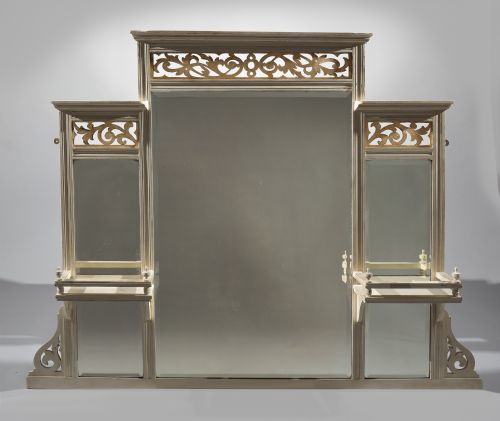
A cream painted wall panel brings genuine architectural history inside, offering weathered painted wood and carved detail that transforms an ordinary room.
Cream Painted Wall Panel
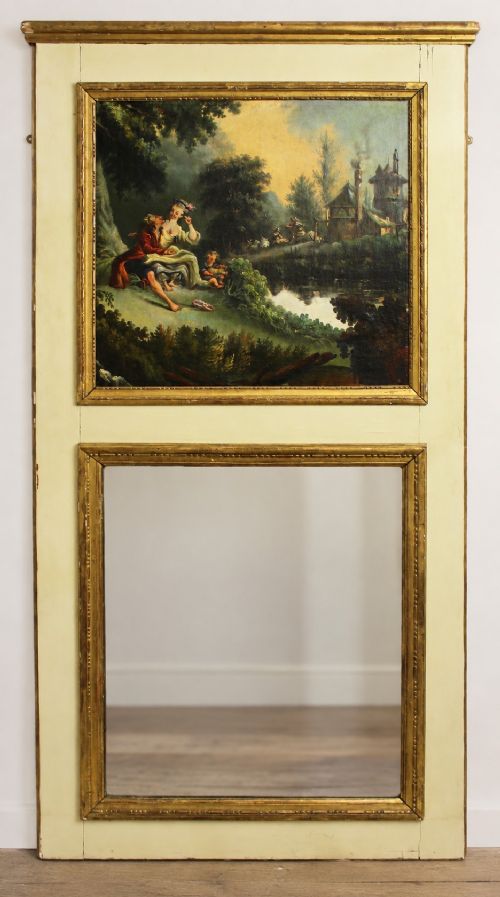
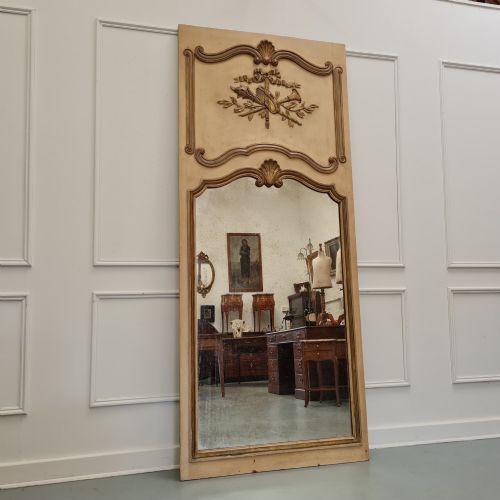
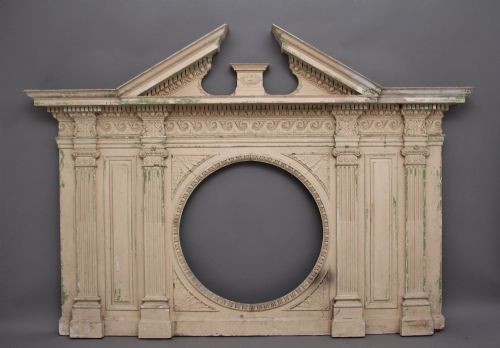
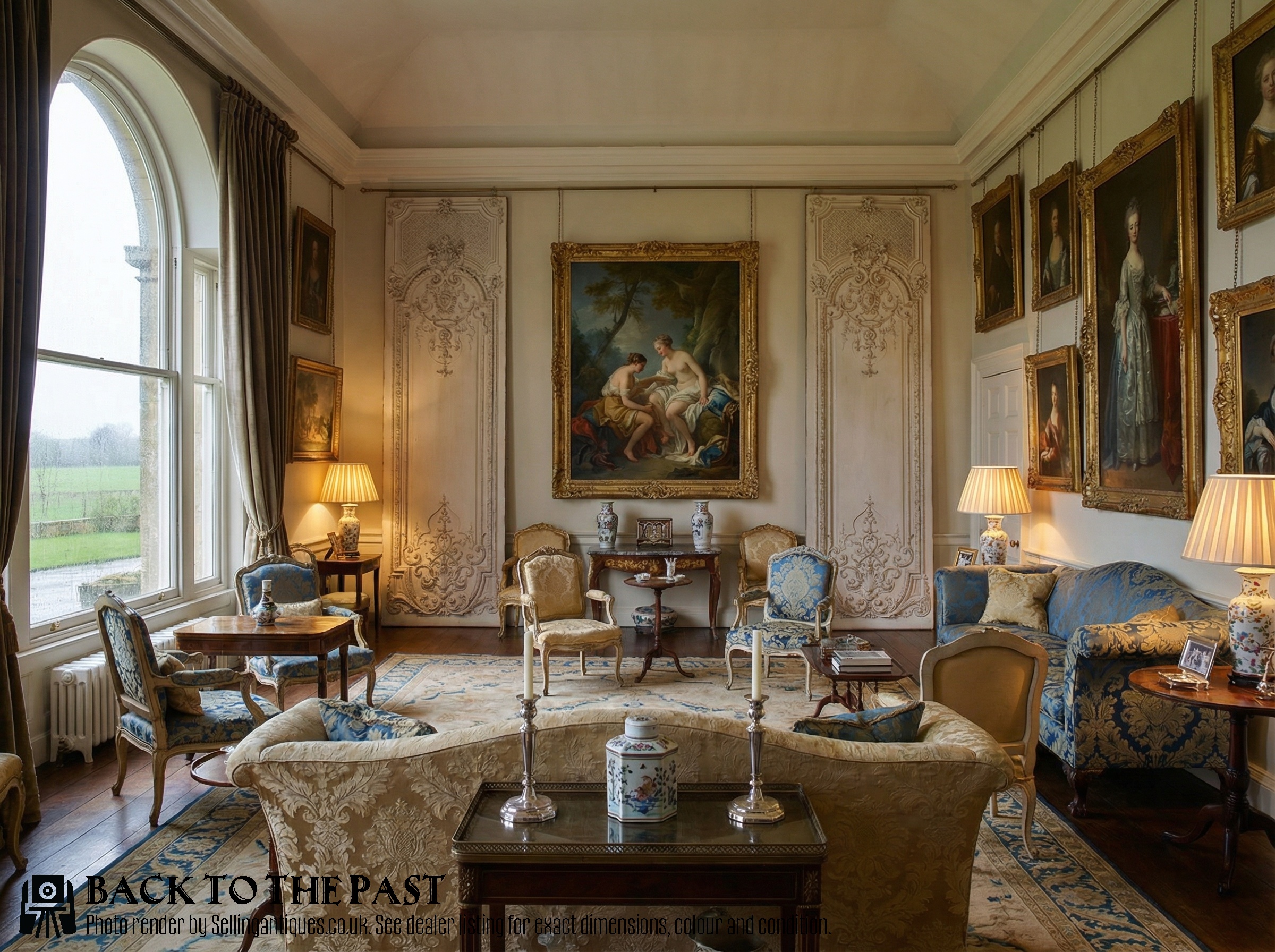
A cream painted wall panel is an architectural element or decorative fixture designed to be mounted directly onto a wall surface. When searching for a cream painted wall panel, buyers encounter an eclectic mix of 18th century pine panels, French trumeau mirrors, overmantels, and folk art fairground pieces.
The selections span from the 18th century through the Edwardian period, encompassing styles such as French Louis XVI Revival, Victorian Gothic Revival, and Victorian folk art. The most frequent discoveries on this page are French trumeau mirrors featuring integrated oil paintings and decorative boiserie panels.
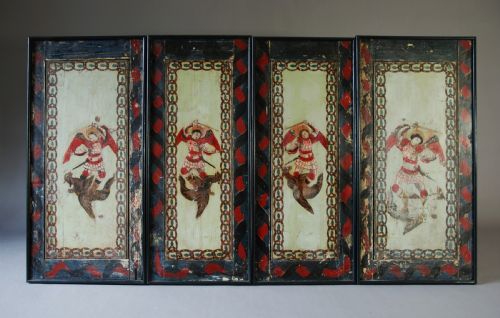
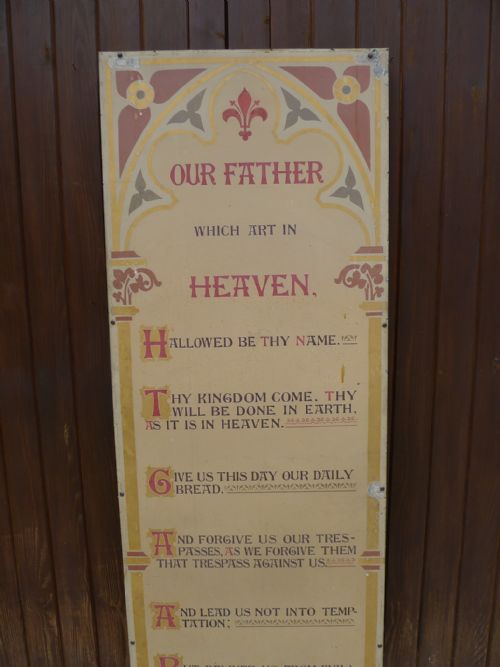
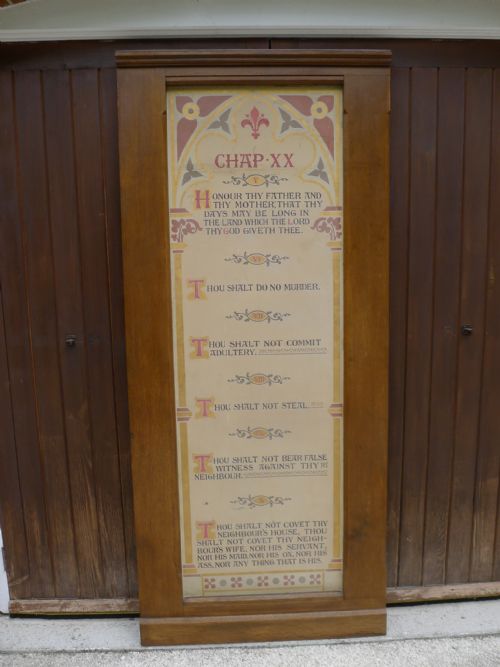
Beyond standard architectural woodwork, the listings incorporate diverse wall-hanging formats including painted pine display signs, religious texts from tin tabernacles, and carved reliefs. Each piece carries the distinct patina of its original setting, whether a chateau salon or a regional fairground ride.
Materials and construction methods
Wood serves as the primary structural substrate for these pieces, with solid pine utilised extensively for boiserie panels, signs, and overmantels. Carved gesso and applied mouldings frequently accent the wooden frameworks, building up decorative relief before the application of paint.
Surface finishes rely on traditional pigment and oil paint layered over wood, often developing a complex craquelure and mellowed cream tone through decades of exposure. Gilding and parcel-gilt highlights occasionally complement the painted surfaces, adding subtle contrast to carved details.
Cream Painted Wall Panel Retail Price Guide 2026
Typical asking prices for cream painted wall panel among the pieces listed under this phrase on Sellingantiques today, from the lower quarter to the upper quarter. They describe what is for sale here now, not the wider market.
Current listings incorporate items from the 18th century, 19th century, and Edwardian eras, utilising pine, oil paint, gesso, and glass.
Distinctions in craftsmanship and origin
The distinction between ordinary and exceptional pieces lies in the integrity of the original carving and the sophistication of the integrated artwork. Fine 18th century French boiserie displays confident, hand-chiselled depth within the wood, whereas simpler vernacular items rely on straightforward carpentry and folk art charm.
The character of the paint surface dictates visual success, where natural age-related wear and undisturbed layering outrank heavy restoration or modern repainting. Original artistic elements, such as pastoral oil paintings set into trumeau frames or hand-painted religious texts, elevate the overall artistic merit.
Paul-Élie Gernez
The Cream Painted Wall Panel Glossary
- Trumeau
- A decorative wall mirror or panel featuring an oil painting or carved motif set into the upper section above the glass or panel body. These pieces originated in grand French interiors.
- Boiserie
- French decorative wood panelling carved for interior walls, frequently incorporating painted or gilt finishes. This term describes the sophisticated architectural woodwork found in period salons.
- Overmantle
- A decorative panel, painting, or mirror designed specifically for placement directly above a fireplace mantelpiece. They anchor the domestic interior scheme.
- Gesso
- A plaster-like mixture applied to wood surfaces as a smooth base for paint or gilding. It allows intricate relief ornamentation to be moulded onto architectural panels.
- Tin tabernacle
- A prefabricated corrugated iron church or mission hall popular in the late 19th and early 20th centuries. Interiors often featured hand-lettered religious texts on mounted panels.
Cream Painted Wall Panel: Frequently Asked Questions
What is a trumeau mirror?
A trumeau mirror is a specialised architectural panel originating in France, combining a vertical mirror plate with a painted or carved artwork set into the upper wooden section. They were traditionally mounted between windows or above fireplaces to reflect light and enhance room proportions.
On this page, these mirrors appear alongside related decorative panels, offering buyers a distinct piece of period interior design that functions as both wall art and functional mirror.
How do I hang a heavy wooden panel safely?
Hanging heavy architectural panels requires locating solid wall studs or masonry backing and utilising appropriate heavy-duty brackets or French cleats. Because many of these pieces consist of dense pine, gesso, and glass, standard picture wire is rarely sufficient for secure installation.
Consulting a professional installer ensures the weight is distributed properly across the wall structure, protecting both the antique woodwork and the surrounding plaster.
Can these panels be used in modern interiors?
These panels integrate seamlessly into contemporary spaces by adding texture, historical depth, and vertical scale to plain walls. A cream painted finish particularly suits minimalist or neutral design schemes, bridging the gap between old and new.
Positioning a large panel or trumeau mirror opposite a window maximises natural light, while smaller folk art pieces function well as standalone wall sculptures.
How do I distinguish 18th century panels from later revivals?
Eighteenth-century panels typically display hand-carving details with subtle irregularities, old growth pine timbers, and deep-set pigment layers that reveal complex ageing. Later revivals, such as 19th century French Louis XVI pieces, often utilise more uniform machine-assisted moulding and crisper gesso application.
Examining the reverse side of the wood, fixings, and structural joins provides further clues regarding the exact period of manufacture.