


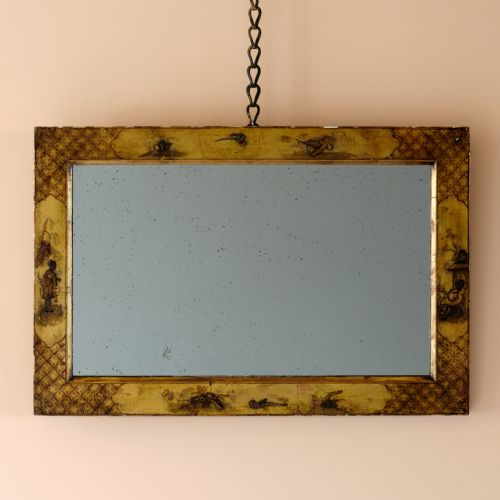
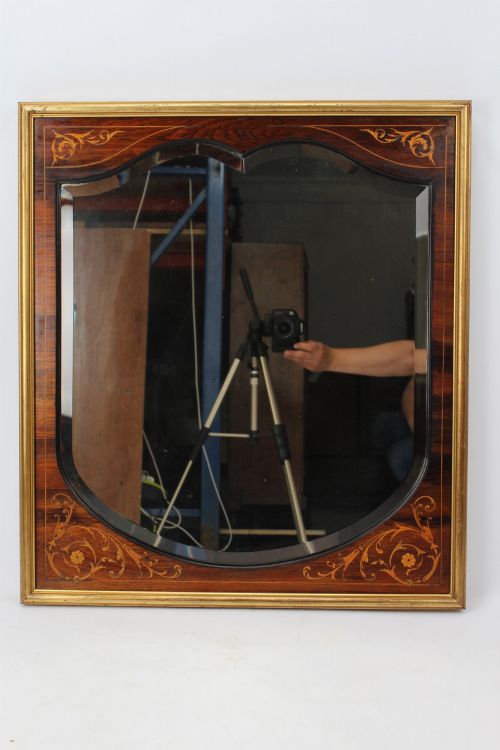
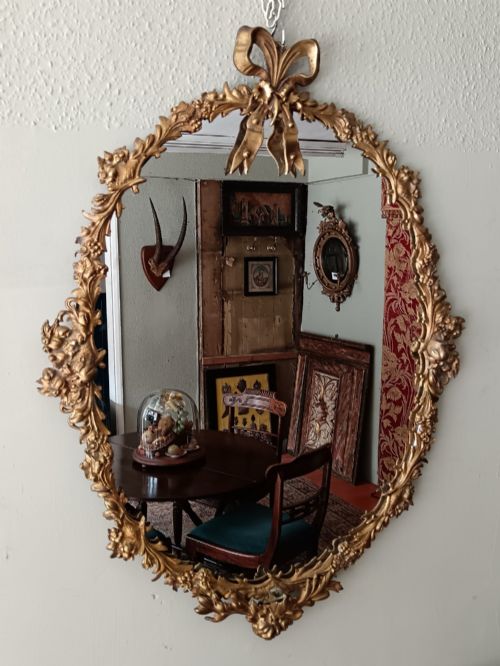
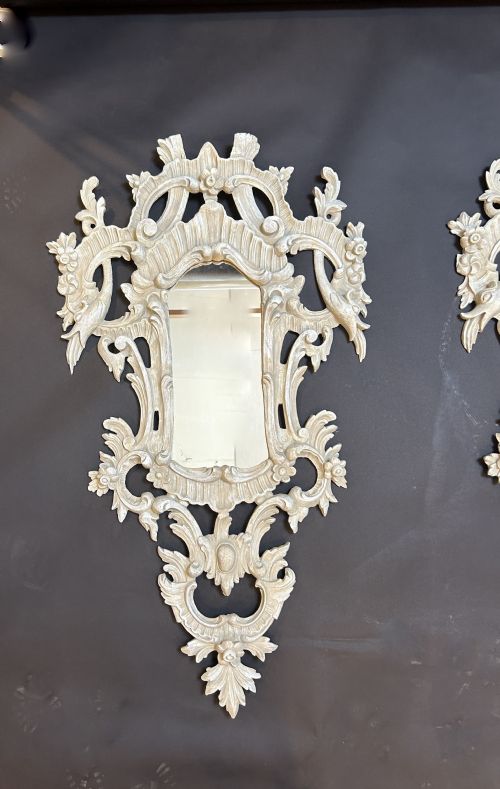
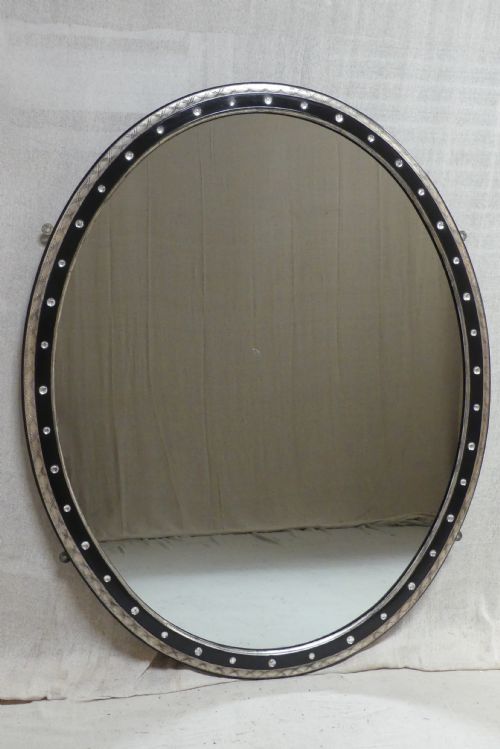
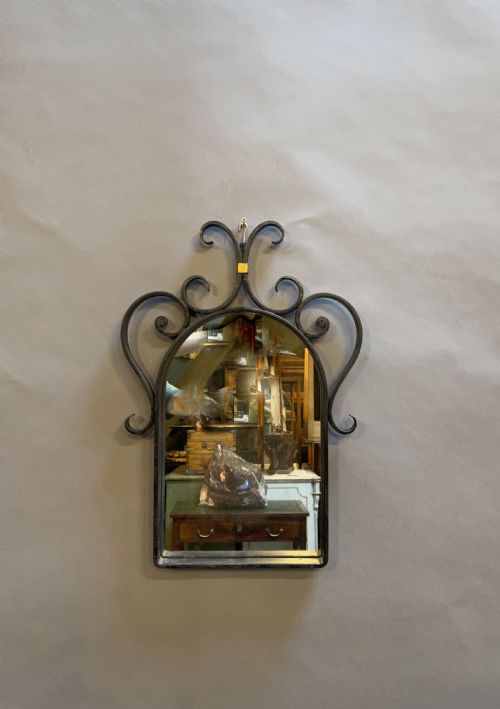
Decorative Wall Hanging Mirror
These decorative wall hanging mirror pieces bring reflection and period character into a room, offering craftsmanship from centuries past.
Decorative Wall Hanging Mirror
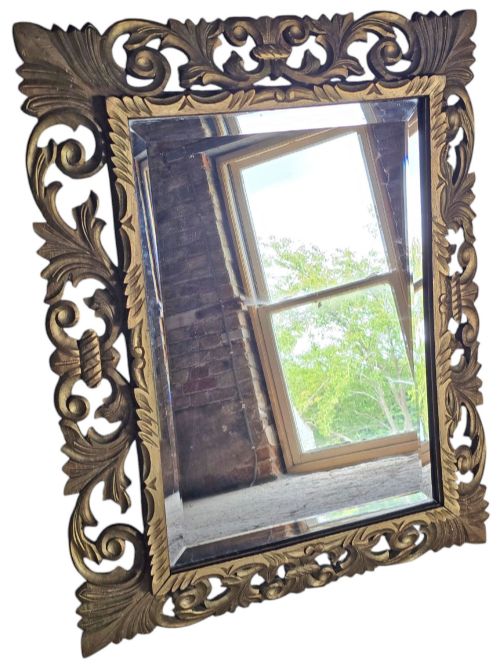
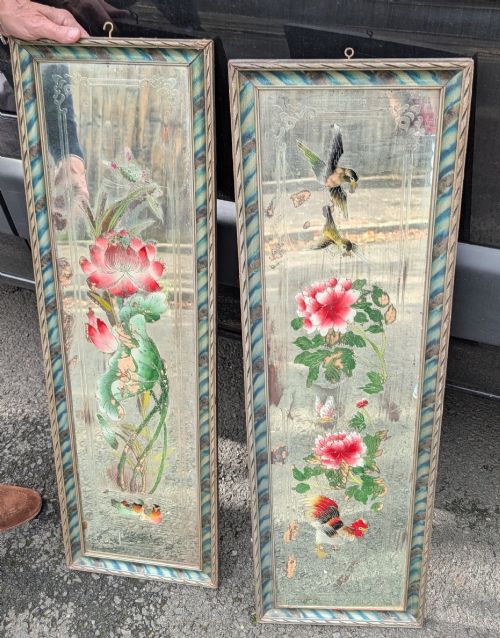
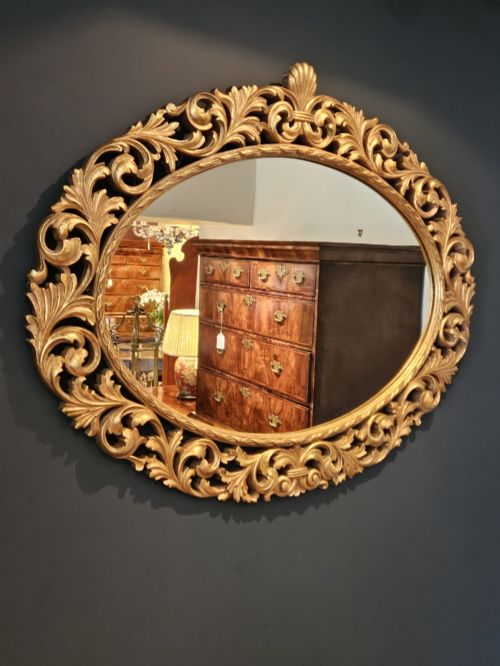
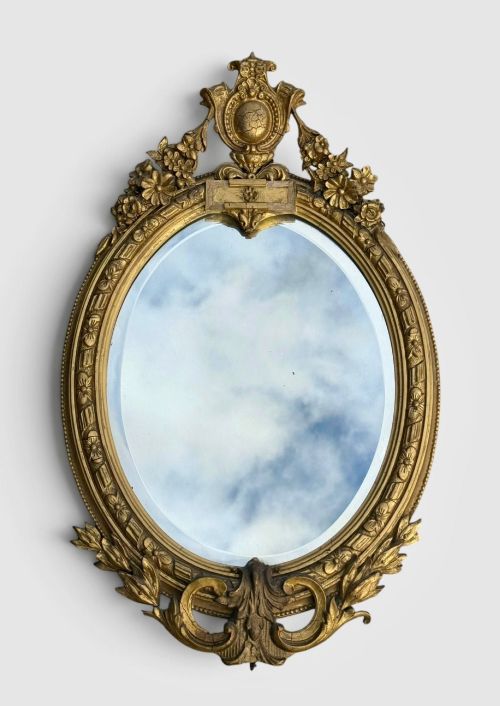
A decorative wall hanging mirror serves to bounce light around a room while providing a distinct ornamental focus on a wall. When you search for a decorative wall hanging mirror, you encounter pieces spanning from the eighteenth century through to the interwar decades of the twentieth century.
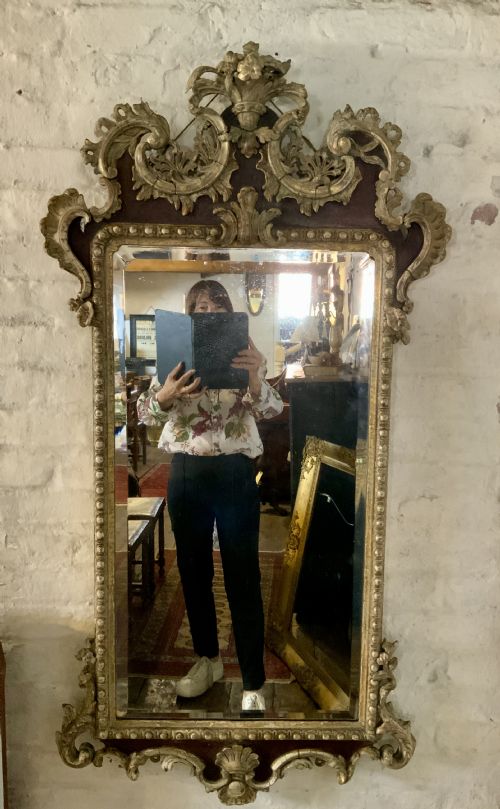
Victorian examples in carved gilt gesso and cast brass sit alongside earlier walnut frames and later 1930s alabaster or carved timber creations. Buyers most frequently meet nineteenth century and Victorian interpretations that showcase revivalist styles such as Rococo and Adam.
Materials and construction methods
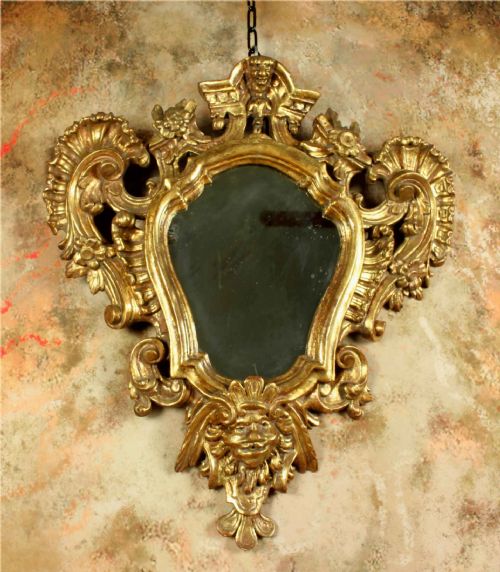
Carved timber provides the foundational structure for many frames, utilising woods such as walnut, oak, limewood, and rosewood. Craftsmen applied gesso over carved wood to build up intricate relief details before applying gold leaf or parcel gilt finishes.
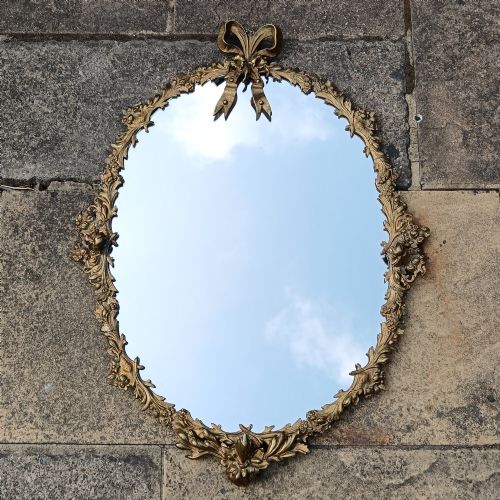
Cast brass frames frequently hide small winged cherubs peering out from the ornate crests above the glass.
Judging the quality of a piece
The depth and crispness of the carving separate ordinary mouldings from superior hand-carved limewood or giltwood frames. Finely cast brass components with sharp relief work indicate a higher grade of manufacture than softer, shallower metal castings.
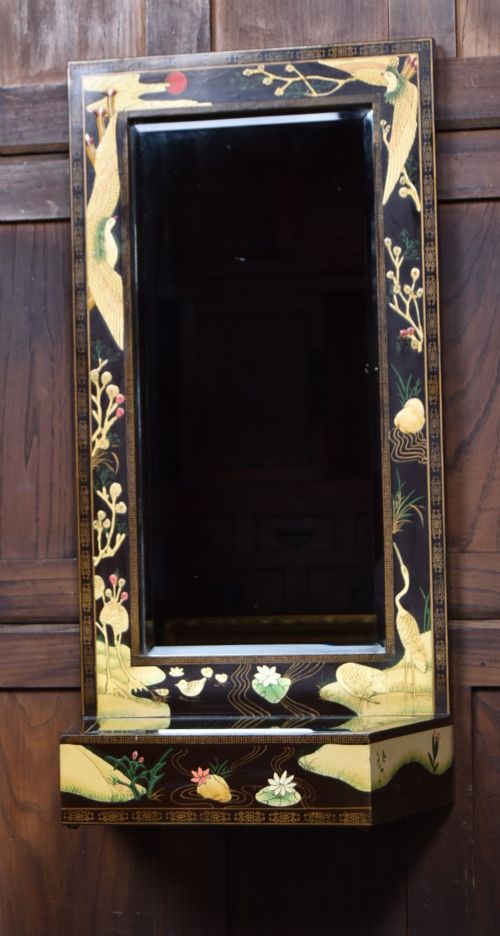
The integrity of the plate matters greatly, with original foxed glass or specialised engraved and etched Venetian plates commanding higher regard than plain replacement glass. The complexity of the style, from elaborate Chinoiserie pagodas to detailed Rococo scrolls, distinguishes master workshop output from simpler vernacular items.
The Decorative Wall Hanging Mirror Glossary
- Giltwood
- Wood that has been coated with gold leaf or a gold-coloured metallic finish. This material defines the opulent appearance of many period wall pieces.
- Gesso
- A plaster-like mixture applied to wood frames and carved or moulded into relief decoration before gilding. It allows for intricate surface ornamentation.
- Foxed mirror
- Glass that exhibits age-related spots, darkening, and oxidation. Collectors prize this characteristic for authentic period appearance.
- Chinoiserie
- A European artistic style reflecting Chinese aesthetic influences. It appears in mirror frames through pagoda motifs and oriental scenes.
- Parcel gilt
- A decorative technique where only specific portions of an object are gilded while the underlying wood or paint remains visible.
Decorative Wall Hanging Mirror: Frequently Asked Questions
How do I hang a heavy antique mirror?
Heavy period frames require secure fixings anchored directly into structural wall studs or masonry using appropriate weight-rated brackets.
Consult a professional installer to ensure the wall construction safely supports the substantial combined weight of timber, gesso, and glass.
Are antique mirror plates always original?
Many surviving frames have received replacement mirror plates over the centuries due to breakage or silver degradation.
Inspect the edges and backing of the glass to determine whether the plate dates from the same period as the frame.
How do I clean an old gilt frame?
Dust giltwood and gesso surfaces gently with a very soft, dry brush to prevent dislodging delicate raised ornamentation.
Avoid liquid cleaners, abrasive cloths, and moisture entirely, as water strips gold leaf and damages historic gesso layers.
What distinguishes Victorian mirrors from earlier pieces?
Victorian examples frequently utilise machine-sawn timber substrates, heavy cast brass, and distinct revivalist motifs like Gothic or robust Rococo.
Eighteenth-century counterparts often display subtler hand-cut joinery, thinner parcel gilding, and distinctively patinated walnut veneers.