



Victorian Inlaid Hanging Mirror
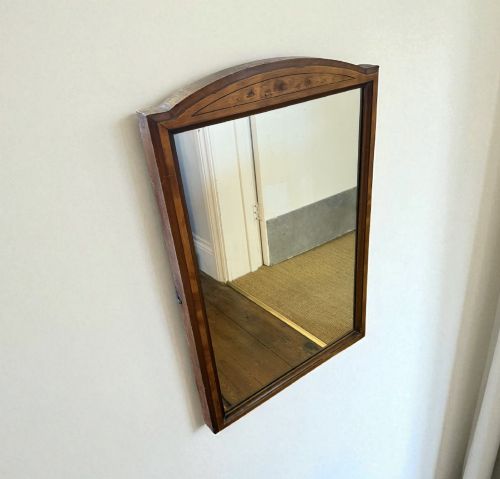
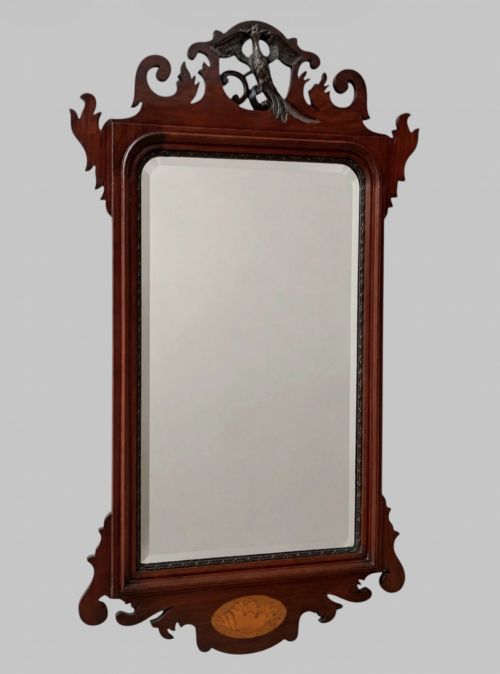
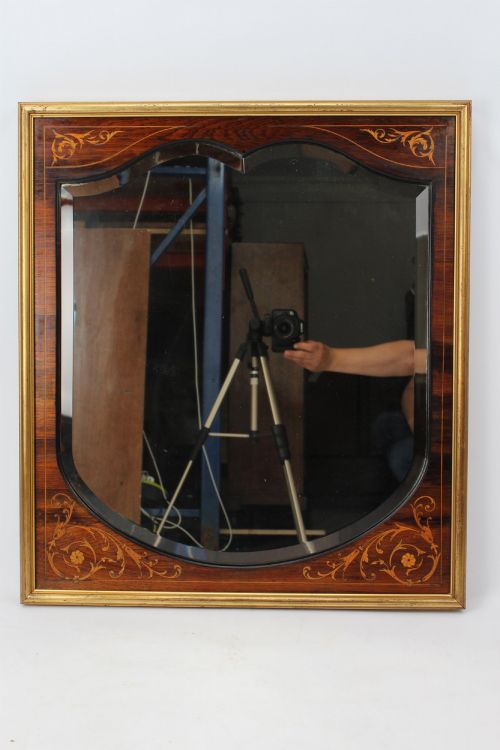
These victorian inlaid hanging mirror examples combine timber craftsmanship with reflective glass, offering practical utility and period character for any room.
Victorian Inlaid Hanging Mirror
When you search for a victorian inlaid hanging mirror, you encounter wall-mounted looking glasses spanning the nineteenth century and the turn of the twentieth century, alongside related pieces like wardrobes and shelves.
The selections on this page draw from Victorian, Edwardian, and Arts and Crafts eras, featuring timber frames embellished with boxwood inlay and gilt work.
Most items you meet here take the form of wall mirrors designed for halls, bedrooms, and parlours, often incorporating small shelves or fretwork details.
How they were made
Cabinet makers utilised dense hardwoods such as mahogany, rosewood, and pitch pine as the structural foundation for these hanging mirrors.
Craftsmen applied intricate boxwood inlay and giltwood highlights to the timber surfaces, creating contrast and decorative patterns across the frames.
Victorian Inlaid Hanging Mirror Retail Price Guide 2026
Typical asking prices for victorian inlaid hanging mirror among the pieces listed under this phrase on Sellingantiques today, from the lower quarter to the upper quarter. They describe what is for sale here now, not the wider market.
Some wall mirrors arrive with unexpected built-in shelves, perfect for leaving behind small keys or displaying miniature curiosities.
What varies in quality
The standard of timber selection and the precision of the boxwood inlay distinguish standard production from superior examples.
The complexity of the carved fretwork and the preservation of the original mercury glass plate indicate the level of craftsmanship invested in the piece.
The Victorian Inlaid Hanging Mirror Glossary
- Boxwood inlay
- A decorative technique where pale boxwood is inserted into recesses cut into darker timber surfaces. This method creates geometric or floral motifs that contrast sharply with woods like rosewood or mahogany.
- Giltwood
- Timber that has been coated with gold leaf or a gold-coloured metallic finish. It enhances decorative mouldings and frames on mirrors from revival periods.
- Mercury glass
- A type of double-walled glass blown in the nineteenth century, silvered with a mercury amalgam between the glass layers. It produces a soft, mottled reflection characteristic of older mirrors.
- Fretwork
- Openwork ornamentation cut from thin boards of wood using a fret saw or coping saw. It appears frequently on the crests and borders of Chippendale revival mirrors.
Victorian Inlaid Hanging Mirror: Frequently Asked Questions
Where should I hang a Victorian wall mirror?
These mirrors suit hallways, bedrooms, and living spaces where they reflect light and add architectural interest to plain walls.
Ensure the wall fixings match the weight of the timber frame, particularly for dense woods like rosewood and mahogany.
How do I identify a revival style?
Revival pieces borrow decorative motifs from earlier eras, such as the intricate fretwork associated with eighteenth-century Chippendale designs.
Examine the construction methods and wood species to distinguish nineteenth-century interpretations from original pieces.
What is boxwood inlay?
Boxwood inlay involves embedding pale wood segments into darker timber frames to form crisp decorative patterns.
This technique requires precise carpentry to ensure the contrasting woods sit flush within the surface.
Are these mirrors suitable for daily use?
Most of these pieces function well for everyday reflection, though older mercury glass plates may show minor age spots.
Handle the frames with care during cleaning to preserve the delicate inlay and gilt finishes.