




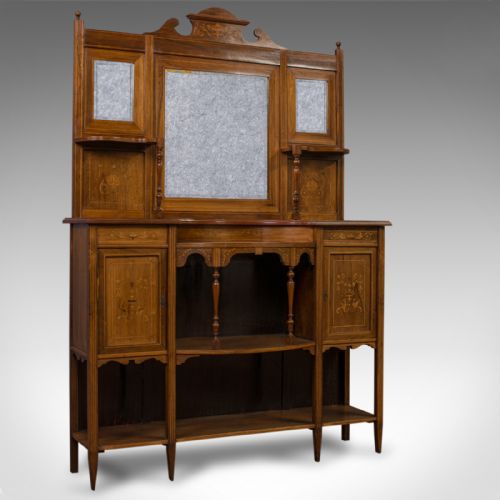

Inlaid Timber Mirror
An inlaid timber mirror brings warmth and intricate detail to a room, offering functional reflection alongside the rich texture of patterned wood.
Inlaid Timber Mirror
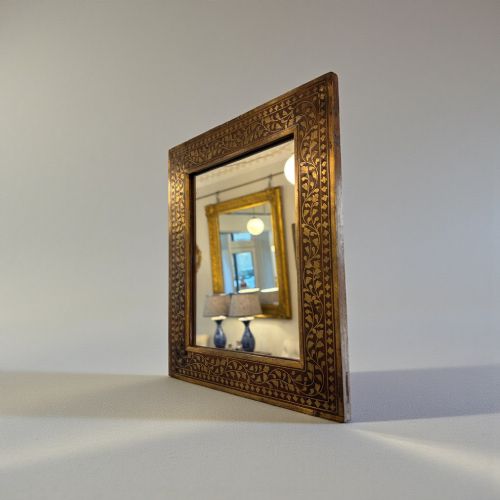
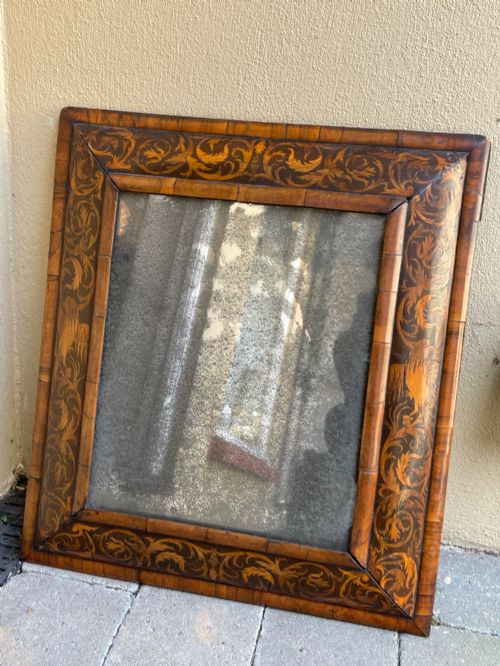
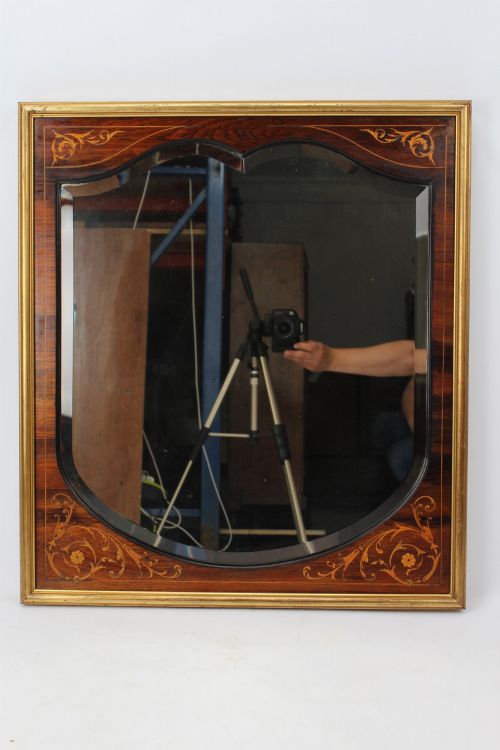
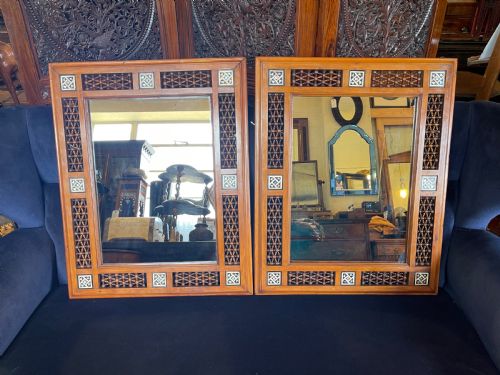
When you search for an inlaid timber mirror, you encounter pieces that combine structural wood with contrasting decorative inlays, spanning several historic periods. The selection includes wall mirrors, cheval mirrors, and cushion mirrors rooted in Victorian, Georgian, and William and Mary styles.
How they were made
Craftsmen utilised foundational timber frames of walnut, rosewood, or mahogany, applying fine veneers and contrasting timbers like boxwood and satinwood to create detailed geometric or floral surfaces. Marquetry techniques allowed artisans to cut and fit various wood veneers precisely into the primary background.
Additional decorative elements included gilt wood highlights, brass fittings, and hand-beveled mirror glass. These materials were carefully assembled by period cabinet makers to ensure both durability and visual depth.
A cushion mirror ensures your reflection is gently hugged by centuries of marquetry.
What varies in quality
The sophistication of the marquetry and the choice of primary and secondary timbers separate standard examples from finer works. Crispness in the cutting of the veneer inlay and the integration of gilt or brass elements determine the refinement of the piece.
Proportion and the preservation of original surfaces also dictate the standing of a mirror. Pieces that retain their original glass and unblemished wood veneers demonstrate superior craftsmanship.
The Inlaid Timber Mirror Glossary
- Marquetry
- Decorative veneer work forming pictures or patterns on a wooden ground. This technique uses different coloured woods to create intricate geometric or floral designs.
- Veneer
- A thin slice of superior wood applied to a coarser timber base. It provides a decorative surface while ensuring structural stability.
- Boxwood
- A dense, pale yellow wood frequently used for contrasting stringing and inlay details. Its fine grain allows for sharp, precise cutting.
- Satinwood
- A lustrous tropical timber with a golden sheen, popular in fine cabinetry. It reflects light effectively when polished.
- Cushion mirror
- A looking glass with a frame padded or curved in profile like a cushion. This style is particularly associated with seventeenth-century designs.
Inlaid Timber Mirror: Frequently Asked Questions
What periods do these mirrors come from?
The listings span several centuries, including William and Mary, Georgian, and Victorian eras. Each period brings distinct framing styles and inlay techniques.
Craftsmanship evolved from early marquetry cushion frames to later revival styles utilising satinwood and rosewood veneers.
How do I identify different wood types?
Walnut and mahogany offer deep brown tones, whereas rosewood displays darker grain patterns. Lighter woods like boxwood and satinwood provide sharp contrast for inlay work.
Examining the grain and colour under natural light helps distinguish between the primary structural timber and the decorative veneers.
Where should I hang a timber mirror?
These mirrors suit principal reception rooms, hallways, or bedrooms where their reflective glass and detailed woodwork can catch the light. They anchor a room by adding both vertical interest and natural texture.
Ensure the wall fixings can support the weight of denser hardwood frames, particularly larger Victorian or cheval examples.
Are these mirrors entirely solid wood?
Most examples use a stable foundational timber core overlaid with fine wood veneers. This construction method prevents warping while displaying decorative grains and marquetry patterns.
Solid secondary woods are often used for the reverse framing and structural supports.