
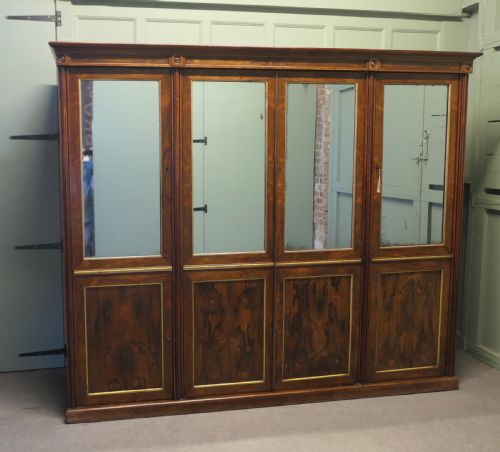
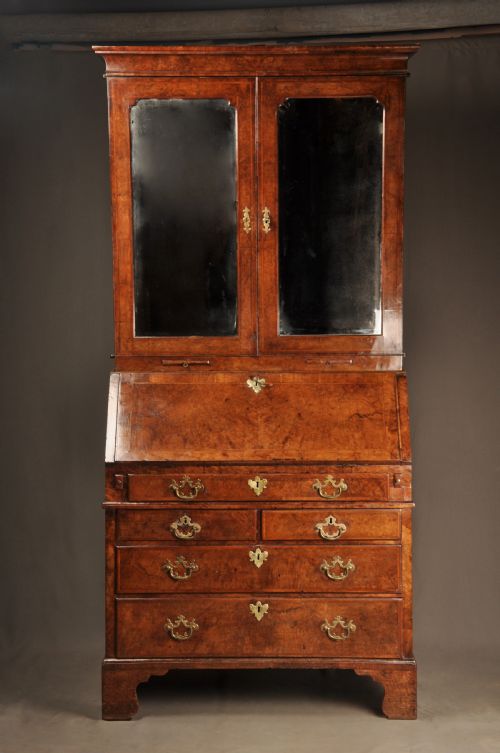
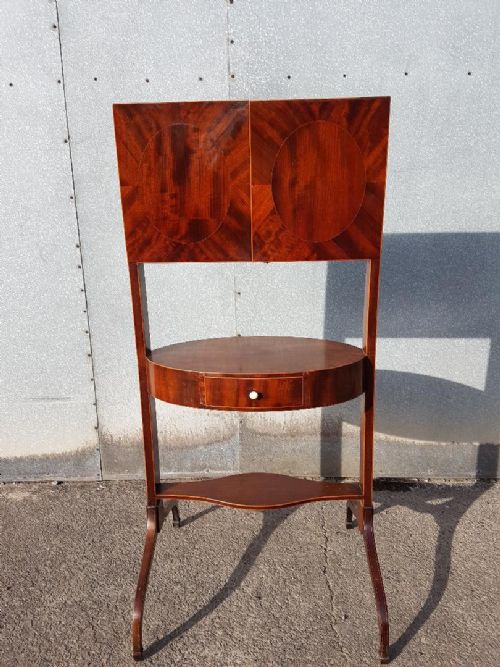


Georgian Furniture Mirror
When you want a georgian furniture mirror, you seek a piece that reflects centuries of cabinet-making skill.
Georgian Furniture Mirror
A georgian furniture mirror encompasses wall-hung glasses, dressing mirrors, and cheval mirrors from the eighteenth and nineteenth centuries. These items serve both practical and decorative roles within domestic interiors, combining functional glass with timber frames.
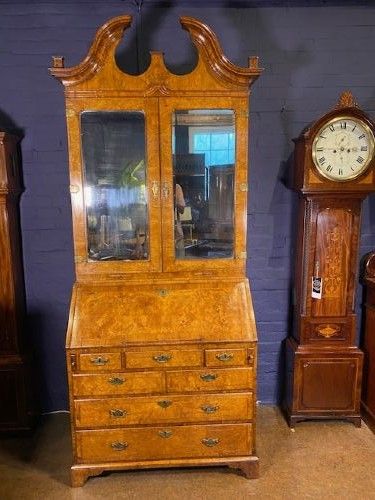
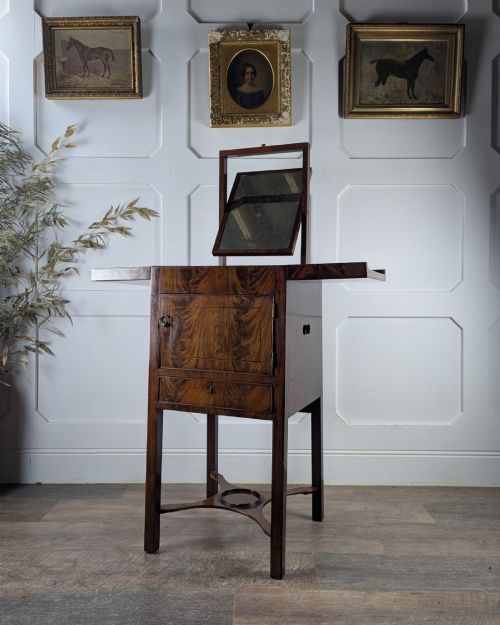
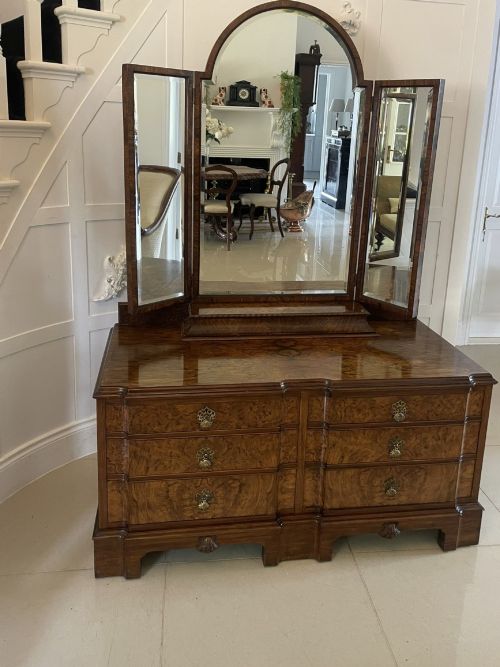
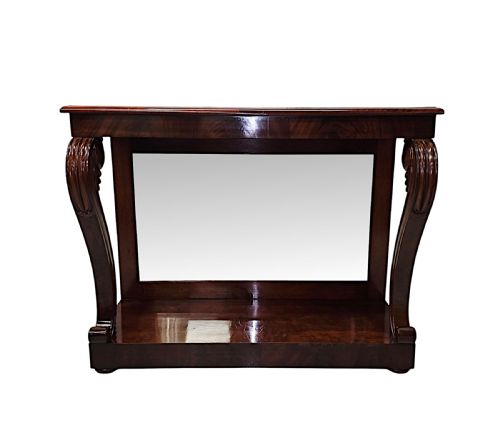
Most examples date from the Georgian and Regency periods, while later revival pieces also appear. Buyers encounter wall mirrors alongside dressing chests and console tables incorporating mirror glass.
How they were made
Cabinet-makers utilised solid timbers including mahogany, walnut, rosewood, and satinwood, frequently selecting figured veneers for visual depth. Brass fittings, giltwood frames, and japanned finishes appear alongside traditional joinery techniques.
Glass production involved silvering techniques specific to the period, mounted into rebated frames with backboards secured by original pins or screws. Carved fretwork, inlay, and marquetry added ornamental detail to the primary timber structures.
Listings feature items from the 17th Century, 18th Century, 19th Century, and Victorian periods, constructed in mahogany, walnut, rosewood, and satinwood.
What varies in quality
The refinement of the timber carving and the choice of figured veneers determine the distinction between standard and superior pieces. Crisp fretwork edges and well-preserved original gilding indicate higher craftsmanship.
The retention of original mirror glass, backboards, and brass hardware elevates a piece's integrity. Subtle variations in proportions and the precision of cabinet joinery separate provincial work from top-tier London or Dublin production.
The Georgian Furniture Mirror Glossary
- Cheval mirror
- A full-length plate glass mirror supported on a freestanding frame with vertical pivots. This design allows the glass to tilt.
- Gilt slip
- A narrow giltwood moulding fitted inside the main frame of a mirror. It separates the glass from the outer woodwork.
- Fretwork
- Thin wood panels cut with a fretsaw into intricate decorative patterns. It frequently decorates the borders of eighteenth-century mirrors.
- Japanned
- European imitation of East Asian lacquerwork using painted and varnished decoration. This technique creates a glossy finish on wooden surfaces.
- Campaign mirror
- A portable mirror designed for travel, often fitted within a folding wooden case or box. These pieces suit military or domestic transit.
Georgian Furniture Mirror: Frequently Asked Questions
How do I date a mirror?
Examine the timber species, construction methods, and the bevel or flatness of the glass plate. Older mirrors often show distortion in the glass and hand-cut screws in the backboards.
Secondary woods used in the frame provide further clues. Comparing the decorative style against documented periods helps narrow down the decade of manufacture.
Where were these mirrors placed?
Wall mirrors hung above mantelpieces or console tables to reflect candlelight and illuminate rooms. Dressing mirrors sat atop chests of drawers, dressing tables, and washstands in bedrooms.
Cheval mirrors stood independently in dressing rooms for full-length viewing. Smaller campaign mirrors travelled with owners for personal grooming on journeys.
Are original mirror plates common?
Original glass plates survive on many pieces, displaying minor foxing, oxidation, or slight surface waviness. These characteristics confirm the age and authenticity of the mirror.
Replacement glass occurs frequently due to breakage over centuries. Inspecting the silvering and the fit within the rebate reveals whether the glass is modern or period.
How should I clean the frame?
Dust wooden frames gently with a dry, soft cloth to prevent moisture damage. Avoid modern chemical polishes that can degrade historic wax or varnish finishes.
Giltwood and japanned surfaces require particular care to avoid lifting the delicate top layer. Professional consultation is advisable for any conservation work.