

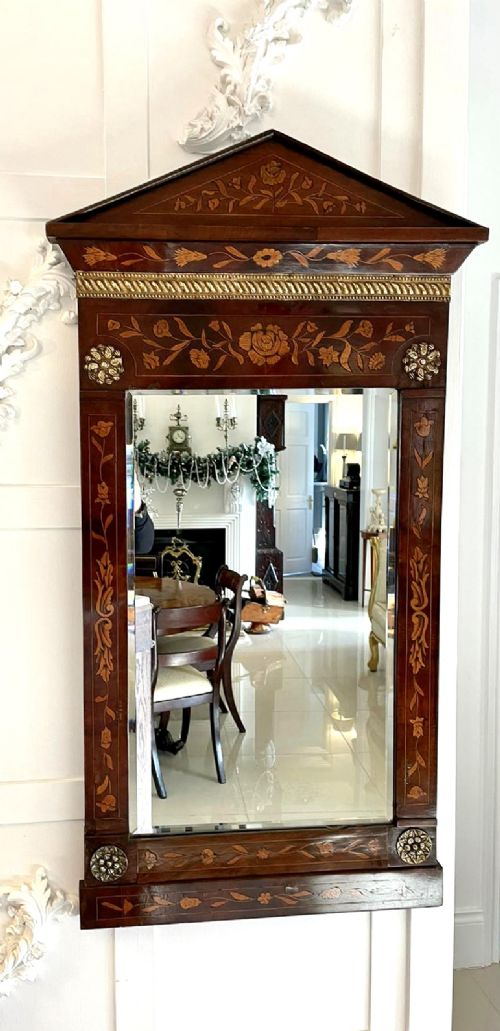
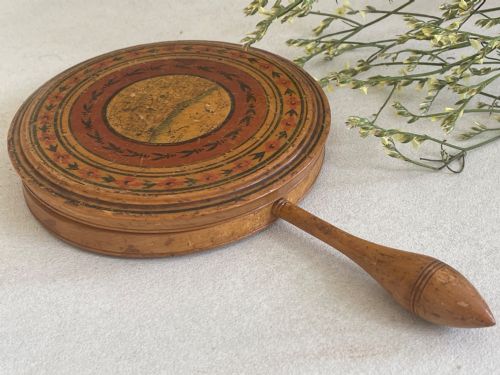


Georgian Marquetry Mirror
These georgian marquetry mirror pieces bring layered wooden imagery into a room, offering the polished reflection and detailed inlay that collectors seek.
Georgian Marquetry Mirror
When you search for georgian marquetry mirror, you enter a field defined by decorative woodwork and reflective glass from several centuries. The pieces on this page span the Georgian period, the Victorian era, Edwardian times, and later revivals, crossing the eighteenth and nineteenth centuries with occasional twentieth-century examples.
You will most commonly encounter dressing table mirrors, toilet mirrors, and wall mirrors in this search. These forms range from compact tabletop pieces with drawers to large scale wall hanging examples and cheval mirrors designed for full-length viewing.
The stylistic lineage stretches from strict Georgian and George III designs to Dutch marquetry, Dutch Neo-Classical, and Sheraton Revival interpretations. Materials vary from mahogany and walnut to satinwood and harewood, frequently enriched with detailed wood inlay.
How they were made
Cabinet makers constructed the foundational carcases of these mirrors using dense hardwoods like mahogany, walnut, and satinwood. These woods provided a stable base capable of supporting both bevelled or flat mirror glass and intricate surface decoration.
Marquetry and inlay techniques transformed plain timber surfaces into pictorial or geometric displays. Craftsmen meticulously cut contrasting veneers such as lighter satinwood or harewood and fitted them into recesses within the darker primary wood.
Hardware played a practical and decorative role, with brass fixtures used for hinges, pivots, and candle arms on dressing mirrors. Supporting structures often featured clever joinery to allow adjustable angles for the glass or to conceal secret compartments.
Georgian Marquetry Mirror Retail Price Guide 2026
Typical asking prices for georgian marquetry mirror among the pieces listed under this phrase on Sellingantiques today, from the lower quarter to the upper quarter. They describe what is for sale here now, not the wider market.
Materials represented across these mirrors include brass, walnut, mahogany, satinwood, and harewood, paired with traditional mirror glass.
What varies in quality
The precision of the marquetry cutting and the subtlety of the wood choices define the visual success of the piece. Top tier examples display crisp junctions between contrasting veneers and harmonious natural timber tones without heavy reliance on painted touch-ups.
Proportion and architectural balance separate standard workshop output from exceptional furniture. The relationship between the frame moulding, the reflective glass size, and the base drawers governs how resolved the mirror appears to the eye.
The preservation of original surfaces and secondary timbers carries significant weight. Retaining early mirror glass, original brass mounts, and undisturbed backboards maintains the historical integrity of the piece.
The Georgian Marquetry Mirror Glossary
- Marquetry
- A decorative technique where pieces of veneer are fitted together to form pictorial or geometric patterns on a wooden surface. This method differs from simple inlay by covering the entire background rather than setting designs into pre-cut channels.
- Satinwood
- A durable, hard timber with a natural golden sheen that became popular for fine furniture and inlay work during the eighteenth century. Its pale, reflective grain contrasts sharply with darker woods like mahogany or walnut.
- Cheval mirror
- A full-length freestanding mirror suspended on a vertical frame with four legs, allowing the glass to tilt. The term derives from the French word for horse, referencing the four supporting legs.
- Toilet mirror
- A small mirror designed to sit on a dressing table or chest of drawers, frequently equipped with small drawers in the base. These pieces were essential items for personal grooming in the Georgian and Victorian periods.
- Overmantel mirror
- A large mirror specifically proportioned to hang above a fireplace mantelpiece. They often feature horizontal orientations and elaborate frames to complement the architecture of the room.
Georgian Marquetry Mirror: Frequently Asked Questions
What is a georgian marquetry mirror?
A georgian marquetry mirror is a decorative looking glass featuring patterned wood veneer inlay, typically produced during the eighteenth century or later revival periods.
These pieces combine functional glass with detailed floral, geometric, or figurative woodwork, serving as both practical objects and decorative wall art.
How were dressing table mirrors used?
Dressing table mirrors sat upon larger chests or dedicated tables to assist with daily grooming and hair styling. Users adjusted the angle of the glass using side pivots while utilising the small drawers beneath for cosmetics and personal items.
Many examples included compartmentalised bases or hidden spaces to secure valuables.
How do I date a marquetry mirror?
Dating relies on examining the secondary timbers, construction methods, and stylistic cues present in the frame and base. Georgian pieces often display hand-cut dovetails and older pine or oak linings, whereas later Edwardian revivals utilise machine-cut elements.
The specific style of the marquetry and the species of veneer also point toward particular manufacturing decades.
Are these mirrors suitable for daily use?
These mirrors remain entirely functional for everyday placement in bedrooms, hallways, or living spaces. Their sturdy hardwood construction allows them to endure normal domestic environments when handled with reasonable care.
Placement should avoid direct sunlight and extreme humidity changes to protect the historic wood veneers and silvered glass.