
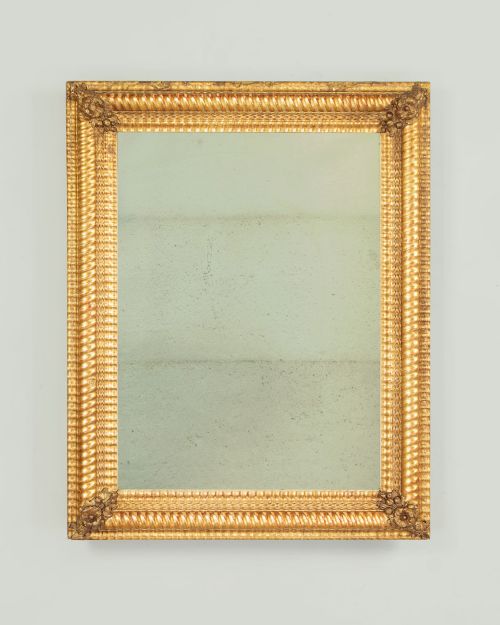
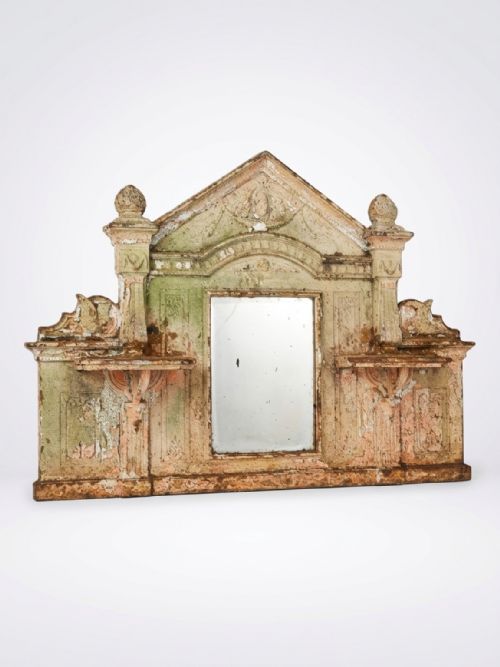
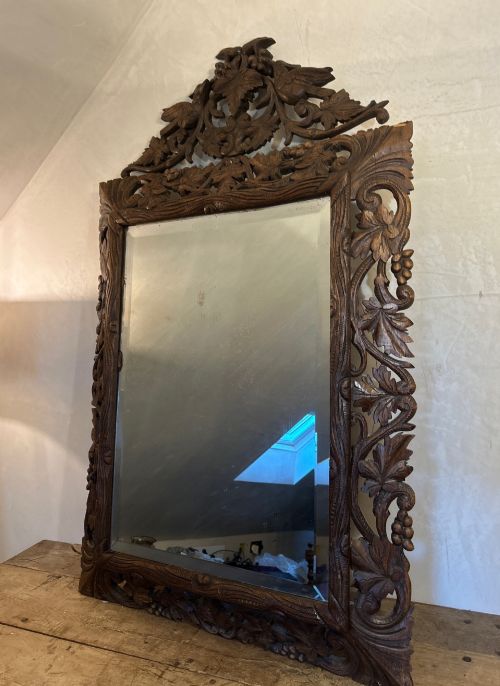
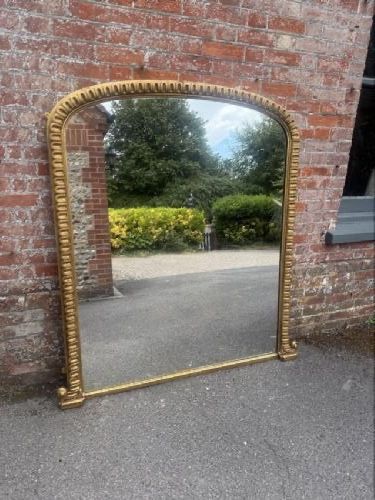
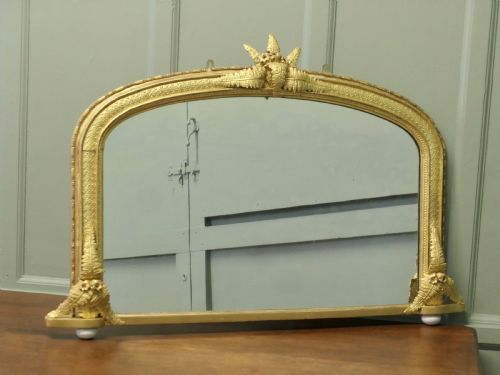
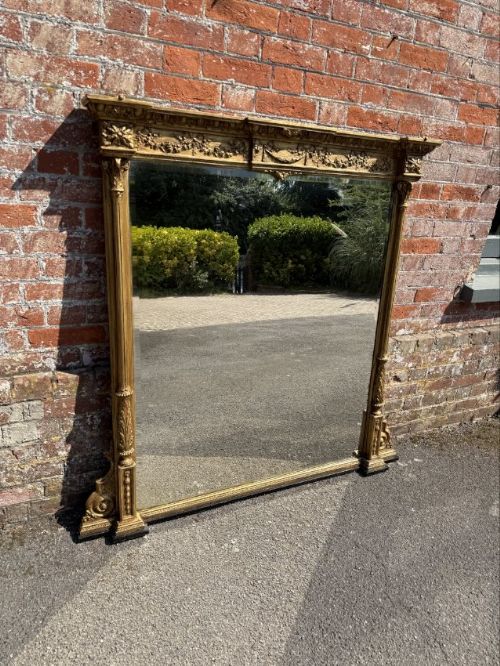
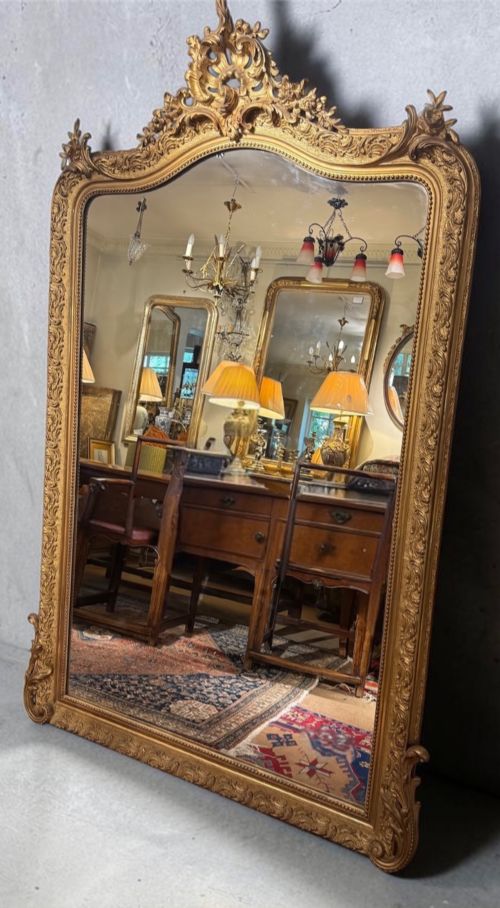
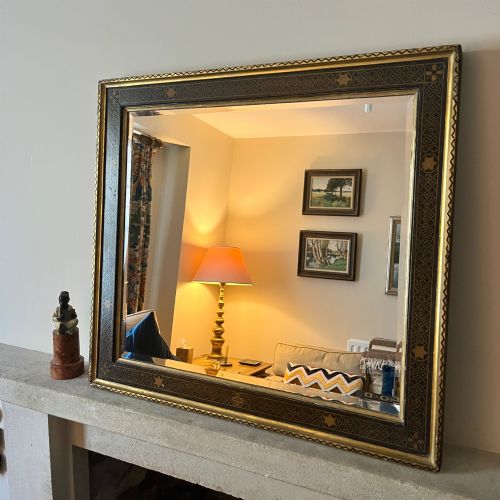

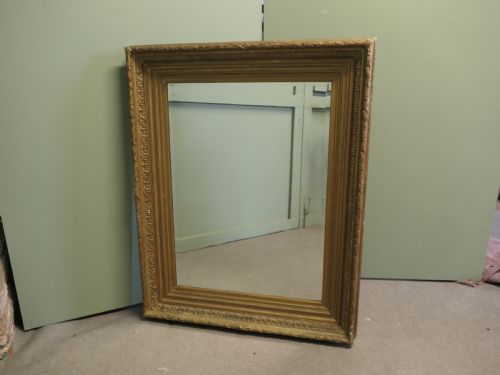
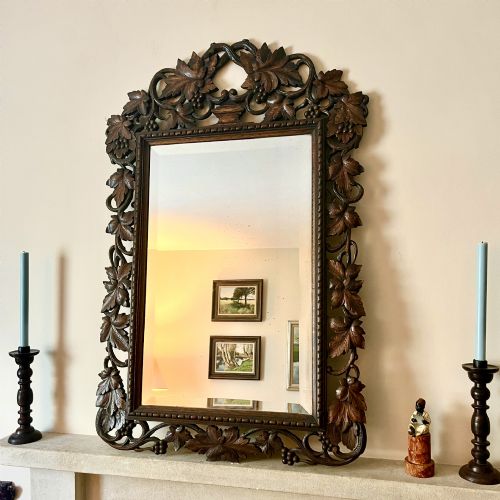
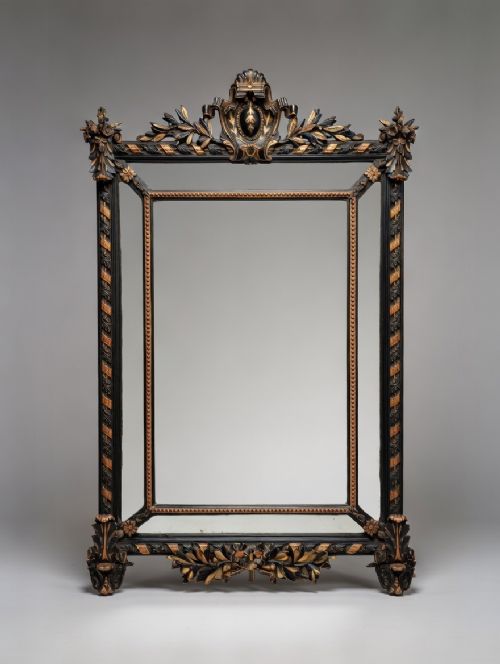
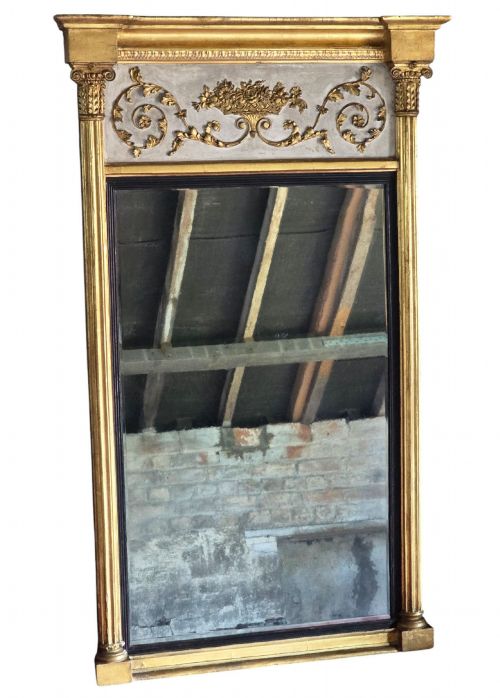
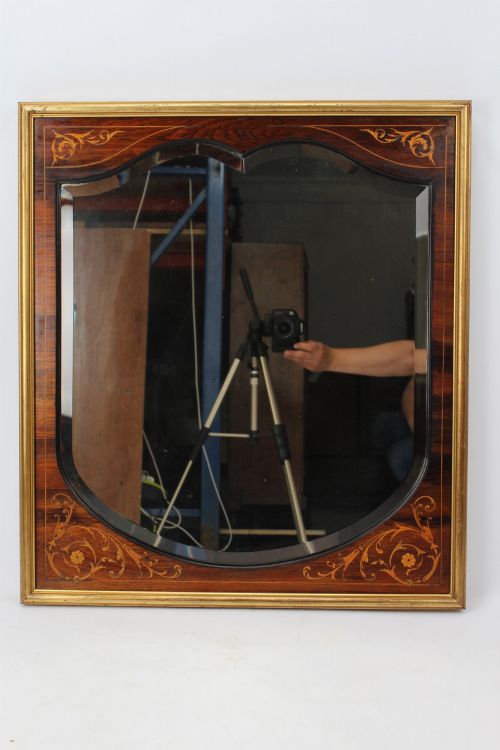
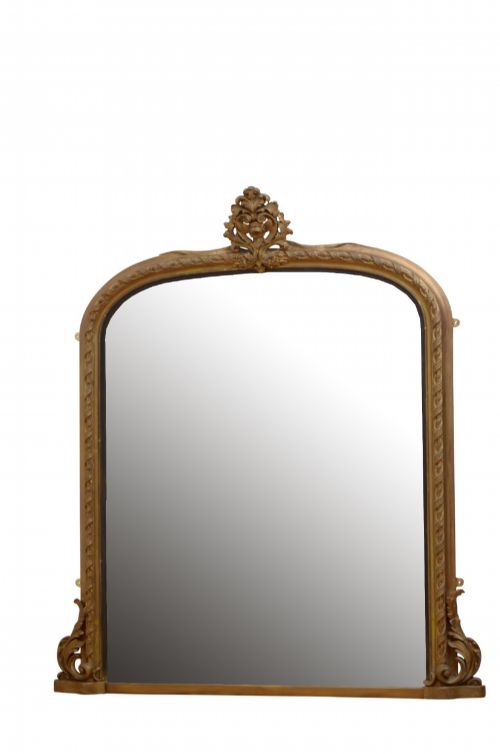
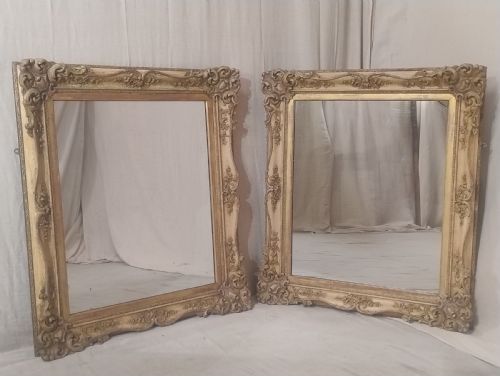
Decorative Victorian Overmantel Mirror
These large framed glasses bring nineteenth-century reception rooms to life, offering a decorative victorian overmantel mirror to anchor a chimney breast.
Decorative Victorian Overmantel Mirror
A decorative victorian overmantel mirror is a substantial wall glass designed to sit directly above a fireplace mantelpiece. These pieces span the nineteenth century, including specific decades from 1860 to 1900, alongside nineteenth-century French and English traditions.
Buyers will encounter arched tops, shaped pediments, and rectangular formats designed to dominate a room's primary hearth. The selection incorporates styles such as Rococo Revival, Baroque Revival, and Neoclassical alongside simpler oak and ebonised frames.
Most examples function as large focal points within domestic interiors, reflecting light downward into the room. Originating from English and French workshops, these glasses range from heavy architectural column frames to lighter parcel-gilt and painted designs.
Materials and Construction
Makers constructed the structural frames from carved wood, oak, or pine, applying plaster and gesso layers to build up intricate relief ornament. Craftsmen then gilded these surfaces using gold leaf, or finished them with paint, ebonisation, and parcel-gilt highlights.
Mirror glass was set into these heavy frames, occasionally accompanied by etched designs or central cartouche details. Joinery techniques accommodated the immense weight of large glass plates, utilising substantial wooden backing boards and reinforced corner joints.
Several mirrors include rope twists carved into the gesso, offering a nautical touch to formal nineteenth-century drawing rooms.
Distinctions in Quality
The depth and crispness of the carved gesso and wood ornamentation distinguish standard output from exceptional examples. Relief work executed by skilled hands retains sharp definition in scrolls, rope twists, and architectural columns rather than appearing soft or heavy-handed.
The choice of finish and the preservation of original gilding or ebonisation dictate the visual impact of the piece. Superior examples integrate complex framing elements like pediments, cartouches, and contrasting white-painted panels with balanced proportions.
The Decorative Victorian Overmantel Mirror Glossary
- Overmantel mirror
- A large wall glass specifically proportioned to hang on the chimney breast directly above a fireplace surround.
- Gesso
- A plaster-like mixture applied to wooden frames and carved into decorative relief before gilding.
- Giltwood
- Timber that has been coated with gold leaf or metallic powder to resemble solid gold.
- Parcel-gilt
- A decorative treatment where only specific raised portions of a painted or ebonised frame are gilded.
- Cartouche
- An ornamental tablet or oval frame design, often placed centrally on the pediment of a mirror.
Decorative Victorian Overmantel Mirror: Frequently Asked Questions
Where should an overmantel mirror be hung?
These mirrors are traditionally positioned centrally on the wall directly above a fireplace mantelpiece. Their original purpose was to reflect light from the hearth and brighten the interior.
While designed for fireplaces, they also suit placement above large sideboards or low console tables in high-ceilinged reception rooms. Secure wall fixings are essential due to the heavy timber and glass construction.
How do I identify a Victorian mirror?
Victorian pieces often display characteristic revival styles such as Rococo, Baroque, or Neoclassical influences. Framing materials typically include heavy carved wood, gesso, ebonised timber, and applied gold leaf.
Construction methods involve thick wooden backing boards and heavy glass plates typical of nineteenth-century manufacturing techniques. Dating can sometimes be narrowed down through specific stylistic markers associated with the 1860s to 1890s.
Are these mirrors suitable for modern homes?
These large statement pieces work effectively in contemporary interiors by adding scale, architectural depth, and reflected light. Their substantial presence anchors large wall spaces in rooms with high ceilings.
Placement requires careful consideration of wall strength and proportion relative to existing furniture and ceiling height. They function well as standalone focal points in living rooms, hallways, and dining spaces.