






Victorian Etched Glass Mirror
These Victorian etched glass mirror pieces bring nineteenth-century decorative craft and reflective depth directly into your interior scheme.
Victorian Etched Glass Mirror
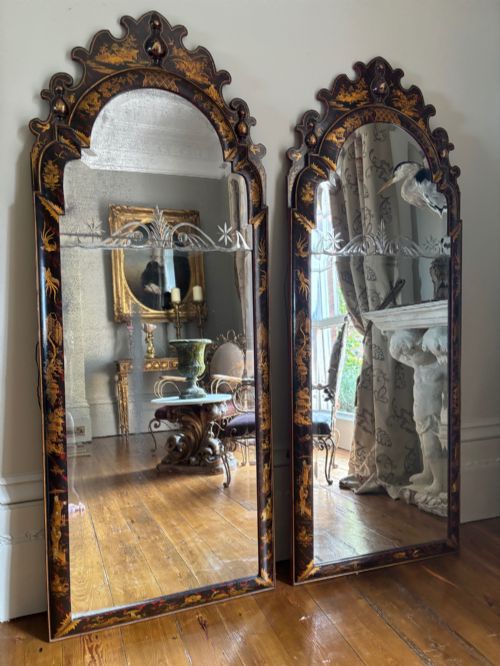
A victorian etched glass mirror combines nineteenth-century reflective surfaces with ornamental surface decoration, appearing across wall mirrors, overmantels, and table plateaux. These pieces originate from English and Italian workshops, capturing domestic and commercial settings alike.
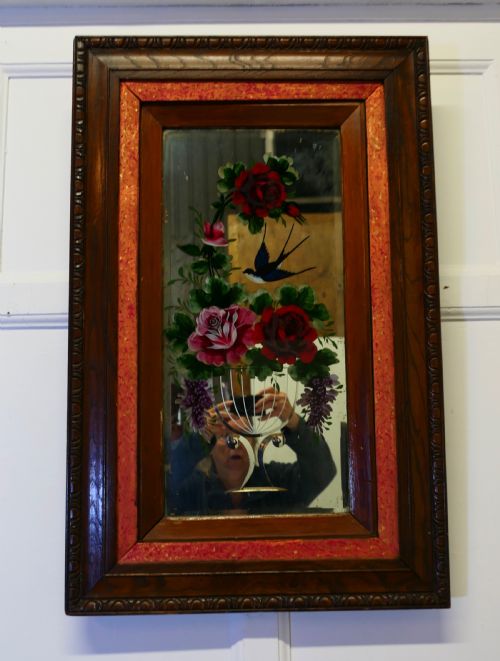
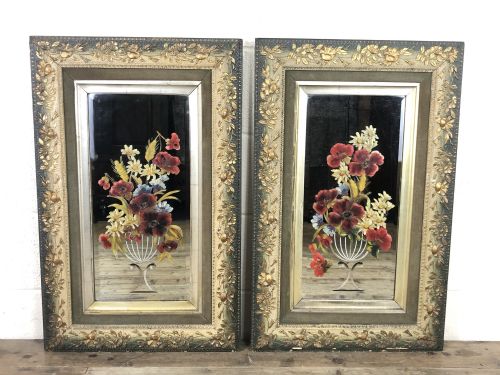
Period variations span the nineteenth century into the Edwardian era, incorporating Queen Anne revival influences and Venetian origins. Buyers encounter both single wall pieces and matched pairs decorated with roses, cherubs, and chinoiserie motifs.
Materials and construction techniques
Makers utilised mirror glass, silvered glass, and clear glass combined with wooden supports such as oak and ebonised wood. Frames frequently feature gilt and giltwood finishes alongside painted elements.
Surface ornamentation relies on acid etching, cutting, engraving, and reverse painting techniques. Artisans applied these methods directly to the glass plates and surrounding frames to achieve intricate floral and figurative details.
Cherubs peer perpetually from carved wooden brackets, watching over nineteenth-century parlours with fixed, unchanging expressions.
Distinctions in craftsmanship and material grade
Quality rests in the precision of the glass cutting and the depth of the acid etching. Finer pieces display crisp, detailed engraving on the glass surface rather than shallow or blurred marks.
The integrity of the frame materials also dictates overall standard, with solid ebonised wood, giltwood, and substantial wooden structures separating superior examples from simpler painted alternatives.
The Victorian Etched Glass Mirror Glossary
- Acid etched
- A technique where acid is applied to glass surfaces to eat away specific areas, creating frosted or textured designs. This method allows for fine detail on nineteenth-century mirror plates.
- Overmantel mirror
- A large wall mirror specifically designed to hang above a fireplace mantel. These pieces often feature architectural arched tops and substantial frames.
- Table plateau
- A mirrored tray or plateau placed in the centre of a dining table to hold decorative objects or candelabras. The reflected light enhances the display.
- Ebonised wood
- Timber treated with a finish to imitate expensive ebony wood. It provides a stark, dark contrast against bright glass and gilt decoration.
- Venetian mirror
- A style originating from Italy featuring glass frames decorated with cut, etched, and layered glass elements. They often incorporate coloured glass borders.
Victorian Etched Glass Mirror: Frequently Asked Questions
Where were pub mirrors used?
Pub mirrors functioned primarily as advertising displays and interior decoration within nineteenth-century drinking establishments. Breweries commissioned them to promote products and brighten dark saloon interiors.
These pieces hung behind bars or along walls, utilising acid-etched lettering and designs to withstand commercial environments while catching ambient gas or electric light.
How do I hang a heavy overmantel mirror?
Hanging a large overmantel mirror requires securing the weight directly into wall studs or masonry using heavy-duty brackets. The substantial wooden frames and thick glass plates demand robust hardware.
Professional installation ensures the piece remains stable and safe, distributing the substantial downward and outward forces evenly across the wall structure.
What is a gypsy mirror?
A gypsy mirror typically refers to a decorative nineteenth-century or early twentieth-century wall mirror featuring a painted wooden frame and bohemian ornamentation. These items gained popularity for their vibrant, eclectic aesthetic.
They often incorporate smaller dimensions and folk art painting styles, differing significantly from formal gilt overmantels or commercial pub mirrors.
How do I clean antique silvered glass?
Antique silvered glass requires gentle cleaning with a soft, dry microfibre cloth to remove dust without disturbing the aged backing. Avoid commercial glass cleaners containing harsh ammonia.
Moisture can seep behind the glass plates and accelerate foxing or degradation of the original silvering, so any damp cloth must be used sparingly and dried immediately.
What is reverse glass painting?
Reverse glass painting involves applying pigments directly onto the back of a glass pane in a specific sequence so the image is viewed through the front. This protects the colours from dust and physical damage.
Victorian artisans utilised this technique to create glossy, vibrant decorations such as floral motifs and portraits on mirrors and decorative panels.