





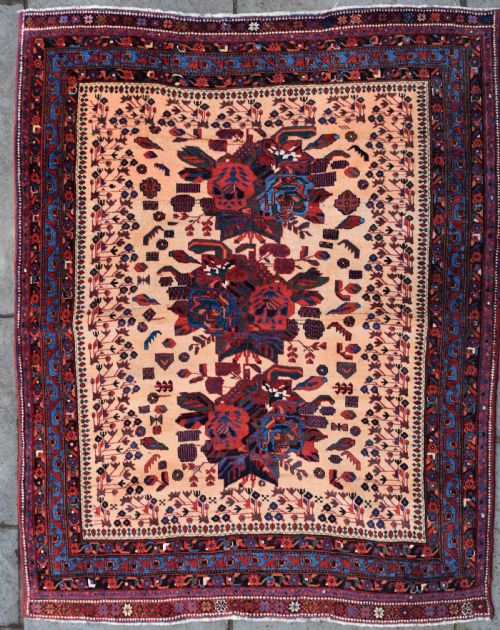
Decorative Tribal Carpet
A decorative tribal carpet brings the bold patterns and rich history of nomadic weavers directly into your home.
Decorative Tribal Carpet
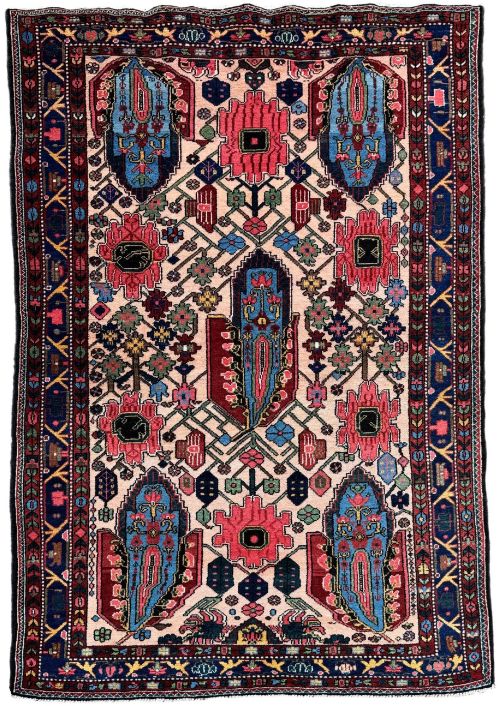
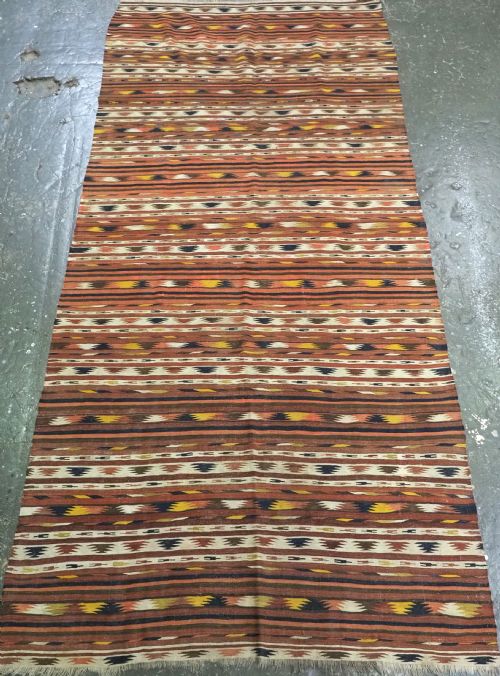
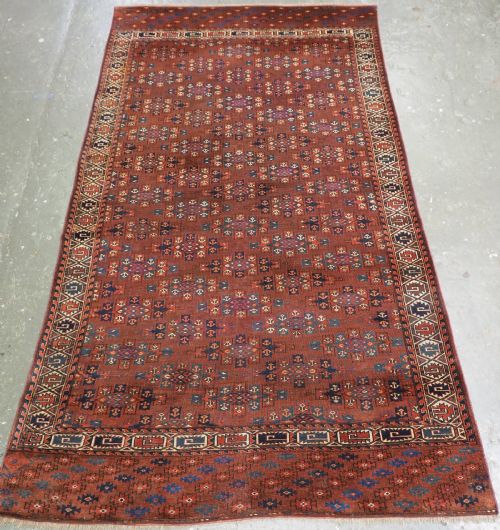
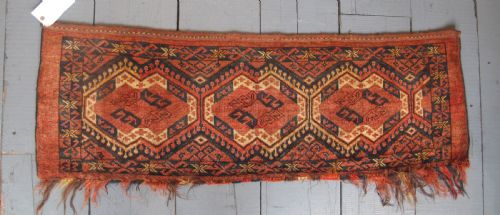
A decorative tribal carpet encompasses hand-woven rugs, storage bagfaces, tent bands, and wall hangings produced by nomadic and village communities. When exploring this selection, buyers frequently encounter regional styles such as Turkmen, Persian, and Anatolian pieces dating from the nineteenth century into the early twentieth century. These textiles include large carpets alongside smaller formats like torbas, chuvals, and salt bags.
The regional variety reflects distinct tribal identities, spanning Bakhtiar, Yomut, Tekke, Luri, Afshar, and Baluch traditions. Pieces range from intimate fragments and bag faces to room-sized carpets and large kilims. Each object carries specific motifs tied to the heritage of the makers, whether woven as utilitarian items for nomadic life or decorative furnishings.
Distinguishing quality in tribal weaving
Quality in a decorative tribal carpet rests upon the precision of the weave and the clarity of the design structure. Finer knotting and tightly packed foundations elevate pieces like Turkmen torbas and Bakhtiar rugs, displaying intricate motifs such as curled leaf and kepse gul patterns with sharp definition.
The choice and execution of natural dyes also determine the visual depth of a textile, separating standard village items from exceptional tribal works. Condition plays a role, with intact structural elements, complete borders, and well-preserved bag backs commanding attention. The balance between artistic expression and technical execution defines the upper tier of these textiles.
Nomads wove tiny imperfections into their carpets on purpose, believing that only divine creation could ever achieve true perfection.
The Decorative Tribal Carpet Glossary
- Torba
- A small Turkmen storage bag traditionally used inside a tent for household goods. These pieces frequently feature detailed gull designs and fine knotting.
- Chuval
- A large Turkmen storage bag employed by nomadic families for bedding and clothing. They often display repeated gul motifs and retain original backing materials.
- Kilim
- A flatwoven textile produced without a piled surface, utilised for floor coverings and decorative wall hangings. These items rely on slit-weave techniques to form geometric patterns.
- Bag face
- The decorative front portion of a nomadic storage bag, preserved and collected as an independent textile. They showcase concentrated design work on a smaller scale.
- Kelleh
- A long, rectangular format carpet traditionally suited to specific room dimensions. These large tribal rugs feature expansive field designs and extended borders.
Decorative Tribal Carpet: Frequently Asked Questions
What is a tribal carpet?
A tribal carpet is a textile woven by nomadic or village communities using traditional motifs, hand-spun wool, and natural dyes. These pieces reflect the specific cultural heritage and regional practices of makers across Central Asia, Persia, and Anatolia.
Unlike urban factory-made carpets, tribal pieces incorporate asymmetrical designs and local symbols passed down through generations. They serve both functional purposes in camp life and decorative roles in modern interiors.
How do I date an antique tribal rug?
Dating relies on examining the materials, dye types, structure, and design characteristics present in the weave. Nineteenth-century pieces often display specific structural nuances and softer, naturally derived colour palettes that shifted with the introduction of synthetic dyes.
Comparing structural details against documented regional examples helps narrow the period of origin. Expert analysis of the wool quality, knotting density, and edge finishes provides further chronological context.
How were tribal rugs used originally?
Nomadic communities utilised these woven textiles for daily survival, shelter construction, and interior organisation within tents. Items functioned as floor coverings, blankets, horse covers, and secure storage containers for salt, bedding, and personal belongings.
Specialised pieces like tent bands secured the wooden framework of portable dwellings against harsh winds. Storage bags protected household goods from damp ground and dust during seasonal migrations.
Where should I place a tribal carpet?
Tribal carpets and smaller bag faces suit low-traffic areas where their texture and historical patterns remain protected from excessive wear. Smaller formats like salt bags and torbas work well mounted as wall hangings or displayed on furniture.
Placing them in studies, hallways, or living rooms introduces rich colour and historic character to a space. Pairing them with neutral backgrounds allows the intricate geometric and floral motifs to stand out.