


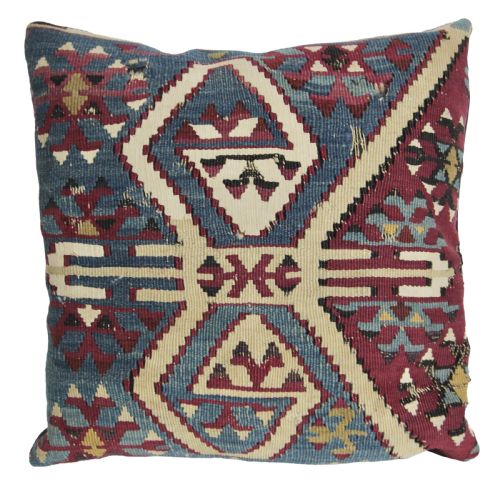
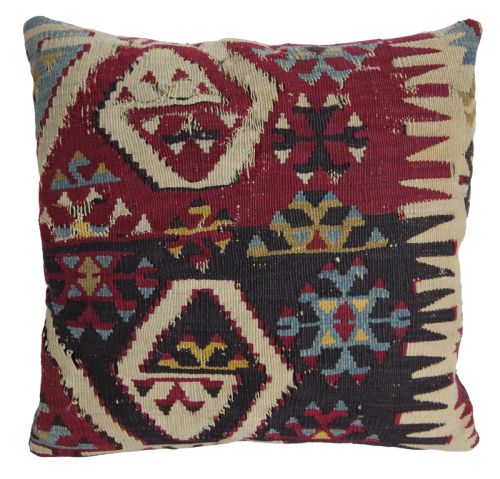


Vintage Tribal Pillow Cover
These vintage tribal pillow cover examples transform nomadic weaving into textured floor cushions, offering rich colour and historic character for any interior.
Vintage Tribal Pillow Cover
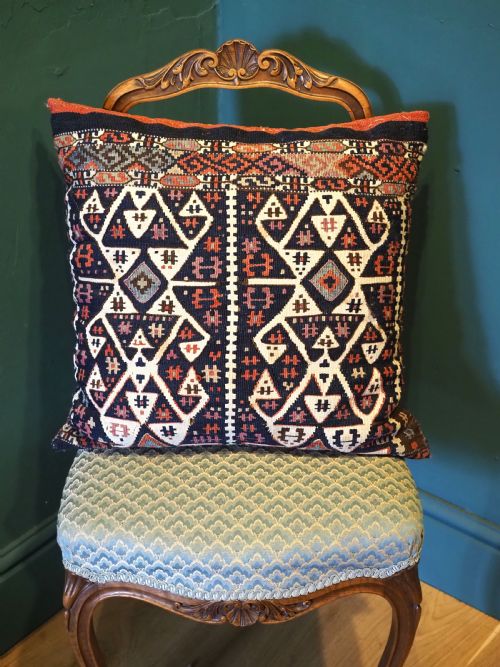
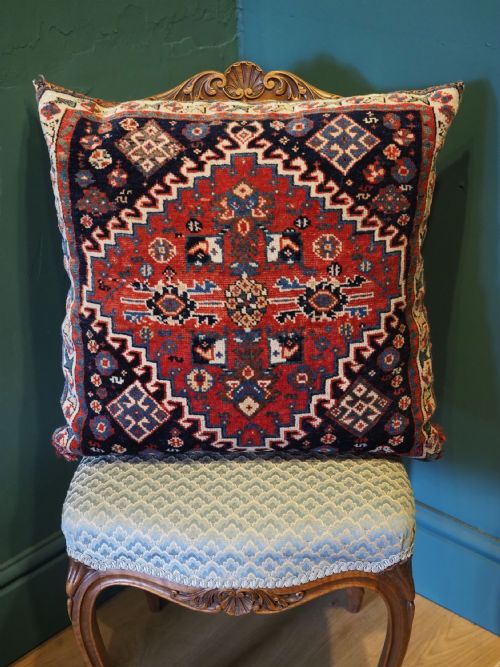
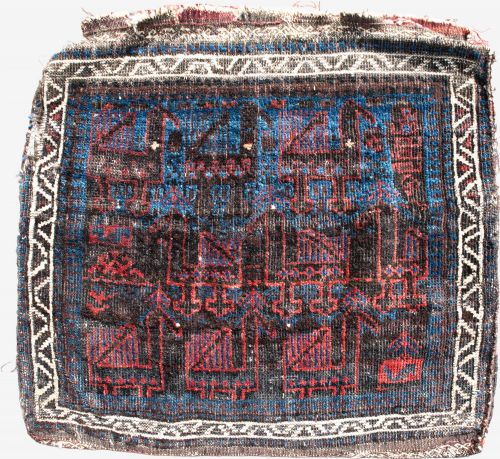
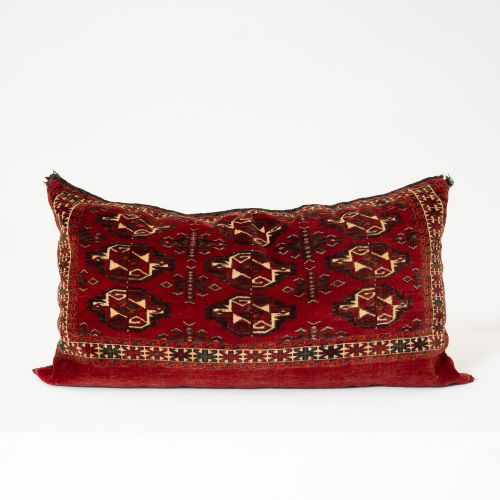
A vintage tribal pillow cover brings centuries-old nomadic textile art into contemporary domestic spaces by repurposing fragments of antique bags, saddle bags, and flatweaves into cushions. Buyers seeking a vintage tribal pillow cover encounter pieces derived from Anatolian, Persian, and Turkmen traditions, often fashioned from older utilitarian items like torbas, chuvals, and saddle bags.
The objects listed span periods from the mid-nineteenth century to the early twentieth century, capturing authentic tribal weaving before industrial dyes and methods took over. These textiles originate from specific groups including the Qashqai, Baluch, Yomut, and Ersari, reflecting regional patterns and domestic utility adapted for modern soft furnishings.
How they were made
Construction relies upon hand-spun wool and cotton, worked into pile carpets, flatweaves, and kilim structures by nomadic and village weavers. Natural dyes provide the enduring palette found across these textiles, absorbing light and ageing with a deep patina.
Weavers utilised techniques such as slit-weave kilim construction and banded flatweave designs to create durable storage bags and trappings. These functional textiles were subsequently mounted onto supportive backings to form the cushions and pillows available today.
Nomadic weavers frequently incorporated small protective motifs into bag faces to ward off the evil eye from their stored household possessions.
What varies in quality
Quality rests upon the fineness of the original weave, the complexity of the tribal design, and the vibrancy of the natural dyes. Pieces retaining crisp geometric motifs and intact structural integrity from the nineteenth century represent the higher tier of these textiles.
The condition of the wool surface and the subtlety of the colour palette distinguish exceptional bag faces and kilim cushions from simpler, later iterations. Retaining original design elements without excessive restoration preserves the historical integrity of the piece.
The Vintage Tribal Pillow Cover Glossary
- Kilim
- A flatwoven textile produced without a pile, traditionally used for rugs, hangings, and containers. These form the front panels of many durable cushions.
- Torba
- A small storage bag produced by Turkmen and other nomadic groups, often featuring characteristic gushli or banded patterns. Surviving faces are frequently converted into decorative pillows.
- Chuval
- A large tent storage bag used by Turkmen tribes for bedding and household goods. Fragments of these pieces yield substantial cushion covers.
- Mafrash
- A rectangular storage sack or bedding chest panel woven in flatweave or pile techniques. They provide robust geometric textiles for soft furnishings.
- Baluch
- A designation for nomadic and village weaving produced by Baluch tribes across the borderlands of Persia, Afghanistan, and Turkmenistan. Their work often incorporates deep indigo and dark wool grounds.
Vintage Tribal Pillow Cover: Frequently Asked Questions
How do I care for my cushion?
Care requires gentle treatment appropriate for antique wool and cotton textiles, avoiding harsh washing methods and excessive direct sunlight.
Professional specialist cleaning helps maintain the natural dyes and hand-spun fibres over time.
Where do these pieces originate?
The textiles originate from nomadic and village communities across Anatolia, Persia, and Central Asia, including regions associated with Turkmen, Qashqai, and Baluch weavers.
Each regional group employed distinct tribal patterns, structures, and natural dye palettes.
How are tribal periods determined?
Periods are identified through structural analysis, wool quality, dye characteristics, and the specific tribal design vocabulary recorded in the weave.
Earlier nineteenth-century pieces often display hand-spun materials and specific regional motifs that evolved into the early twentieth century.