

Decorative Table Lights
Decorative table lights bring focused illumination and sculptural presence to a room, ranging from converted oil lamps to cast metal standards.
Decorative Table Lights
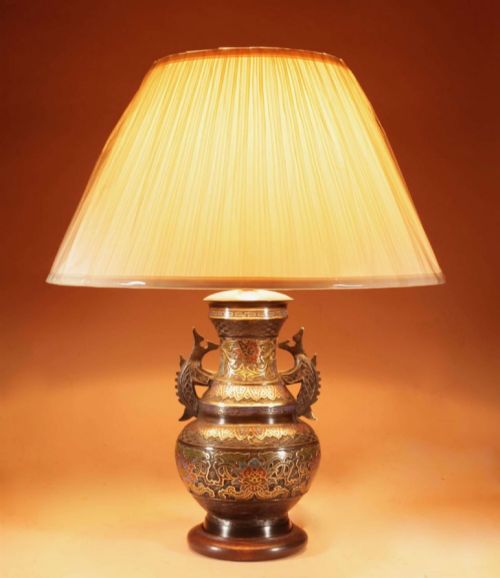
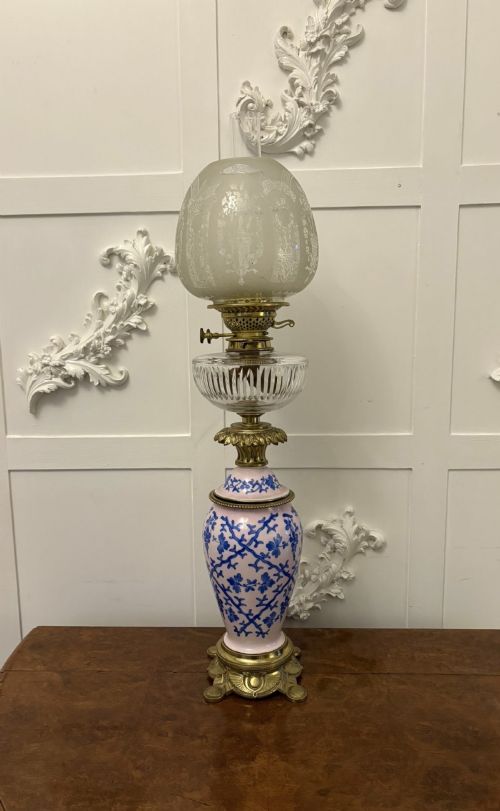
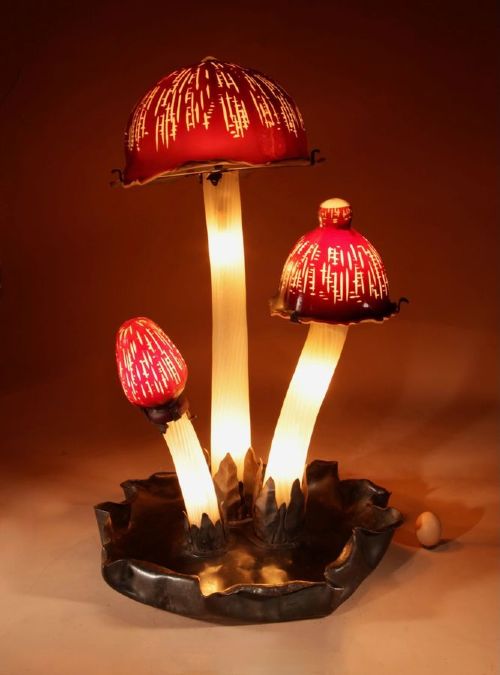
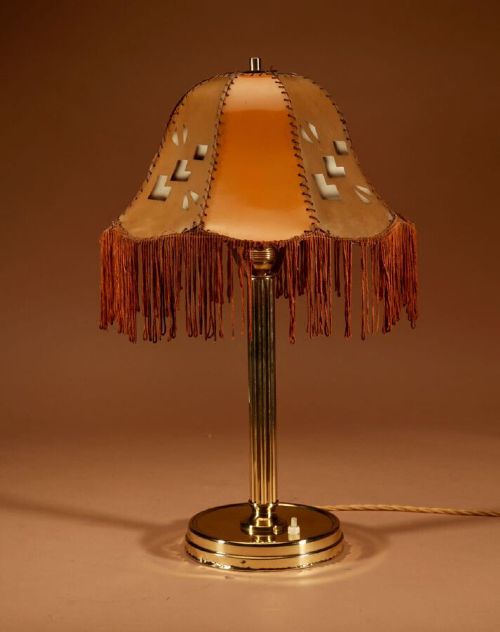
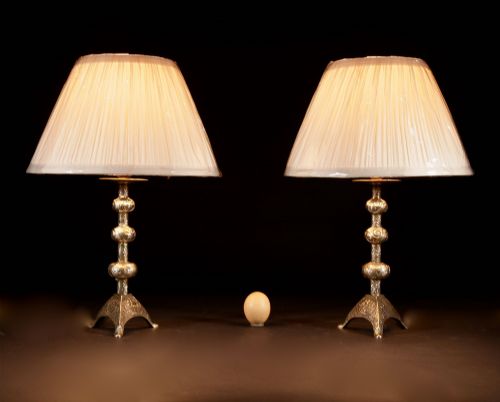
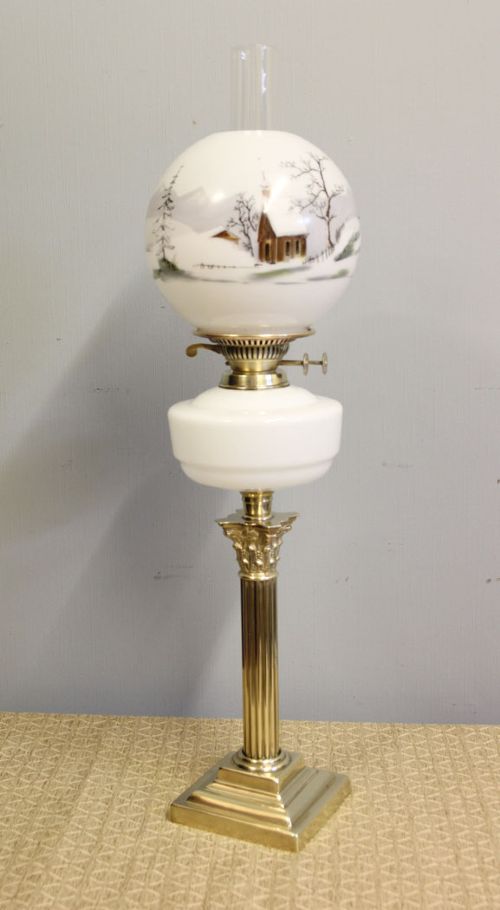
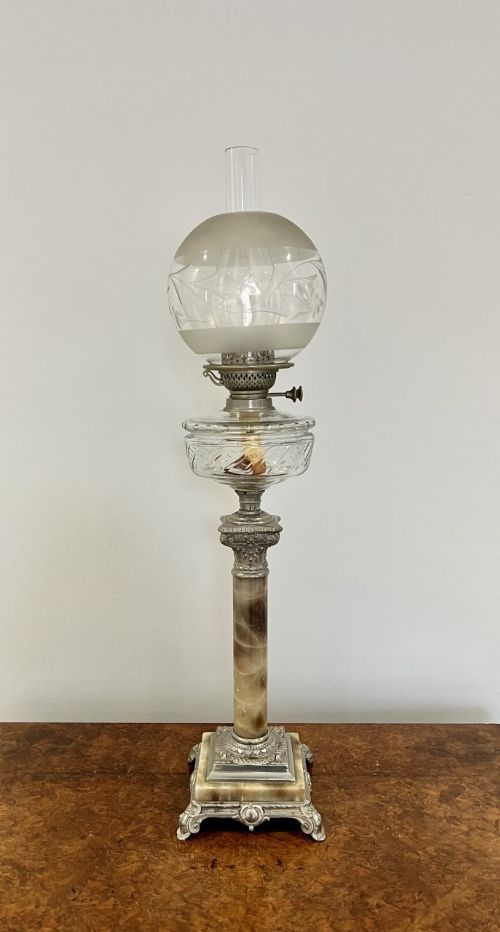
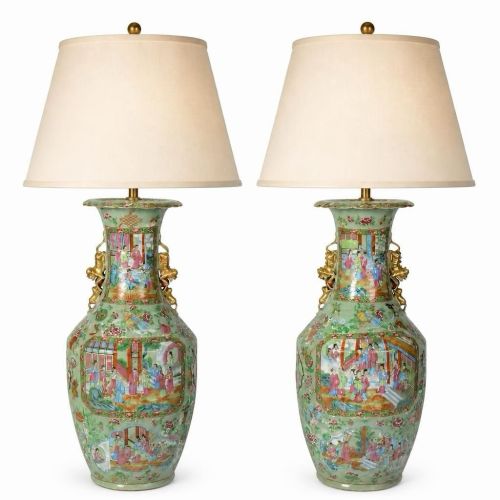
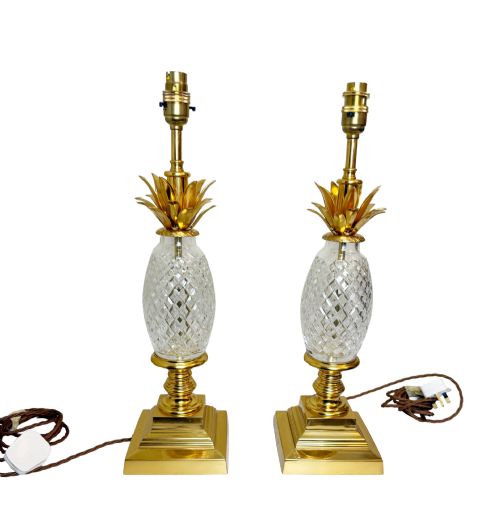
Decorative table lights encompass a diverse group of objects designed for illumination or display, frequently adapted from earlier lighting forms or ornamental vessels. When searching for decorative table lights, buyers encounter everything from Victorian porcelain oil lamps and Edwardian onyx standards to Japanese bronze lanterns and Art Deco glass designs.
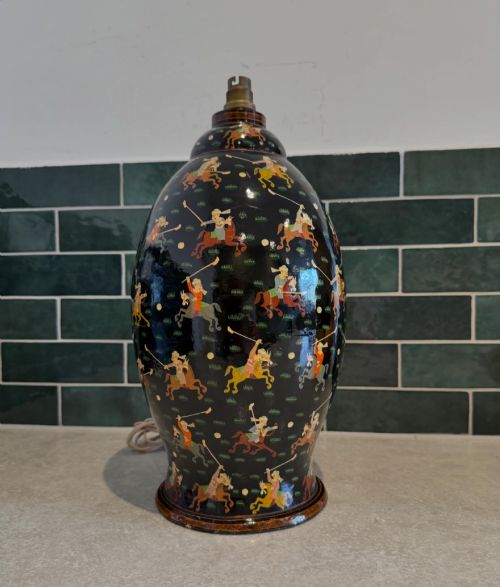
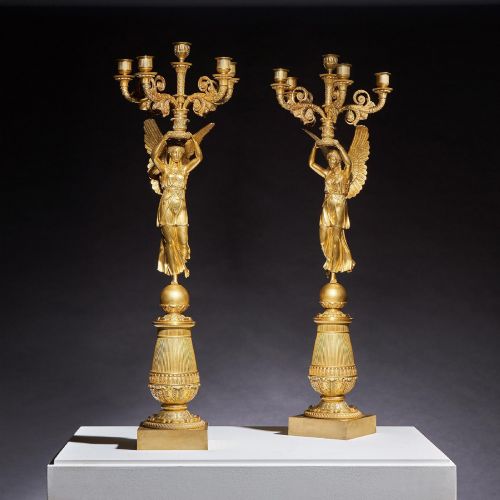
The selections span multiple centuries and stylistic revivals, including French Neoclassical, Louis XVI style, and Romanesque interpretations. Many pieces originate from conversions, transforming oil lamps, vases, candelabra, and tea canisters into functional electric table lighting.
How they were made
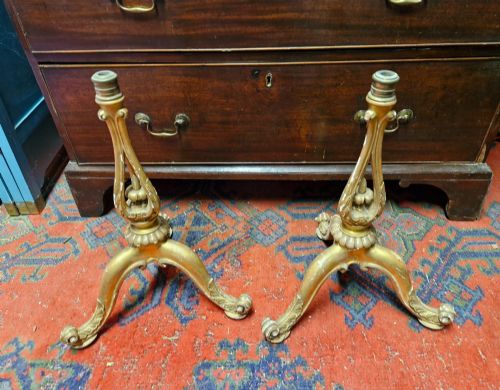
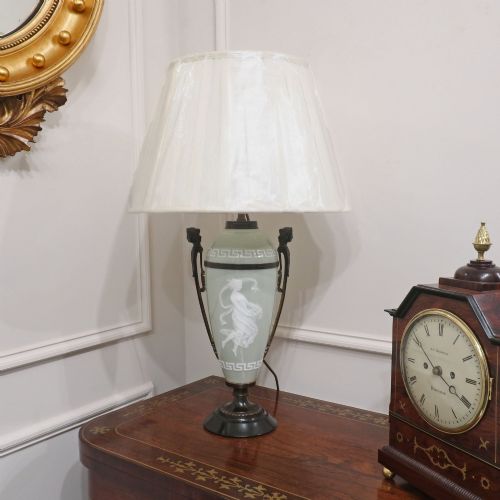
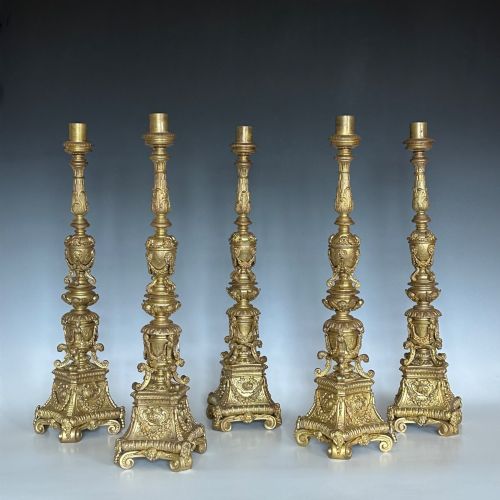
Craftsmen utilised cast and chased metals such as brass, bronze, ormolu, and cast iron to form sturdy bases and structural columns. Porcelain, ceramic, and glass components provide colourful bodies, often detailed with hand-painting, pate sur pate, or mottled glass techniques.
Fabric shades and hand-carved wood elements complete many constructions, while specialist methods like champleve enamelling and cold painting decorate the metallic surfaces. Conversion work incorporates modern wiring into historical vessels and candlesticks without disturbing the exterior artistry.
Materials span brass, fabric, glass, gilt bronze, bronze, wood, porcelain, and ormolu across multiple centuries.
What varies in quality
The standard of a piece depends heavily on the crispness of the casting in metalwork and the fineness of detail in painted porcelain or enamel. Heavy, well-balanced bases and original matched components distinguish superior items from later assemblies.
Artistic attribution and the integrity of the original material - such as uncompromised crystal glass or genuine patinated bronze - separate standard decorative lighting from exceptional collector pieces.
Pierre Philippe Thomire·Charles Schneider·Georges Leleu·Sitzendorf·Royal Worcester·Moorcroft
The Decorative Table Lights Glossary
- Ormolu
- Gilded bronze, typically produced by applying a mixture of gold and mercury to a bronze base and heating it. This technique creates a rich, durable golden finish found on fine French lighting.
- Mantle lustre
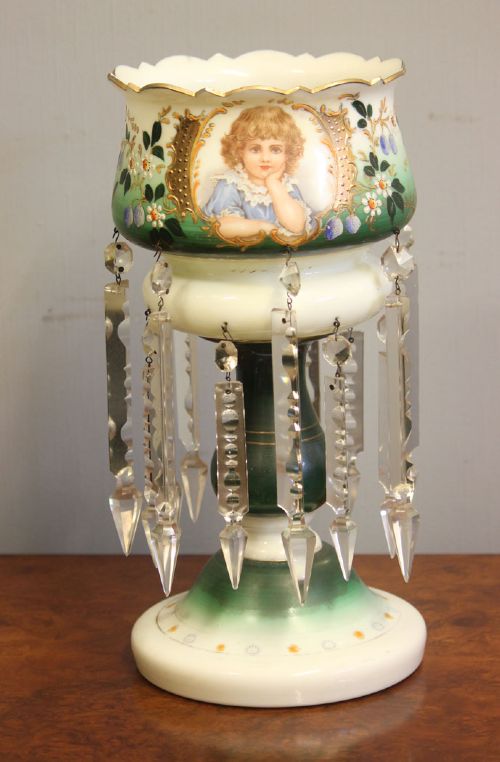
- A decorative glass or porcelain ornament hung with crystal prisms, designed to sit on a mantelpiece or table. They often incorporate candle sockets or lighting elements.
- Pate sur pate
- A ceramic decorating method where successive layers of white porcelain slip are applied to a coloured body to create a low relief cameo effect. It requires immense skill from the ceramicist.
- Champleve
- An enamelling technique where troughs or cells are sunk into the surface of a metal object and filled with vitreous enamel before firing. The resulting design displays vibrant coloured patterns flush with the metal partitions.
- Spelter
- An alloy of zinc and lead cast into decorative figures and ornaments, frequently painted to imitate bronze. It served as a more affordable alternative during the nineteenth and early twentieth centuries.
Decorative Table Lights: Frequently Asked Questions
How do I date a table lamp?
Dating relies on stylistic clues, manufacturing materials, and any maker marks stamped into the metal or glazed onto the ceramic base. Comparing the decorative motifs, such as Art Deco geometric lines or Victorian floral painting, provides a reliable window of origin.
The transition from oil burning to electricity also helps establish whether a piece was originally manufactured as a lamp or later converted.
Can converted oil lamps take modern bulbs?
Most converted oil lamps utilise standard lamp holders that accommodate modern screw or bayonet bulbs easily. The conversion process typically adapts the old burner mechanism to house standard electrical fittings.
Care should be taken to match the bulb wattage to the historic shade and vessel to prevent excessive heat.
What is a mantel lustre?
A mantel lustre is an ornamental vase or candlestick fitted with hanging crystal prisms that sparkle when catching the light. They were popular in the nineteenth century for decorative display on drawing room mantelpieces.
Some examples were subsequently adapted to serve as electrified table lights while retaining their distinctive crystal drops.