






Twist Glass Lamps
Twist glass lamps bring genuine period character to a room, combining tactile optical stems with the warm glow of antique lighting.
Twist Glass Lamps
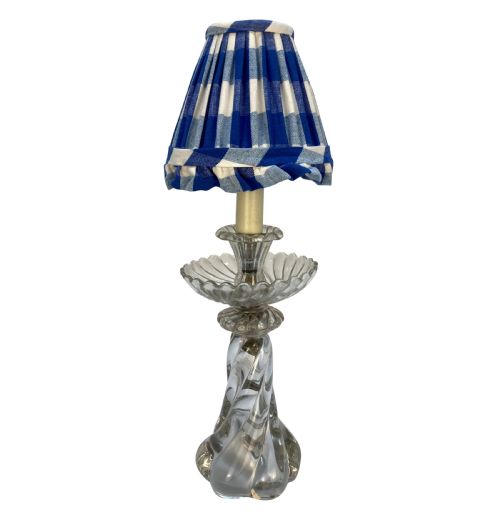
When you search for twist glass lamps, you enter a diverse field spanning the eighteenth century through to the art deco era. These pieces encompass table lamps, oil lamps, wall lights, and occasional tables featuring glass elements, often paired with brass or chrome mounts.
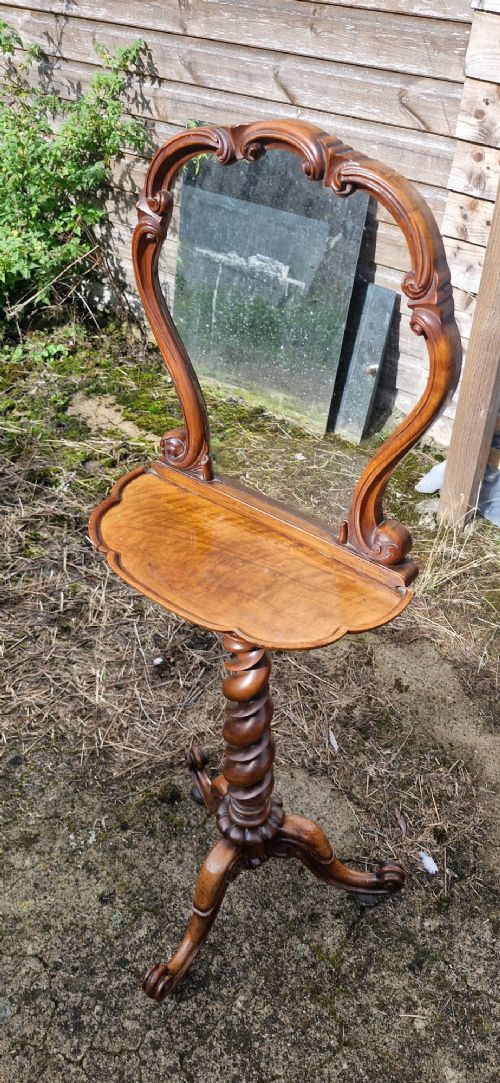
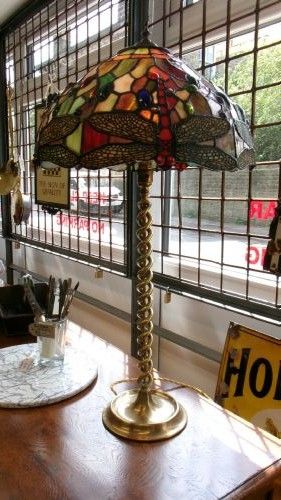
On this page, you are most likely to encounter Edwardian brass open twist designs and nineteen-thirties pieces that blend structural metalwork with coloured or enamelled glass. Earlier examples include Georgian incised twist oil lamps and Victorian walnut stands incorporating glass components.
How they were made
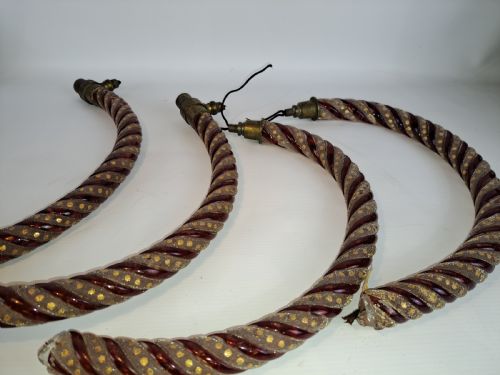
Makers utilised brass and chrome alongside clear, ruby, and opaline glass to construct these items, frequently mounting glass stems onto heavy metal bases for stability. Wrought iron and walnut also appear in the structural framework of specific periods.
The manipulation of glass created the characteristic twist formations seen in the stems, whether through optical blowing techniques or incised cutting. Artisans combined these glass elements with fitted metal collars, burners, and sometimes fabric or stained glass shades.
Some Victorian table lamps doubled as wine tables with glass backs, proving that our ancestors liked their illumination served with a side of refreshment.
What varies in quality
Quality rests in the precision of the glass twist and the weight of the supporting metalwork, distinguishing refined production from heavier commercial output. Finer examples display crisp definition in the glass spiral and harmonious proportions between the stem, base, and shade.
The integrity of the original components also determines the standing of a piece, particularly where brass, chrome, and glass meet. Pieces that retain their period shades or original oil fittings carry greater authenticity than those altered over time.
The Twist Glass Lamps Glossary
- Incised twist
- A decorative technique where a spiral channel is cut directly into the surface of the glass stem. This method creates subtle light refraction and a distinct tactile texture.
- Opaline
- An opaque or translucent pale glass often used for shades and bodies during the Victorian and Edwardian periods. It softens the light emitted by the burner or bulb.
- Open twist
- A stem design featuring a spiralling open space within the glass or metal structure. It requires advanced forming skills during manufacture.
- Ruby glass
- A deep red glass created by adding gold chloride to the molten batch during production. It remains highly prized for its rich colour saturation.
- Pullman lamp
- A specific style of compact lighting historically utilised in railway carriages and fine interiors. These designs prioritise secure brass mounting and directional illumination.
Twist Glass Lamps: Frequently Asked Questions
How do I date an antique glass lamp?
Dating relies on examining the manufacturing techniques, material combinations, and electrical or burner fittings used in the piece. Styles shifted from Georgian incised glass to heavy Victorian brass and opaline, and onward to nineteen-thirties chrome and art deco enamelled finishes.
Hardware such as switches, screw threads, and collar designs offer further clues to the decade of manufacture. Comparing the mounting methods with dated examples in the same material group helps narrow the timeline.
Were these originally oil lamps?
Many early examples began life as oil lamps before being converted to electricity at a later date. Collectors find both original oil-burning configurations and early electric desk or table models across the nineteenth and twentieth centuries.
Checking the upper collar and font will reveal whether a burner mechanism was once present. Such conversions are standard practice for lighting from the Victorian and Edwardian eras.
How do I clean an antique glass lamp?
Cleaning requires gentle handling of both the glass elements and the surrounding brass or chrome mounts. Warm soapy water and a soft cloth suit the glass sections, provided any vintage electrical components are kept entirely dry.
Harsh chemical polishes should be avoided on patinated brass and delicate enamelled surfaces. Preserving the natural age of the metal often maintains the character and value of the piece.